

Great Spotted Woodpecker
Dendrocopos major
The Great Spotted Woodpecker is a striking black-and-white bird with bold white wing patches, a crimson undertail, and stiff, pointed tail feathers adapted for bracing against tree trunks while excavating and drumming.
- Feather type
- Stiff, pointed tail feathers used as a climbing prop; strong barred flight feathers; bold black-and-white body feathers
- Colours
- Black-and-white body plumage, bold white shoulder patches, red undertail (both sexes), red nape patch (male only)
- Bird size
- Medium, ~23 cm
Found a feather like this?
Identify any feather from a photo, free.
Overview
The Great Spotted Woodpecker is the most widespread and familiar woodpecker across much of Europe, easily recognized by its bold black-and-white plumage and patch of red under the tail.
Its feathers are strongly built for a life of climbing and hammering: stiff, pointed tail feathers serve as a supporting prop, while the flight feathers are broad and strong for short, undulating flights between trees.
Drumming on dead wood in early spring, rather than song, is this species' main long-distance signal, and feathers are often found beneath favored drumming or roost trees.
Identifying the Feather
Size & Shape
- Tail feathers are notably stiff, pointed, and often show wear at the tips from constant use as a climbing and drumming prop - a hallmark of true woodpeckers.
- Flight feathers are broad, strong, and barred, built for powerful, undulating flight.
Color & Pattern
- Back and wing feathers: glossy black with large, bold white patches on the shoulders and white barring on the flight feathers.
- Underparts are whitish, with a bright crimson-red patch under the tail present in both sexes.
- Males show an additional red patch on the nape, absent in females.
- Juveniles show a red crown patch instead, lost after the first molt.
Similar Species
- Larger and more boldly black-and-white than Lesser Spotted Woodpecker, with large white shoulder patches (absent in the smaller species) and a red undertail (which Lesser Spotted lacks).
Plumage & Molt
Overall Plumage
Glossy black-and-white with large white shoulder patches, barred flight feathers, and a crimson undertail patch.
Sex & Age Differences
Males show a red patch on the nape; females lack it. Juveniles of both sexes show a red crown patch, replaced by adult plumage after the first complete molt.
Molt
One complete molt after breeding in late summer; juveniles undergo a partial post-juvenile molt of body feathers, retaining some juvenile flight feathers into their first year.
Habitat & Range
Habitat
Woodland of nearly all types, including conifer, broadleaf, and mixed stands, plus parks and wooded gardens.
Range
Widespread across Europe and temperate Asia.
Movements
Mostly resident, though northern populations occasionally show irruptive movements in years of poor seed crops.
Behavior & Field Notes
Behavior
Climbs tree trunks using stiff tail-feather support, excavates nest and roost holes, and drums rapidly on dead wood to proclaim territory.
Diet
Feeds on wood-boring insect larvae extracted from bark and dead wood, plus seeds, nuts, and occasionally the eggs or young of other birds.
Nesting
Excavates a fresh nest hole in a tree trunk or branch each year.
Voice
A sharp 'kick' call and a rapid, resonant drumming roll on resonant dead wood, used instead of song.
Field Notes
A black-and-white barred feather with a crimson undertail patch, found beneath a mature tree with drumming or excavation marks, is a reliable sign of Great Spotted Woodpecker.
Frequently asked questions
How do I tell a male from a female Great Spotted Woodpecker feather?
Males have an additional red patch on the nape; females lack any red on the head.
What separates this species from the Lesser Spotted Woodpecker in feather terms?
Great Spotted Woodpecker is larger, with bold white shoulder patches and a red undertail patch, both absent in the smaller Lesser Spotted Woodpecker.
Why are woodpecker tail feathers so stiff?
They act as a supporting prop against the trunk while the bird climbs and excavates wood.
Where are Great Spotted Woodpecker feathers commonly found?
Beneath mature trees in woodland, parks, or gardens, especially near drumming or nest-excavation sites.
Great Spotted Woodpecker guides
In-depth guides for identifying and understanding Great Spotted Woodpecker.

Great Spotted Woodpecker identified by the community
Real feathers identified with Feather Identifier.


Other feathers you may enjoy

Ivory-billed Woodpecker
Very large flight feathers with a solid white trailing patch

Great Slaty Woodpecker
Massive, uniformly colored contour feathers

Yellow-tufted Woodpecker
Black body feathers with bright yellow forehead tufts

Magellanic Woodpecker
Very large, glossy contour feathers with a recurved crest

Yellow-bellied Sapsucker
Black-and-white patterned back and facial-stripe feathers
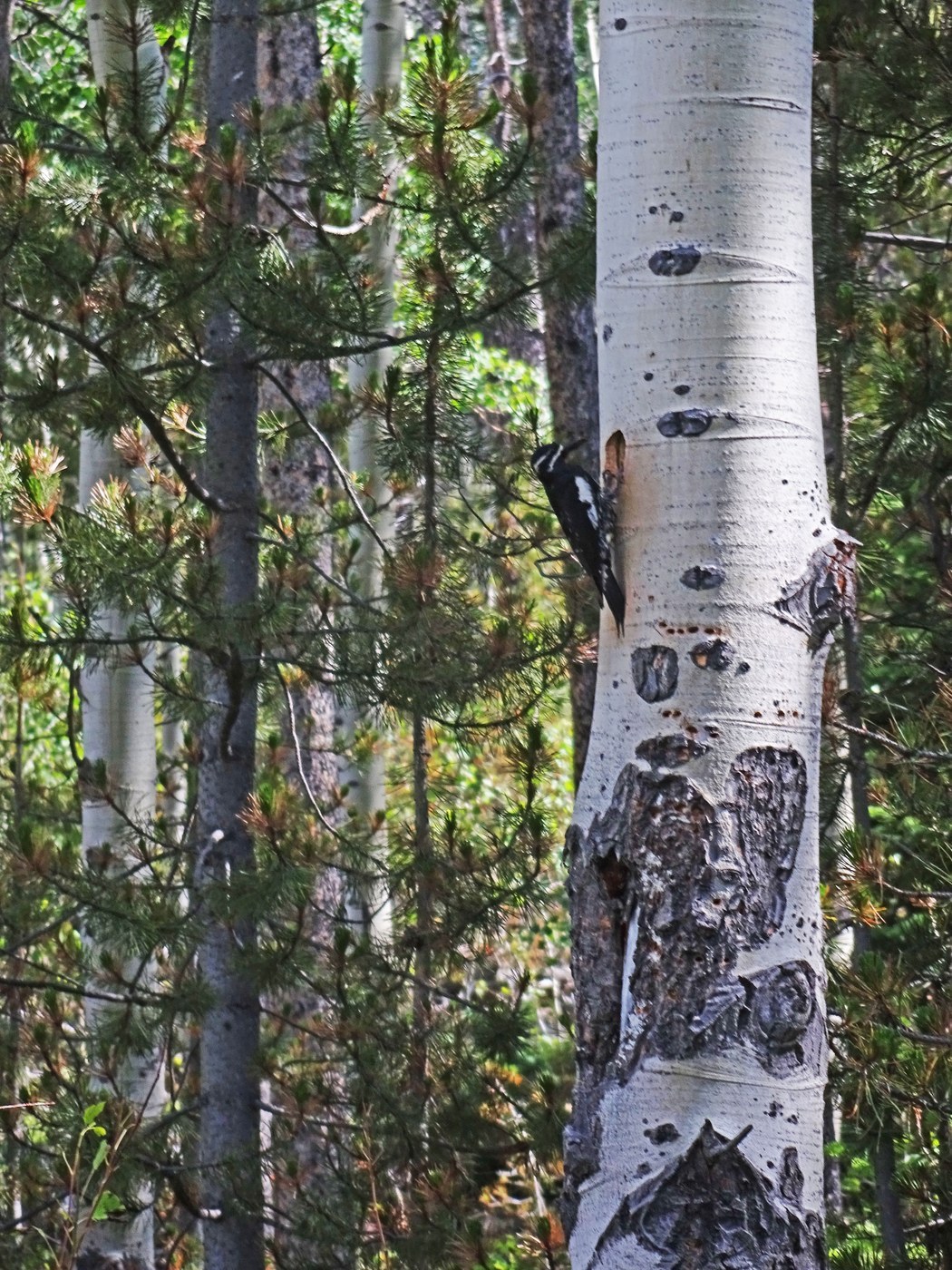
Williamson's Sapsucker
Strongly sexually dimorphic body feathers, glossy black or finely barred brown

Yellow-crowned Woodpecker
Contour and flight feathers

White Woodpecker
Mostly white body feathers with contrasting black wings and back

Red-throated Wryneck
Soft, cryptically mottled contour feathers

White-bellied Woodpecker
Large, glossy black contour and flight feathers

White-backed Woodpecker
Barred back feathers rather than a solid white patch
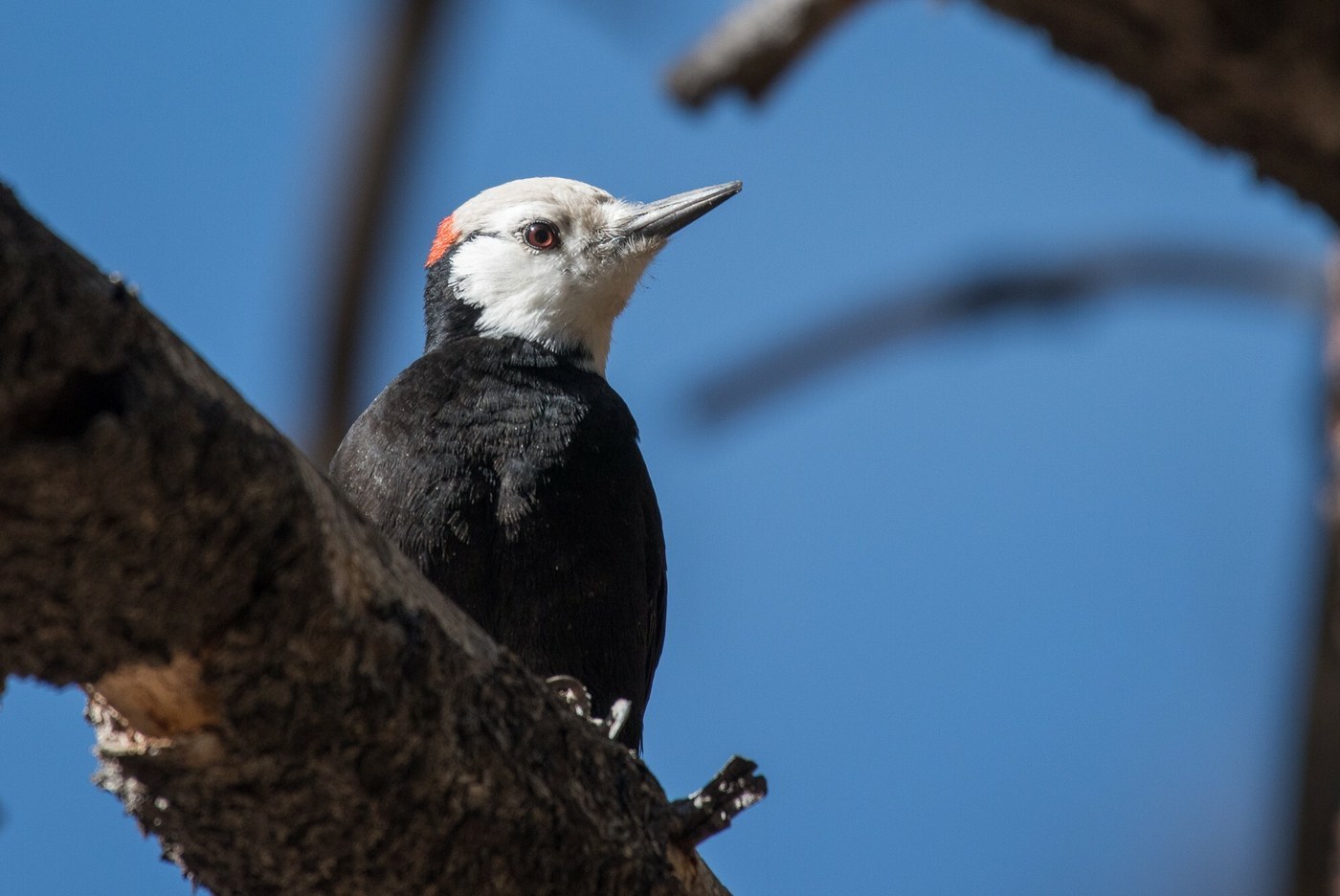
White-headed Woodpecker
Solid black body feathers with an entirely white head