

Great Knot
Calidris tenuirostris
The largest of the knots, this East Asian-Australasian Flyway specialist shows a densely spotted blackish breast in breeding plumage and a notably longer, heavier bill than its close relative the Red Knot.
- Feather type
- Medium wader contour and flight feathers
- Colours
- Heavily spotted blackish breast in breeding plumage; scaly gray-brown nonbreeding upperparts
- Bird size
- Robin-sized, ~26-28 cm, larger than Red Knot
Found a feather like this?
Identify any feather from a photo, free.
Overview
Overview
The Great Knot is the largest member of the knot group, breeding in isolated mountain tundra of northeastern Siberia and migrating along the East Asian-Australasian Flyway to spend the winter on the coasts of South and Southeast Asia and Australia. It is somewhat larger, longer-billed, and more heavily marked below than the more widespread Red Knot.
Feathers are typically encountered at major intertidal staging sites along the flyway, where enormous flocks gather during migration.
Identifying the Feather
Feather Identification
- Breast feathers: densely covered in bold blackish spots and chevrons in breeding plumage, more heavily marked than any Red Knot underparts feather.
- Upperparts: mottled gray-brown and rufous-edged feathers in breeding plumage, becoming scaly gray-brown in winter.
- Bill-associated size clue: overall feather size is larger than Red Knot, consistent with the species' notably longer, heavier bill and larger body.
- Wing feathers: dark gray-brown with a modest pale wingbar.
- Versus Red Knot: Great Knot feathers are larger overall and the breeding breast pattern is spotted/blotched black rather than washed red, a key distinction where ranges might overlap.
Plumage & Molt
Plumage Notes
Breeding adults show a heavily spotted, blackish breast patch contrasting with white flanks, plus rufous-and-black mottled upperparts; sexes look alike. Nonbreeding adults become plain scaly gray-brown above and whitish below, losing the bold breast spotting.
Juveniles show neatly scaled upperpart feathers with pale fringes, somewhat similar to nonbreeding adults but with crisper feather edges. Adults undergo a complete molt largely after reaching wintering areas, while a partial molt produces the spotted breeding plumage before spring migration north.
Habitat & Range
Habitat & Range
Great Knots breed in a restricted range of mountainous tundra in far northeastern Siberia. They migrate along the East Asian-Australasian Flyway, staging at critical intertidal mudflats in the Yellow Sea region, and winter primarily on the coasts of South and Southeast Asia and Australia.
Behavior & Field Notes
Behavior & Field Notes
Great Knots forage on open intertidal mudflats, probing for small invertebrates, and are known for forming some of the largest single-species shorebird flocks in the world at key Yellow Sea staging sites. They rely heavily on a small number of critical stopover locations, making them vulnerable to habitat loss along the flyway.
Nests are simple scrapes on tundra or rocky mountain terrain. The flight call is a low, nasal note. Feather finds are concentrated at major intertidal staging areas in East and Southeast Asia during migration periods.
Frequently asked questions
How is a Great Knot feather different from a Red Knot feather?
Great Knot feathers are larger overall, and the breeding breast pattern is boldly spotted black rather than washed with red.
What does the breeding breast pattern look like?
A dense patch of bold blackish spots and chevrons contrasting with white flanks.
Where would I find Great Knot feathers?
At major intertidal staging sites along the East Asian-Australasian Flyway, especially around the Yellow Sea, and on wintering coastlines in South and Southeast Asia or Australia.
Are Great Knots larger than Red Knots?
Yes, Great Knot is the larger of the two species, with a notably longer, heavier bill.
Do nonbreeding feathers still show spotting?
No, nonbreeding plumage is plain scaly gray-brown above and whitish below without the bold breast spots.
Great Knot guides
In-depth guides for identifying and understanding Great Knot.

Other feathers you may enjoy
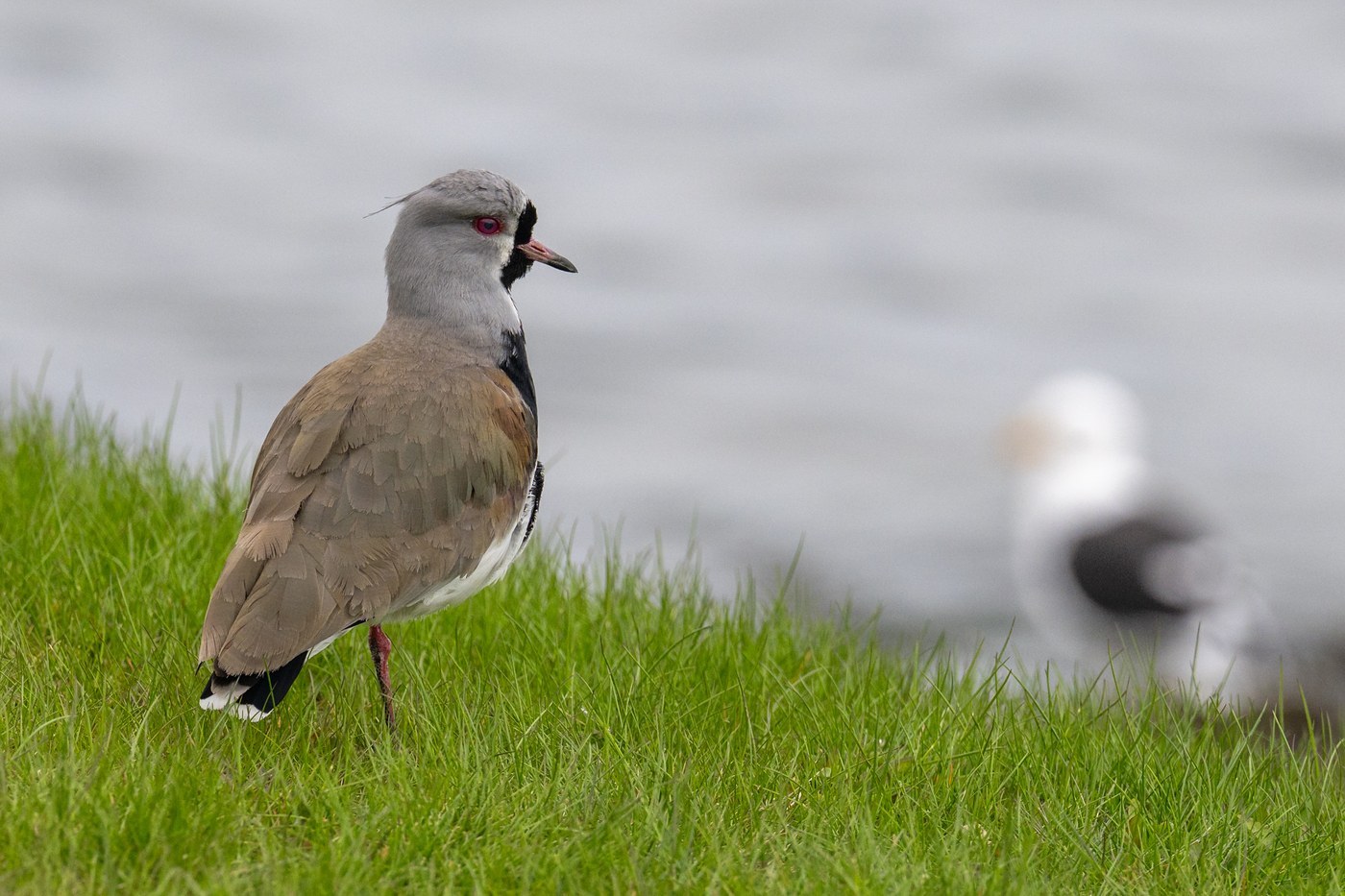
Southern Lapwing
Body, flight, and tail feathers

Jack Snipe
Body and flight feathers

Far Eastern Curlew
Body, flight, and tail feathers

Terek Sandpiper
Body and flight feathers

Wilson's Phalarope
Body and flight feathers
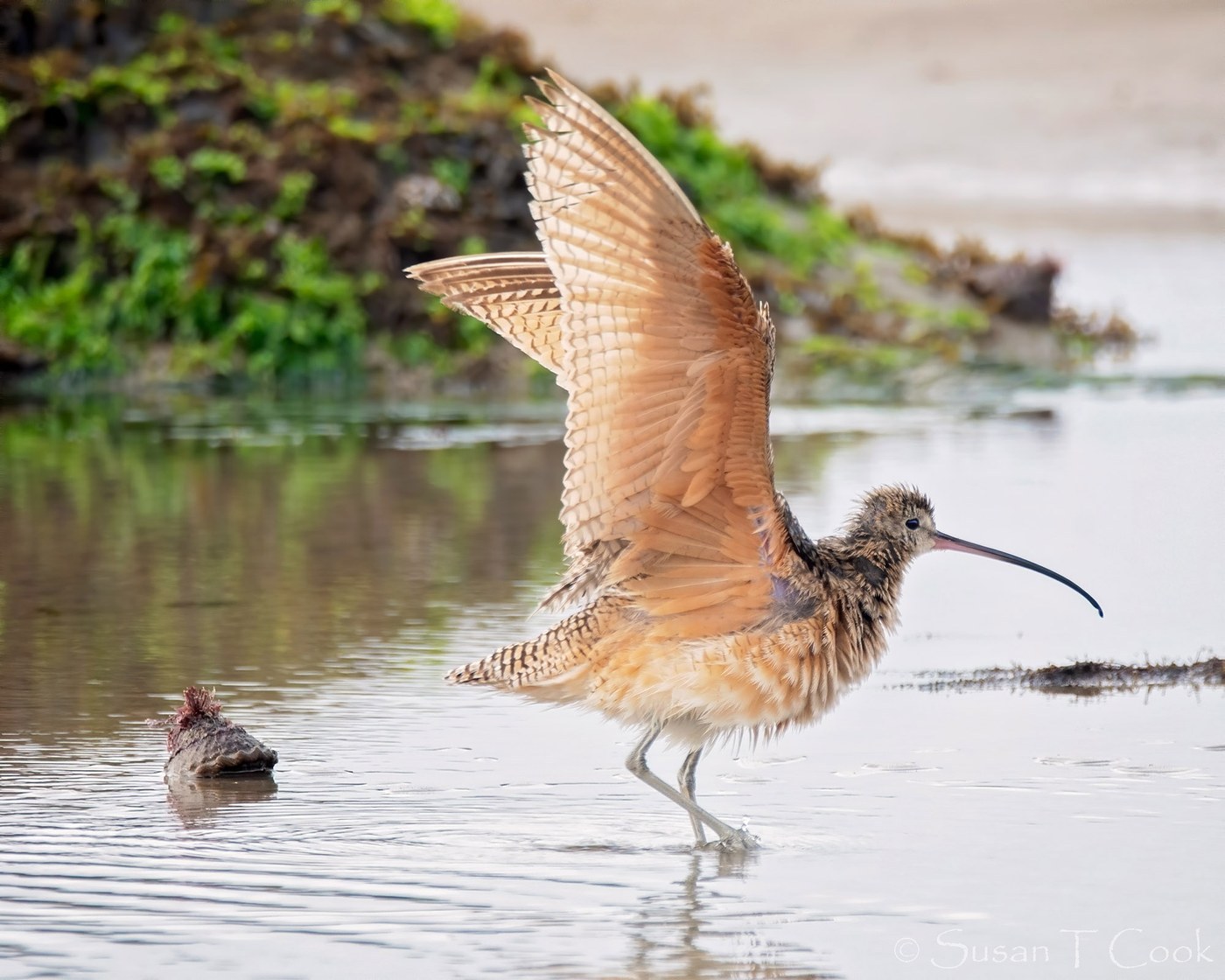
Long-billed Curlew
Body, flight, and tail feathers

Upland Sandpiper
Body, flight, and tail feathers

Red Phalarope
Body and flight feathers

Eurasian Dotterel
Body feathers
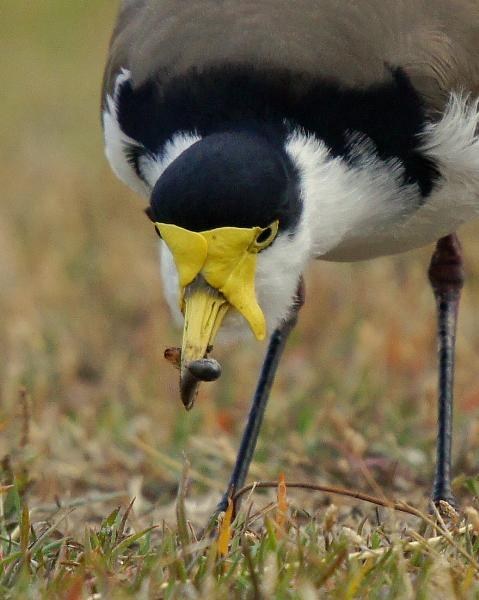
Masked Lapwing
Body, flight, and tail feathers
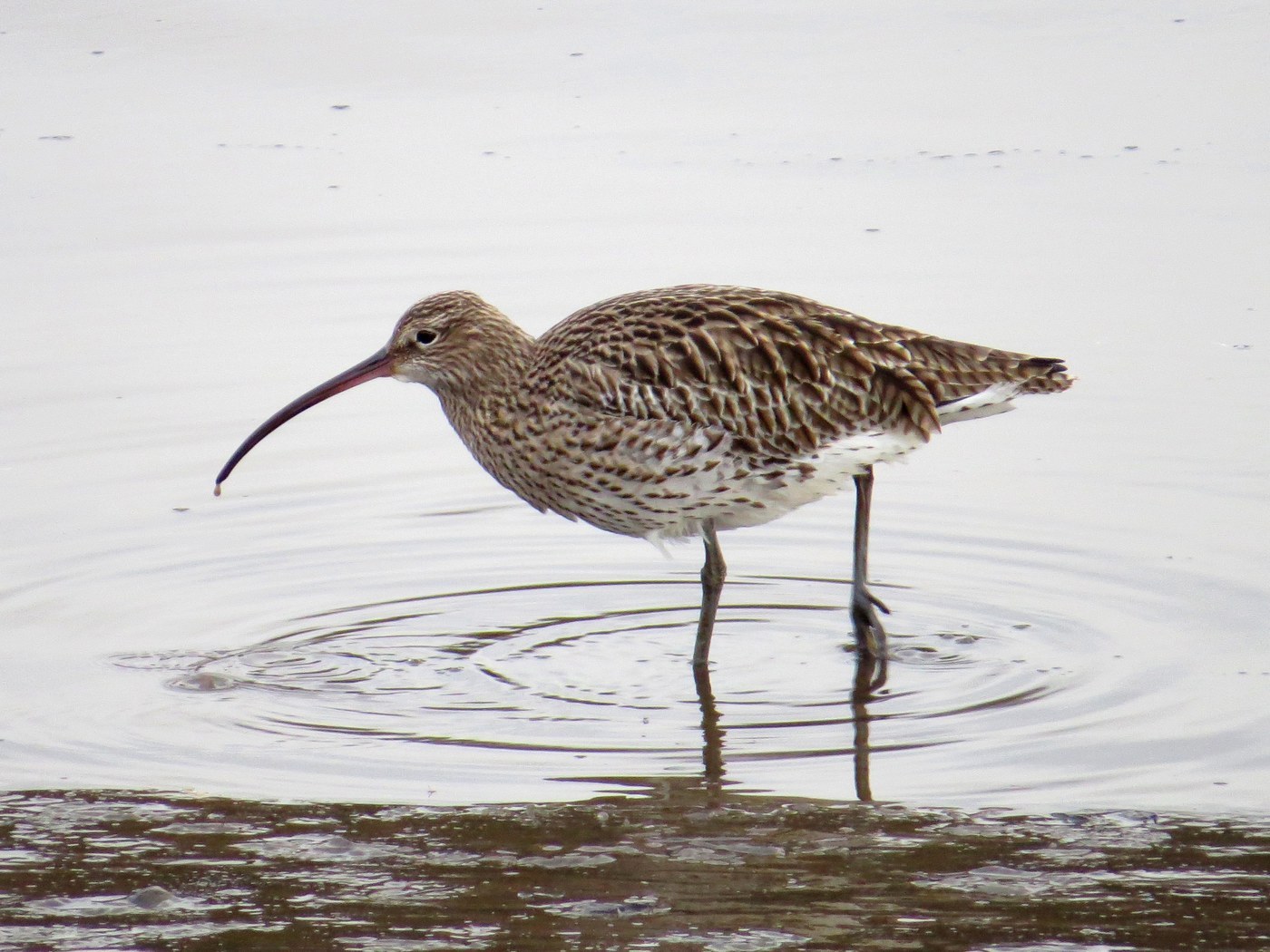
Eurasian Curlew
Body, flight, and tail feathers
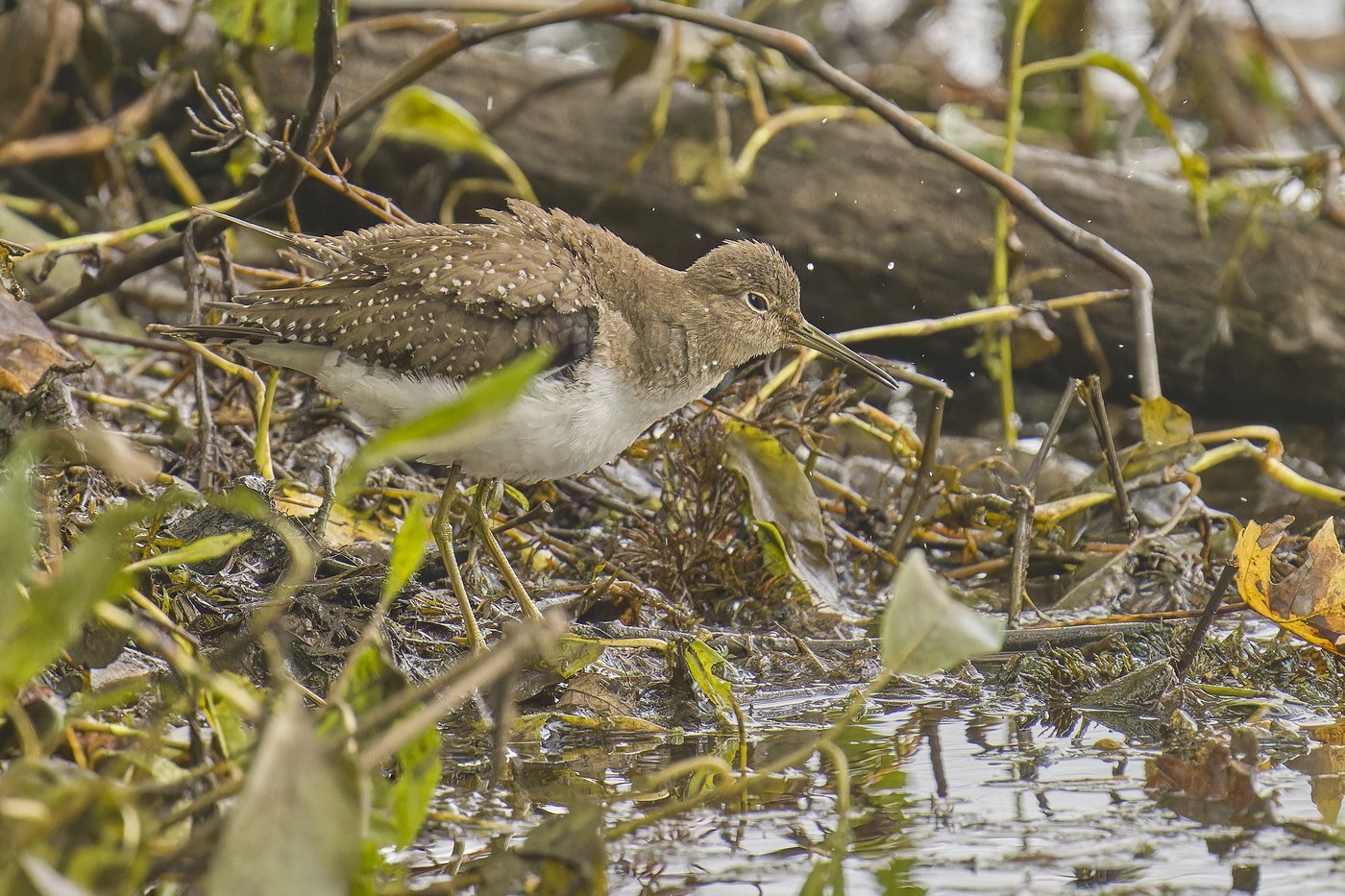
Solitary Sandpiper
Contour and flight feathers