

Golden-tailed Woodpecker
Campethera abingoni
An African woodpecker with bold spotting on the underparts rather than barring, plus a golden tint to the tail feathers that gives the species its name.
- Feather type
- Contour, flight, and tail feathers
- Colours
- Greenish-gold barred back, spotted underparts, golden-edged tail
- Bird size
- Medium woodpecker, ~20-23 cm
Found a feather like this?
Identify any feather from a photo, free.
Overview
The Golden-tailed Woodpecker is a widespread species of sub-Saharan African woodland and savanna, part of a group of African woodpeckers known for spotted rather than barred underparts. Its back shows a greenish-gold barred pattern, while the tail carries a subtle golden tinge along the outer edges.
It is often detected by its calls and drumming before being seen clearly in wooded habitat.
Identifying the Feather
- Underparts show bold, rounded dark spots arranged in rows over a pale cream ground color, distinct from the fine barring seen in many pied woodpeckers
- Back and wing-covert feathers are barred olive-green and blackish
- Tail feathers show a golden tinge along the outer edges, the source of the species' name
- Males show a red crown and malar area, while females show more black in these regions
- Flight feathers are barred dark and pale along their length
Plumage & Molt
Males have a red crown and red malar stripe; females show a black or dark-spotted crown and lack red in the malar area. Juveniles are duller with less crisp spotting below. A single annual molt follows breeding.
Habitat & Range
- Widely distributed across sub-Saharan Africa, in a range of woodland and savanna habitats
- Favors broadleaf woodland, riverine woodland, and adjacent savanna with scattered trees
- Generally resident, with some local movement tied to food availability
Behavior & Field Notes
This species forages on trunks and branches for wood-boring insects and ants, often working methodically along bark. Its call is a sharp, repeated note, and it drums in short bursts. Nest cavities are excavated in dead wood within its wooded habitat.
Frequently asked questions
How does spotting differ from barring on this species?
The underparts show bold, rounded spots arranged in rows rather than the fine crossbars seen in many Asian and North American pied woodpeckers.
What gives the tail its golden appearance?
A golden tinge along the outer edges of the tail feathers, which is the basis for the species' common name.
How can sex be told from feathers?
Red crown and malar feathers indicate a male; females show more black or dark spotting in these same areas.
What habitat is typical for this species?
Broadleaf woodland, riverine woodland, and savanna with scattered trees across sub-Saharan Africa.
Golden-tailed Woodpecker guides
In-depth guides for identifying and understanding Golden-tailed Woodpecker.

Other feathers you may enjoy

Ivory-billed Woodpecker
Very large flight feathers with a solid white trailing patch

Great Slaty Woodpecker
Massive, uniformly colored contour feathers

Yellow-tufted Woodpecker
Black body feathers with bright yellow forehead tufts

Magellanic Woodpecker
Very large, glossy contour feathers with a recurved crest

Yellow-bellied Sapsucker
Black-and-white patterned back and facial-stripe feathers
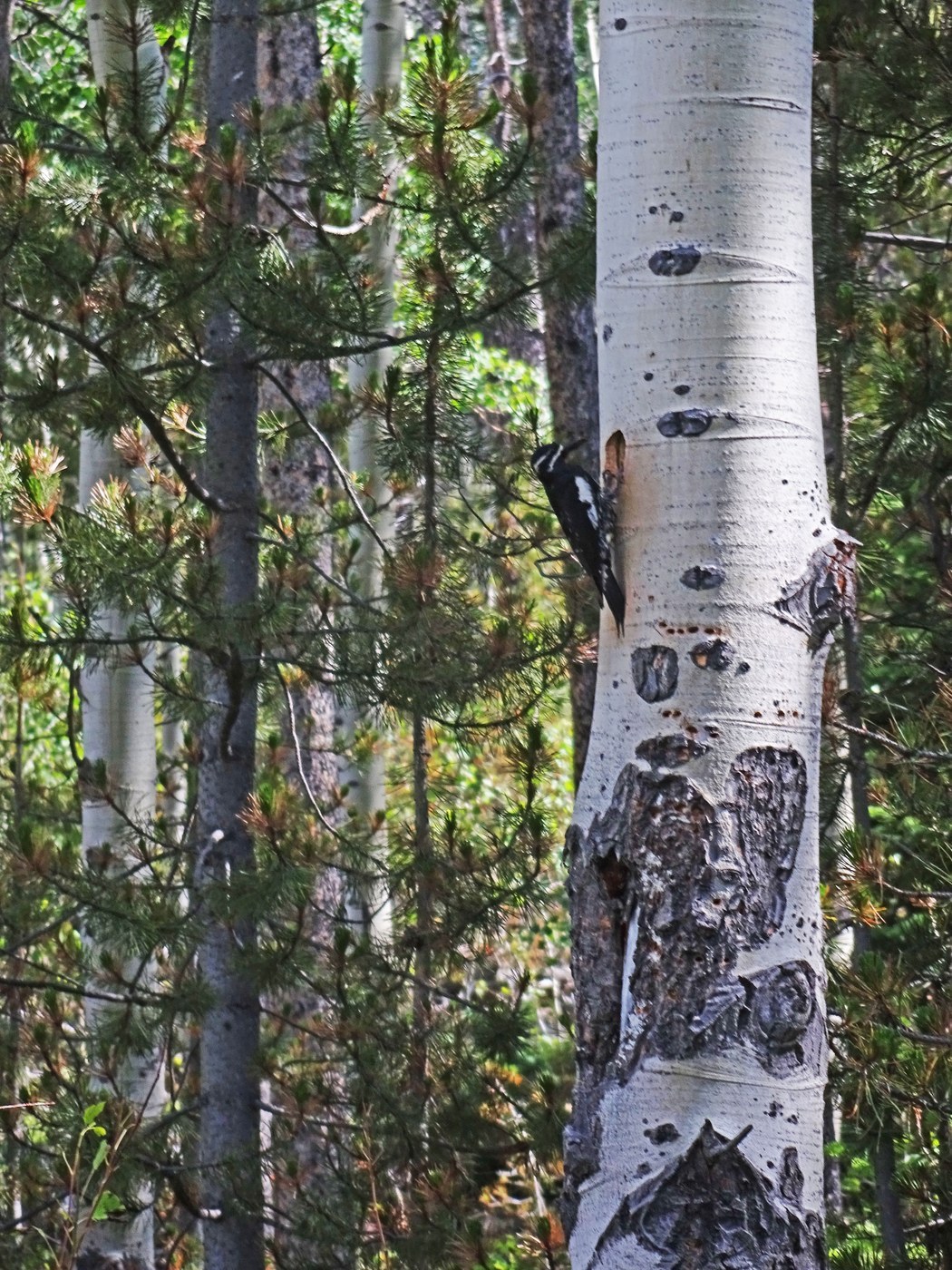
Williamson's Sapsucker
Strongly sexually dimorphic body feathers, glossy black or finely barred brown

Yellow-crowned Woodpecker
Contour and flight feathers

White Woodpecker
Mostly white body feathers with contrasting black wings and back

Red-throated Wryneck
Soft, cryptically mottled contour feathers

White-bellied Woodpecker
Large, glossy black contour and flight feathers

White-backed Woodpecker
Barred back feathers rather than a solid white patch
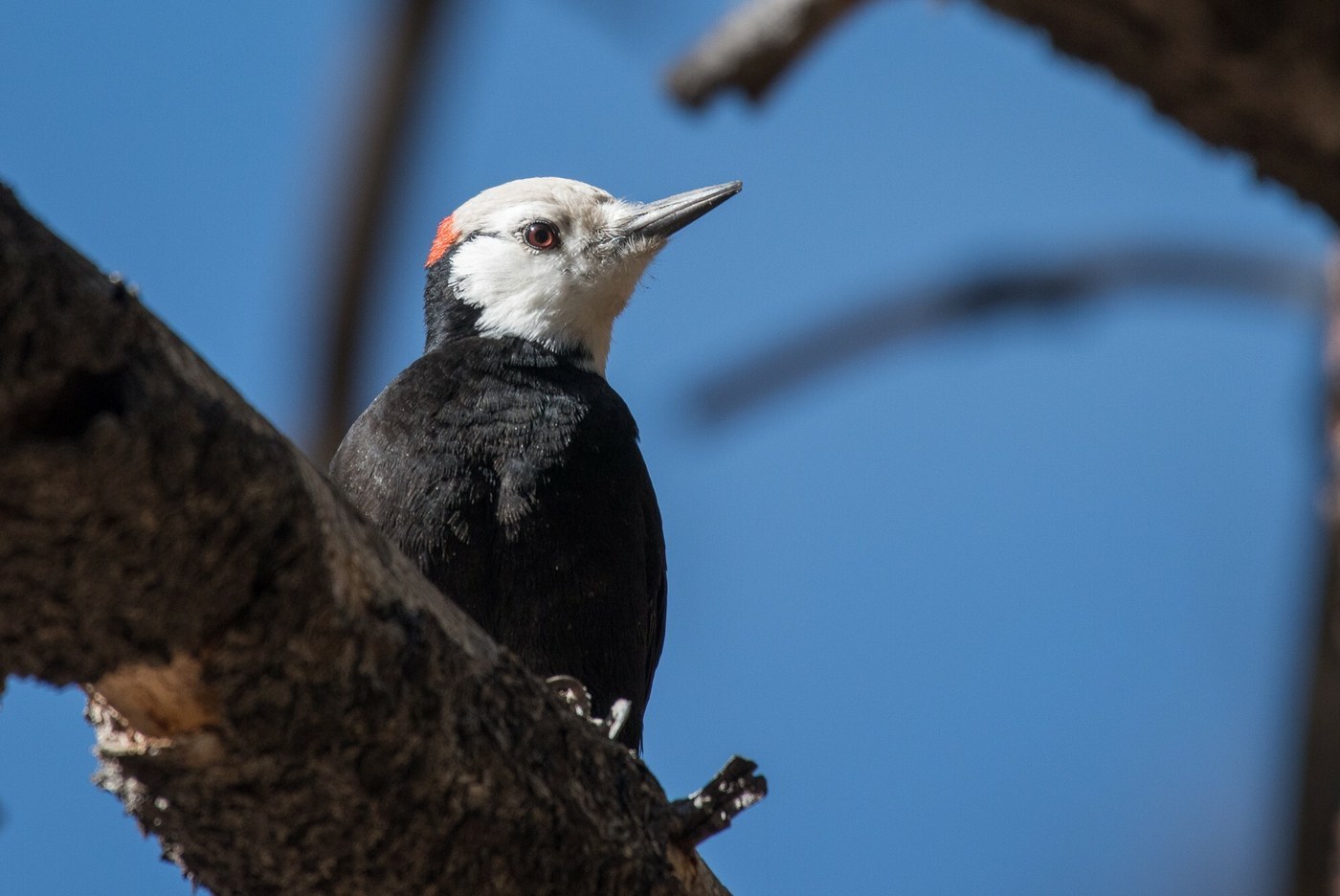
White-headed Woodpecker
Solid black body feathers with an entirely white head