

Gila Woodpecker
Melanerpes uropygialis
A common Sonoran Desert woodpecker with a plain gray-tan head and body set off by a boldly barred black-and-white back and wings.
- Feather type
- Black-and-white barred back feathers with a plain gray-tan head
- Colours
- Black-and-white barred back and wings, plain gray-tan head and underparts
- Bird size
- Robin-sized, ~23 cm
Found a feather like this?
Identify any feather from a photo, free.
Overview
The Gila Woodpecker is one of the most familiar birds of the Sonoran Desert, closely associated with saguaro cactus for both nesting and foraging. Its plain gray-tan head and underparts contrast with a crisply barred black-and-white back and wings, making it easy to identify even at a distance.
It readily nests in saguaro cavities, and its old nest holes are reused by many other desert species once the woodpeckers move on, making it an important part of the desert cavity-nesting community.
Identifying the Feather
- Head and underparts: plain gray-tan, without patterning
- Back and wings: bold black-and-white barring
- Crown: males show a small red patch; females lack it entirely
- Rump: white patch visible in flight
- Vs. Golden-fronted Woodpecker: Gila Woodpecker lacks the golden-yellow nape and nasal patches shown by Golden-fronted Woodpecker, appearing plainer overall on the head
Plumage & Molt
Males show a small red patch on the crown; females have a plain gray-tan crown without red. Juveniles resemble adults but are duller, with young males showing a less distinct red crown patch. The species has a single annual molt following breeding.
Habitat & Range
Resident throughout the Sonoran Desert of Arizona, southeastern California, and northwestern Mexico, strongly associated with saguaro cactus as well as desert riparian woodland and urban desert landscaping. It does not migrate and remains in its desert range year-round.
Behavior & Field Notes
Forages on cactus, mesquite, and other desert vegetation for insects, and also eats cactus fruit, nectar, and bird feeder offerings in developed areas. It excavates nest cavities in saguaro cacti as well as in trees, with these holes later reused by numerous other desert-dwelling species. Its calls include a loud, rolling chatter, and it drums readily on resonant surfaces including metal objects.
Frequently asked questions
Why is the Gila Woodpecker closely linked to saguaro cactus?
It commonly excavates its nest cavity in the trunk or arms of saguaro cacti, which provide a tall, sturdy nesting site in the open desert landscape.
How can I tell a Gila Woodpecker from a Golden-fronted Woodpecker?
Gila Woodpecker has a plain gray-tan head without the golden-yellow nape and nasal patches found on Golden-fronted Woodpecker.
What happens to old Gila Woodpecker nest holes?
Once vacated, these cavities are frequently reused by other desert species such as small owls and other cavity-nesting birds.
Is the Gila Woodpecker migratory?
No, it is a non-migratory resident that remains within the Sonoran Desert region year-round.
Gila Woodpecker guides
In-depth guides for identifying and understanding Gila Woodpecker.

Other feathers you may enjoy

Ivory-billed Woodpecker
Very large flight feathers with a solid white trailing patch

Great Slaty Woodpecker
Massive, uniformly colored contour feathers

Yellow-tufted Woodpecker
Black body feathers with bright yellow forehead tufts

Magellanic Woodpecker
Very large, glossy contour feathers with a recurved crest

Yellow-bellied Sapsucker
Black-and-white patterned back and facial-stripe feathers
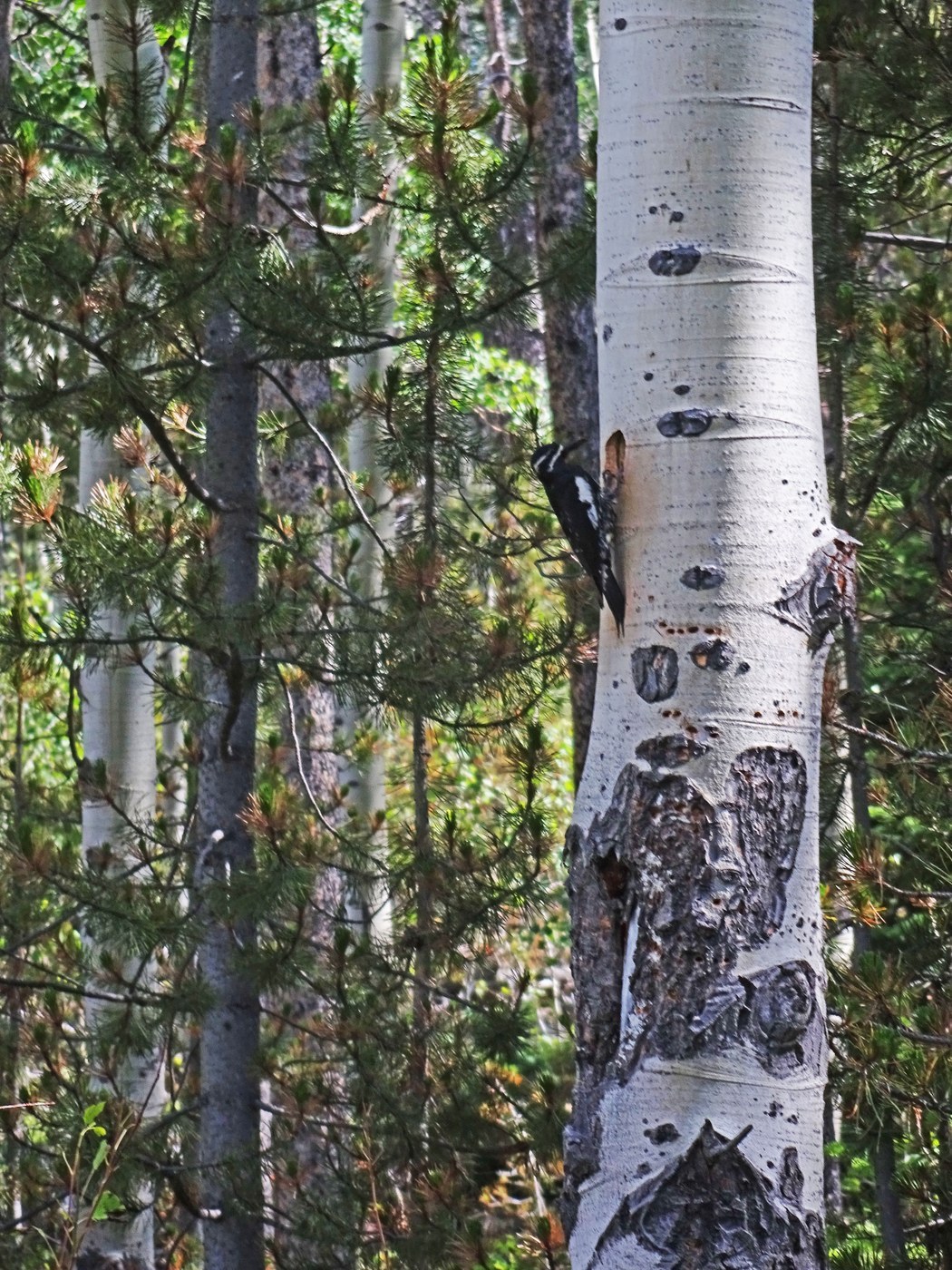
Williamson's Sapsucker
Strongly sexually dimorphic body feathers, glossy black or finely barred brown

Yellow-crowned Woodpecker
Contour and flight feathers

White Woodpecker
Mostly white body feathers with contrasting black wings and back

Red-throated Wryneck
Soft, cryptically mottled contour feathers

White-bellied Woodpecker
Large, glossy black contour and flight feathers

White-backed Woodpecker
Barred back feathers rather than a solid white patch
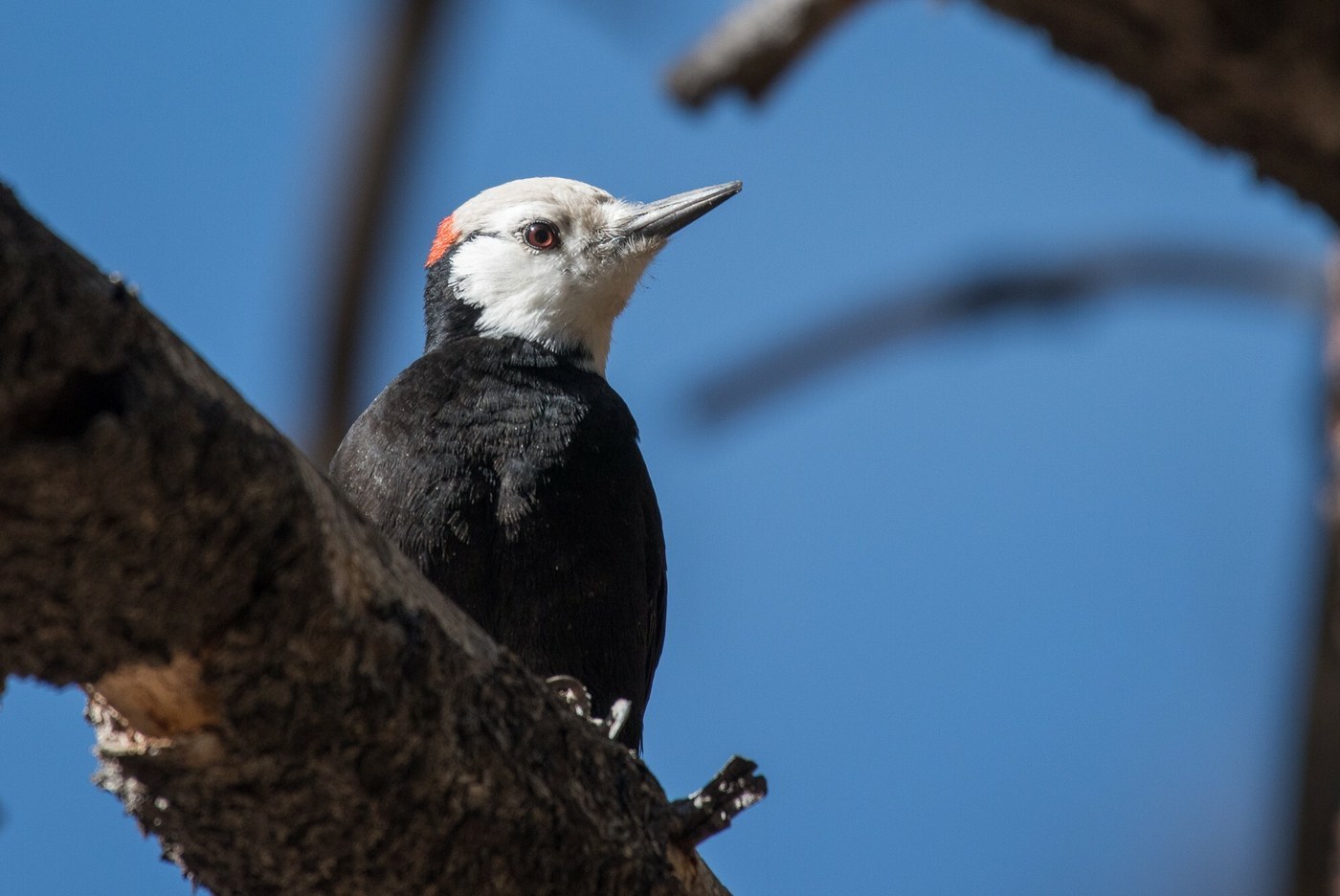
White-headed Woodpecker
Solid black body feathers with an entirely white head