

Garganey
Spatula querquedula
A small, strongly migratory Eurasian dabbling duck; breeding males show a bold white eyebrow stripe and long, drooping striped scapular feathers, while females resemble other small brown teal.
- Feather type
- Contour and elongated scapular feathers
- Colours
- Brown head with white eyebrow stripe (male); mottled brown (female); blue-gray forewing patch
- Bird size
- Small duck, ~39 cm
Found a feather like this?
Identify any feather from a photo, free.
Overview
The Garganey is a small, highly migratory dabbling duck that breeds across temperate Eurasia and undertakes long migrations to winter in Africa and southern Asia, appearing only briefly on temperate breeding wetlands each year. Breeding males are unmistakable, with a bold facial stripe and ornamental elongated feathers over the folded wing.
Identifying the Feather
The single most diagnostic feather feature of the breeding male is a set of elongated, drooping scapular feathers overhanging the folded wing, striped in black, white, and gray—a pattern not shared by any other regularly occurring small dabbling duck in its range. Head feathers are rich brown marked by a bold white supercilium stripe curving from the eye back toward the nape. Flank feathers are finely vermiculated pale gray. The upperwing covert feathers form a pale blue-gray patch bordered by white and a green speculum. Females are mottled brown, similar to other female teal, but show a somewhat more contrasting face pattern with a pale spot at the base of the bill.
Plumage & Molt
Strong sexual dimorphism in breeding males; eclipse males resemble females, losing the ornamental scapulars and bold facial stripe outside the breeding season. Juveniles resemble adult females.
Habitat & Range
Breeds on shallow freshwater wetlands, flooded grassland, and marshes across temperate Europe and Asia. Undertakes long-distance migration to winter primarily in sub-Saharan Africa and southern Asia, with the species largely absent from its breeding range outside the short breeding season.
Behavior & Field Notes
Feeds by dabbling and filtering small seeds and invertebrates from the water's surface and shallow mud. Highly migratory, forming large flocks on passage and on wintering grounds. Nests on the ground near water. Males give a distinctive dry, rattling call during courtship display, quite different from typical duck quacks.
Frequently asked questions
What is the most distinctive feather of a breeding male Garganey?
Long, drooping scapular feathers striped in black, white, and gray that hang over the folded wing, unique among regularly occurring small ducks in its range.
How can you identify a female Garganey?
She is mottled brown like many other female teal, but shows a somewhat more contrasting face pattern with a pale spot near the bill base.
Where does the Garganey spend the winter?
Primarily in sub-Saharan Africa and southern Asia, after a long migration from its Eurasian breeding grounds.
Why is it sometimes called the "cricket teal"?
The rattling, insect-like call given by breeding males during courtship display resembles a cricket's chirp.
Garganey guides
In-depth guides for identifying and understanding Garganey.

Other feathers you may enjoy

Mallard
Wing (speculum), body, and tail feathers

Spectacled Eider
Large sea-duck body feathers with distinctive eye-ring patches

Canada Goose
Body and flight feathers
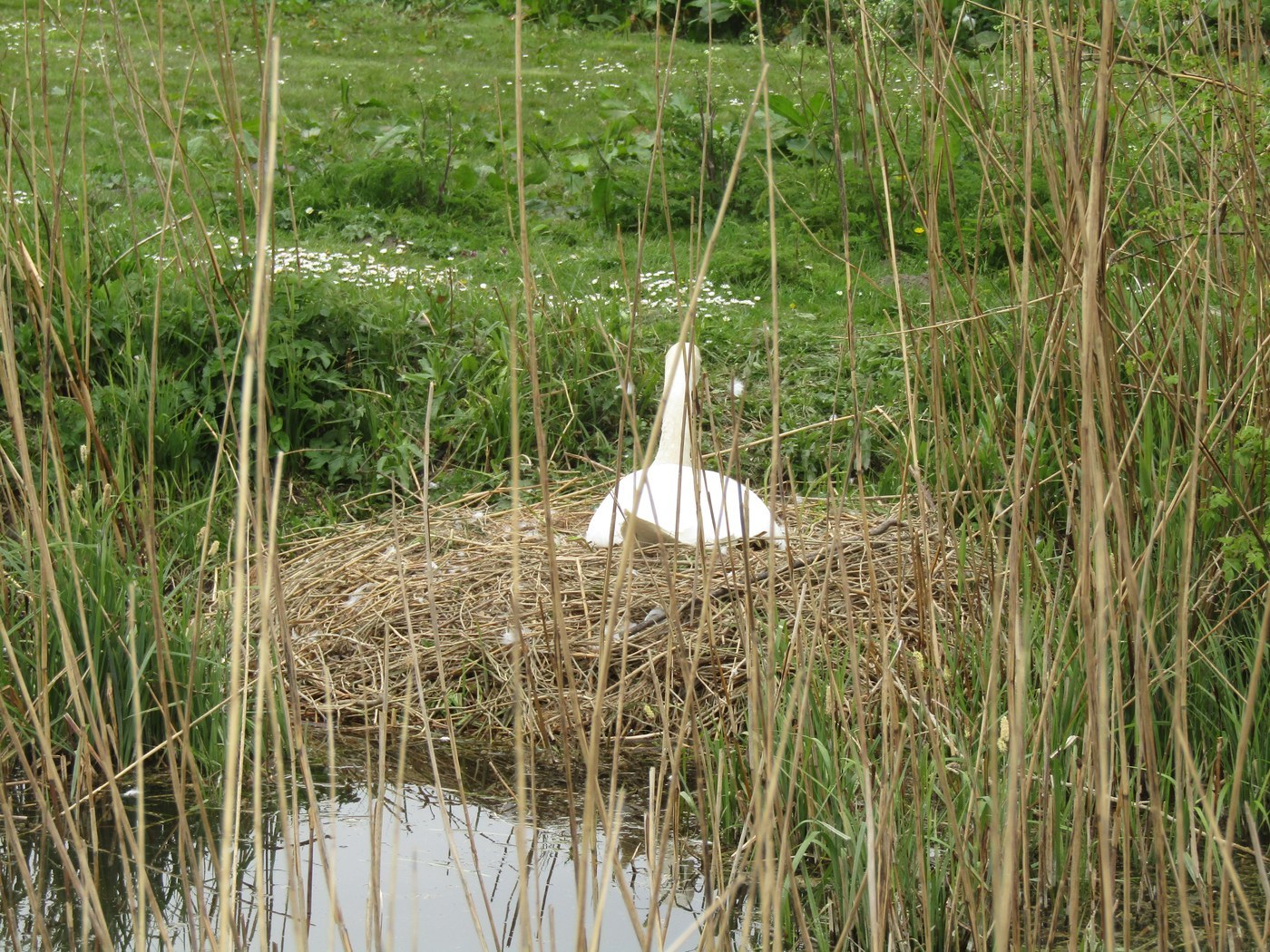
Mute Swan
Body (contour) and flight feathers

Wood Duck
Iridescent crest feathers; ornate scapular and flank feathers; white teardrop facial feathers (female)
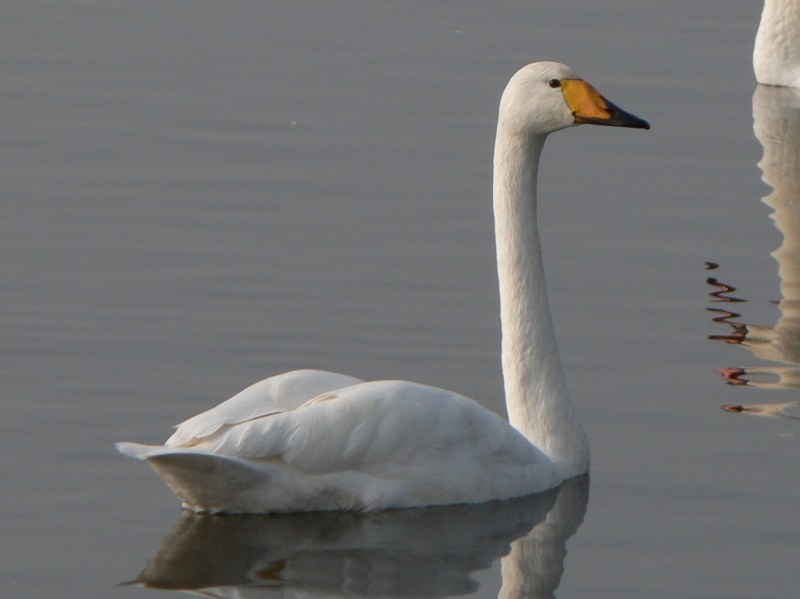
Whooper Swan
Contour and flight feathers

White-winged Scoter
Large sea-duck body feathers with a white wing patch

Ruddy Duck
Stiff tail feathers and compact body plumage

Ross's Goose
Contour and flight feathers

White-cheeked Pintail
Contour and elongated tail feathers

Torrent Duck
Dense, sleek contour feathers; stiff, pointed tail feathers used for bracing against rocks

Tundra Swan
Contour and flight feathers