

Cream-colored Woodpecker
Celeus flavus
An unusually pale Amazonian woodpecker, clothed almost entirely in a uniform creamy-straw color rather than the bold contrast typical of most woodpeckers.
- Feather type
- Contour, crest, and flight feathers
- Colours
- Entirely pale creamy-buff plumage, shaggy crest
- Bird size
- Medium-large woodpecker, ~24-26 cm
Found a feather like this?
Identify any feather from a photo, free.
Overview
The Cream-colored Woodpecker is one of the most distinctively colored woodpeckers in the world, found in lowland rainforest across the Amazon basin. Rather than the bold black-and-white or spotted patterns typical of most woodpeckers, it is clothed almost entirely in a soft, uniform creamy-straw tone.
Its shaggy crest and pale coloring make it unmistakable within its range once seen clearly.
Identifying the Feather
- Body feathers are a uniform pale creamy-buff to straw color, with minimal contrast or pattern across most of the plumage
- A shaggy, somewhat disheveled crest tops the crown, adding texture to the otherwise smooth pale coloring
- Males show a red malar stripe, the main area of bright color contrast in an otherwise pale bird
- Wing feathers may show a subtly darker tone than the body but remain within the same pale color family
- Tail feathers are darker than the body, providing some contrast at the rear of the bird
Plumage & Molt
Males show a red malar stripe; females lack red and show an entirely pale face. Juveniles are similarly pale, perhaps slightly duller. A single molt follows the breeding season, with the pale plumage remaining fairly consistent year-round.
Habitat & Range
- Found across lowland Amazonian rainforest in Brazil and neighboring countries
- Favors mature rainforest and adjacent forest types within the Amazon basin
- Resident, non-migratory
Behavior & Field Notes
This species forages on trunks and branches within the forest canopy and mid-story, taking insects including ants and termites. Its calls are distinctive, and it is often located by voice within dense rainforest before being seen. Nest cavities are excavated in dead wood, sometimes within active termite or ant nests in trees.
Frequently asked questions
Why is this species colored so differently from most woodpeckers?
It shows a uniform pale creamy-straw plumage across most of the body, quite unlike the bold black-and-white or spotted patterns typical of most woodpeckers.
How can males be told from females?
Males show a red malar stripe on the face; females lack red and have an entirely pale face.
What habitat does it require?
Mature lowland rainforest within the Amazon basin, rather than open or secondary habitat.
Does it nest in ordinary dead wood?
It excavates cavities in dead wood, sometimes in association with arboreal termite or ant nests within trees.
Cream-colored Woodpecker guides
In-depth guides for identifying and understanding Cream-colored Woodpecker.

Other feathers you may enjoy

Ivory-billed Woodpecker
Very large flight feathers with a solid white trailing patch

Great Slaty Woodpecker
Massive, uniformly colored contour feathers

Yellow-tufted Woodpecker
Black body feathers with bright yellow forehead tufts

Magellanic Woodpecker
Very large, glossy contour feathers with a recurved crest

Yellow-bellied Sapsucker
Black-and-white patterned back and facial-stripe feathers
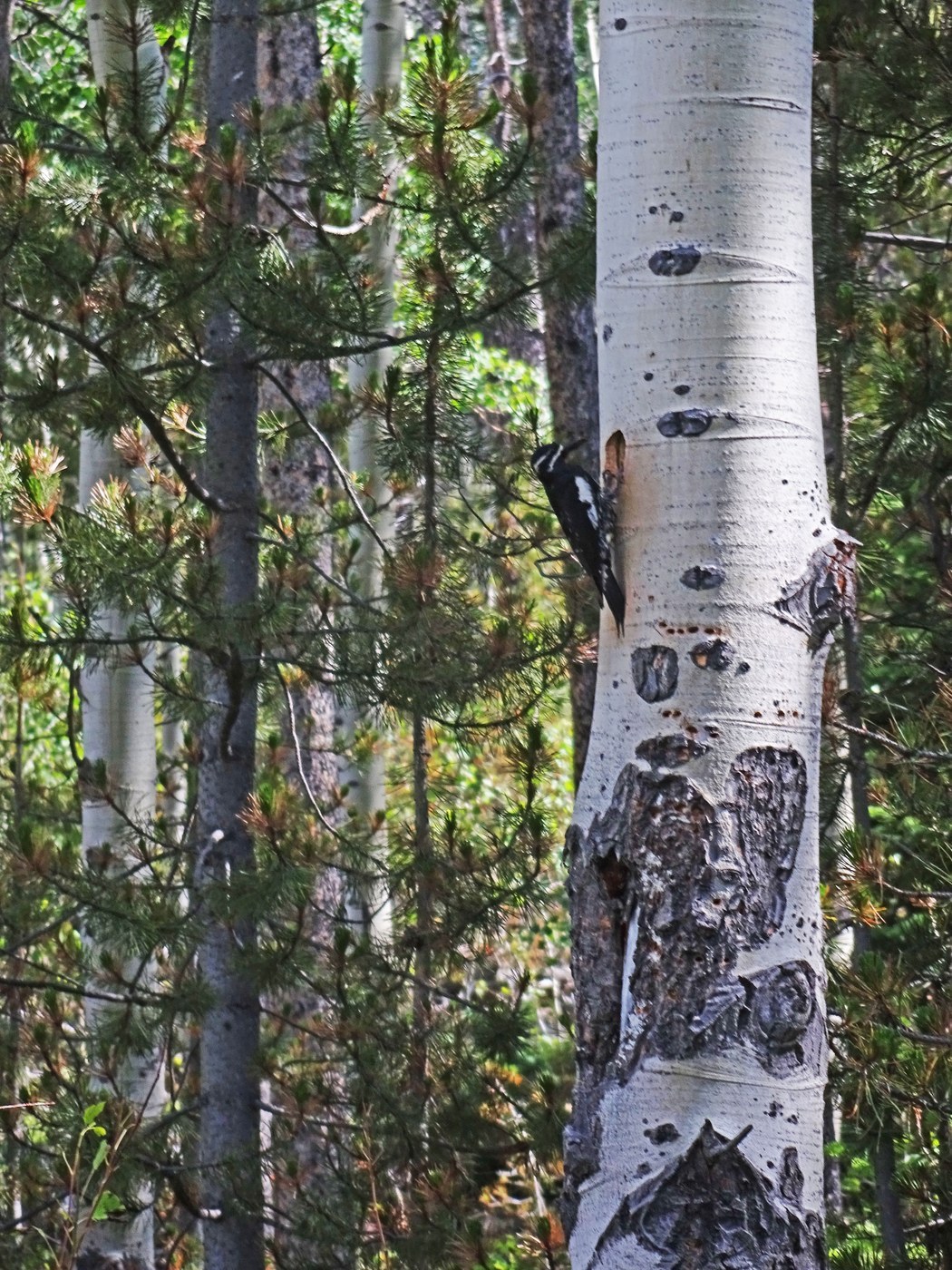
Williamson's Sapsucker
Strongly sexually dimorphic body feathers, glossy black or finely barred brown

Yellow-crowned Woodpecker
Contour and flight feathers

White Woodpecker
Mostly white body feathers with contrasting black wings and back

Red-throated Wryneck
Soft, cryptically mottled contour feathers

White-bellied Woodpecker
Large, glossy black contour and flight feathers

White-backed Woodpecker
Barred back feathers rather than a solid white patch
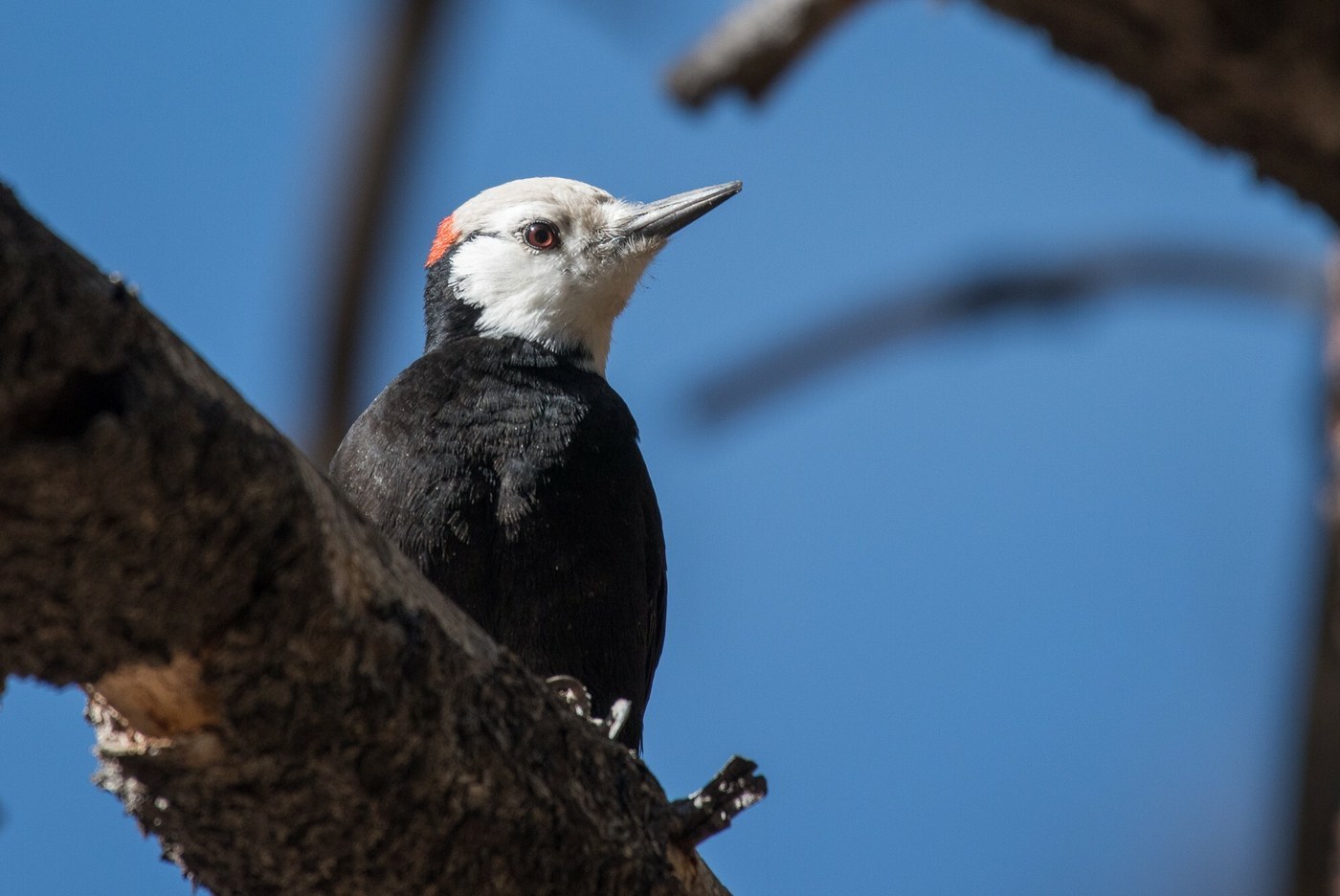
White-headed Woodpecker
Solid black body feathers with an entirely white head