
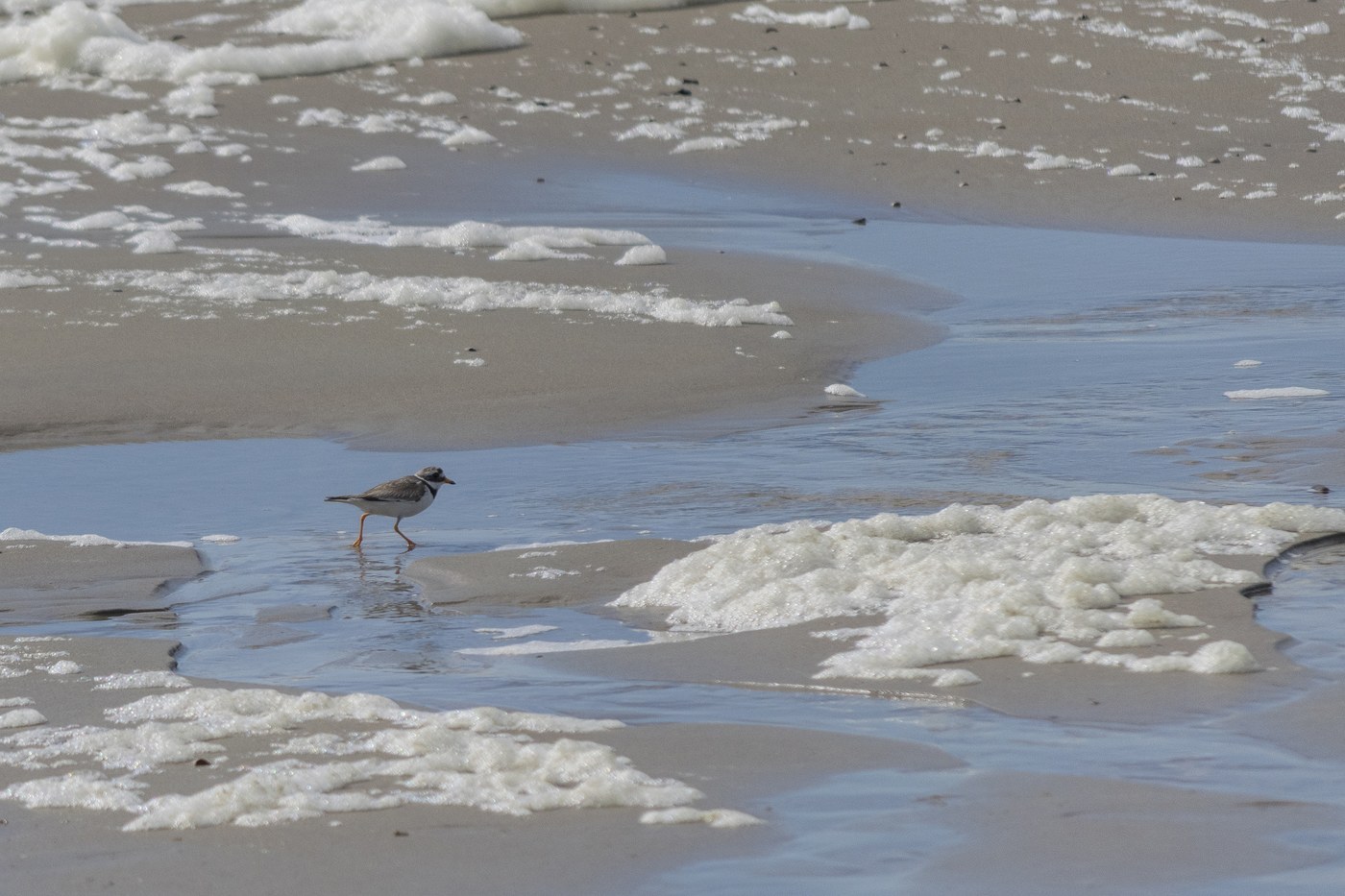
Common Ringed Plover
Charadrius hiaticula
The Eurasian counterpart to the Semipalmated Plover, a small brown-and-white plover with a single black breast band, breeding across the Arctic and temperate coasts of the Old World.
- Feather type
- Small, compact body feathers and moderately pointed flight feathers typical of ringed plovers
- Colours
- Brown upperparts, white underparts, and a single black breast band
- Bird size
- Small plover, ~18-20 cm
Found a feather like this?
Identify any feather from a photo, free.
Overview
The Common Ringed Plover is the Old World counterpart to the Semipalmated Plover of the Americas, sharing an almost identical plumage of brown upperparts, white underparts, and a single black breast band. It breeds across a broad swath of the Arctic and temperate coasts of Europe and Asia, including Greenland, and winters along the coasts of western Europe and Africa.
Because the two species are so similar in plumage, feather-based identification often relies heavily on geographic range: Common Ringed Plover feathers are expected in Europe, Asia, and Greenland, while Semipalmated Plover is the expected species across most of the Americas. Subtle differences in overall proportions exist between the species but are not reliably assessed from feathers alone.
A single-banded, brown-and-white plover feather found along a European, Asian, or Greenlandic shoreline or tundra edge is a good indicator of this species.
Identifying the Feather
Shape and Size
Body feathers are small and compact, with moderately pointed flight feathers, consistent with a plover in the 18-20 cm range, slightly larger on average than the closely related Semipalmated Plover.
Color and Pattern
- Upperparts are plain grayish-brown.
- Underparts are white, crossed by a single, complete black breast band.
- A dark facial mask crosses through the eye, bordered above by a white forehead patch.
- Flight feathers show a bold white wing stripe, often slightly more pronounced than in Semipalmated Plover.
Shaft and Vane
Shafts are pale on white underpart feathers and brownish on upperpart feathers.
Distinguishing from Similar Species
This species is essentially identical in feather pattern to the Semipalmated Plover of the Americas; range is the most practical distinguishing tool, with Common Ringed Plover expected in Europe, Asia, and Greenland. Compared to Little Ringed Plover, this species lacks a yellow eye-ring and shows a bolder white wing stripe in flight feathers.
Plumage & Molt
Adults show grayish-brown upperparts, white underparts with a single black breast band, and a dark facial mask bordered by a white forehead patch. Sexes are similar, with males often showing a slightly bolder mask and band. Juveniles show a duller, sometimes incomplete band and softer facial pattern. Molt occurs mainly after breeding, with a partial molt refreshing body feathers before spring migration.
Habitat & Range
The Common Ringed Plover breeds across the Arctic and temperate coasts of Europe and Asia, including Greenland and Iceland, and winters along the coasts of western Europe and throughout much of Africa. It occupies sandy and shingle beaches, estuaries, and tundra edges during breeding, and coastal mudflats and beaches in winter. It is a long-distance migrant across much of its range.
Behavior & Field Notes
This plover forages with a characteristic run-stop-peck technique on beaches, mudflats, and tundra, taking small invertebrates from the surface. It often gathers in flocks with other shorebirds during migration and winter. Its call is a clear, fluty whistled note. Nests are simple scrapes on open shingle, sand, or tundra. For feather finders, a small brown-and-white feather with a single black breast band found along a European, Asian, or Greenlandic coastline is a good indicator of this species.
Frequently asked questions
How is this species related to the Semipalmated Plover?
The two are closely related and nearly identical in plumage; Common Ringed Plover occurs in Europe, Asia, and Greenland, while Semipalmated Plover is its counterpart in the Americas.
How can I tell this species from Little Ringed Plover?
Common Ringed Plover lacks the yellow eye-ring of Little Ringed Plover and shows a bolder white wing stripe in flight feathers.
Where does the Common Ringed Plover breed?
Across Arctic and temperate coasts of Europe and Asia, including Greenland and Iceland.
What kind of habitat should I check for this species' feathers?
Sandy and shingle beaches, estuaries, and tundra edges during breeding, and coastal mudflats in winter.
Common Ringed Plover guides
In-depth guides for identifying and understanding Common Ringed Plover.
Other feathers you may enjoy
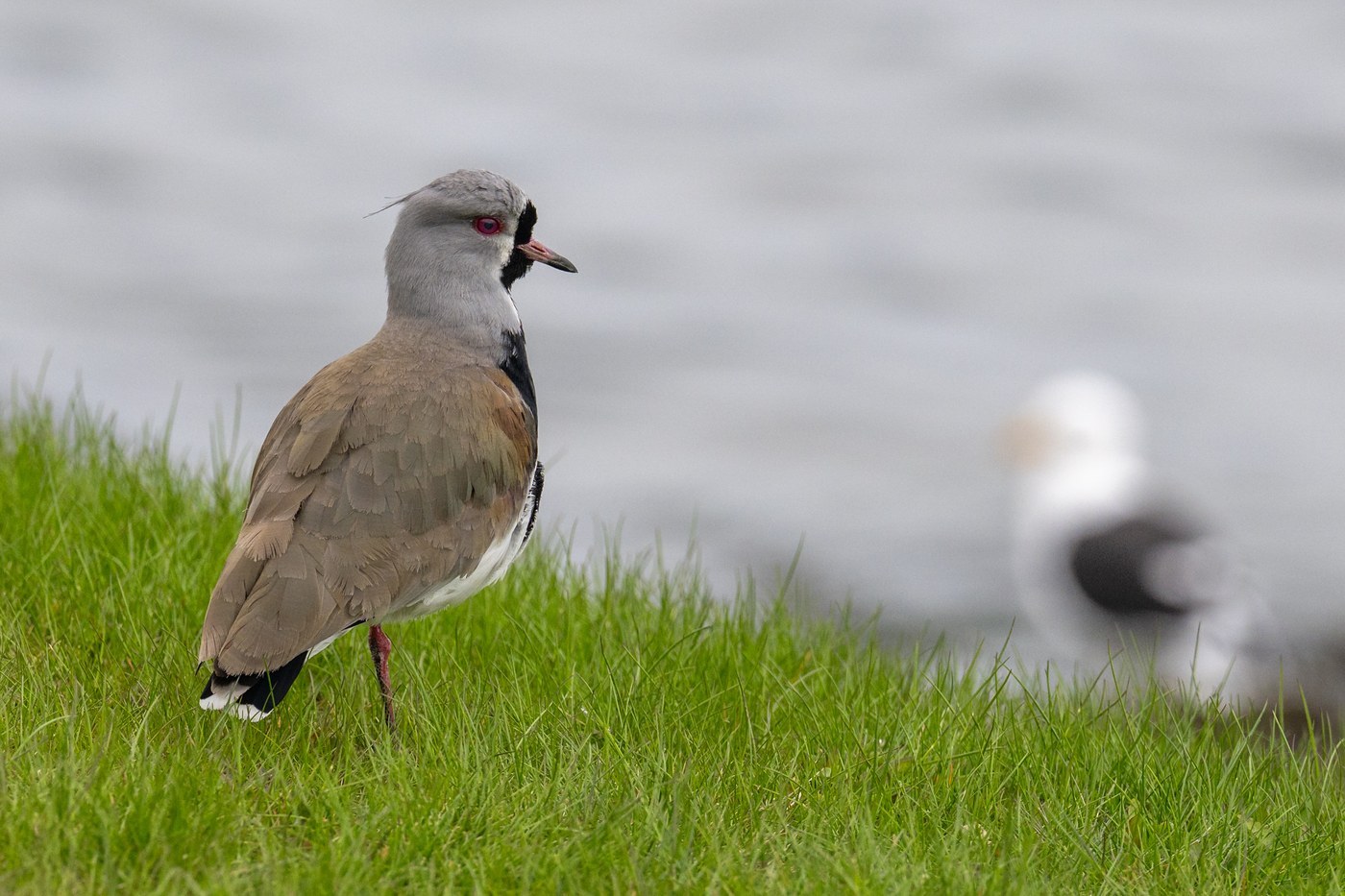
Southern Lapwing
Body, flight, and tail feathers

Jack Snipe
Body and flight feathers

Far Eastern Curlew
Body, flight, and tail feathers

Terek Sandpiper
Body and flight feathers

Wilson's Phalarope
Body and flight feathers

Long-billed Curlew
Body, flight, and tail feathers

Upland Sandpiper
Body, flight, and tail feathers

Red Phalarope
Body and flight feathers

Eurasian Dotterel
Body feathers
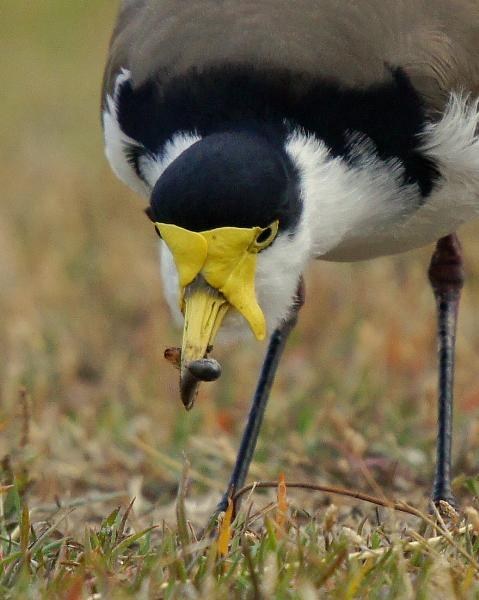
Masked Lapwing
Body, flight, and tail feathers
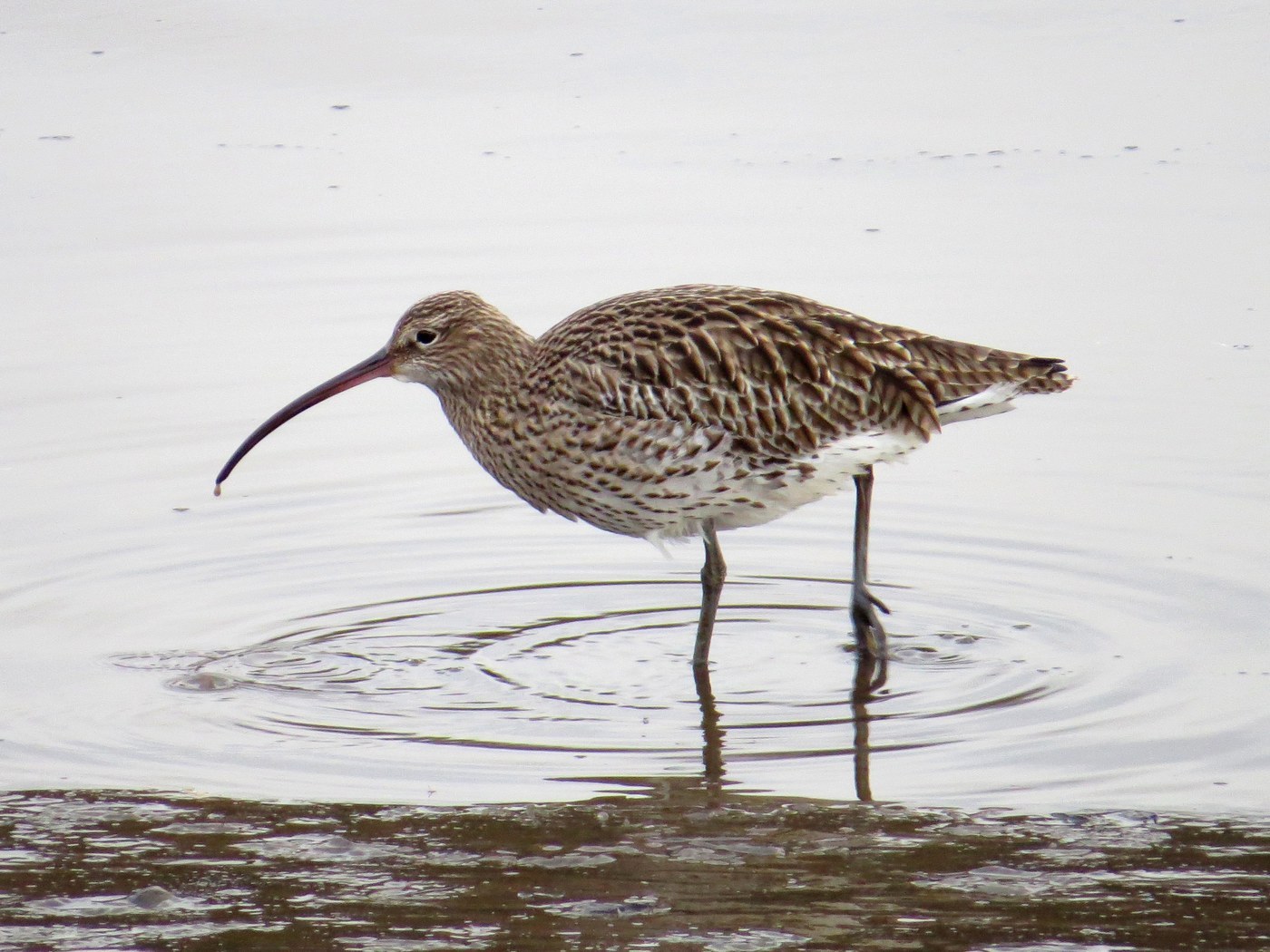
Eurasian Curlew
Body, flight, and tail feathers
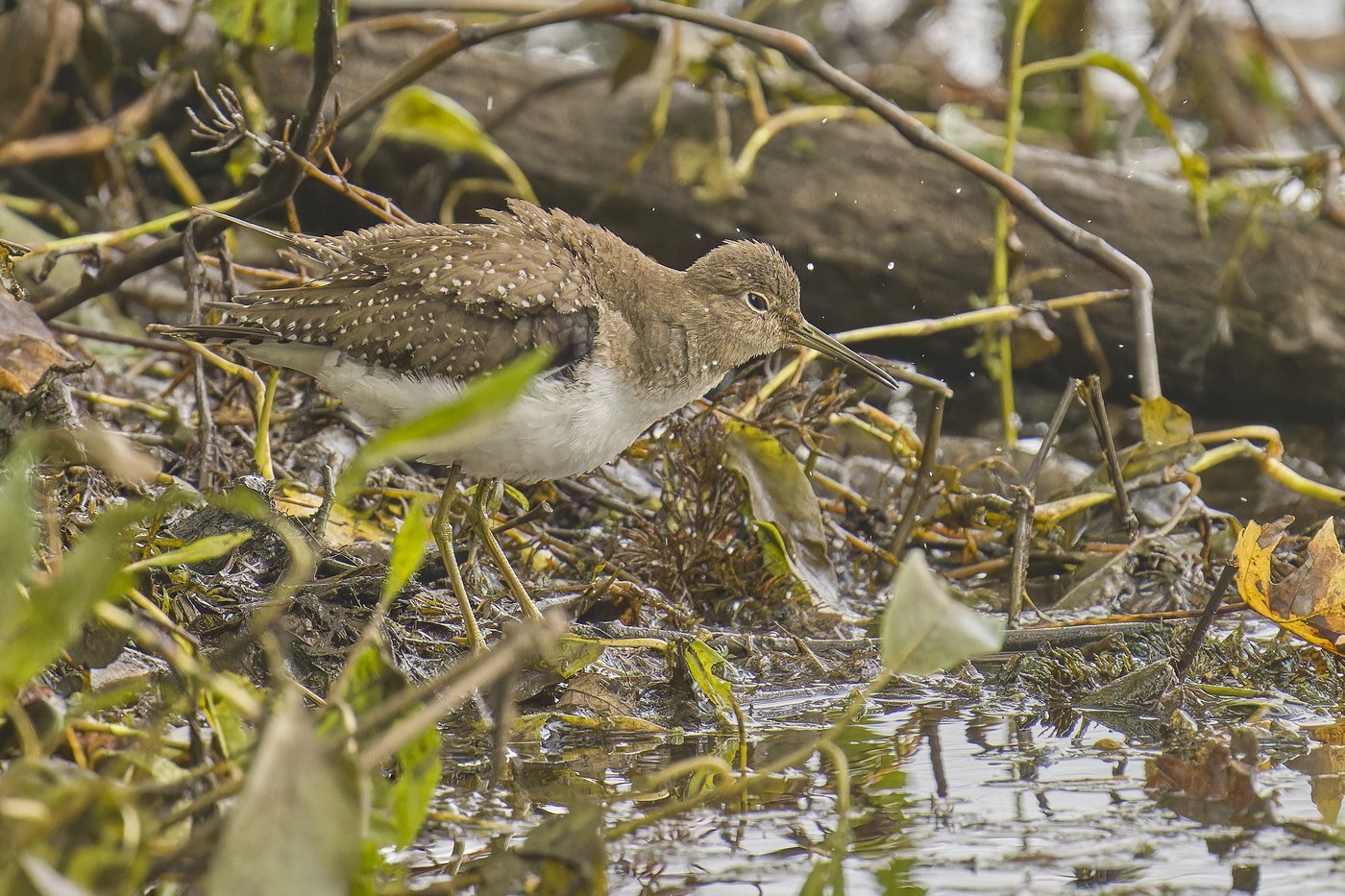
Solitary Sandpiper
Contour and flight feathers