
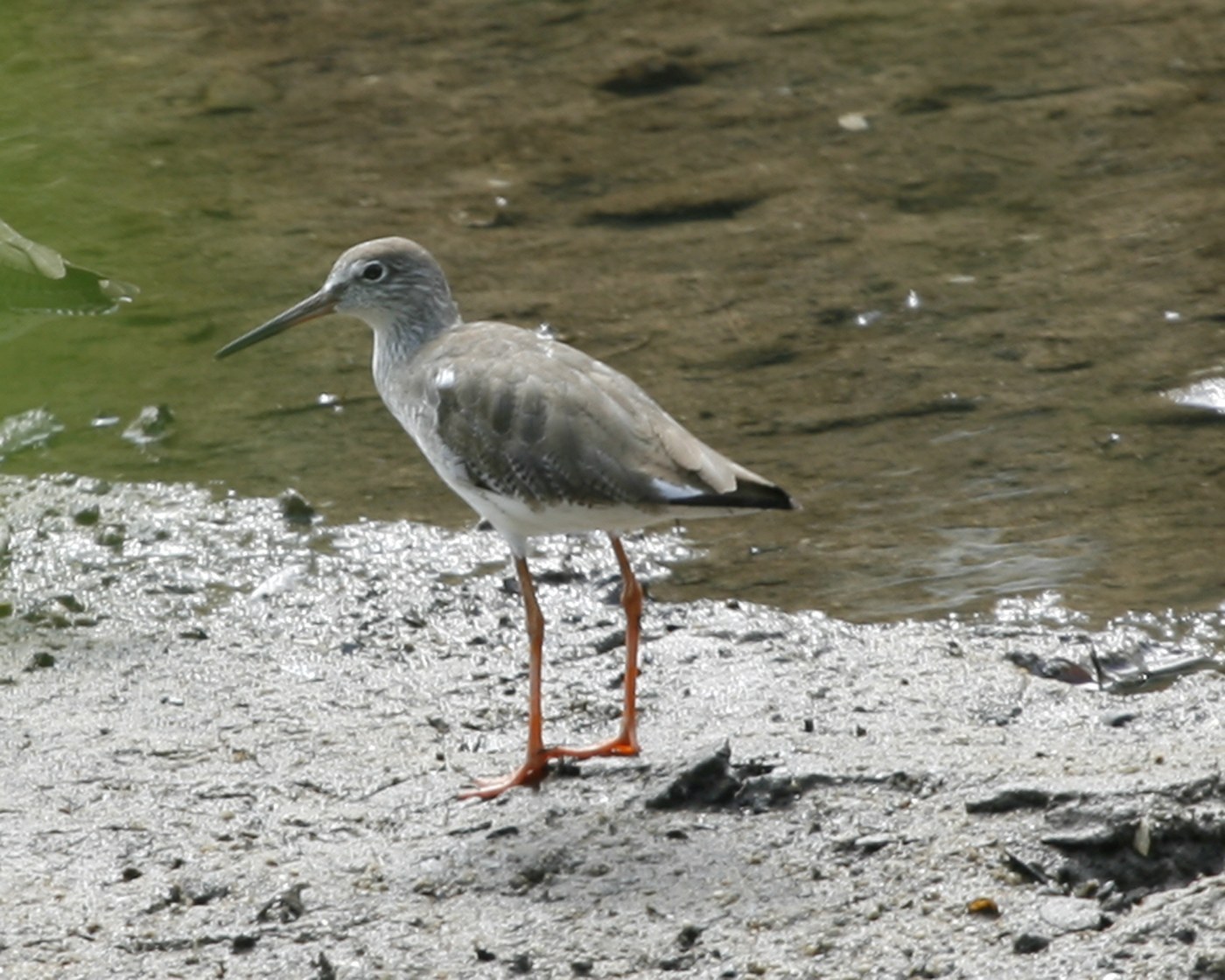
Common Redshank
Tringa totanus
A vocal, alert wader with bright orange-red legs and a bold white trailing edge to the wing that flashes conspicuously in flight.
- Feather type
- Contour and flight feathers
- Colours
- Brown-gray with dark markings, white wing trailing edge
- Bird size
- Medium sandpiper, ~27-29 cm
Found a feather like this?
Identify any feather from a photo, free.
Overview
Overview
The Common Redshank is a medium-sized shorebird best known for its bright orange-red legs and the broad white trailing edge on its secondary feathers, which flashes distinctly in flight. Upperparts are brownish-gray with dark streaking and mottling, while the underparts are paler with variable streaking depending on season. Often the first bird to call and flush at a wetland, it earns a reputation as a natural alarm system for other shorebirds.
It is widespread across Europe and Asia, favoring salt marshes, estuaries, and other open wetland habitats.
Identifying the Feather
Feather Identification
- Wing pattern: A broad white band across the trailing edge of the secondaries, highly conspicuous in flight and a key identification feature.
- Upperparts: Brownish-gray feathers with dark streaking and mottled centers, denser and darker in breeding plumage.
- Underparts: Whitish with fine dark streaking on the breast and flanks in breeding adults, becoming plainer in non-breeding plumage.
- Bill: Straight, with an orange-red base and dark tip, matching the leg color.
- Compared to similar species: The white trailing wing edge is unique among the Tringa sandpipers in this group, readily separating it from the Common Greenshank and Spotted Redshank.
Plumage & Molt
Plumage Notes
Breeding adults show darker, more heavily streaked upperparts and breast compared to the paler, plainer gray-brown non-breeding plumage. Sexes look alike. Juveniles show buffy fringes on the back and covert feathers, along with duller orange-yellow legs that brighten with age.
Habitat & Range
Habitat & Range
Common Redshanks breed across a broad swath of Europe and temperate Asia, favoring wet grasslands, salt marshes, and moorland edges near water. Many populations are migratory, wintering along coastal estuaries, mudflats, and salt marshes from western Europe to Africa and southern Asia, while some populations are resident year-round.
Behavior & Field Notes
Behavior & Field Notes
This species forages by probing and picking at mud and shallow water for small invertebrates, often in loose flocks on tidal flats. It is notably wary and vocal, giving a loud, piping "tew-hu-hu" alarm call that alerts other wetland birds to danger, a trait that has earned it the nickname of sentinel of the marshes among birdwatchers. Nesting occurs on the ground in grassy or marshy habitat, often well concealed among vegetation.
Frequently asked questions
What color are Common Redshank feathers?
Upperparts are brownish-gray with dark streaking, underparts are paler with variable streaking, and the wings show a broad white trailing edge in flight.
How can I identify a Common Redshank feather in flight?
Look for the broad white band along the trailing edge of the secondary feathers, a distinctive feature not shared by most other similar sandpipers.
Why is the Common Redshank called a sentinel of the marshes?
It is often the first bird to give a loud alarm call and flush when disturbed, alerting other wetland birds to potential danger.
Where would I find a Common Redshank feather?
Around salt marshes, estuaries, and mudflats across Europe, Africa, and Asia, depending on season.
Common Redshank guides
In-depth guides for identifying and understanding Common Redshank.
Other feathers you may enjoy
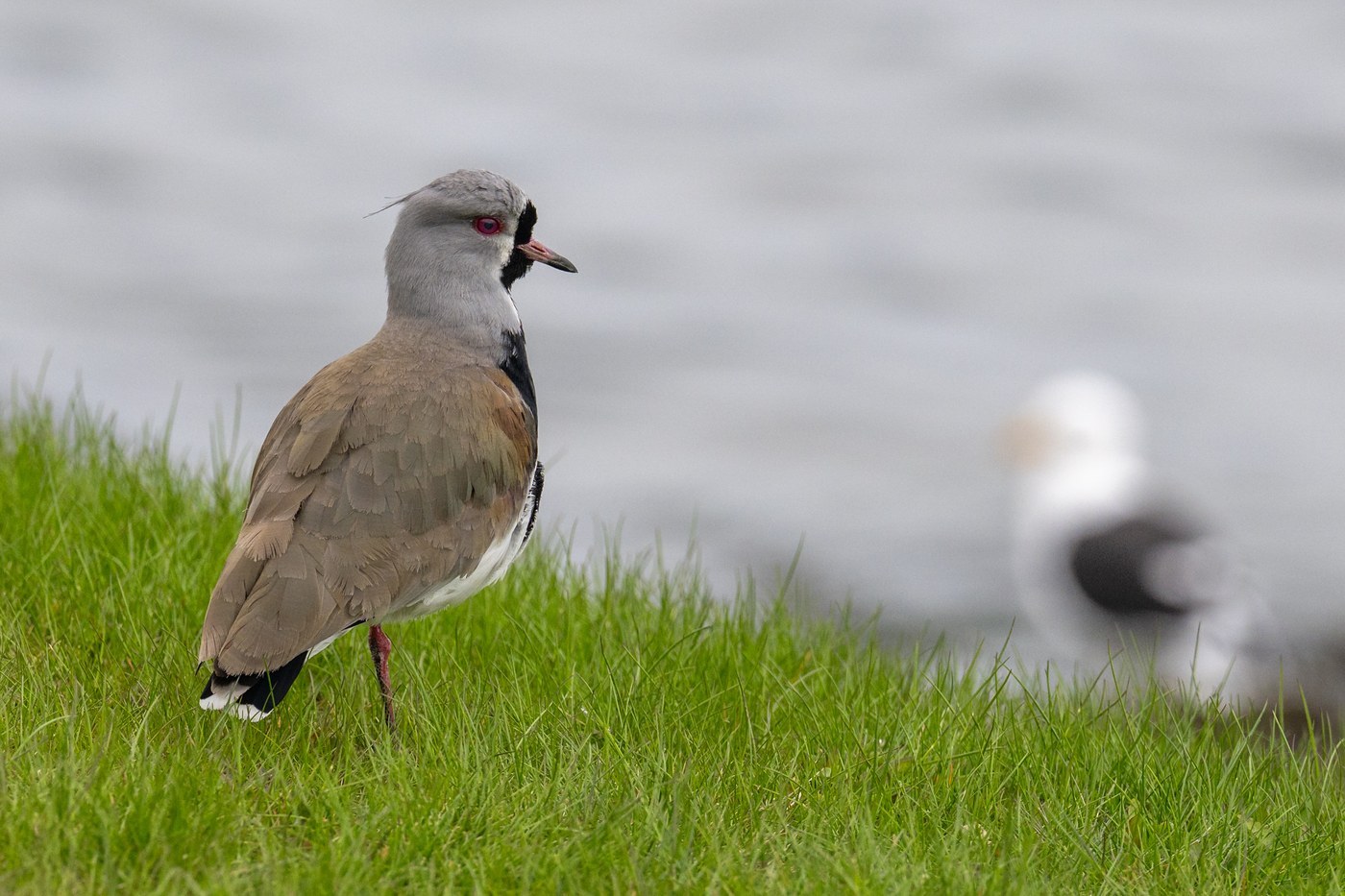
Southern Lapwing
Body, flight, and tail feathers

Jack Snipe
Body and flight feathers

Far Eastern Curlew
Body, flight, and tail feathers

Terek Sandpiper
Body and flight feathers

Wilson's Phalarope
Body and flight feathers
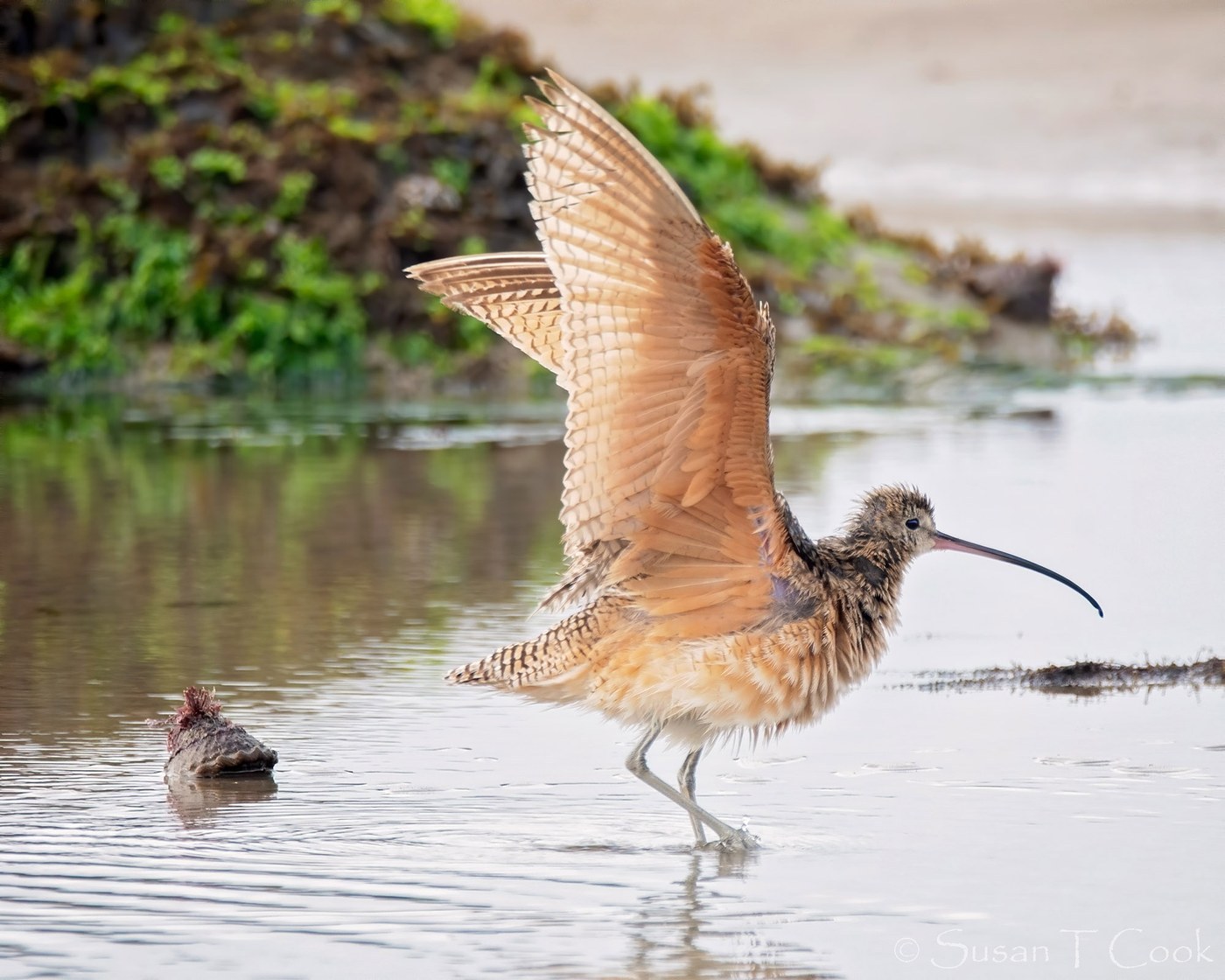
Long-billed Curlew
Body, flight, and tail feathers

Upland Sandpiper
Body, flight, and tail feathers

Red Phalarope
Body and flight feathers

Eurasian Dotterel
Body feathers
Masked Lapwing
Body, flight, and tail feathers
Eurasian Curlew
Body, flight, and tail feathers
Solitary Sandpiper
Contour and flight feathers