
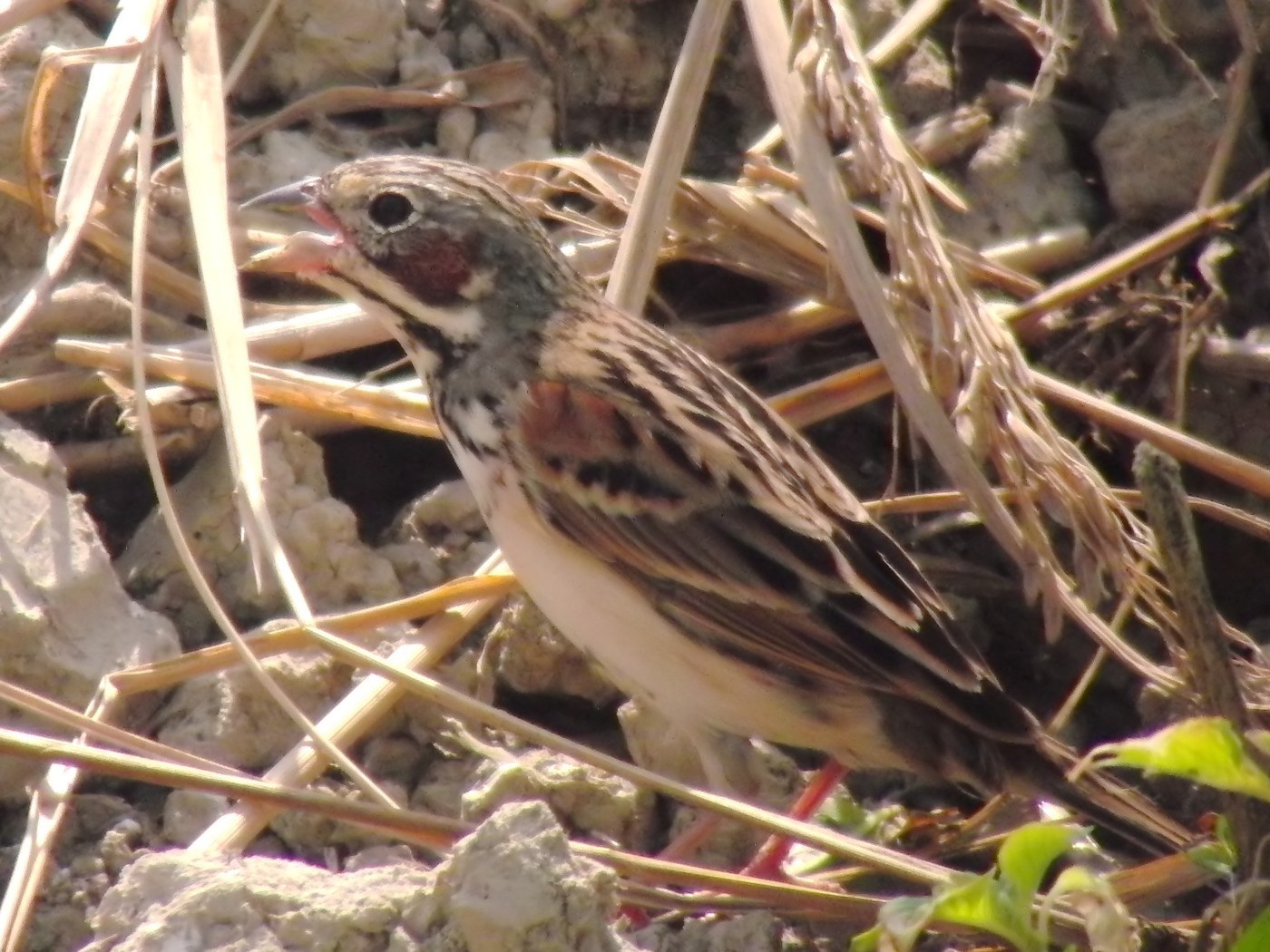
Chestnut-eared Bunting
Emberiza fucata
An East Asian bunting best known for its rusty ear patch and a dark necklace of spots across an otherwise grey breast.
- Feather type
- Streaked body feathers with rufous ear patch
- Colours
- Grey, chestnut, and streaked brown
- Bird size
- Sparrow-sized, ~15 cm
Found a feather like this?
Identify any feather from a photo, free.
Overview
Overview
The Chestnut-eared Bunting breeds across Siberia, Mongolia, and China, wintering in warmer parts of East and Southeast Asia. It is strongly associated with damp, grassy habitats such as marsh edges and paddies rather than dry scrub.
Its rufous ear coverts and necklace of dark breast spots set it apart from other grey-headed buntings.
Identifying the Feather
Feather Identification
- Ear coverts: rich chestnut, contrasting with a grey crown and nape.
- Breast: grey with a band of dark streaks forming a loose necklace above white underparts.
- Flanks: streaked with chestnut, echoing the ear-patch color.
- Upperparts: warm brown with dark streaking, typical bunting camouflage.
The rufous ear patch combined with the spotted necklace is the key combination separating this species from Black-faced or Grey-necked Buntings.
Plumage & Molt
Plumage Notes
Breeding males show the clearest expression of grey head, chestnut ear patch, and necklace of streaks. Females and non-breeding birds are paler and more diffusely marked, with the ear patch often reduced to a warm wash rather than a bold patch.
Juveniles are heavily streaked below and lack the clean grey head tone of adults. A single annual molt follows breeding, with wear through the winter softening the contrast before spring.
Habitat & Range
Habitat & Range
The species breeds from Siberia and Mongolia through northern China and Japan, favoring wet meadows, riverside grass, and marsh margins. Winter range extends south into southern China and parts of Southeast Asia.
Most populations are migratory, moving to lower and warmer wetlands and agricultural land, including rice paddies, outside the breeding season.
Behavior & Field Notes
Behavior & Field Notes
This bunting forages low in grass and reeds for seeds and insects, often perching on grass stems or low shrubs to sing. It tends to be less shy than some buntings, sometimes feeding in the open at paddy edges.
Nests are built low in dense grass or marsh vegetation. The song is a thin, buzzy series of notes. Observers should check for the chestnut ear patch and streaked necklace, both useful even on duller winter birds.
Frequently asked questions
What feather feature best identifies a Chestnut-eared Bunting?
A chestnut ear patch combined with a band of dark streaks across the grey breast, forming a loose necklace, is the most reliable combination.
Is this bunting found in dry habitats?
No, it favors damp grassland, marsh edges, and rice paddies rather than the arid scrub preferred by some related buntings.
How can I tell a non-breeding bird from a breeding male?
Non-breeding birds show a paler, less contrasting ear patch and softer streaking, lacking the crisp grey-and-chestnut pattern of breeding males.
Does this species migrate?
Yes, most populations breed in Siberia, Mongolia, and northern China, then winter farther south in warmer parts of East and Southeast Asia.
Chestnut-eared Bunting guides
In-depth guides for identifying and understanding Chestnut-eared Bunting.
Other feathers you may enjoy

Yellow-breasted Bunting
Contour and flight feathers, chestnut-and-yellow breeding pattern
Sedge Wren
Tiny streaked crown and back feathers

Yellow-winged Cacique
Glossy black body feathers, yellow wing patch, shaggy crest

Yellow Warbler
Small contour and flight feathers
Yellow-throated Warbler
Small contour and flight feathers
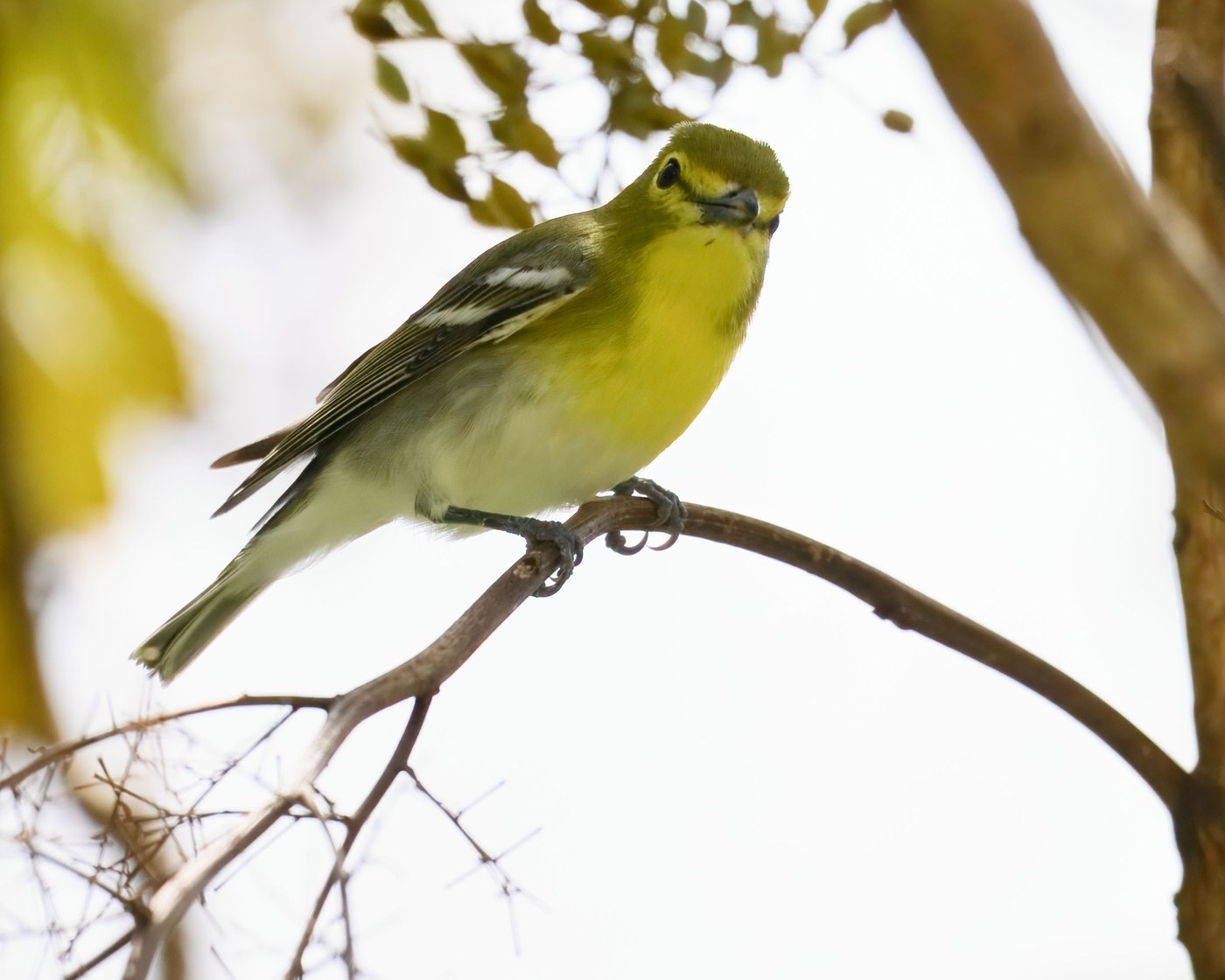
Yellow-throated Vireo
Bright yellow throat and spectacle feathers; olive-green back feathers; two white wing-bar feathers

Yellow-rumped Warbler
Small contour and flight feathers
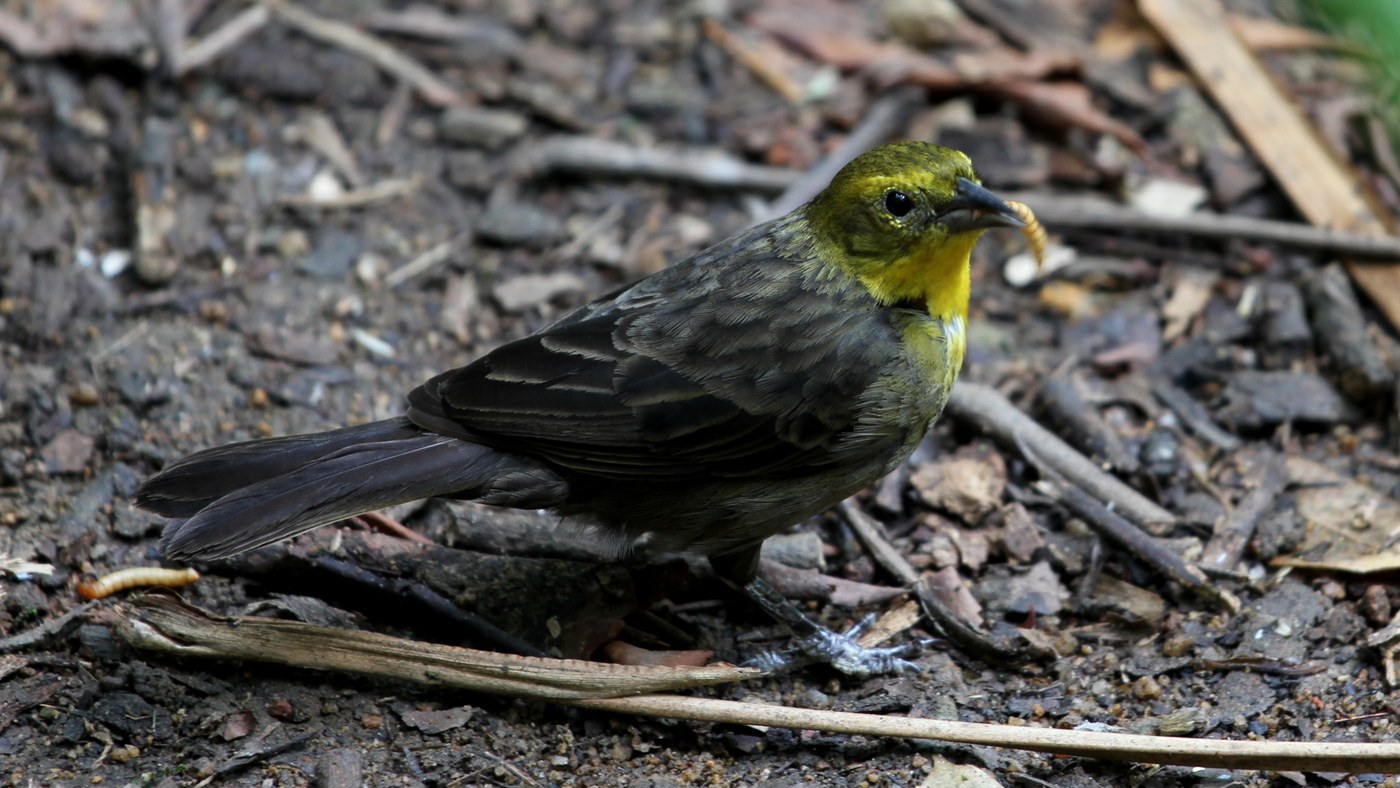
Yellow-hooded Blackbird
Contrasting hood and body feathers
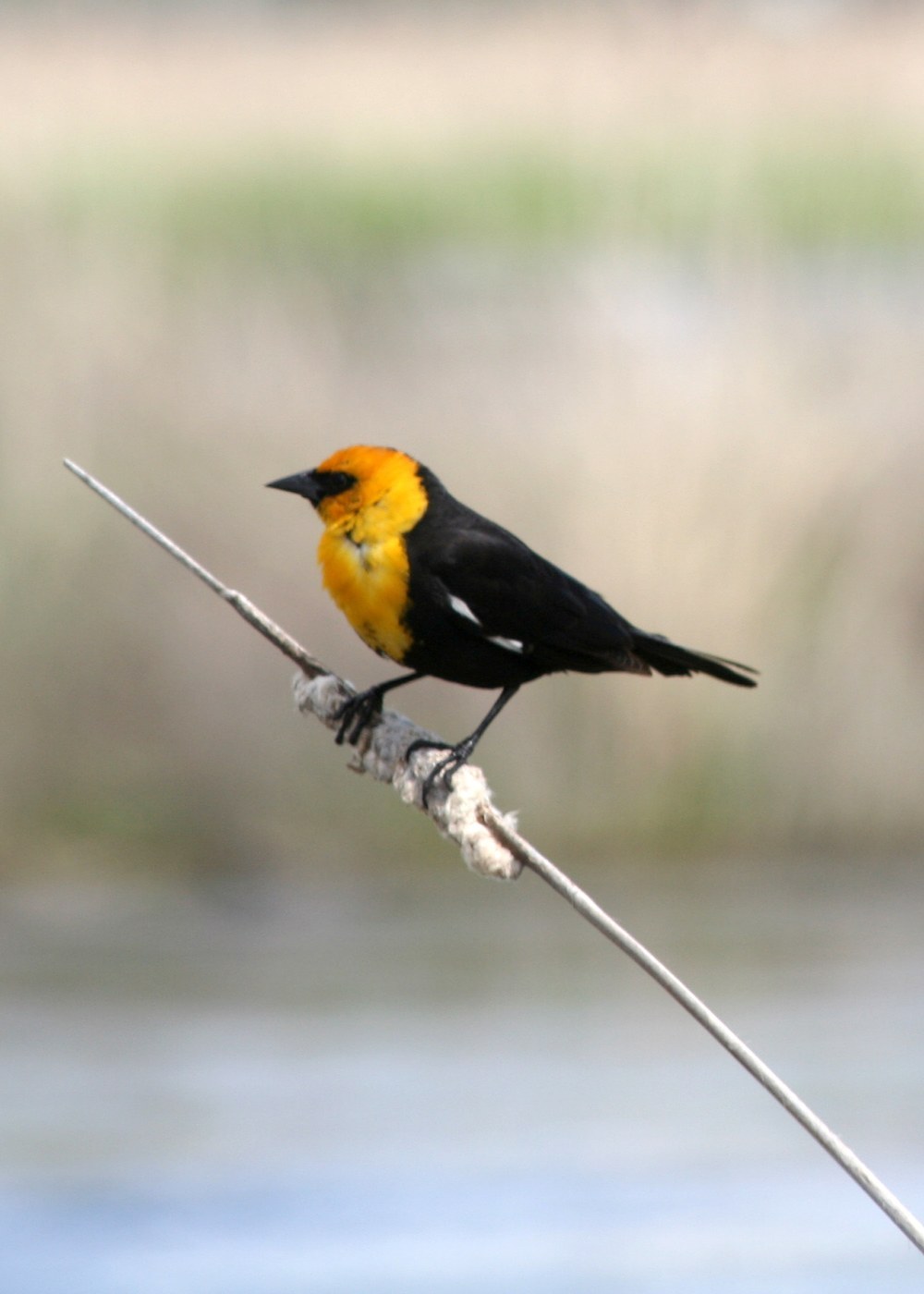
Yellow-headed Blackbird
Glossy black body plumage with a bright yellow head and breast

Yellow-eyed Junco
Contour and flight feathers

Yellow-fronted Canary
Small, smooth body plumage

Yellow-breasted Greenfinch
Compact, smooth body plumage