
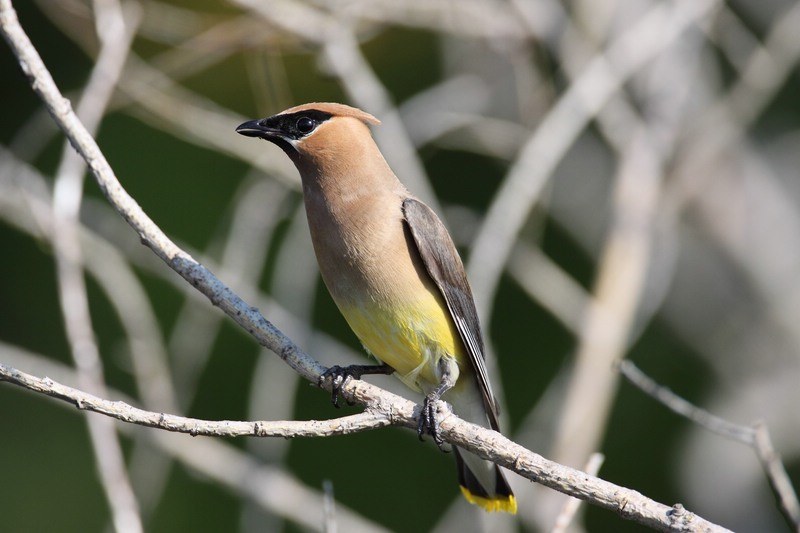
Cedar Waxwing
Bombycilla cedrorum
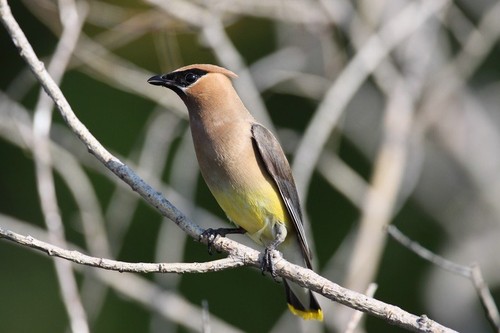
A sleek, crested bird best known for the small, waxy red tips on its secondary wing feathers, paired with a soft brown-to-gray body and a bright yellow band across the tail tip.
- Feather type
- Sleek contour feathers with waxy red tips
- Colours
- Soft brown, gray, pale yellow belly, black mask, red waxy tips
- Bird size
- Medium, ~15-18 cm
Found a feather like this?
Identify any feather from a photo, free.
Overview
The Cedar Waxwing is a smooth, silky-plumaged bird that travels in nomadic flocks following fruiting trees and shrubs across much of North America. Its feathers show a soft gradient from warm brown on the head and chest to pale gray on the wings and back, with a pale yellow belly, and are famous for the small, waxy red droplet-like tips on some wing feathers that give the species its name. A bright yellow band across the tip of the tail feathers is another signature feature.
Identifying the Feather
Size and Shape
Feathers are sleek and smooth-edged with little visible barring, giving the plumage a uniform, silky appearance; the crest feathers on the head are elongated and pointed.
Color and Pattern
- Head and breast feathers: warm brown, fading to gray on the back and wings
- Belly feathers: pale yellow
- Tail feathers: gray-brown with a bright yellow terminal band
- Secondary wing feathers: often tipped with small, waxy red appendages, though not every individual shows these
Distinguishing from Similar Species
The combination of a silky, unbarred texture, yellow tail band, and waxy red wing-tip droplets (when present) is unique to waxwings; no other North American songbird shares this exact combination. Bohemian Waxwing feathers are grayer overall with a rusty undertail, distinguishing them from the more uniformly brownish Cedar Waxwing.
Plumage & Molt
Sexes look similar, both showing the warm brown head and chest fading to gray, a black mask, and a yellow-tipped tail; the waxy red tips on the wing feathers develop with age and are more prevalent and pronounced in older birds. Juveniles are duller and streaked below, lacking the smooth adult pattern and often lacking waxy tips altogether. Adults undergo a complete molt after the breeding season.
Habitat & Range
Cedar Waxwings breed across southern Canada and the northern United States, and range more broadly across the continental US in winter, tracking the availability of fruiting trees and shrubs. The species is highly nomadic, with movements driven more by food supply than by fixed migratory routes, and can appear irregularly wherever berry crops are abundant.
Behavior & Field Notes
This species feeds heavily on fruit and berries year-round, supplementing its diet with insects, especially during the breeding season, and often takes insects in flight over water. Waxwings are highly social, traveling and feeding in tight flocks that move together between fruiting trees, sometimes passing berries beak-to-beak along a perched line of birds during courtship. Their call is a high, thin, trilled whistle, and they build a cup nest in trees, often nesting later in the season than many other songbirds to coincide with summer fruit abundance.
Frequently asked questions
What are the waxy red tips on Cedar Waxwing feathers?
They are small, waxy, red droplet-like appendages on the tips of some secondary wing feathers, more common and pronounced in older birds.
How can I tell Cedar Waxwing feathers from Bohemian Waxwing feathers?
Cedar Waxwing feathers are more uniformly brownish with a pale yellow belly, while Bohemian Waxwing feathers are grayer with rusty undertail feathers.
Why does the Cedar Waxwing have a yellow tail band?
A bright yellow terminal band across the tail feathers is a signature field mark present in nearly all individuals.
Do Cedar Waxwings migrate on a fixed schedule?
No, their movements are largely nomadic, tracking the availability of fruiting trees and shrubs rather than following a strict migratory timetable.
Cedar Waxwing guides
In-depth guides for identifying and understanding Cedar Waxwing.
Cedar Waxwing identified by the community
Real feathers identified with Feather Identifier.


Other feathers you may enjoy

Yellow-breasted Bunting
Contour and flight feathers, chestnut-and-yellow breeding pattern
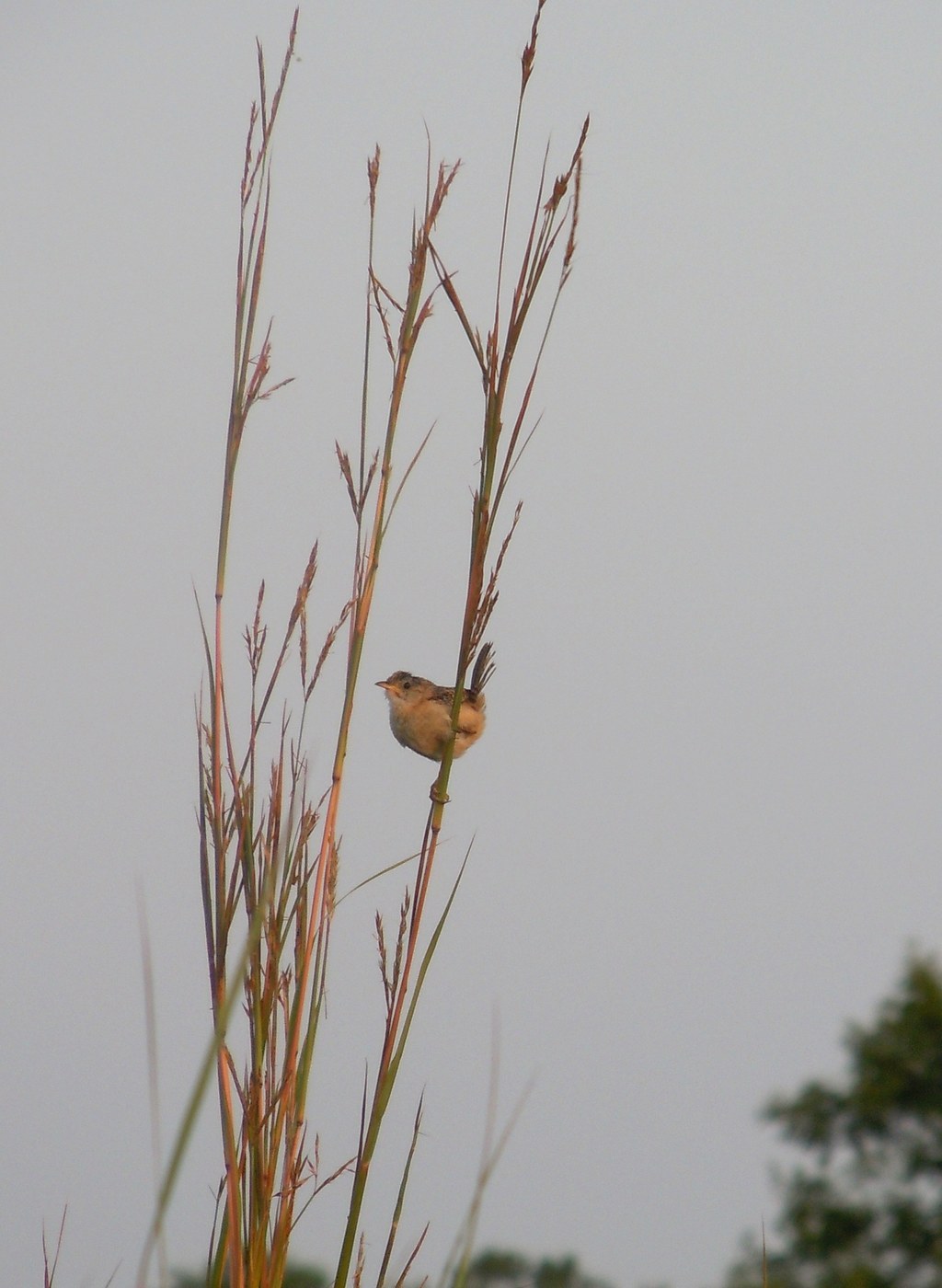
Sedge Wren
Tiny streaked crown and back feathers

Yellow-winged Cacique
Glossy black body feathers, yellow wing patch, shaggy crest

Yellow Warbler
Small contour and flight feathers
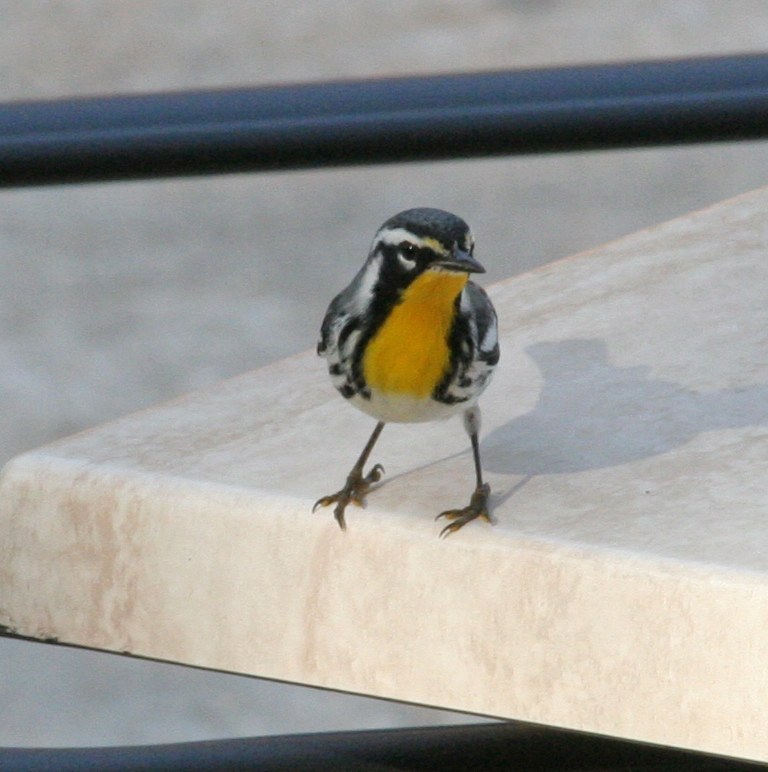
Yellow-throated Warbler
Small contour and flight feathers
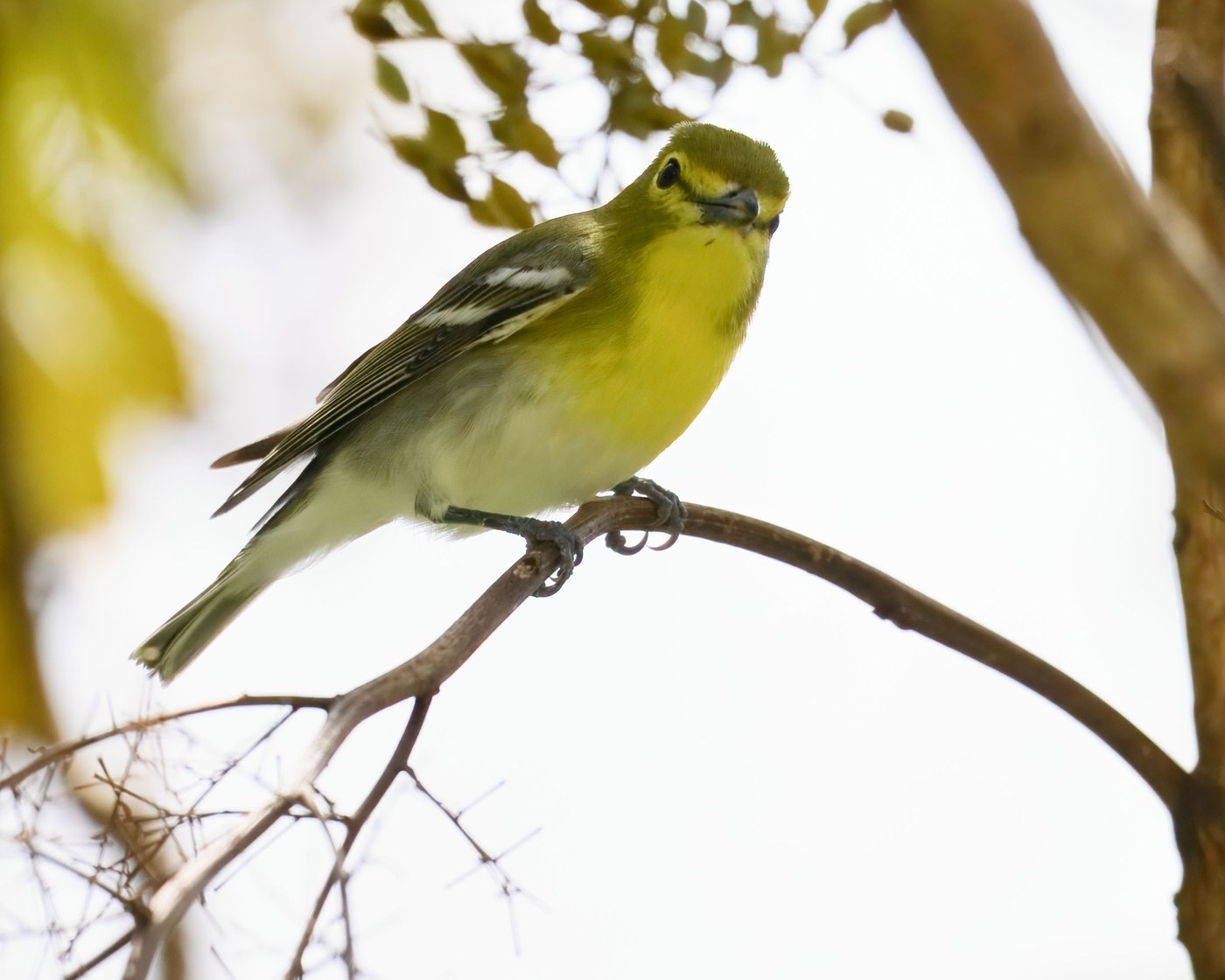
Yellow-throated Vireo
Bright yellow throat and spectacle feathers; olive-green back feathers; two white wing-bar feathers

Yellow-rumped Warbler
Small contour and flight feathers
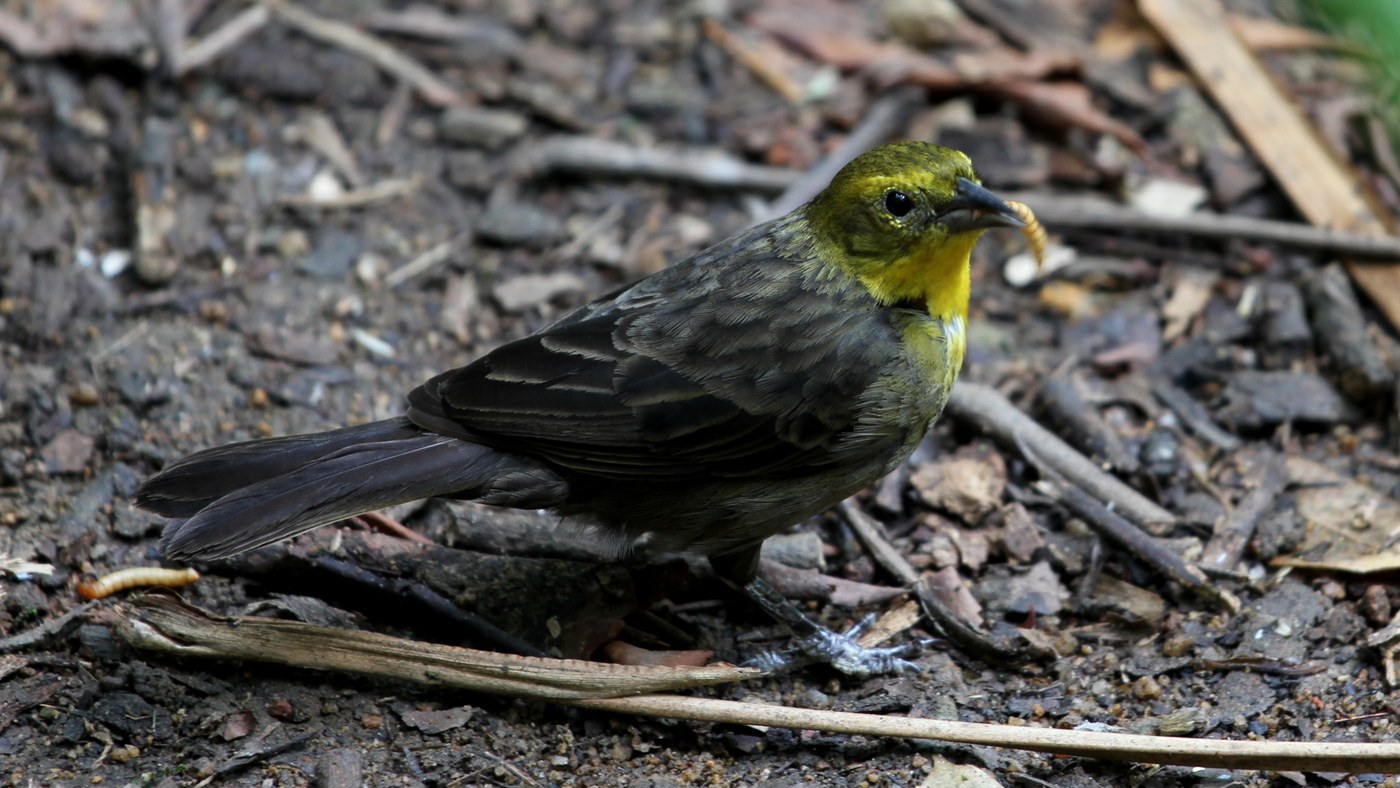
Yellow-hooded Blackbird
Contrasting hood and body feathers
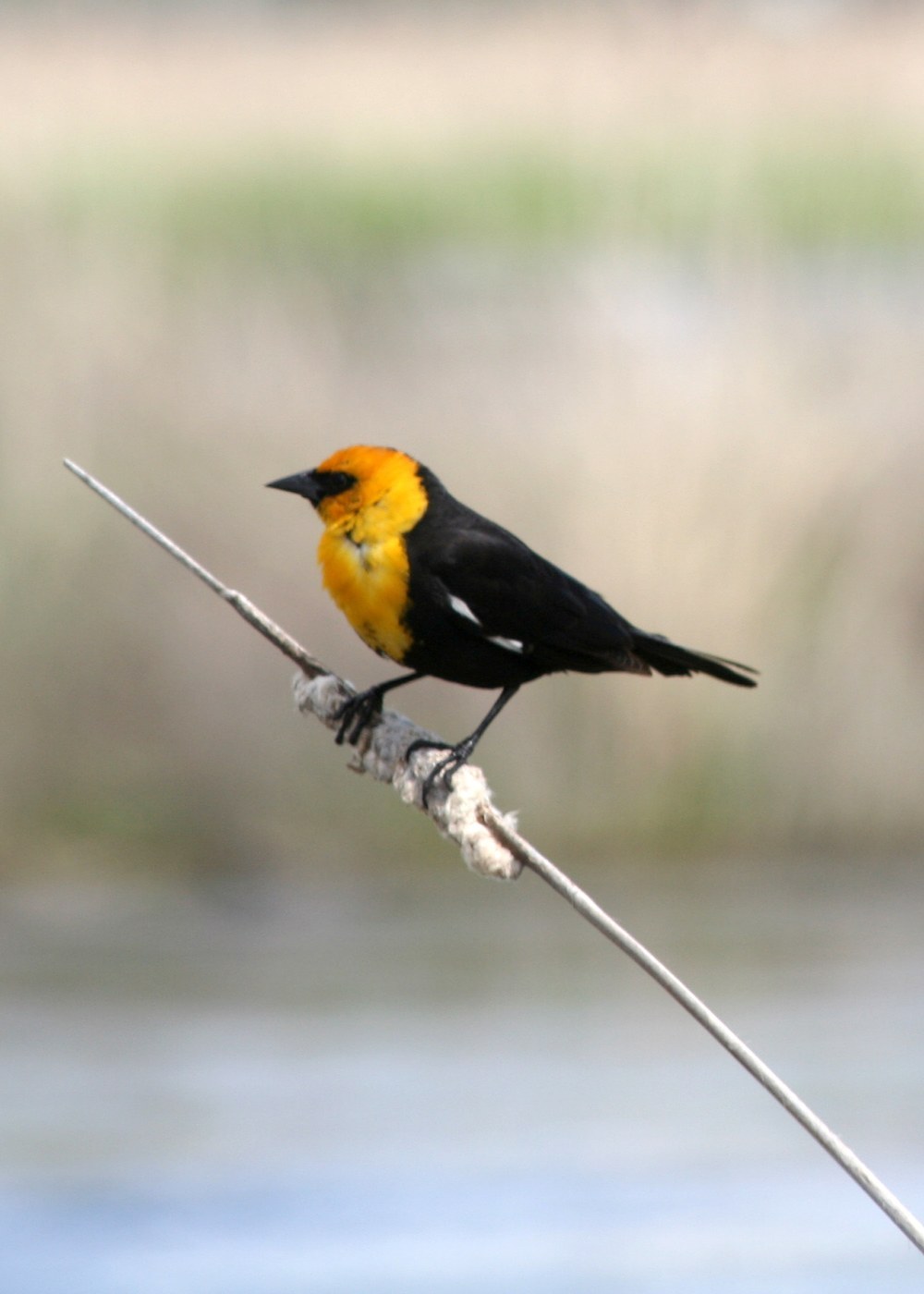
Yellow-headed Blackbird
Glossy black body plumage with a bright yellow head and breast

Yellow-eyed Junco
Contour and flight feathers

Yellow-fronted Canary
Small, smooth body plumage

Yellow-breasted Greenfinch
Compact, smooth body plumage