
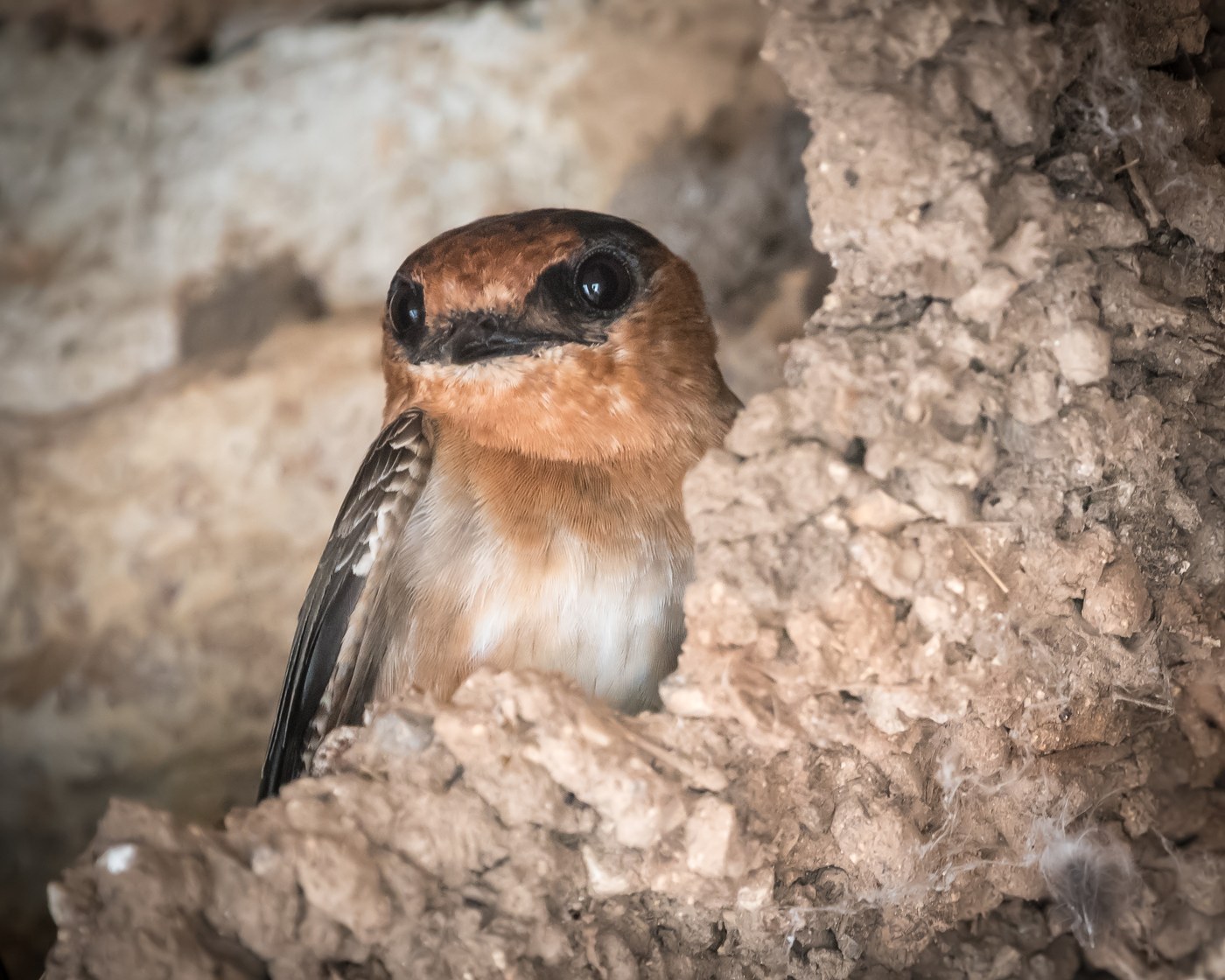
Cave Swallow
Petrochelidon fulva
A close relative of Cliff Swallow with a paler, more orange-buff throat and forehead, typically found nesting in caves, culverts, and sinkholes.
- Feather type
- Contour and flight feathers
- Colours
- Dark blue back, pale orange-buff throat/forehead, pale rump
- Bird size
- Sparrow-sized, ~13 cm
Found a feather like this?
Identify any feather from a photo, free.
Overview
Overview
The Cave Swallow is a colonial swallow closely related to the Cliff Swallow, historically associated with natural caves and karst terrain but increasingly using culverts, bridges, and other artificial structures for nesting across parts of the southern United States, Mexico, and the Caribbean. Its plumage closely resembles that of Cliff Swallow but shows subtle differences in the tone of the throat and forehead coloring.
Upperparts are dark blue, similar to Cliff Swallow, but the throat and forehead show a paler, more orange-buff tone rather than the richer chestnut and whitish combination seen in its relative, and the rump is pale, though generally less contrastingly orange.
Identifying the Feather
Feather ID Notes
Cave Swallow feathers show a dark blue back similar to Cliff Swallow, but the throat and forehead are a paler, more uniformly orange-buff tone rather than the sharply contrasting chestnut-and-white pattern of Cliff Swallow. The rump is pale but typically less vividly orange than in Cliff Swallow.
- Back feathers: dark blue, glossy
- Throat/forehead feathers: pale orange-buff, more uniform than Cliff Swallow's chestnut-and-white pattern
- Rump feathers: pale, though less strongly contrasting than in Cliff Swallow
- Underparts: pale buffy-white overall The more uniformly pale orange-buff throat and forehead, without the sharp chestnut/white contrast of Cliff Swallow, is the main feather-based clue separating these two closely related species.
Plumage & Molt
Plumage Details
Sexes look alike in this species, both showing the same dark back and pale orange-buff throat and forehead pattern. Juveniles are duller overall, showing less saturated buff tones until their first molt. There is no strong seasonal plumage difference, though feather wear can slightly mute the buff tones later in the season.
Habitat & Range
Habitat & Range
Cave Swallows breed in caves, sinkholes, and other karst features across parts of the southern United States, Mexico, and the Caribbean, and have increasingly adapted to nesting in culverts and under bridges in areas lacking natural caves. Populations show varying migratory behavior, with some northern breeders moving south in winter while populations farther south may remain largely resident.
Behavior & Field Notes
Behavior & Field Notes
This species forages on the wing over open areas near its cave or culvert colonies, catching flying insects in flight. Diet consists almost entirely of flying insects. Nests are cup-shaped structures built from mud, often placed on cave walls, culvert interiors, or similar sheltered vertical surfaces, typically in colonies. Calls include a variety of soft, twittering and chattering notes similar to other swallows in its genus.
Frequently asked questions
How can you tell Cave Swallow feathers from Cliff Swallow?
Cave Swallow shows a more uniformly pale orange-buff throat and forehead, lacking the sharp chestnut-and-white contrast typical of Cliff Swallow.
Where does this species typically nest?
In caves, sinkholes, and karst features, as well as culverts and under bridges where natural caves are unavailable.
Is the Cave Swallow migratory?
Some northern populations migrate south for winter, while populations farther south may remain resident year-round.
What does the Cave Swallow eat?
It feeds almost entirely on flying insects captured on the wing near its nesting colonies.
Cave Swallow guides
In-depth guides for identifying and understanding Cave Swallow.
Other feathers you may enjoy

Yellow-breasted Bunting
Contour and flight feathers, chestnut-and-yellow breeding pattern
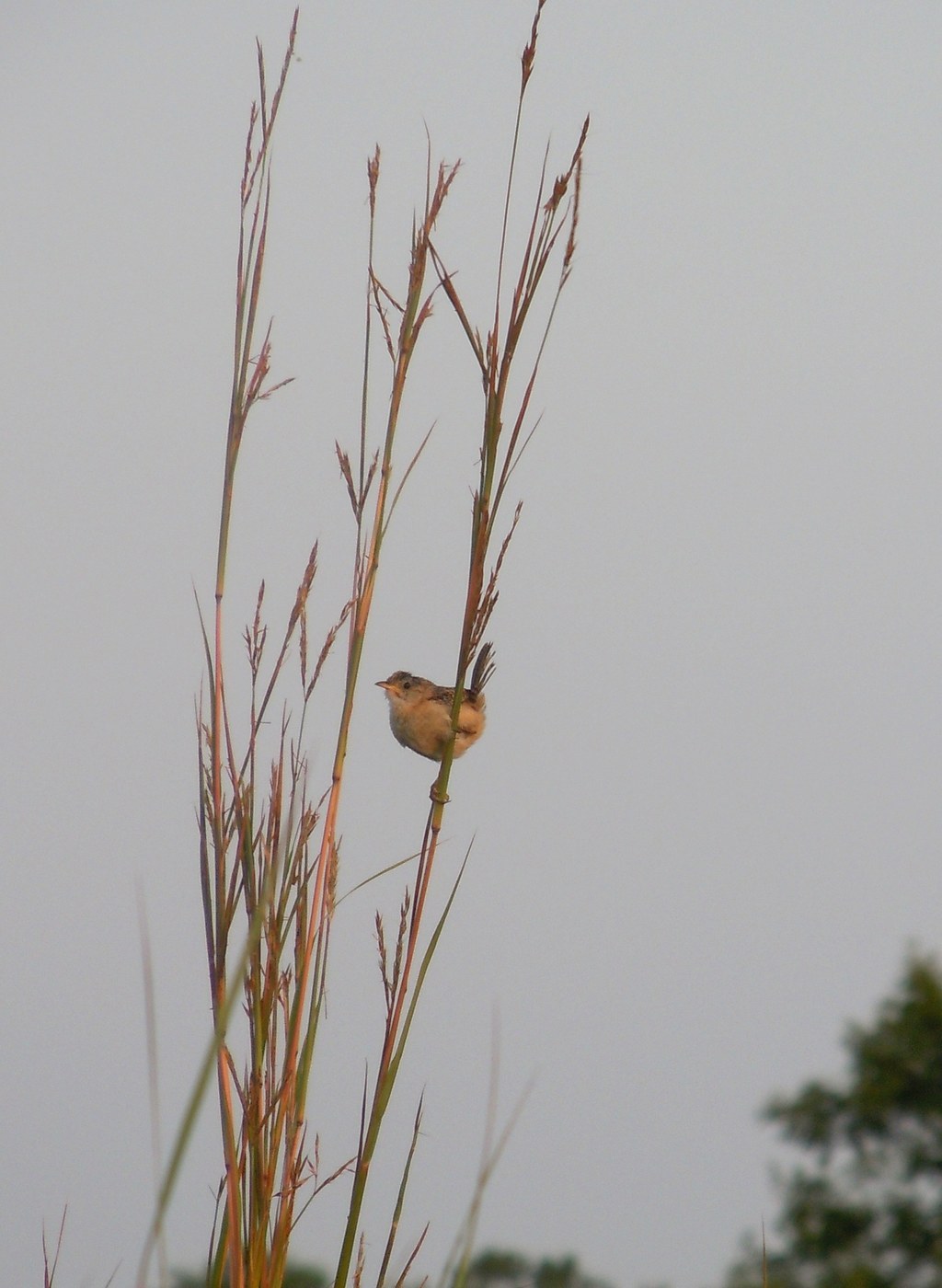
Sedge Wren
Tiny streaked crown and back feathers

Yellow-winged Cacique
Glossy black body feathers, yellow wing patch, shaggy crest

Yellow Warbler
Small contour and flight feathers
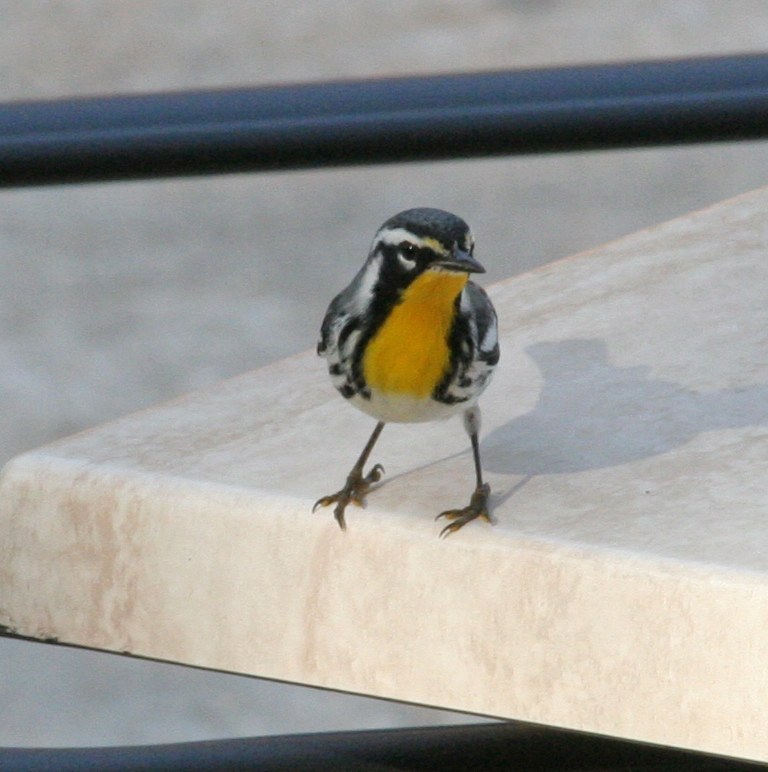
Yellow-throated Warbler
Small contour and flight feathers
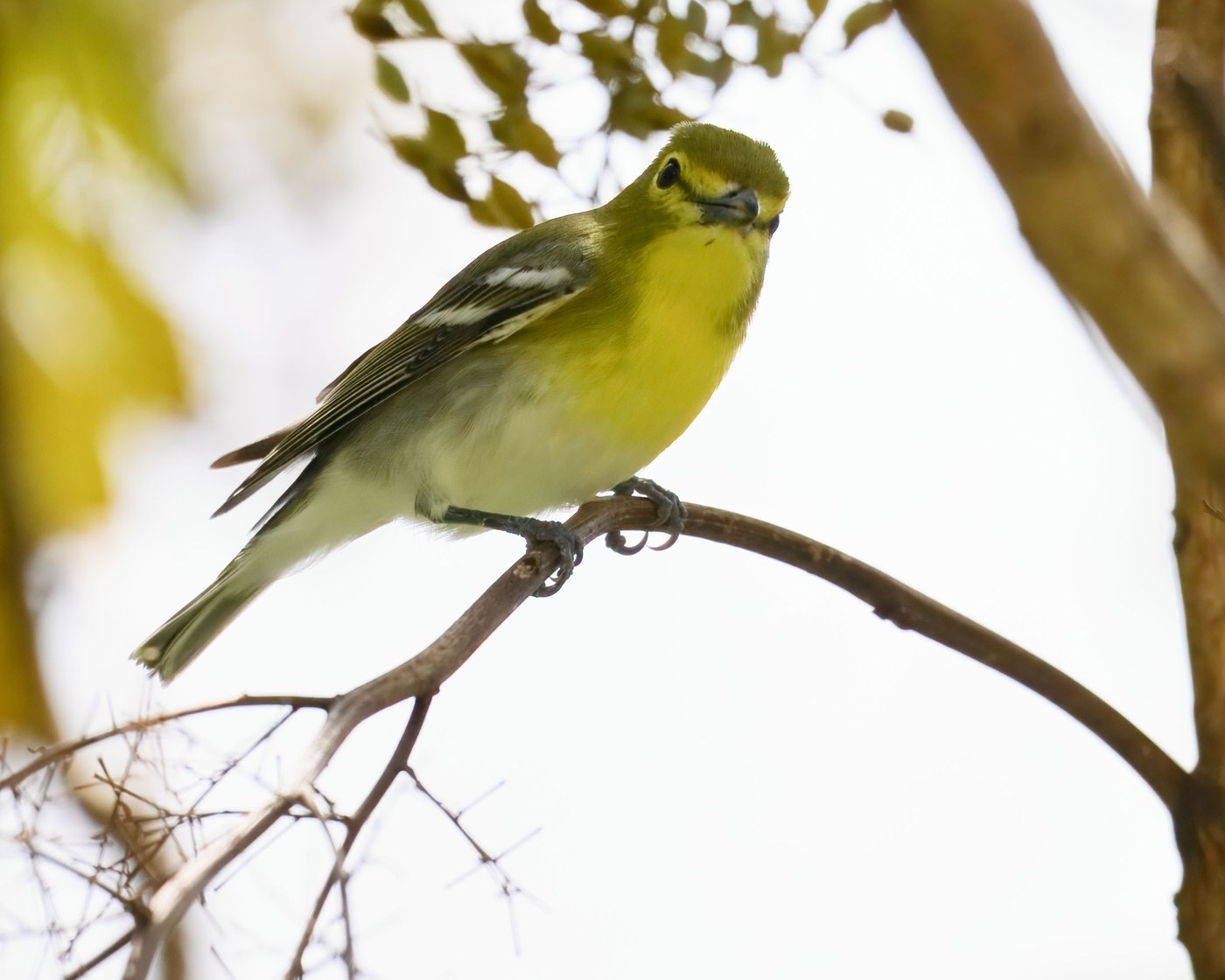
Yellow-throated Vireo
Bright yellow throat and spectacle feathers; olive-green back feathers; two white wing-bar feathers

Yellow-rumped Warbler
Small contour and flight feathers
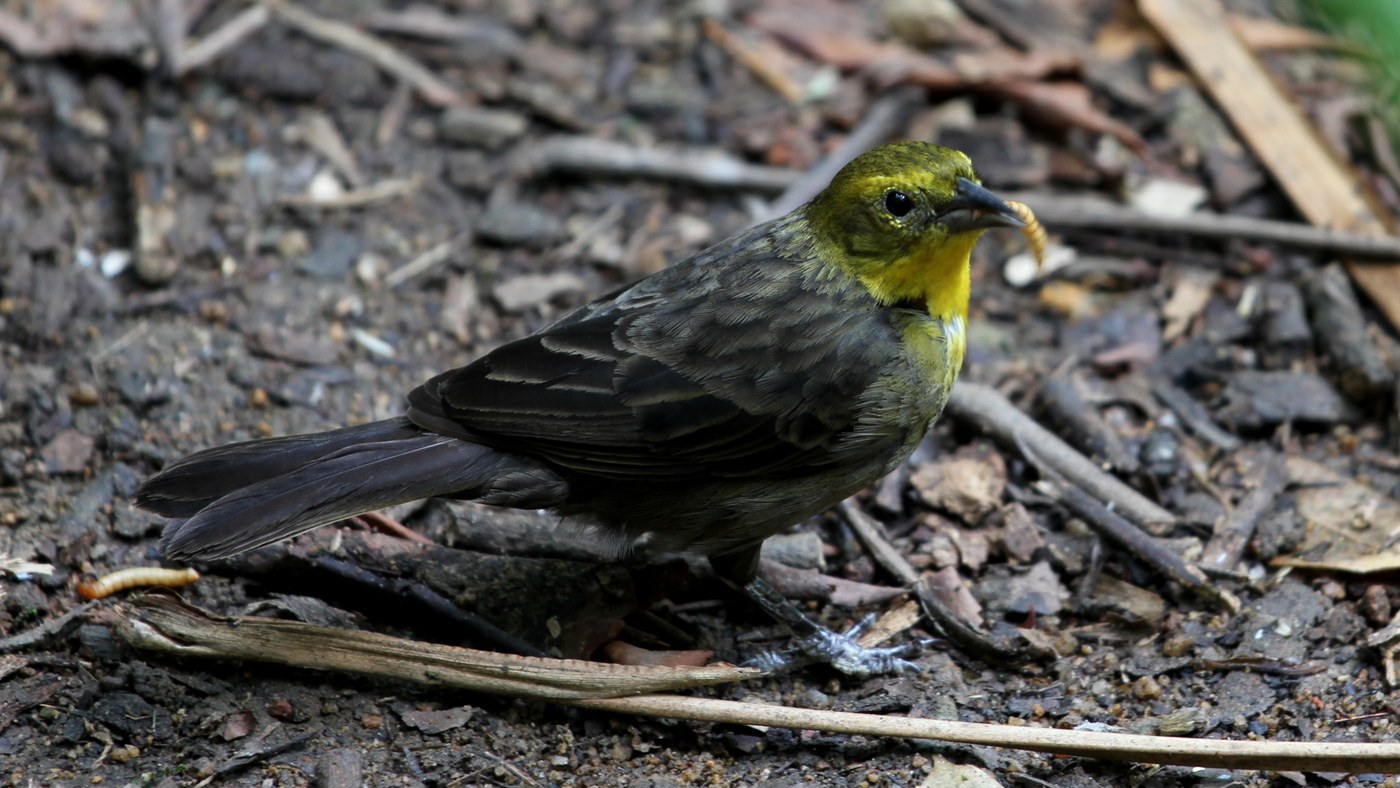
Yellow-hooded Blackbird
Contrasting hood and body feathers
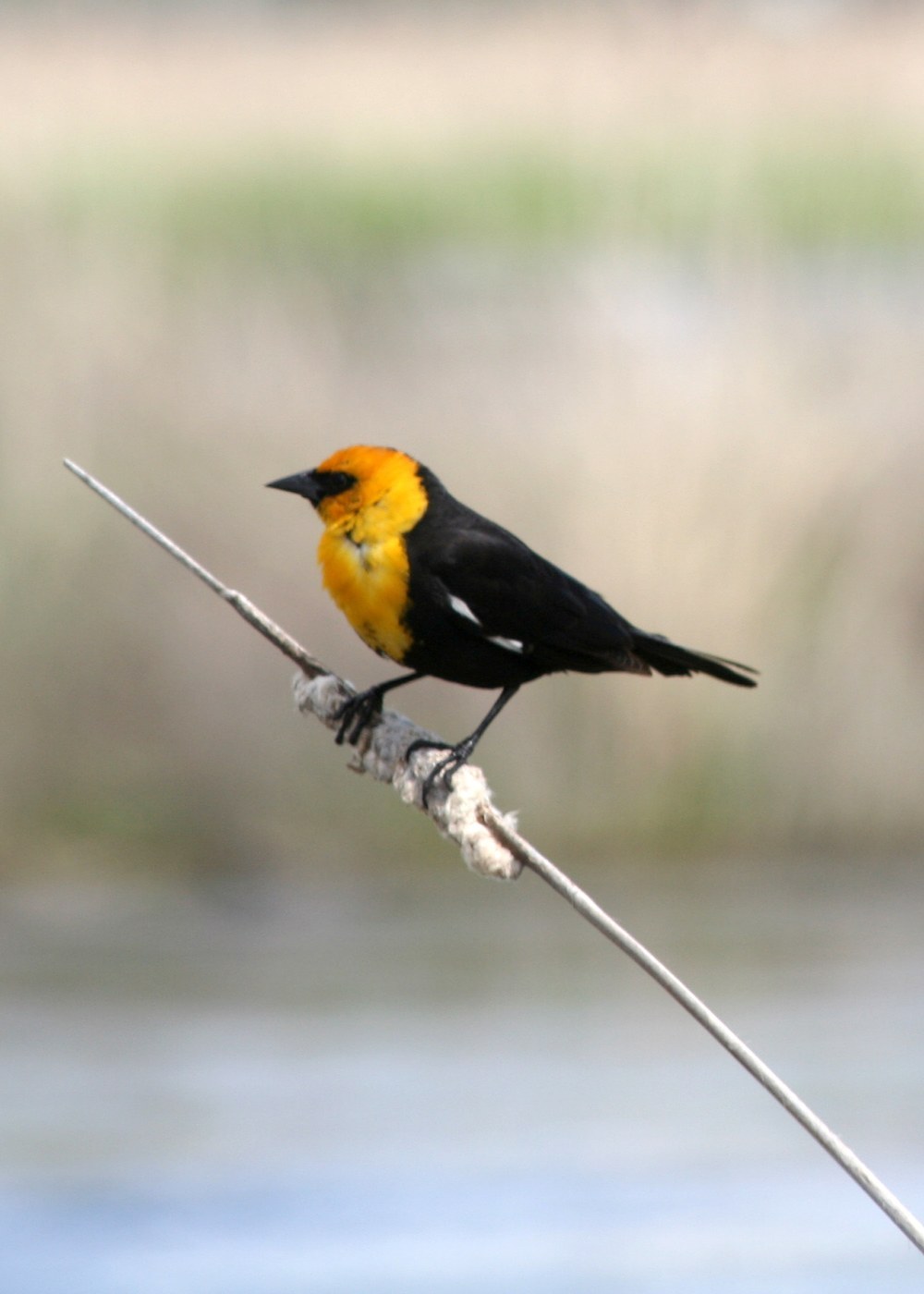
Yellow-headed Blackbird
Glossy black body plumage with a bright yellow head and breast

Yellow-eyed Junco
Contour and flight feathers

Yellow-fronted Canary
Small, smooth body plumage

Yellow-breasted Greenfinch
Compact, smooth body plumage