

Cardinal Woodpecker
Dendropicos fuscescens
One of the smallest and most widespread African woodpeckers, common across savanna and woodland, with the male's red-tipped crown giving rise to its 'cardinal' name.
- Feather type
- Tiny contour feathers, finely barred and streaked
- Colours
- Brownish-olive with fine barring and a red crown patch in males
- Bird size
- Very small, ~14-15 cm
Found a feather like this?
Identify any feather from a photo, free.
Overview
The Cardinal Woodpecker is among the smallest and most widely distributed woodpeckers in sub-Saharan Africa, occurring in an extensive range of wooded habitats from thornveld and savanna to gardens. Its name refers to the male's red crown patch rather than any resemblance to true cardinals, and its small size and fine, delicate patterning make it easily overlooked despite its abundance.
Its adaptability to a wide range of wooded habitats, including gardens and disturbed woodland, has helped it remain common across much of its range.
Identifying the Feather
Key features:
- Upperpart feathers are brownish-olive to blackish-brown with fine white or buff barring
- Underparts are pale with dark streaking rather than barring
- Males show red on the rear crown and nape, while females have a plain blackish crown finely spotted, with no red
- Very small overall size distinguishes it from larger African woodpeckers
Compared to similar species: its notably small size combined with fine barring above and streaking (rather than barring) below separates it from most other African woodpeckers, which tend to be larger or more boldly patterned.
Plumage & Molt
Sexual dimorphism is confined to the crown, with males showing red on the rear crown and nape and females showing a plain blackish, finely spotted crown without red. Interestingly, juveniles of both sexes typically show some red on the crown, which is lost or reduced after the first molt in females. A complete annual molt follows breeding.
Habitat & Range
This species is extremely widespread across sub-Saharan Africa, occurring in woodland, savanna, thornveld, and gardens. It is highly adaptable to varied wooded habitats and is a non-migratory resident throughout its range.
Behavior & Field Notes
Cardinal Woodpeckers forage actively on thin branches and twigs as well as trunks, feeding on ants, termites, and other insects. Their calls are high-pitched, and drumming is relatively light compared to larger woodpeckers. Nest cavities are excavated in dead branches or trunks, often quite small in diameter given the bird's tiny size.
Frequently asked questions
How can I identify a Cardinal Woodpecker feather?
Its very small size combined with fine white or buff barring above and streaking (rather than barring) below is characteristic, along with a red patch on the rear crown in males.
Why is it called the 'Cardinal' Woodpecker?
The name refers to the male's red crown patch rather than any close resemblance to true cardinal birds.
Do juveniles show red regardless of sex?
Yes, juveniles of both sexes often show some red on the crown, with females typically losing this red after their first molt.
What habitat is this species found in?
It is extremely widespread across sub-Saharan Africa in woodland, savanna, thornveld, and even gardens, reflecting its high adaptability.
Cardinal Woodpecker guides
In-depth guides for identifying and understanding Cardinal Woodpecker.

Other feathers you may enjoy

Ivory-billed Woodpecker
Very large flight feathers with a solid white trailing patch

Great Slaty Woodpecker
Massive, uniformly colored contour feathers

Yellow-tufted Woodpecker
Black body feathers with bright yellow forehead tufts

Magellanic Woodpecker
Very large, glossy contour feathers with a recurved crest

Yellow-bellied Sapsucker
Black-and-white patterned back and facial-stripe feathers
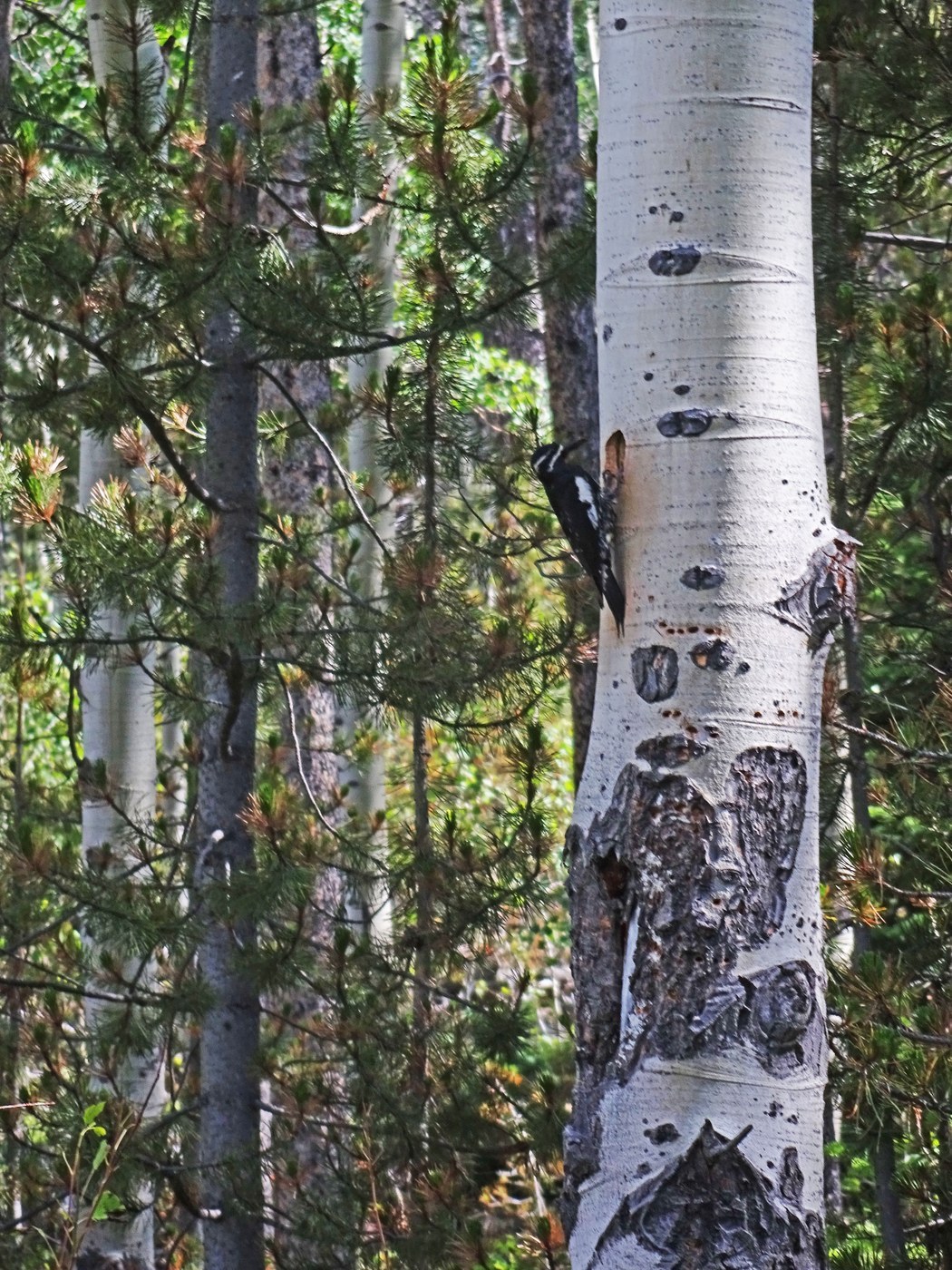
Williamson's Sapsucker
Strongly sexually dimorphic body feathers, glossy black or finely barred brown

Yellow-crowned Woodpecker
Contour and flight feathers

White Woodpecker
Mostly white body feathers with contrasting black wings and back

Red-throated Wryneck
Soft, cryptically mottled contour feathers

White-bellied Woodpecker
Large, glossy black contour and flight feathers

White-backed Woodpecker
Barred back feathers rather than a solid white patch
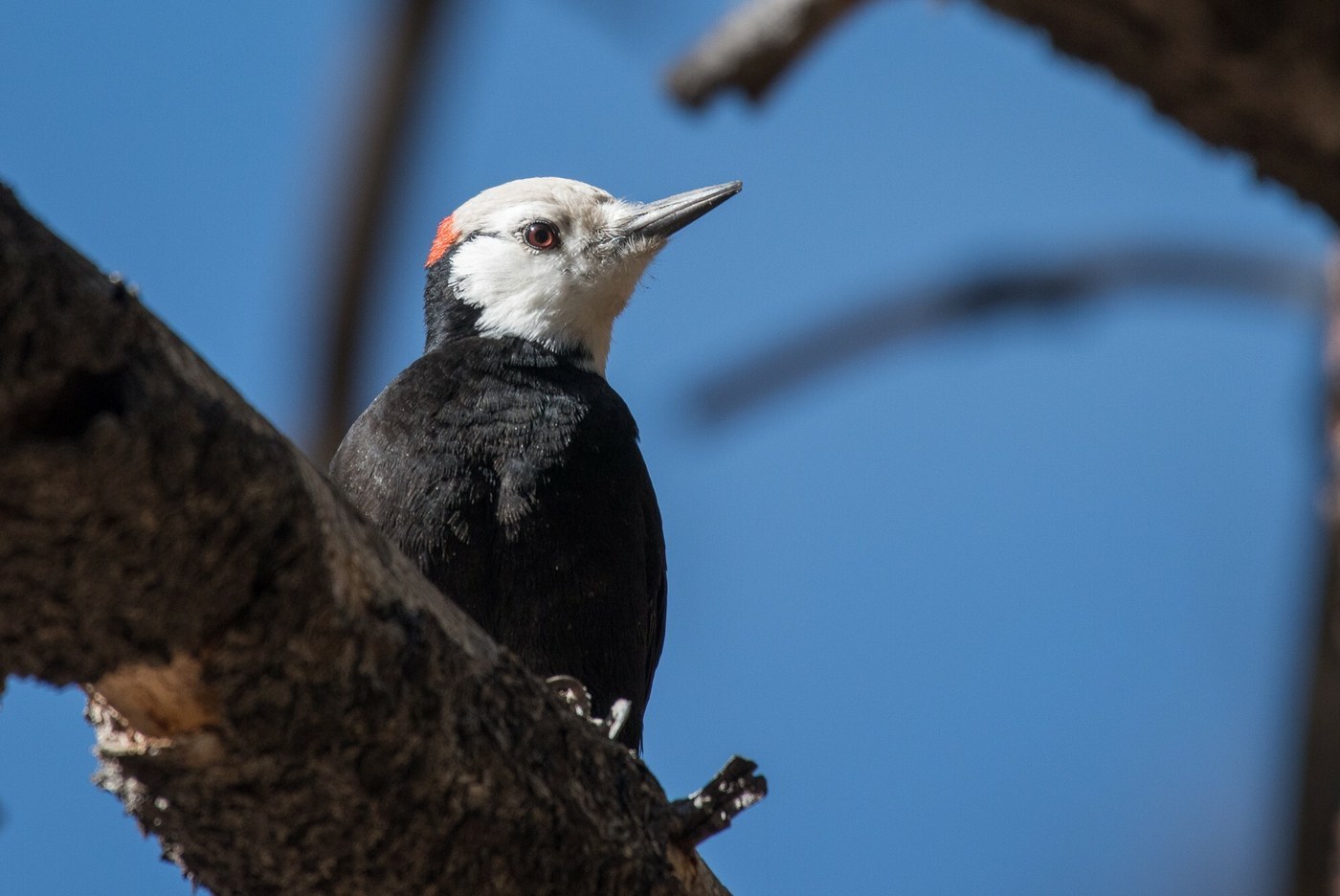
White-headed Woodpecker
Solid black body feathers with an entirely white head