
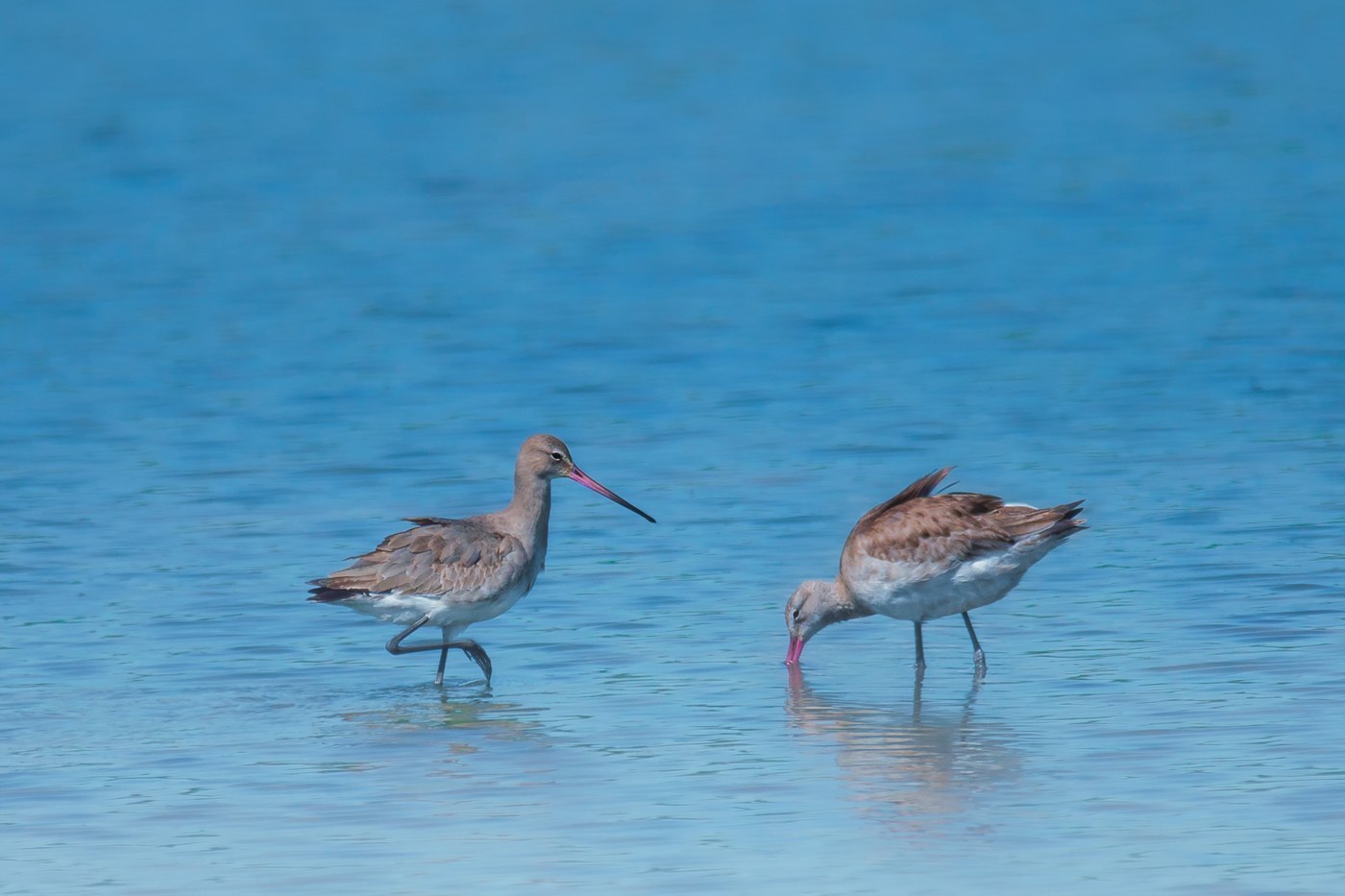
Black-tailed Godwit
Limosa limosa
A striking Eurasian godwit with a bold black tail band, broad white wingbar, and rich chestnut breeding underparts, closely associated with lowland wet grasslands and meadows now much reduced across parts of its range.
- Feather type
- Large wader contour and flight feathers
- Colours
- Rich chestnut, barred breeding underparts; bold black-and-white tail and wing pattern
- Bird size
- Large, ~37-42 cm
Found a feather like this?
Identify any feather from a photo, free.
Overview
Overview
The Black-tailed Godwit is a large, long-legged Eurasian shorebird best known for its bold wing and tail pattern, visible clearly in flight and identifiable from shed feathers. It breeds primarily on wet grasslands and lowland meadows across Europe and Asia, habitat that has declined substantially in many regions due to agricultural intensification.
Feathers are typically found around wet grasslands, marshes, and estuaries within the species' Eurasian breeding and wintering range.
Identifying the Feather
Feather Identification
- Tail feathers: a bold black terminal band contrasting with a white base, one of the most distinctive tail patterns among godwits.
- Wing feathers: a broad white wingbar crossing the flight feathers, very conspicuous in flight and a useful clue on isolated wing feathers.
- Breeding underparts: rich chestnut wash across the neck and breast with dark barring on the flanks.
- Nonbreeding feathers: plain grayish-brown above and pale below, losing the chestnut tones.
- Versus Bar-tailed Godwit: the bold black-and-white tail and broad white wingbar readily separate Black-tailed Godwit from the finely barred tail and less contrasting wing pattern of Bar-tailed Godwit.
Plumage & Molt
Plumage Notes
Breeding adults show a rich chestnut wash across the head, neck, and breast with dark barring on the flanks and belly; males average slightly brighter than females. Nonbreeding adults become plain grayish-brown above and whitish below, losing the chestnut coloring entirely.
Juveniles show a buffy wash on the breast with neatly scaled upperpart feathers, distinct from the more solidly chestnut breeding adult. Several subspecies across the breeding range show subtle variation in the extent and depth of chestnut coloring. Molt into nonbreeding plumage occurs mostly after migration.
Habitat & Range
Habitat & Range
Black-tailed Godwits breed on wet grasslands, water meadows, and marshes across a broad swath of Europe and Central Asia. They migrate to winter on coastal estuaries, mudflats, and wetlands across western Europe, Africa, and South and Southeast Asia, with populations in parts of their breeding range having declined significantly due to the loss of wet grassland habitat.
Behavior & Field Notes
Behavior & Field Notes
Black-tailed Godwits forage by probing in wet soil and shallow water for invertebrates, both on breeding meadows and wintering mudflats. They often gather in dense flocks at favored estuaries and wetlands outside the breeding season.
Nests are shallow scrapes in grassland vegetation, often defended vigorously against predators and disturbance near the colony. The flight call is a loud, urgent "wicka-wicka" note. Feathers, especially the distinctively patterned tail and wing feathers, are a strong identifying find at wetlands within the species' Eurasian range.
Frequently asked questions
What is the most distinctive feather feature of Black-tailed Godwit?
A bold black tail band contrasting with a white base, combined with a broad white wingbar across the flight feathers.
How does this differ from Bar-tailed Godwit?
Black-tailed Godwit shows a solid black-and-white tail and broad white wingbar, while Bar-tailed Godwit has a finely barred tail and a much less contrasting wing pattern.
What color are breeding underparts?
A rich chestnut wash across the neck and breast with dark barring on the flanks and belly.
Where does this species breed?
On wet grasslands, water meadows, and marshes across Europe and Central Asia.
Has this species faced habitat challenges?
Yes, populations in parts of its breeding range have declined due to loss of wet grassland habitat from agricultural intensification.
Black-tailed Godwit guides
In-depth guides for identifying and understanding Black-tailed Godwit.
Other feathers you may enjoy
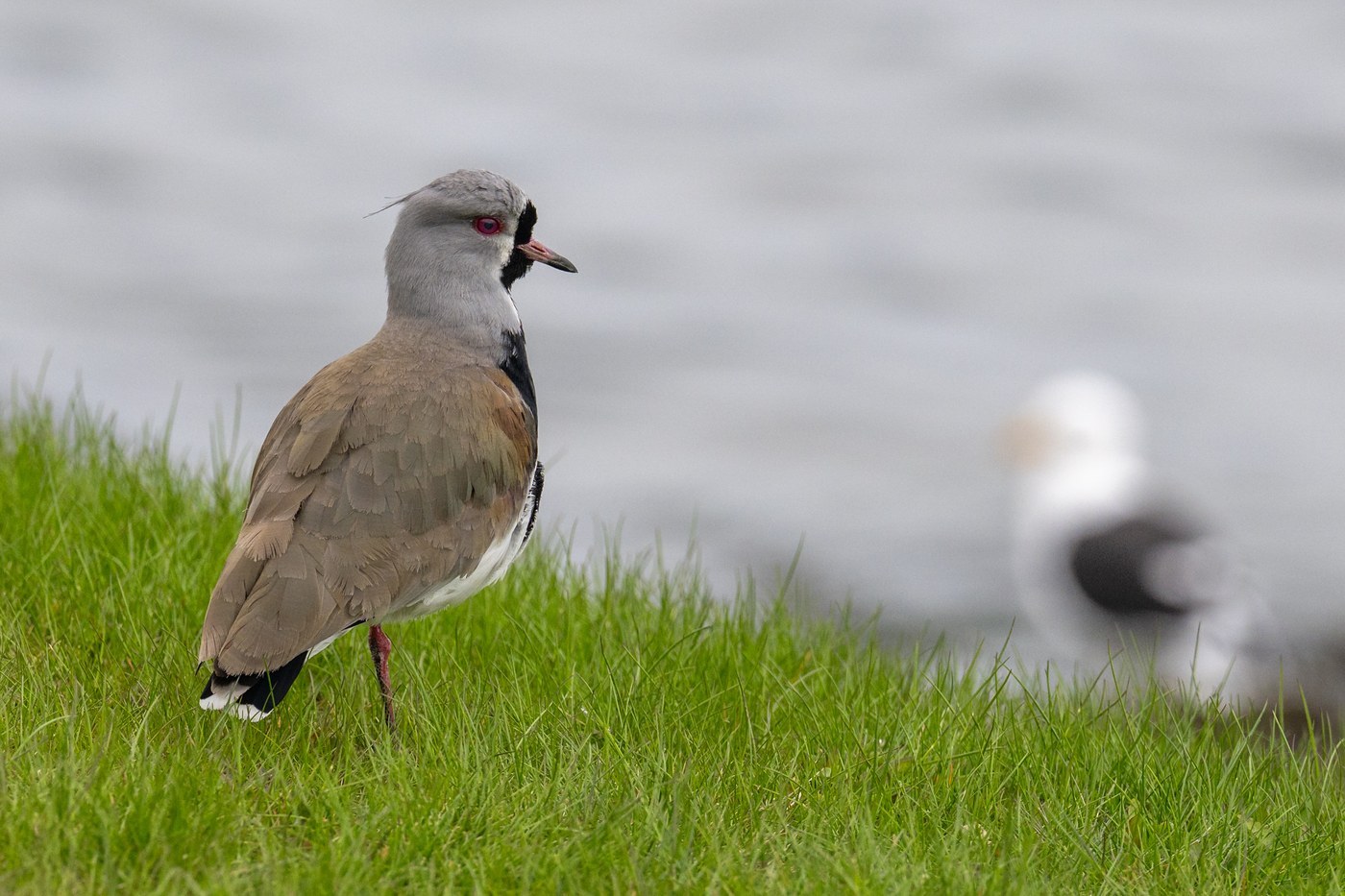
Southern Lapwing
Body, flight, and tail feathers

Jack Snipe
Body and flight feathers

Far Eastern Curlew
Body, flight, and tail feathers

Terek Sandpiper
Body and flight feathers

Wilson's Phalarope
Body and flight feathers
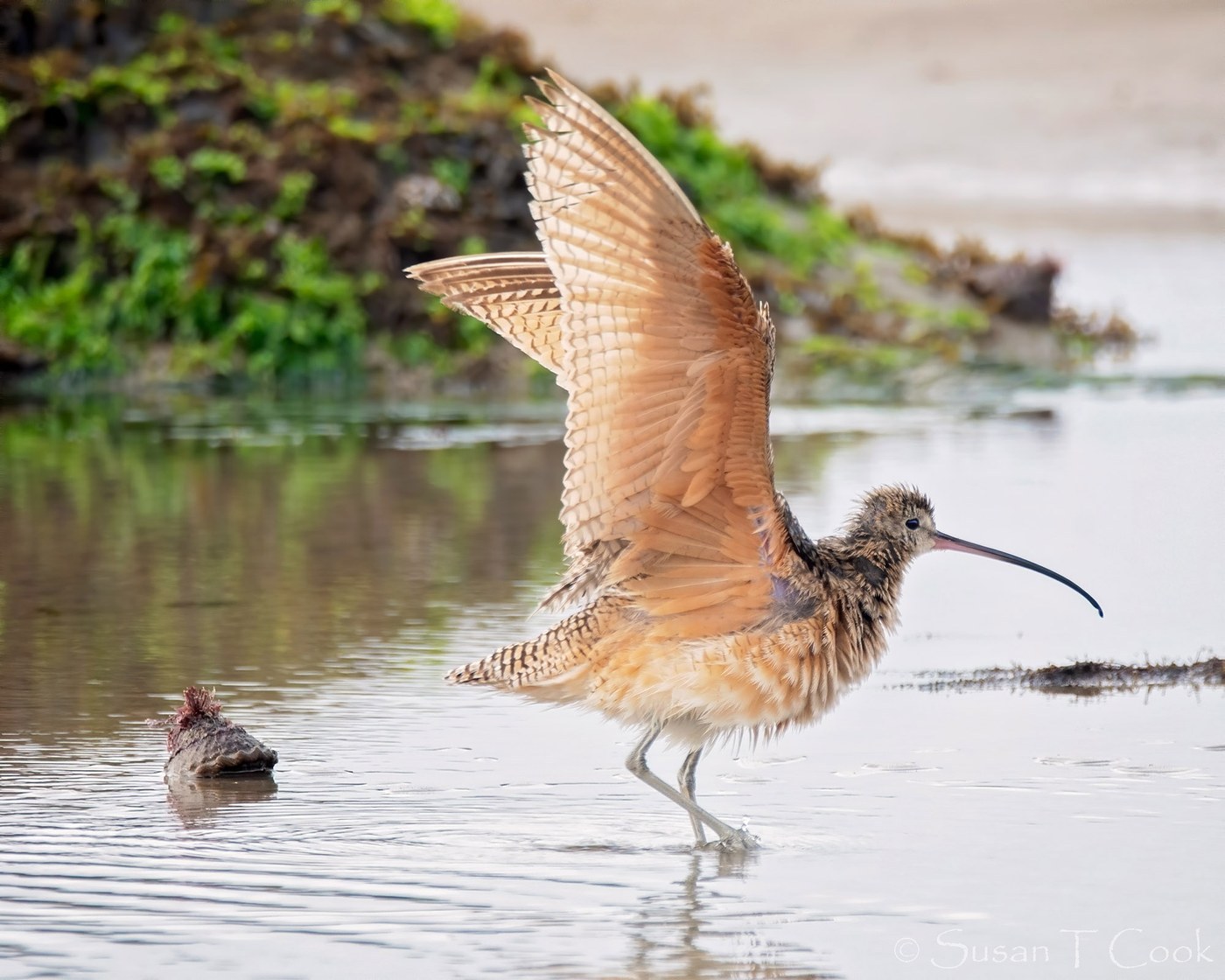
Long-billed Curlew
Body, flight, and tail feathers

Upland Sandpiper
Body, flight, and tail feathers

Red Phalarope
Body and flight feathers

Eurasian Dotterel
Body feathers
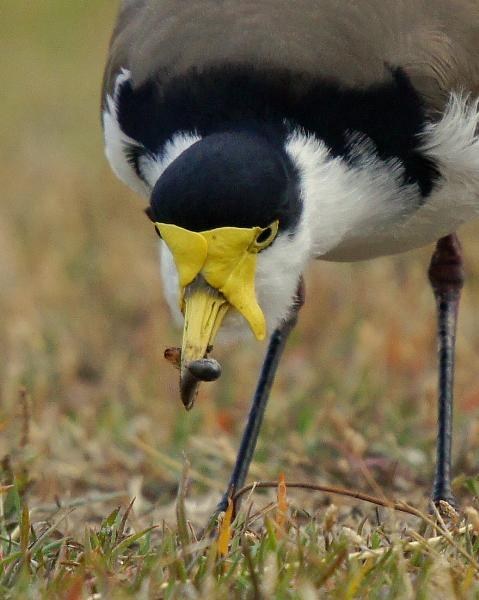
Masked Lapwing
Body, flight, and tail feathers
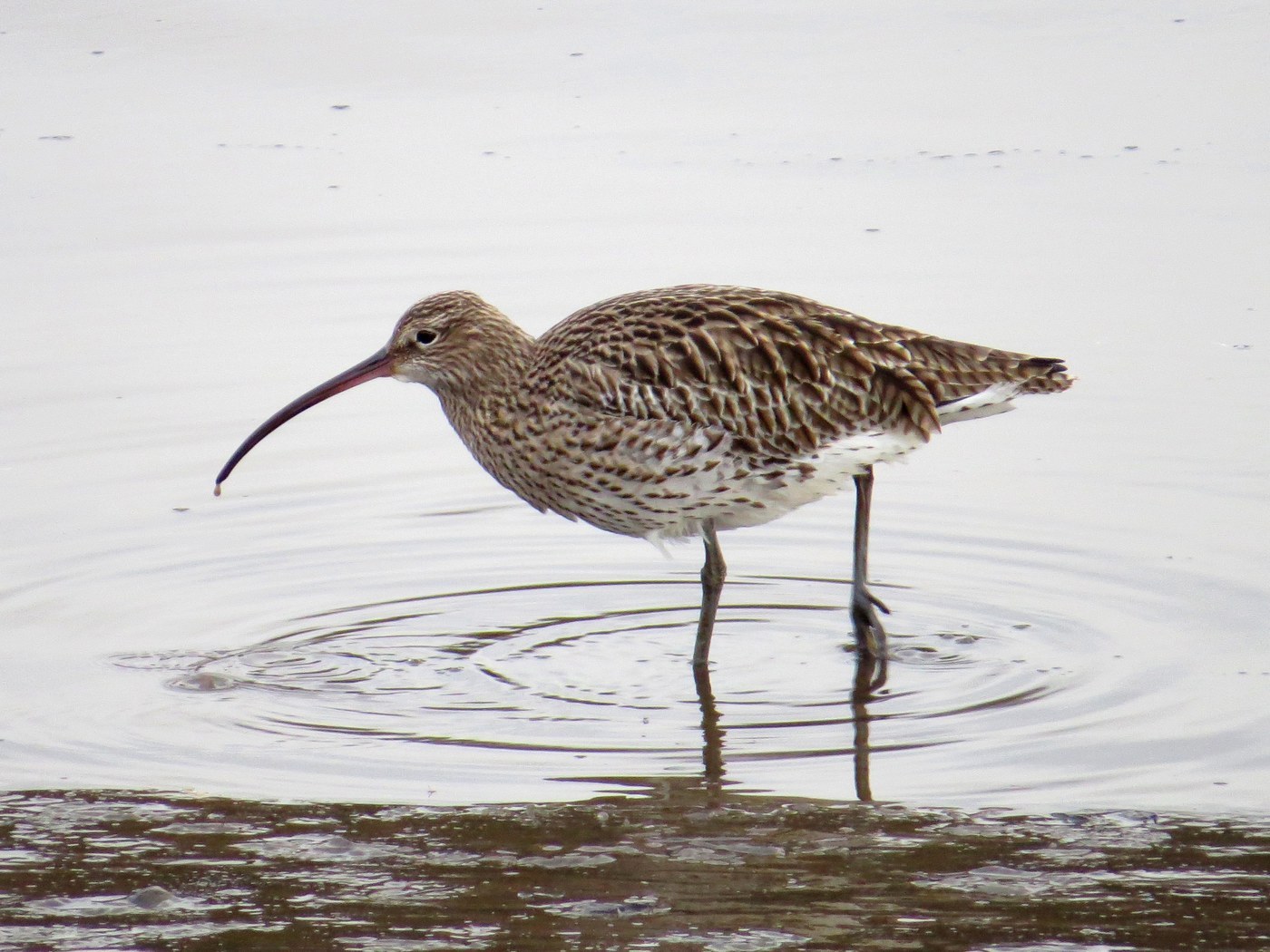
Eurasian Curlew
Body, flight, and tail feathers
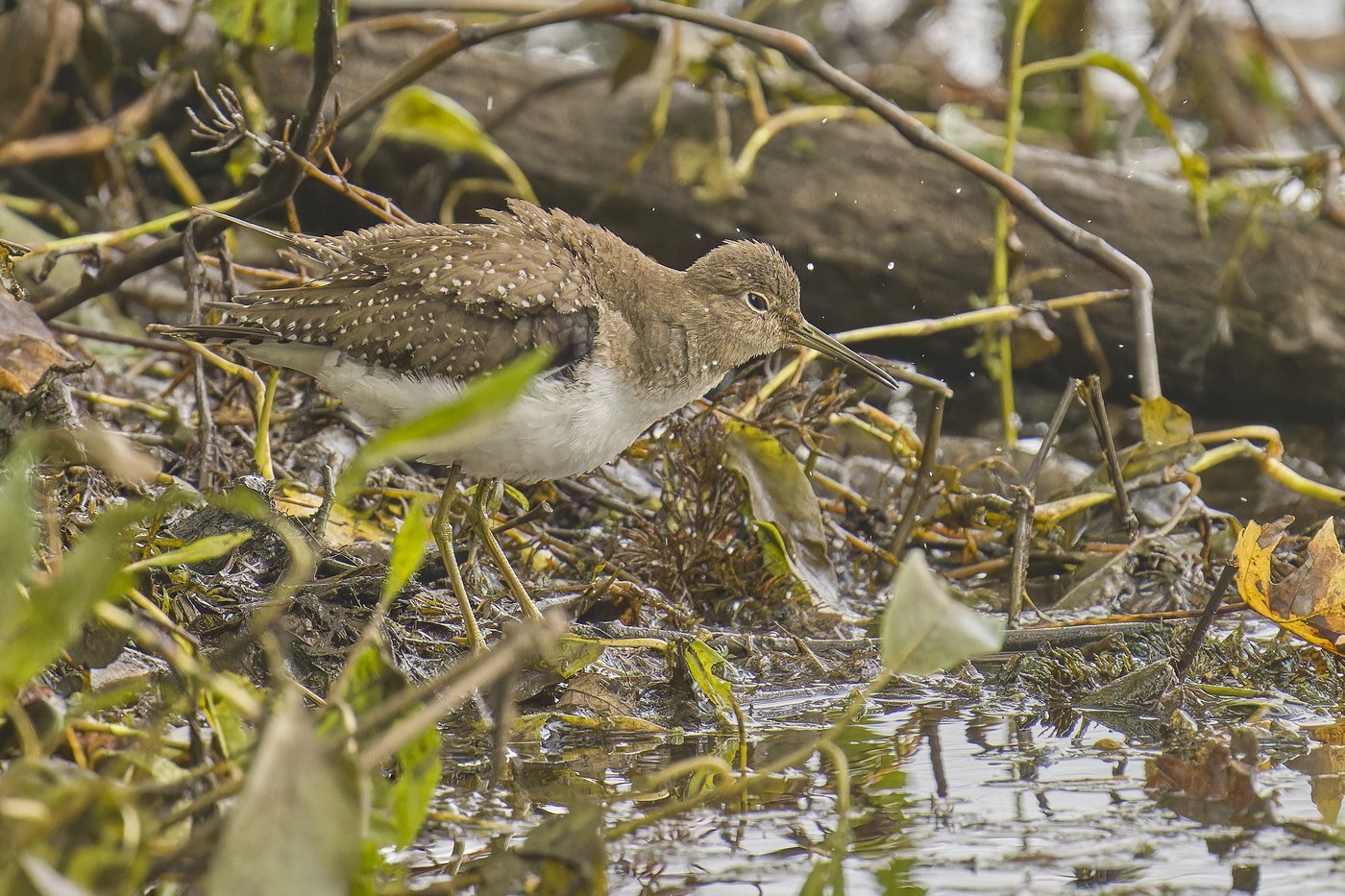
Solitary Sandpiper
Contour and flight feathers