

Black Scoter
Melanitta americana
The Black Scoter is the only scoter whose breeding male shows an entirely black plumage with no white markings at all, set off by a bright orange-yellow knob at the base of the bill.
- Feather type
- Uniformly dark sea-duck body feathers
- Colours
- Entirely black body plumage with no white markings
- Bird size
- Medium, ~43-54 cm
Found a feather like this?
Identify any feather from a photo, free.
Overview
Overview
The Black Scoter is a medium-sized sea duck that breeds on remote tundra and boreal lakes and winters along ocean coastlines, often in large single- or mixed-species flocks with other scoters. Unlike the Surf and White-winged Scoters, the breeding male Black Scoter shows completely black body and head plumage without any white patches, making the bright orange-yellow knob at the base of the bill its most prominent field mark. Females are dark brown with a paler cheek and throat contrasting against a darker cap.
Identifying the Feather
Feather Identification
- Absence of white: The breeding male's plumage is uniformly black from head to tail with no white patches anywhere - the single clearest distinction from the Surf Scoter (white forehead/nape patches) and White-winged Scoter (white wing patch).
- Female facial contrast: Females show a pale, buffy cheek and throat clearly contrasting with a darker cap and body, a useful identification feature among brownish female scoters.
- Overall body tone: Deep black feathering with a slight sheen in good light, without any of the mottling or patches found in related species.
- Wing pattern: Wings are uniformly dark, without a white speculum, in contrast to the White-winged Scoter.
- Bill note: Though not a feather trait, the bright orange-yellow basal knob on the male's bill is a strong supporting field mark when paired with all-black body feathering.
Plumage & Molt
Plumage Notes
Breeding males are entirely black with no white feather markings, the only scoter to show this pattern. Females and immatures are dark brown with a paler cheek and throat contrasting against a darker crown. Eclipse males remain largely black, similar to breeding plumage, with relatively little seasonal change compared to some other ducks. The species undergoes a complete molt after breeding with a flightless period. Juveniles resemble females and gradually take on the male's uniformly black plumage.
Habitat & Range
Habitat & Range
Black Scoters breed on remote tundra and boreal lakes in parts of North America and northeastern Asia, nesting on the ground near water. In winter, they move to coastal ocean waters, often forming large flocks along temperate coastlines, sometimes mixing with Surf and White-winged Scoters. The species is migratory, moving between northern breeding lakes and coastal wintering grounds.
Behavior & Field Notes
Behavior & Field Notes
Black Scoters dive to forage on aquatic invertebrates along the seafloor, often in nearshore waters with moderate wave action. They are gregarious outside the breeding season, forming dense rafts that can include other scoter species. Nesting occurs on the ground near remote lakes, well concealed in low vegetation. The species is somewhat more vocal than other scoters, with males giving a distinctive whistled call during courtship and social interactions, audible over open water.
Frequently asked questions
What is the defining feather feature of a male Black Scoter?
Completely black plumage with no white markings anywhere on the body, the only scoter species with this entirely dark pattern.
How can you tell a female Black Scoter from other scoter females?
Look for a pale, buffy cheek and throat contrasting against a darker cap, a distinguishing pattern among similarly brownish female scoters.
Does the Black Scoter have any white in its wings?
No, its wings are uniformly dark, unlike the White-winged Scoter which shows a bright white wing patch.
Is the Black Scoter more vocal than other scoters?
Yes, males give a distinctive whistled call during courtship, more noticeable than the generally quieter calls of related scoter species.
Black Scoter guides
In-depth guides for identifying and understanding Black Scoter.

Other feathers you may enjoy

Mallard
Wing (speculum), body, and tail feathers

Spectacled Eider
Large sea-duck body feathers with distinctive eye-ring patches

Canada Goose
Body and flight feathers
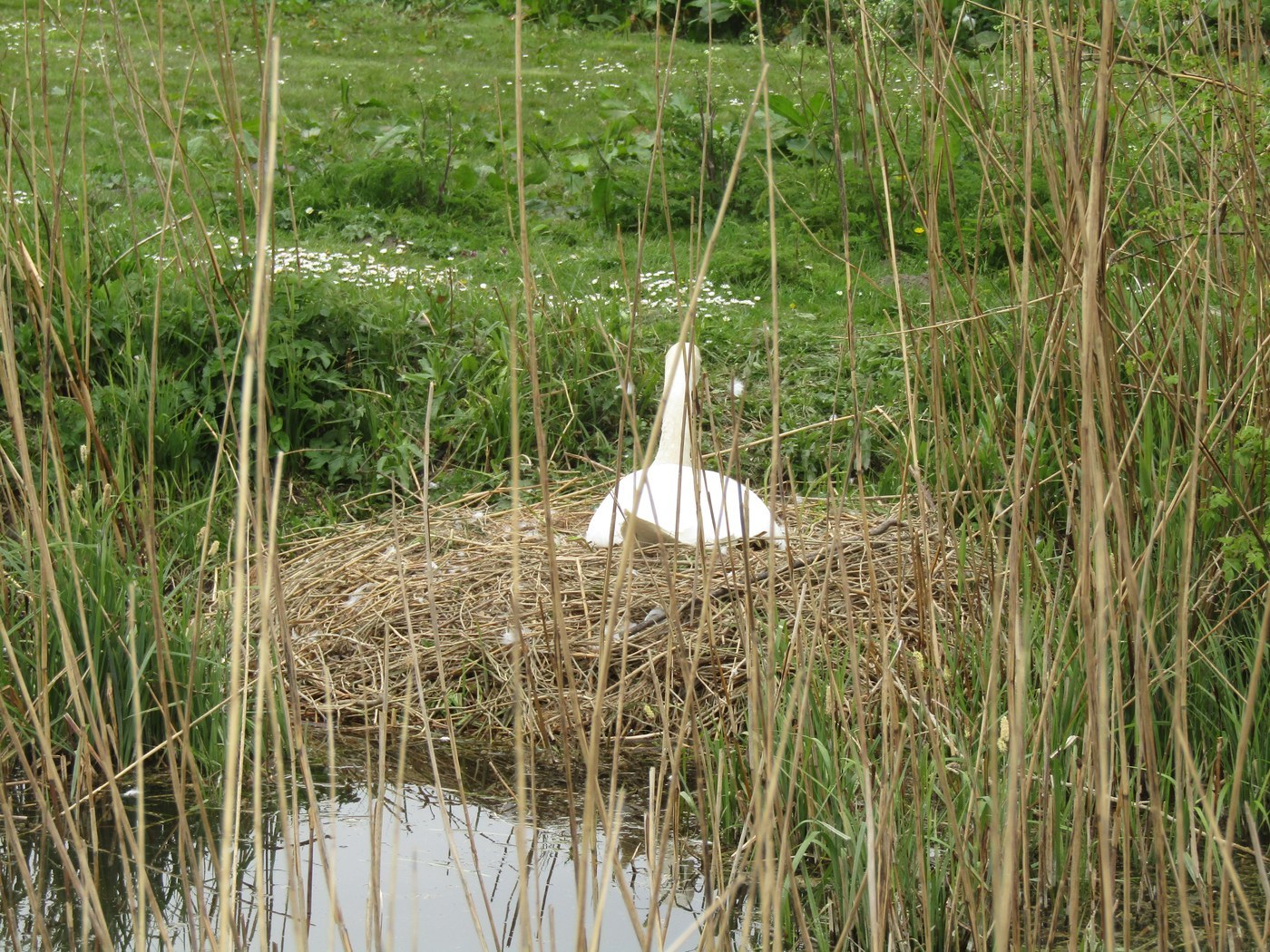
Mute Swan
Body (contour) and flight feathers

Wood Duck
Iridescent crest feathers; ornate scapular and flank feathers; white teardrop facial feathers (female)
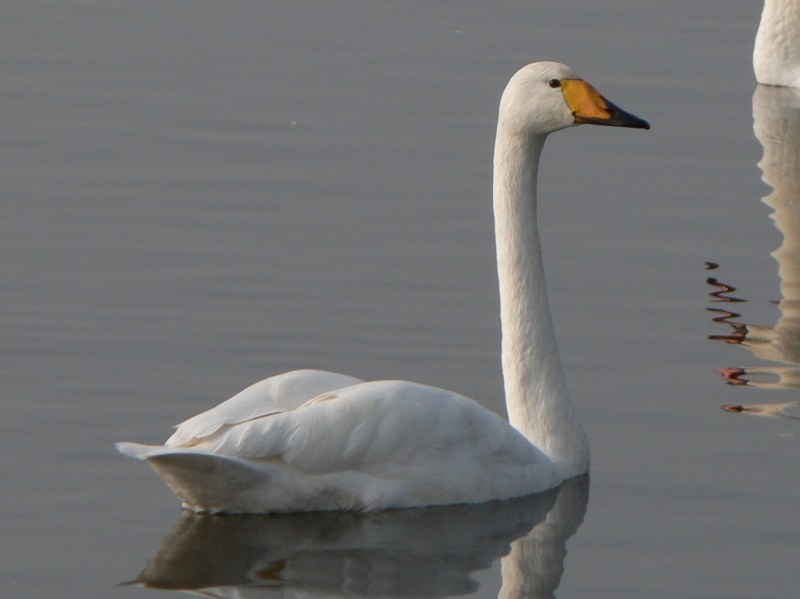
Whooper Swan
Contour and flight feathers

White-winged Scoter
Large sea-duck body feathers with a white wing patch

Ruddy Duck
Stiff tail feathers and compact body plumage

Ross's Goose
Contour and flight feathers

White-cheeked Pintail
Contour and elongated tail feathers

Torrent Duck
Dense, sleek contour feathers; stiff, pointed tail feathers used for bracing against rocks

Tundra Swan
Contour and flight feathers