

Black-necked Stilt
Himantopus mexicanus
A tall, slender American shorebird in crisp black-and-white plumage, best known for its extremely long, thin pink-red legs that trail well beyond the tail in flight.
- Feather type
- Slender, elongated body feathers and long, narrow flight feathers
- Colours
- Glossy black upperparts, nape, and hindneck contrasted sharply with white underparts
- Bird size
- Slender shorebird, ~33-39 cm
Found a feather like this?
Identify any feather from a photo, free.
Overview
The Black-necked Stilt is a striking wetland shorebird found across much of the Americas, most immediately recognizable by its extraordinarily long, thin legs, proportionally among the longest relative to body size of any bird. Its plumage is crisply two-toned, with glossy black upperparts, crown, nape, and hindneck sharply set off against clean white underparts and a white spot above the eye.
It favors shallow freshwater and saline wetlands, including marshes, salt ponds, and flooded fields, where its long legs allow it to wade in water too deep for many other shorebirds. In flight, its legs trail well beyond the tail, adding to its distinctive silhouette alongside a thin, straight black bill.
A crisp black-and-white body feather, glossy above and clean white below, found near a shallow freshwater or saline wetland in the Americas, is a good indicator of this species.
Identifying the Feather
Shape and Size
Body feathers are slender and elongated, matching the bird's tall, attenuated build, and flight feathers are long and narrow, contributing to a graceful, buoyant flight style.
Color and Pattern
- Crown, nape, hindneck, back, and wing feathers are glossy black, often with a slight greenish sheen in good light.
- Underparts, including the throat, breast, and belly, are clean white.
- A small white spot appears above the eye on an otherwise black head.
- Flight feathers are uniformly blackish above, without a pale wing stripe.
Shaft and Vane
Shafts are dark on black feathers and pale on white feathers, with a sharp, clean-edged transition between the two color zones rather than gradual blending or barring.
Distinguishing from Similar Species
The combination of solidly glossy black upperparts (rather than brown or grey) and crisp white underparts, together with the extremely elongated body feather proportions matching this species' long-legged build, helps distinguish it from other black-and-white wetland shorebirds, most of which show at least some brown tones or barring rather than solid glossy black.
Plumage & Molt
Adults show glossy black upperparts, crown, nape, and hindneck, with clean white underparts and a white spot above the eye. The bill is thin, straight, and black, and the legs are extremely long and bright pink to red, though this soft-tissue color is not present on shed feathers. Sexes are similar, though females may show slightly browner-tinged black upperparts. Juveniles are duller, with brownish-black upperparts and less sharply defined contrast. Molt follows breeding, with a complete post-breeding molt refreshing the crisp adult pattern.
Habitat & Range
The Black-necked Stilt is found from the western and southern United States through Mexico, Central America, the Caribbean, and into northern and western South America, favoring shallow freshwater and saline wetlands, marshes, salt ponds, and flooded agricultural fields. Northern populations are migratory, wintering further south, while populations in warmer parts of the range are largely resident.
Behavior & Field Notes
This species forages by wading in shallow water, using its long legs to access depths unavailable to many other shorebirds, taking aquatic invertebrates and small vertebrates from the water's surface or just below it. It is often found in loose colonies, particularly during the breeding season, and can be highly vocal and aggressive in defense of nests, giving sharp, repeated yipping calls when disturbed. Nests are shallow scrapes on open ground near water, sometimes on small islands within wetlands. For feather finders, a crisp glossy black-and-white feather found near a shallow freshwater or saline wetland in the Americas, especially alongside evidence of a long-legged wading bird, is a good indicator of this species.
Frequently asked questions
What is the most distinctive physical feature of the Black-necked Stilt?
Its extremely long, thin legs, proportionally among the longest relative to body size of any bird, which trail well beyond the tail in flight.
How can I tell this species' feathers from other black-and-white wetland shorebirds?
Look for solidly glossy black upperparts, rather than brown or grey tones, sharply contrasting with clean white underparts and lacking any barring.
Is the Black-necked Stilt aggressive at its nest?
Yes, it can be highly vocal and aggressive in defending nests, giving sharp, repeated calls and sometimes performing distraction displays toward intruders.
Where does this species live?
Across shallow freshwater and saline wetlands, marshes, and salt ponds from the western and southern United States through Mexico, Central America, and into northern and western South America.
Black-necked Stilt guides
In-depth guides for identifying and understanding Black-necked Stilt.

Other feathers you may enjoy
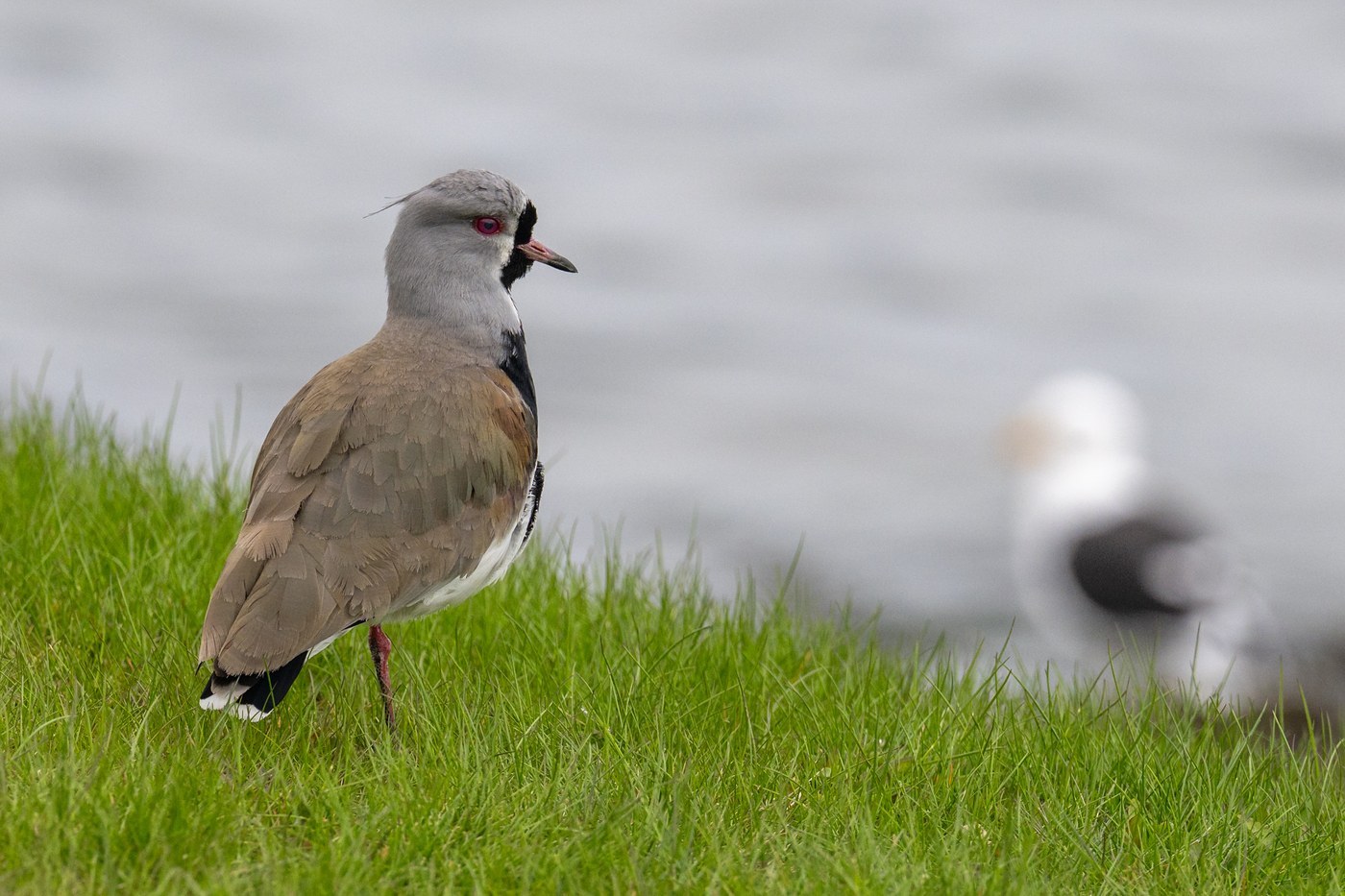
Southern Lapwing
Body, flight, and tail feathers

Jack Snipe
Body and flight feathers

Far Eastern Curlew
Body, flight, and tail feathers

Terek Sandpiper
Body and flight feathers

Wilson's Phalarope
Body and flight feathers
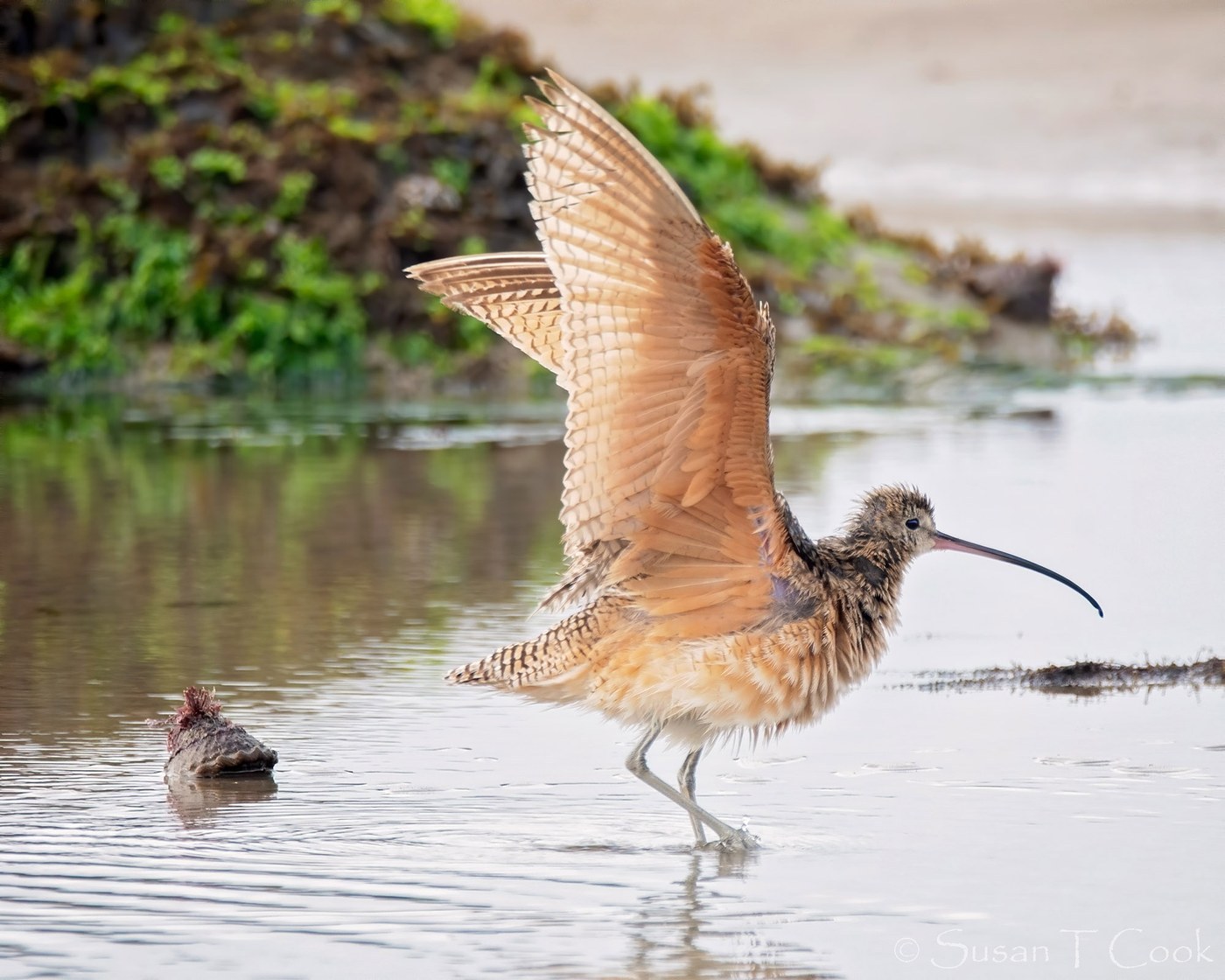
Long-billed Curlew
Body, flight, and tail feathers

Upland Sandpiper
Body, flight, and tail feathers

Red Phalarope
Body and flight feathers

Eurasian Dotterel
Body feathers
Masked Lapwing
Body, flight, and tail feathers
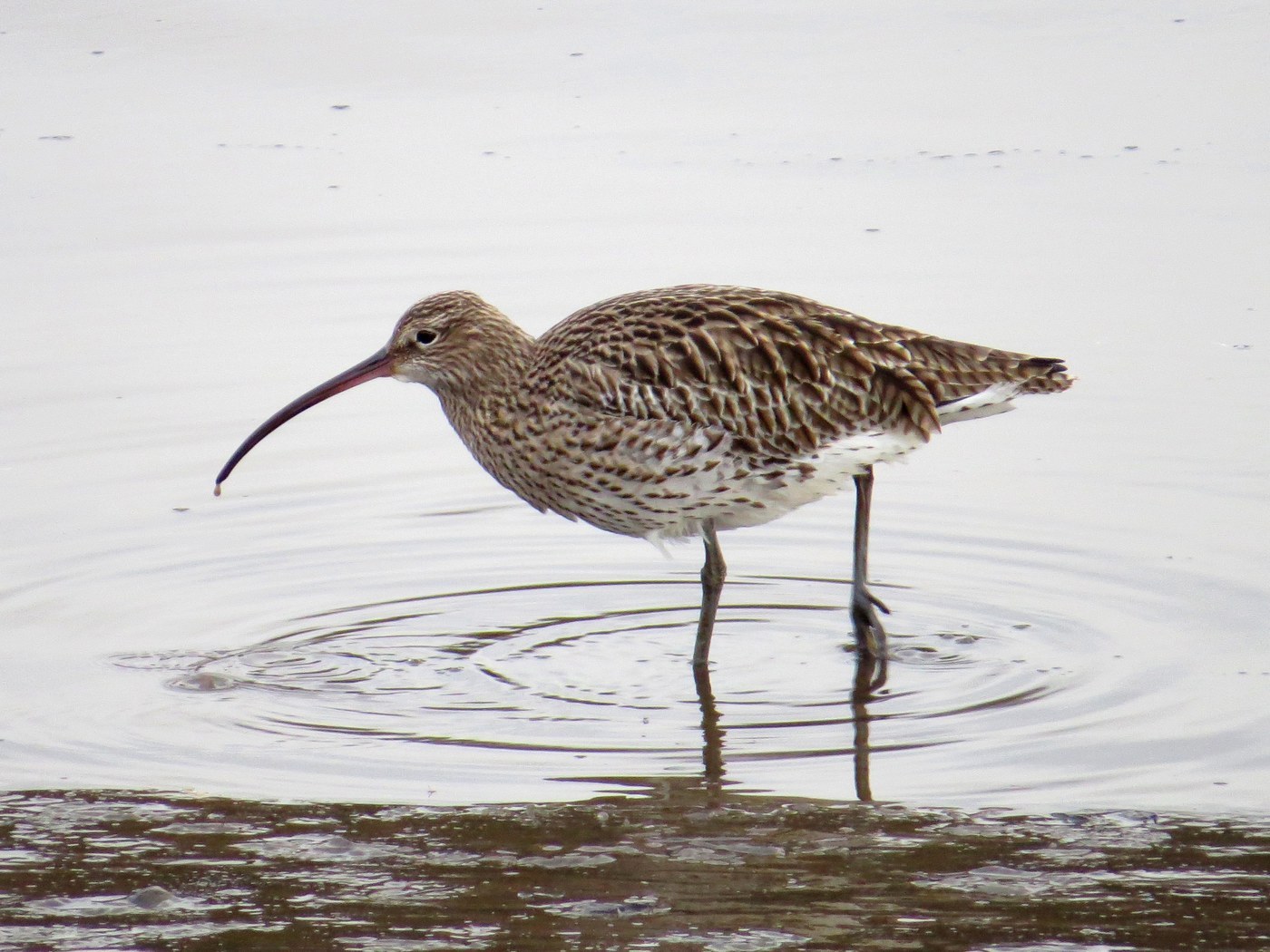
Eurasian Curlew
Body, flight, and tail feathers
Solitary Sandpiper
Contour and flight feathers