

Berylline Hummingbird
Amazilia beryllina
A coppery-green montane hummingbird whose folded wings show a flash of rufous not typically visible in similar species until it takes flight.
- Feather type
- Coppery-green body feathers, rufous flight feathers
- Colours
- Coppery-green throat and breast, rufous wing patches, reddish bill
- Bird size
- Small to medium, ~10 cm
Found a feather like this?
Identify any feather from a photo, free.
Overview
Overview
The Berylline Hummingbird occupies pine-oak canyons and woodland in the mountains of Mexico, with occasional records extending into the southwestern United States. Its overall coppery-green coloring can look similar to several related Amazilia hummingbirds, but the rufous wing patches are a helpful and fairly reliable additional clue.
Both sexes show broadly similar coloring, with a metallic green to coppery-bronze wash across the throat, breast, and back, set off by chestnut-rufous tones visible in the wing when the bird is in flight or preening.
Identifying the Feather
Feather ID Notes
Body feathers show a rich coppery-green iridescence across throat, breast, and upperparts, without a sharply defined gorget patch. In flight, the primaries and secondaries show a rufous or chestnut cast, visible as a flash of warm color against the greener body - a useful mark not present in some similar species.
- Throat/breast feathers: coppery-green, glossy
- Wing feathers: rufous-chestnut tones, visible in flight
- Tail feathers: dark, often with a bronzy or rufous tinge
- Bill: red with a dark tip The rufous wing tones combined with overall coppery-green body color help distinguish this species from plainer green Amazilia hummingbirds.
Plumage & Molt
Plumage Details
Males and females are broadly similar, both showing the coppery-green body and rufous wing patches, though females may appear marginally duller. Juveniles show less saturated coloring and more diffuse rufous in the wing. There is no strong seasonal plumage variation, with feather quality refreshed by an annual molt.
Habitat & Range
Habitat & Range
This species is found in pine-oak forest, canyons, and woodland edge at moderate elevations primarily in Mexico, with the northern edge of its range occasionally reaching into the mountains of the southwestern United States. Most populations are resident, though some local elevational movement occurs outside the breeding season.
Behavior & Field Notes
Behavior & Field Notes
Berylline Hummingbirds feed on nectar from a variety of flowering trees and shrubs in oak and pine woodland and supplement their diet with small insects caught in flight or gleaned from vegetation. They can be territorial at productive nectar sources, including feeders where present. Nests are small, well-camouflaged cups built on horizontal branches. Calls include sharp chip notes and buzzy chattering during territorial disputes.
Frequently asked questions
How do you tell a Berylline Hummingbird from other green hummingbirds?
Look for rufous or chestnut tones in the wing feathers, visible especially in flight, combined with an overall coppery-green body.
Do males and females look very different?
No, they are broadly similar, with females showing only slightly duller coloring.
Where does the Berylline Hummingbird live?
Mainly in pine-oak forest and canyons in Mexico, occasionally reaching the southwestern United States.
Is this species migratory?
Most populations are resident, though some local movement to different elevations can occur seasonally.
Berylline Hummingbird guides
In-depth guides for identifying and understanding Berylline Hummingbird.

Other feathers you may enjoy

Speckled Hummingbird
Small contour feathers with fine speckled underpart markings
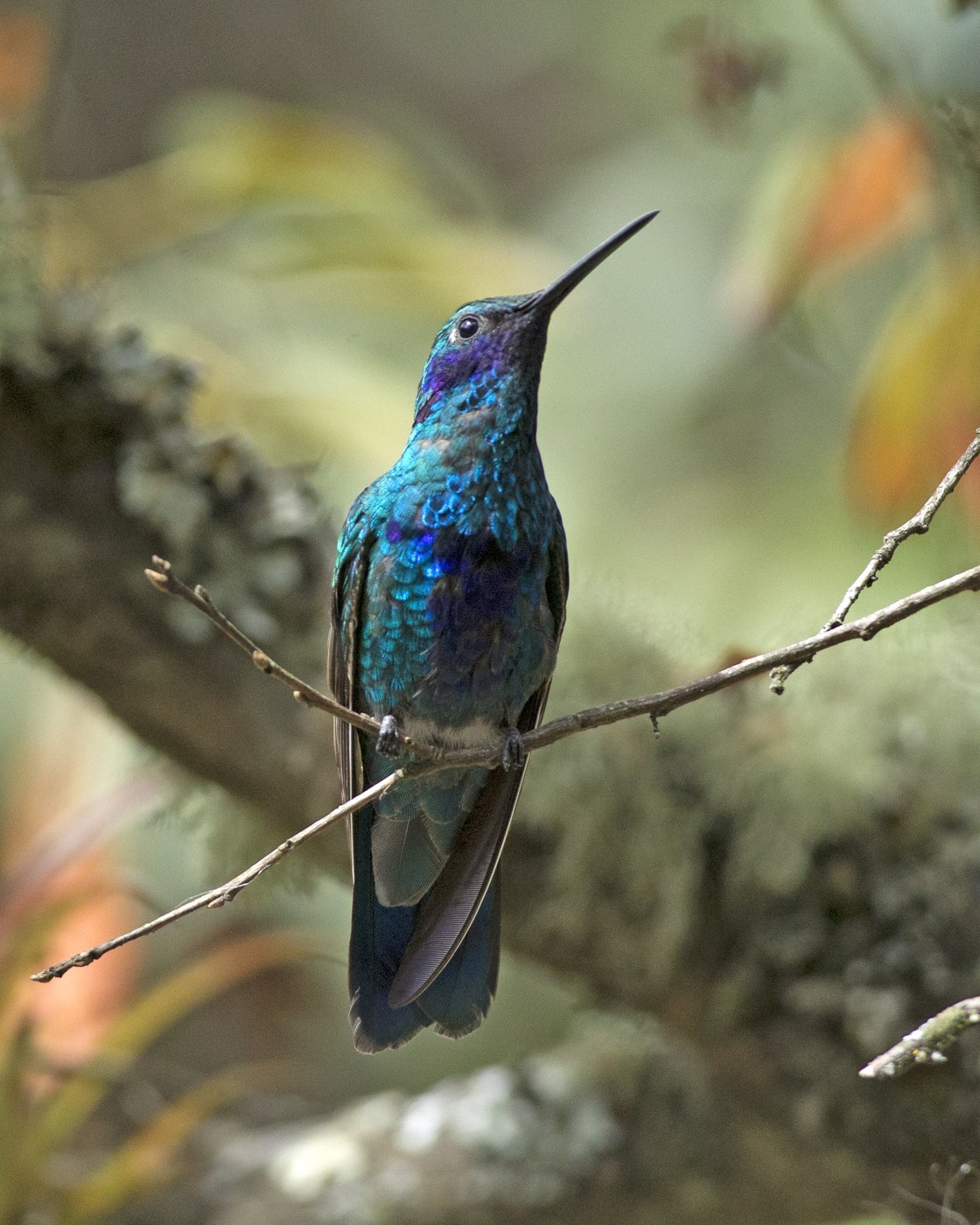
Sparkling Violetear
Iridescent body feathers, large violet ear and chest patches
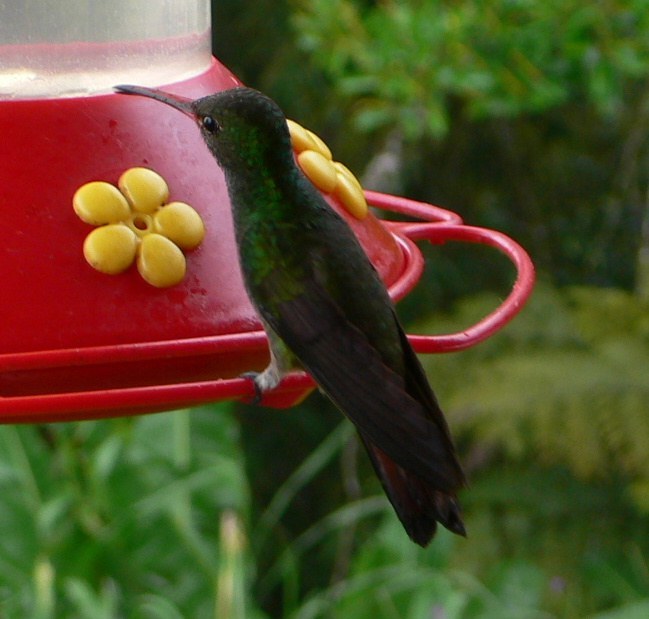
Rufous-tailed Hummingbird
Iridescent throat and breast feathers, rufous tail feathers

Rufous-breasted Hermit
Slightly decurved bill with rufous-washed contour feathers
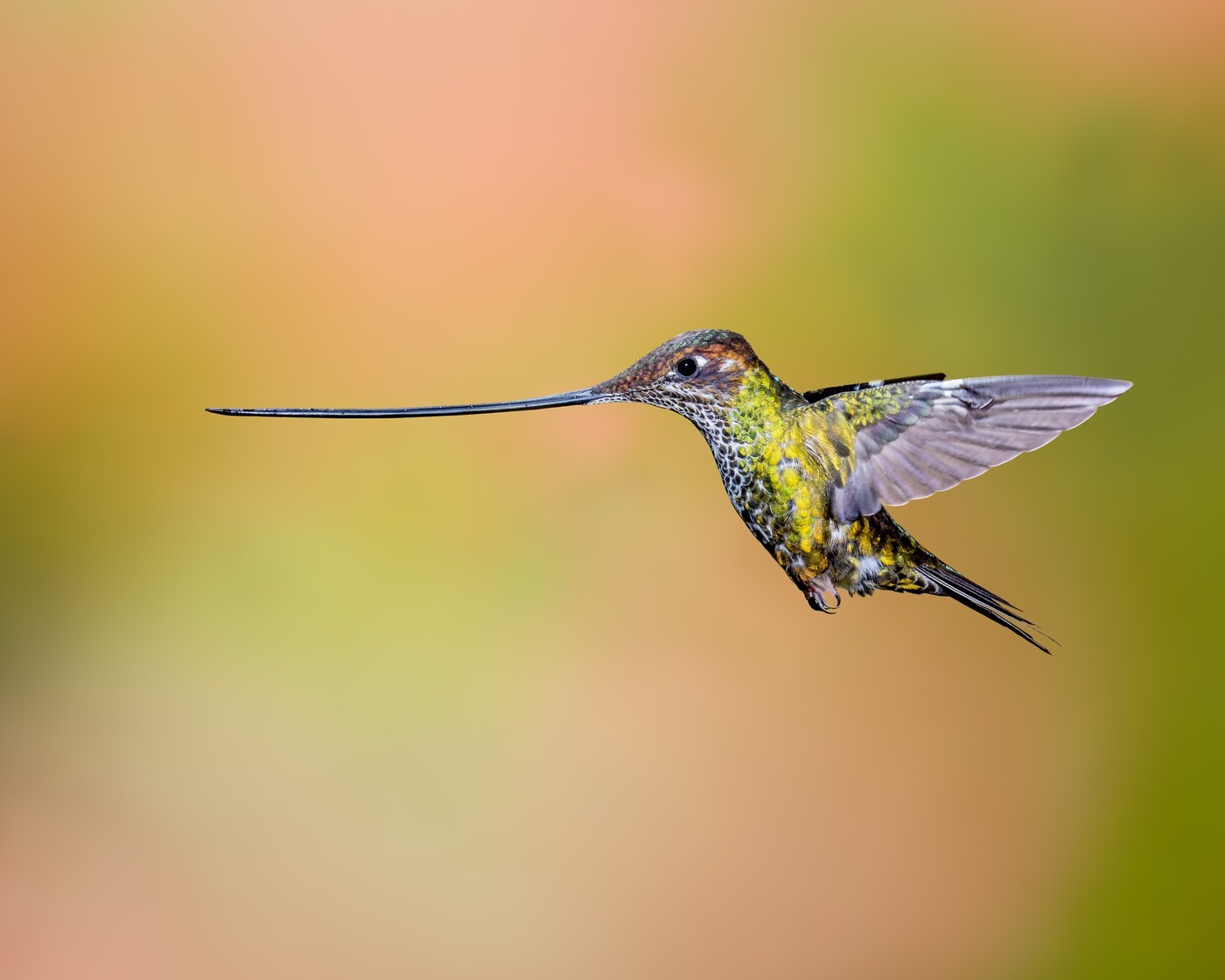
Sword-billed Hummingbird
Iridescent body feathers, extraordinarily long bill (non-feather feature)
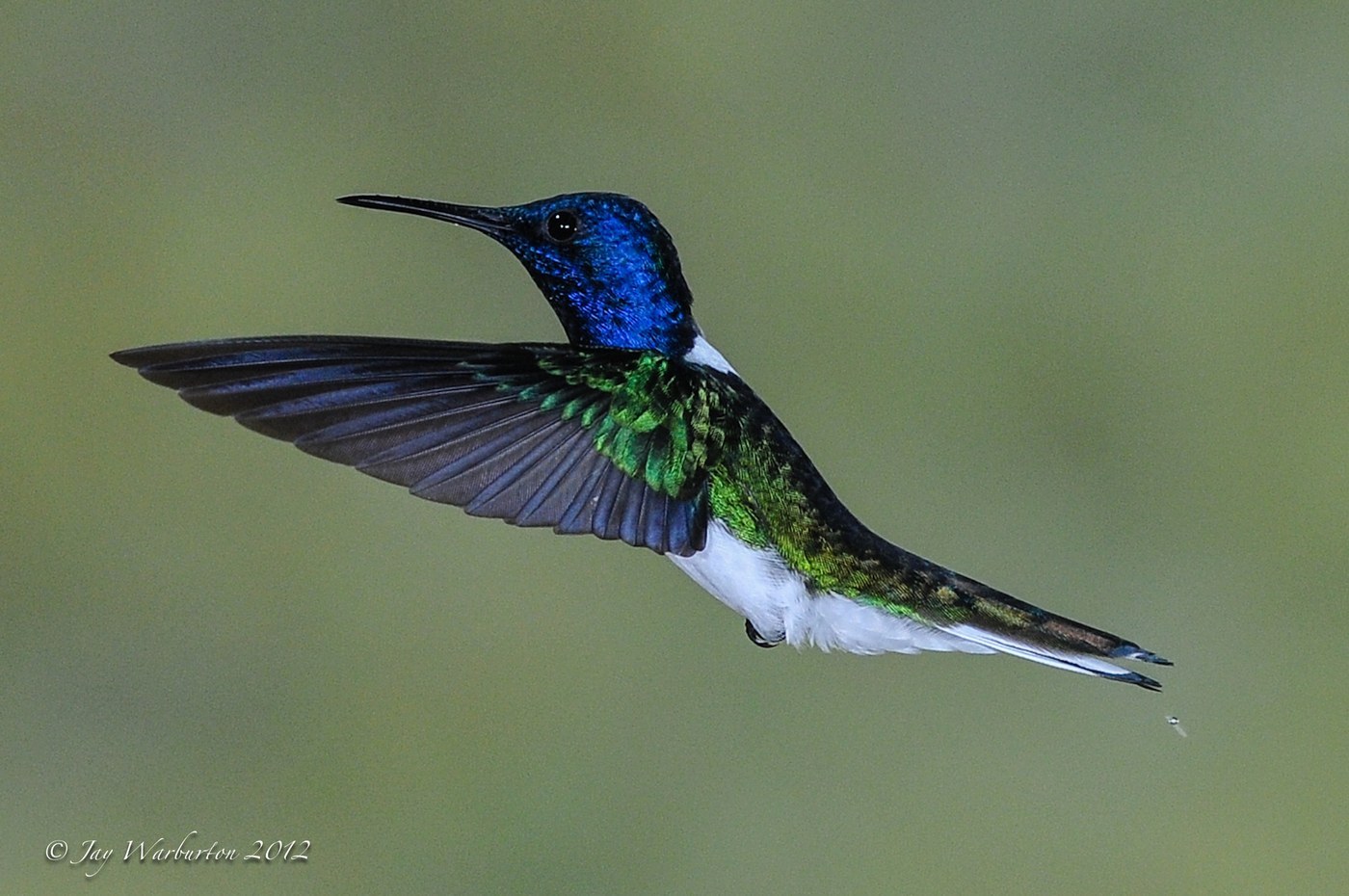
White-necked Jacobin
Iridescent head feathers, contrasting white nape and belly

White-eared Hummingbird
Iridescent gorget feathers, bold facial stripe
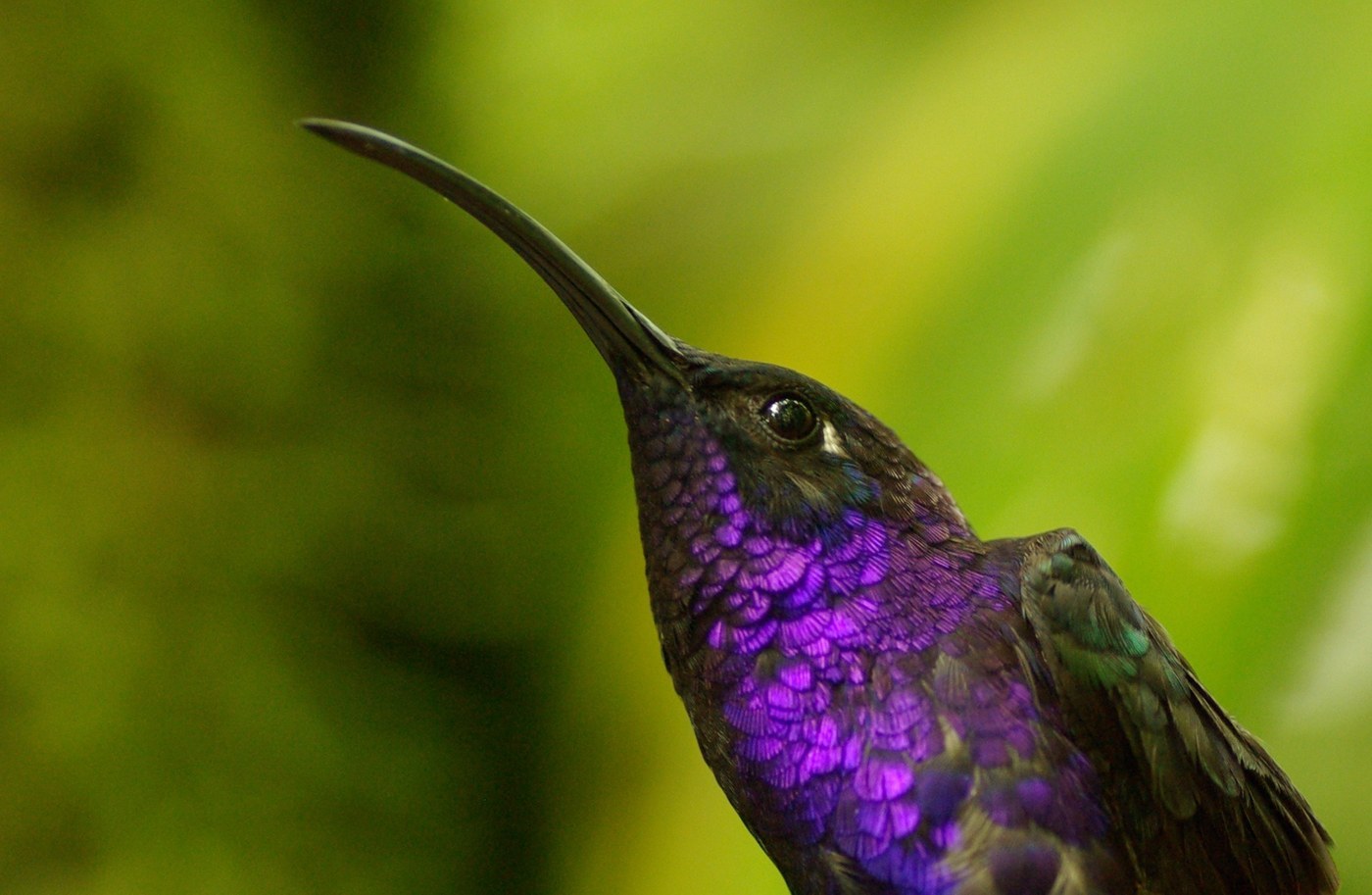
Violet Sabrewing
Iridescent body feathers, thickened curved primary shafts

Velvet-purple Coronet
Dense, velvety contour feathers with iridescent crown patch

Violet-crowned Hummingbird
Iridescent crown feathers, clean white underparts

Shining Sunbeam
Iridescent contour feathers with coppery-bronze wing sheen

Rufous Hummingbird
Tiny contour, gorget, and narrow flight feathers