
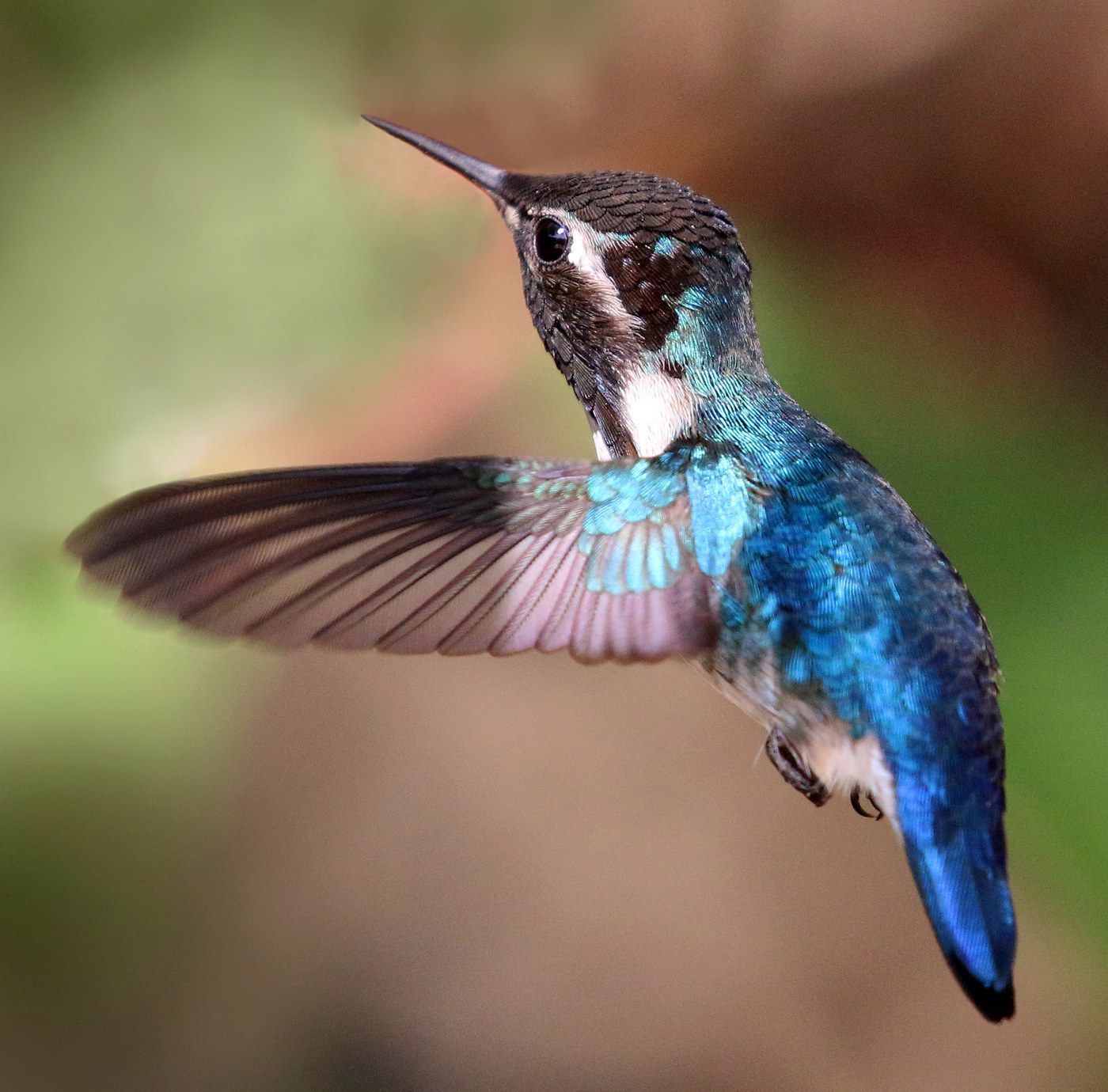
Bee Hummingbird
Mellisuga helenae
The smallest bird species on Earth, native only to Cuba, with breeding males showing a fiery, iridescent pink-red head and throat over a tiny bluish-green body.
- Feather type
- Elongated iridescent gorget plumes, tiny body feathers
- Colours
- Fiery pink-red throat and crown (male), bluish-green upperparts
- Bird size
- Extremely tiny, ~5-6 cm - world's smallest bird
Found a feather like this?
Identify any feather from a photo, free.
Overview
Overview
The Bee Hummingbird, found only on Cuba and some of its surrounding islands, is the smallest bird species in the world, with adults weighing only a few grams. Its extremely small size, combined with fast, buzzing wingbeats, gives it a superficial resemblance to a large insect, hence the common name.
Breeding males develop an intensely iridescent, fiery pink-red plumage covering the head and throat, with elongated feathers along the sides of the throat that can appear to flare outward, while upperparts remain a glossy bluish-green.
Identifying the Feather
Feather ID Notes
Breeding male feathers on the crown and throat show an intense, fiery pink-red iridescence, with some throat feathers elongated into small tufts or streamers along the sides. Outside the breeding season, males can show a duller, more mixed throat color as new feathers grow in. Upperpart feathers remain bluish-green year-round.
- Crown/throat feathers (breeding male): fiery pink-red, iridescent, some elongated
- Upperpart feathers: bluish-green, glossy
- Underparts: grayish-white
- Overall size: exceptionally tiny, among the smallest feathers of any bird species The extremely small overall size combined with the male's fiery throat color is unique among hummingbirds and not shared with any other species in its native range.
Plumage & Molt
Plumage Details
Breeding males show the vivid pink-red head and throat described above; outside the breeding period, male throat color can appear patchier or duller as fresh feathers replace worn ones. Females lack the colorful throat, showing white underparts, greenish upperparts, and white-tipped outer tail feathers. Juveniles resemble females. The species undergoes an annual molt, with breeding-plumage males looking most vivid during the courtship period.
Habitat & Range
Habitat & Range
The Bee Hummingbird is endemic to Cuba and a few adjacent islets, inhabiting forest edge, scrubby woodland, gardens, and swampy thickets with abundant flowering plants. It does not migrate, remaining resident within its limited island range year-round.
Behavior & Field Notes
Behavior & Field Notes
Bee Hummingbirds feed on nectar from a wide variety of small flowers, using their tiny size and rapid wingbeats to hover with great precision, and they also take small insects and spiders for additional protein. Males perform courtship displays involving fast, looping flights to show off their throat color. Nests are exceptionally small cups built from plant fibers and spider silk, camouflaged with lichen. Calls are high-pitched, thin chips, often hard to distinguish from ambient insect sounds.
Frequently asked questions
What makes the Bee Hummingbird's feathers so distinctive?
Breeding males show an intensely fiery pink-red iridescence across the crown and throat, some feathers elongated into small streamers.
Is the Bee Hummingbird really the smallest bird in the world?
Yes, it holds the distinction of being the smallest known bird species, found only on Cuba.
Do females look like males?
No, females lack the colorful throat and crown, showing plainer white underparts and greenish upperparts.
Where is the Bee Hummingbird found?
It is endemic to Cuba and a few nearby islets, where it remains resident year-round.
Bee Hummingbird guides
In-depth guides for identifying and understanding Bee Hummingbird.
Other feathers you may enjoy

Speckled Hummingbird
Small contour feathers with fine speckled underpart markings
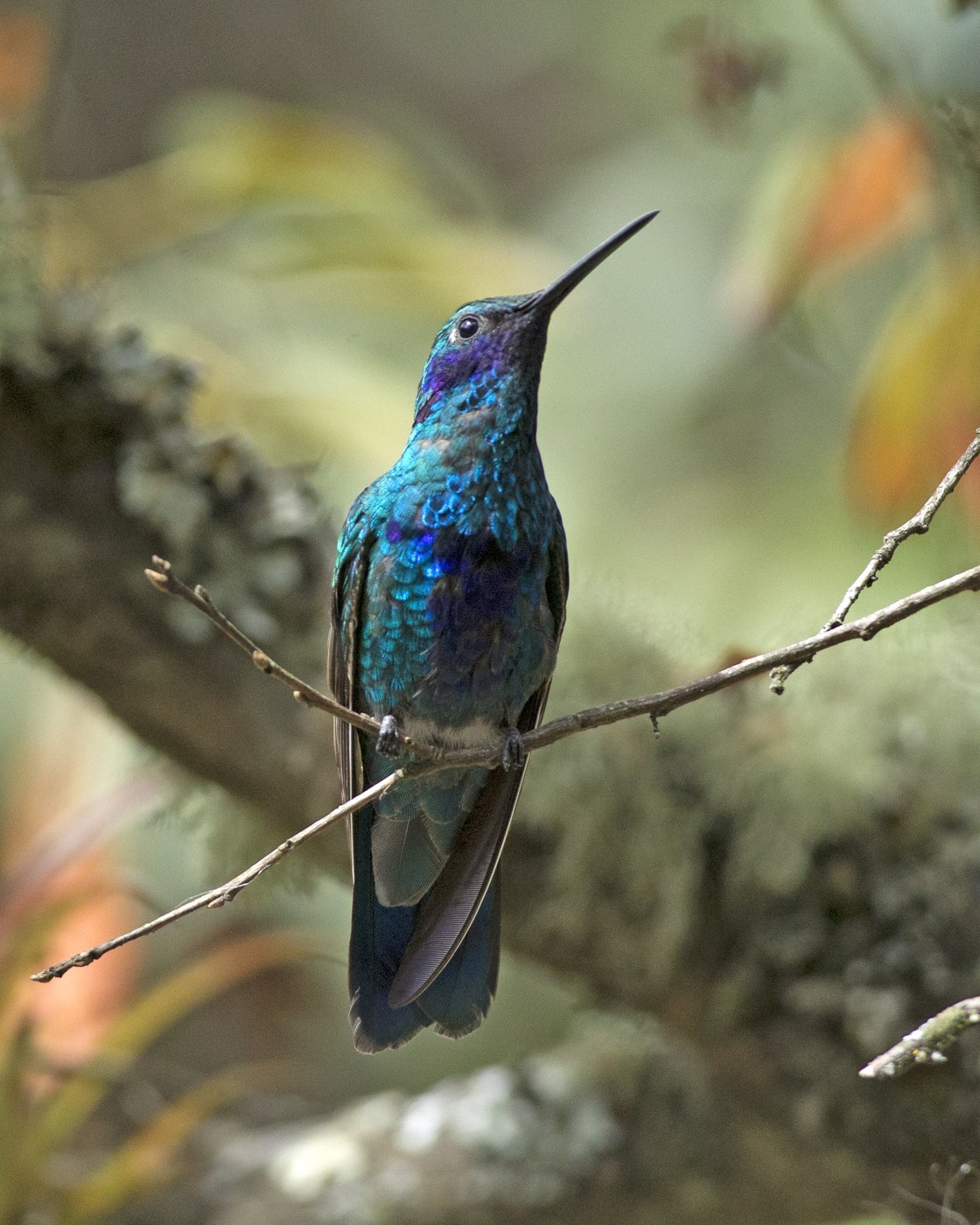
Sparkling Violetear
Iridescent body feathers, large violet ear and chest patches
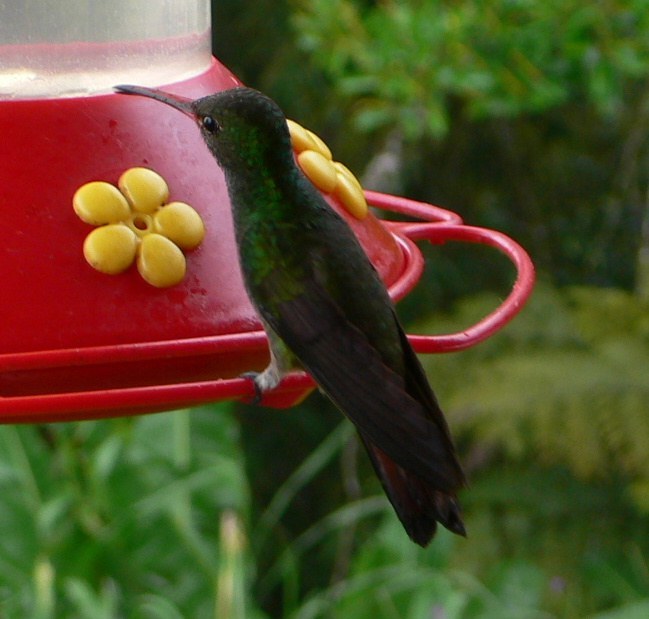
Rufous-tailed Hummingbird
Iridescent throat and breast feathers, rufous tail feathers

Rufous-breasted Hermit
Slightly decurved bill with rufous-washed contour feathers
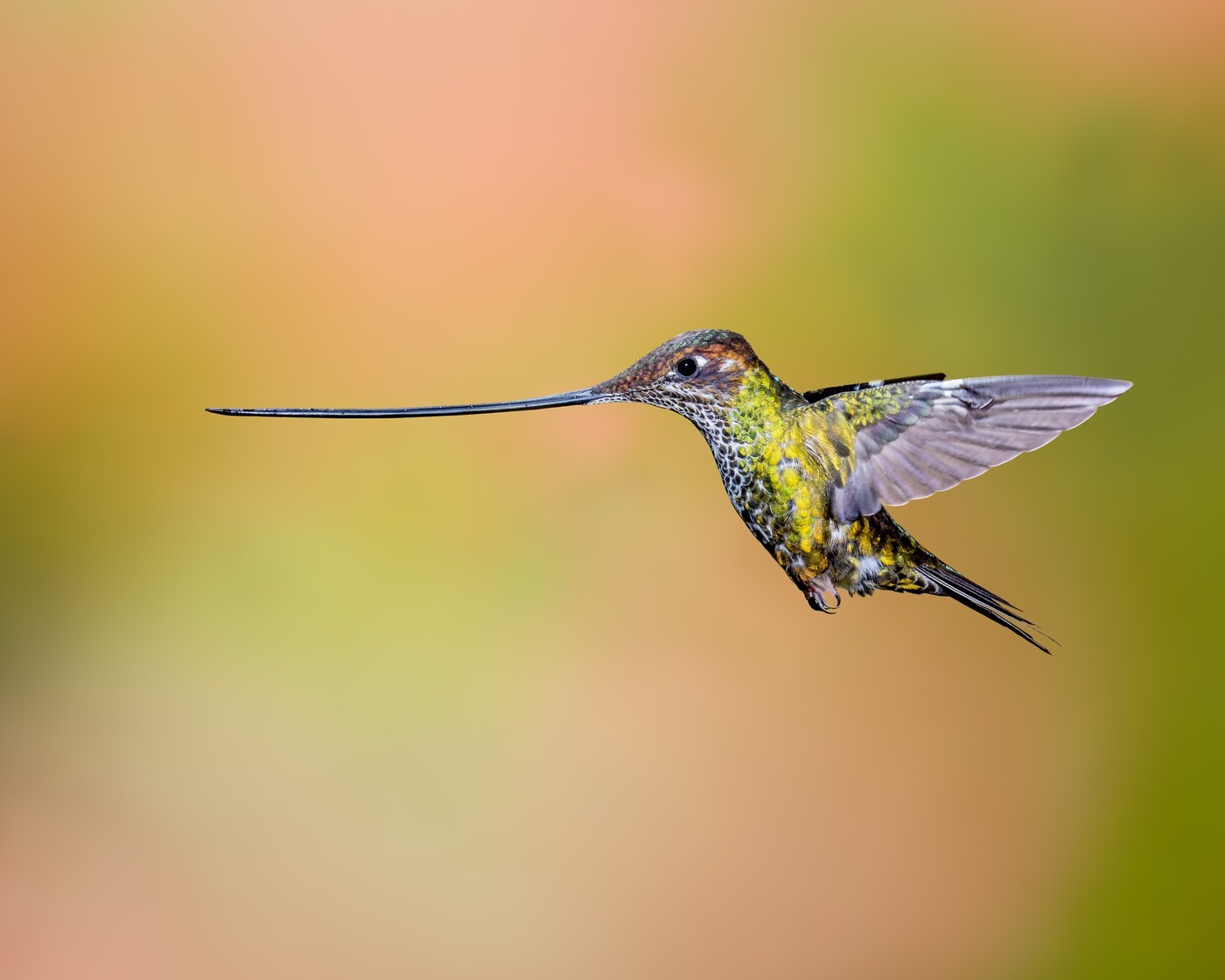
Sword-billed Hummingbird
Iridescent body feathers, extraordinarily long bill (non-feather feature)
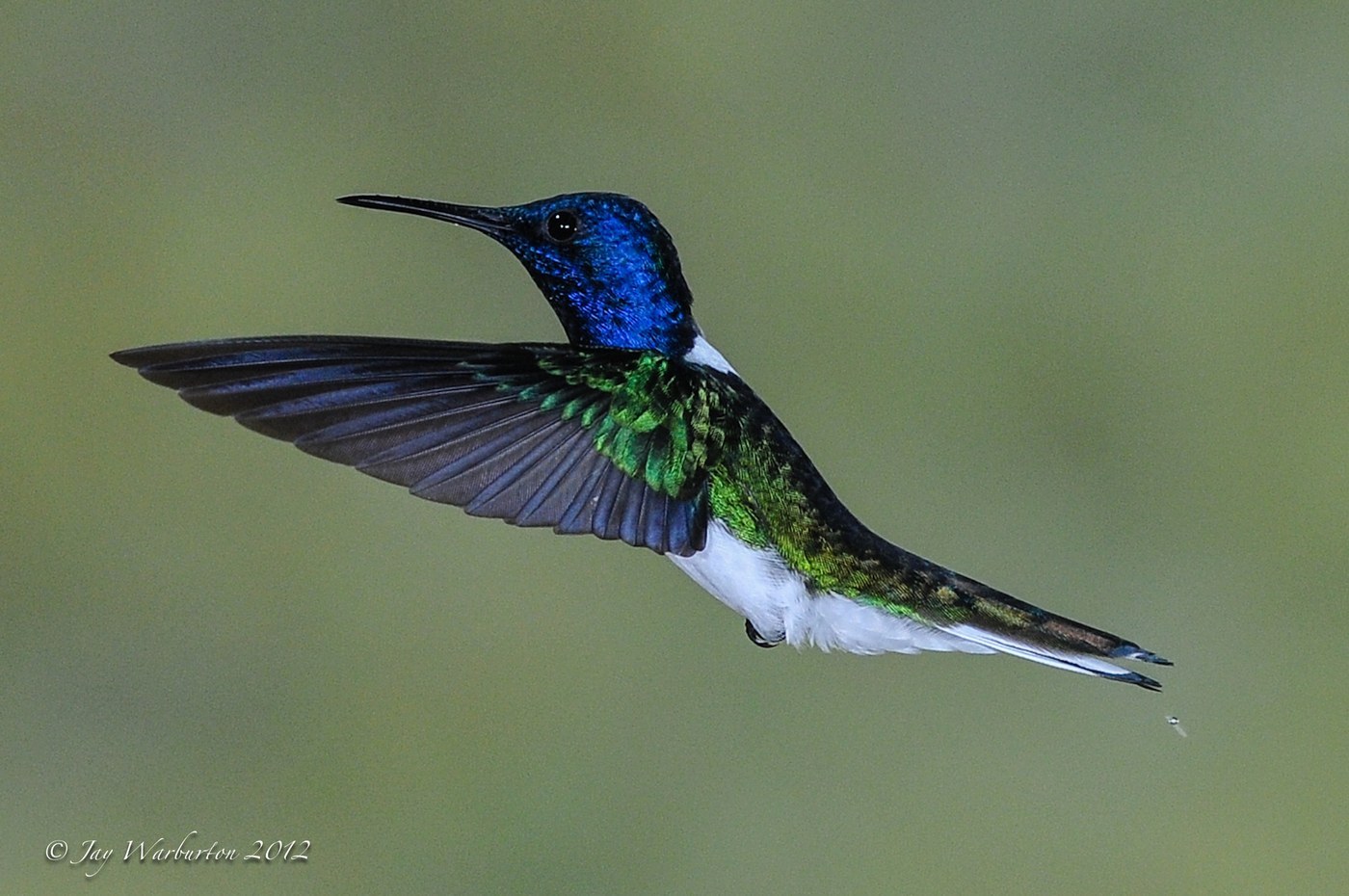
White-necked Jacobin
Iridescent head feathers, contrasting white nape and belly

White-eared Hummingbird
Iridescent gorget feathers, bold facial stripe
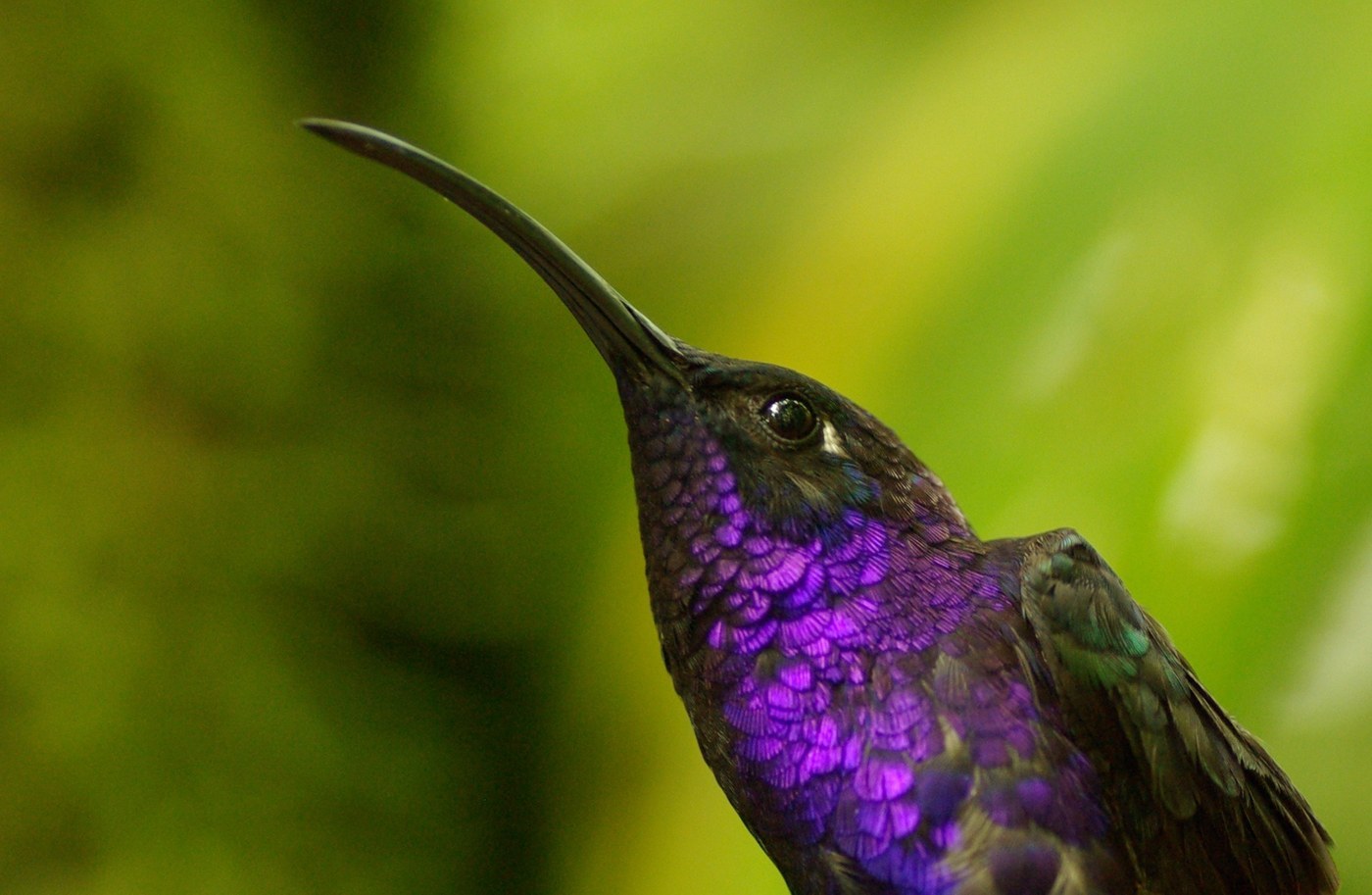
Violet Sabrewing
Iridescent body feathers, thickened curved primary shafts

Velvet-purple Coronet
Dense, velvety contour feathers with iridescent crown patch

Violet-crowned Hummingbird
Iridescent crown feathers, clean white underparts

Shining Sunbeam
Iridescent contour feathers with coppery-bronze wing sheen

Rufous Hummingbird
Tiny contour, gorget, and narrow flight feathers