
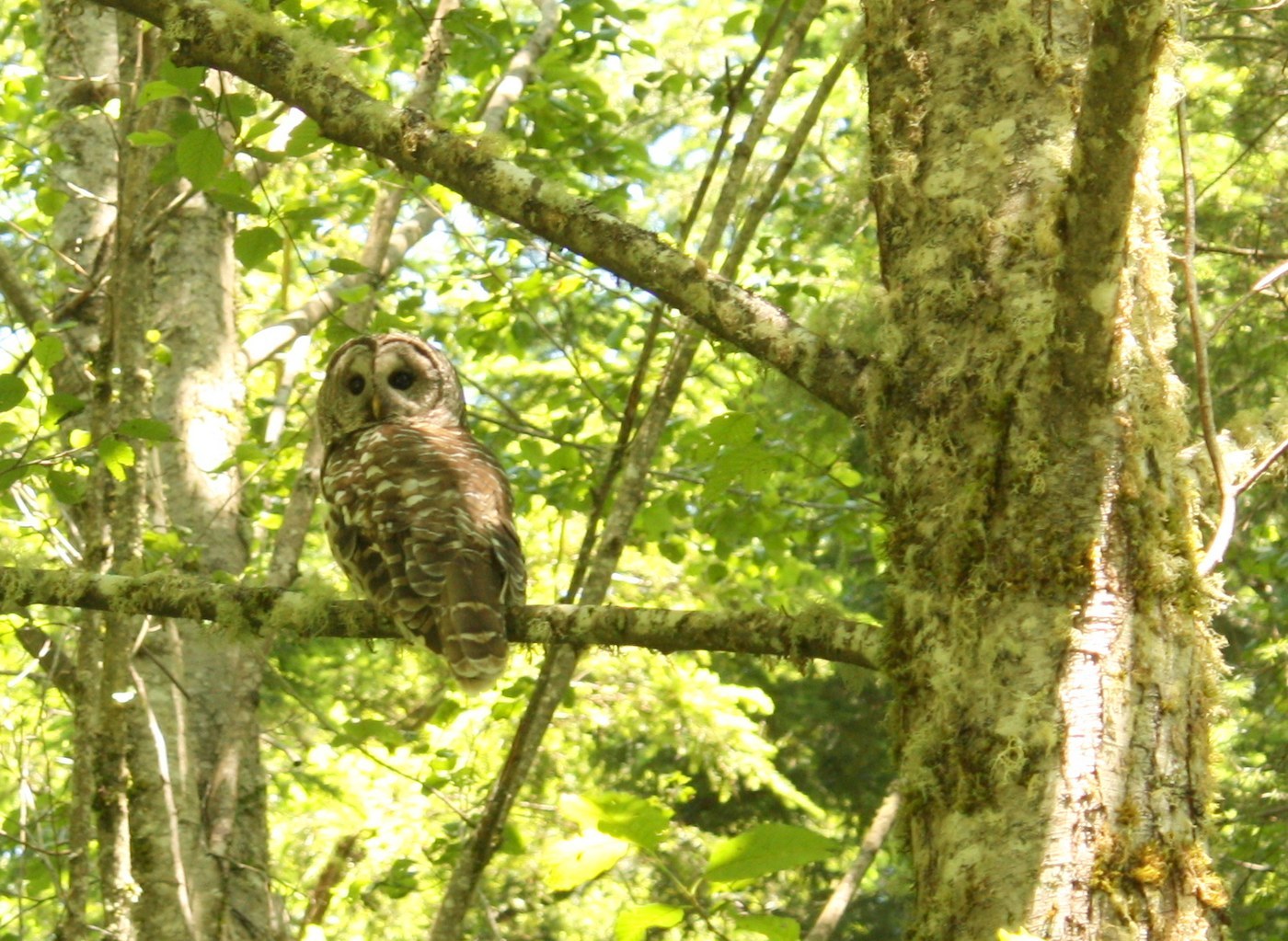
Barred Owl
Strix varia
A large, round-headed owl of eastern North American forests, known for its dark eyes and the distinctive combination of horizontal chest barring and vertical belly streaking on its plumage.
- Feather type
- Soft-fringed flight feathers; barred and streaked body feathers
- Colours
- Brown and white with horizontal barring on the chest and vertical streaking on the belly
- Bird size
- Large, ~43-50 cm
Found a feather like this?
Identify any feather from a photo, free.
Overview
The Barred Owl is a large, non-eared owl native to mature forests of eastern North America, now also well established in the Pacific Northwest after expanding its range westward over the past century.
It has a rounded head with no ear tufts, dark brown eyes (unusual among large owls, most of which have yellow or orange eyes), and a distinctive plumage pattern combining horizontal barring across the upper chest with vertical streaking on the belly.
Its feathers show the classic soft, fringed structure of forest owls, adapted for silent flight beneath a closed canopy, and its westward range expansion has made it an important conservation concern where it competes with the Spotted Owl.
Identifying the Feather
Recognizing the feathers
- Chest feathers show bold horizontal (crosswise) brown-and-white barring - a distinctive pattern shared by few other North American owls.
- Belly feathers switch to vertical (lengthwise) brown streaking rather than barring, a two-pattern combination unique to this species among common owls.
- Upperside feathers are brown mottled with white spotting.
- Flight feathers are broad with soft fringed edges typical of forest-dwelling owls, for near-silent flight.
Similar species
- The combination of horizontal chest barring transitioning to vertical belly streaking separates this species from the Spotted Owl, which shows white spotting throughout rather than barring and streaking, and from the Great Horned Owl, which has prominent ear tufts and finer overall mottling.
Plumage & Molt
Plumage
Adults show grey-brown upperparts with white spotting, a whitish facial disc without dark rims, dark brown eyes, and the signature barred-chest/streaked-belly pattern below. Sexes look alike, with females somewhat larger.
Juveniles show a fluffier, more uniformly barred down-covered plumage before fledging, gradually molting into adult-like patterning.
Molt occurs over summer and early fall, with flight feathers replaced in a gradual sequence that preserves flight capability.
Habitat & Range
Habitat & range
Native to mature deciduous and mixed forests of eastern North America, often near swamps, rivers, or other wetlands. Over the twentieth century it expanded across the boreal forest of Canada into the Pacific Northwest, where it now occupies old-growth habitat historically used by the Spotted Owl.
It is largely non-migratory, holding stable year-round territories.
Behavior & Field Notes
Behavior & field notes
A generalist nocturnal hunter of small mammals, birds, amphibians, and other prey, often perching low over water or forest openings to hunt.
Its famous call, often rendered as "who cooks for you, who cooks for you all," is among the most recognizable owl vocalizations in North America.
A feather showing bold horizontal barring on the chest transitioning to vertical streaking on the belly, found in mature forest near water, is a strong indicator of this species.
Frequently asked questions
What is the key feather feature that identifies a Barred Owl?
Horizontal barring across the upper chest that changes to vertical streaking on the belly - a combination distinctive among common owls.
How is this different from a Spotted Owl feather?
Spotted Owl feathers show white spotting throughout the body rather than the barred-then-streaked pattern of the Barred Owl.
Does the Barred Owl have ear tufts?
No, it has a rounded head with no ear tufts, unlike Great Horned or Long-eared Owls.
Where has this species recently expanded its range?
It has expanded from eastern North America westward into the Pacific Northwest, now overlapping with the Spotted Owl.
Barred Owl guides
In-depth guides for identifying and understanding Barred Owl.
Barred Owl identified by the community
Real feathers identified with Feather Identifier.


Other feathers you may enjoy

Tawny Owl
Wing (flight) and body (contour) feathers
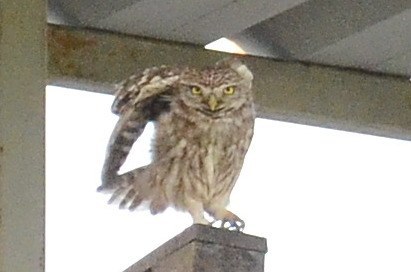
Little Owl
Wing and body feathers

Balsas Screech-Owl
Small ear-tuft feathers; soft, finely vermiculated body feathers

Blakiston's Fish Owl
Massive flight feathers with looser structure; shaggy body plumage; prominent ear-tuft feathers

Barn Owl
Wing and facial-disc feathers
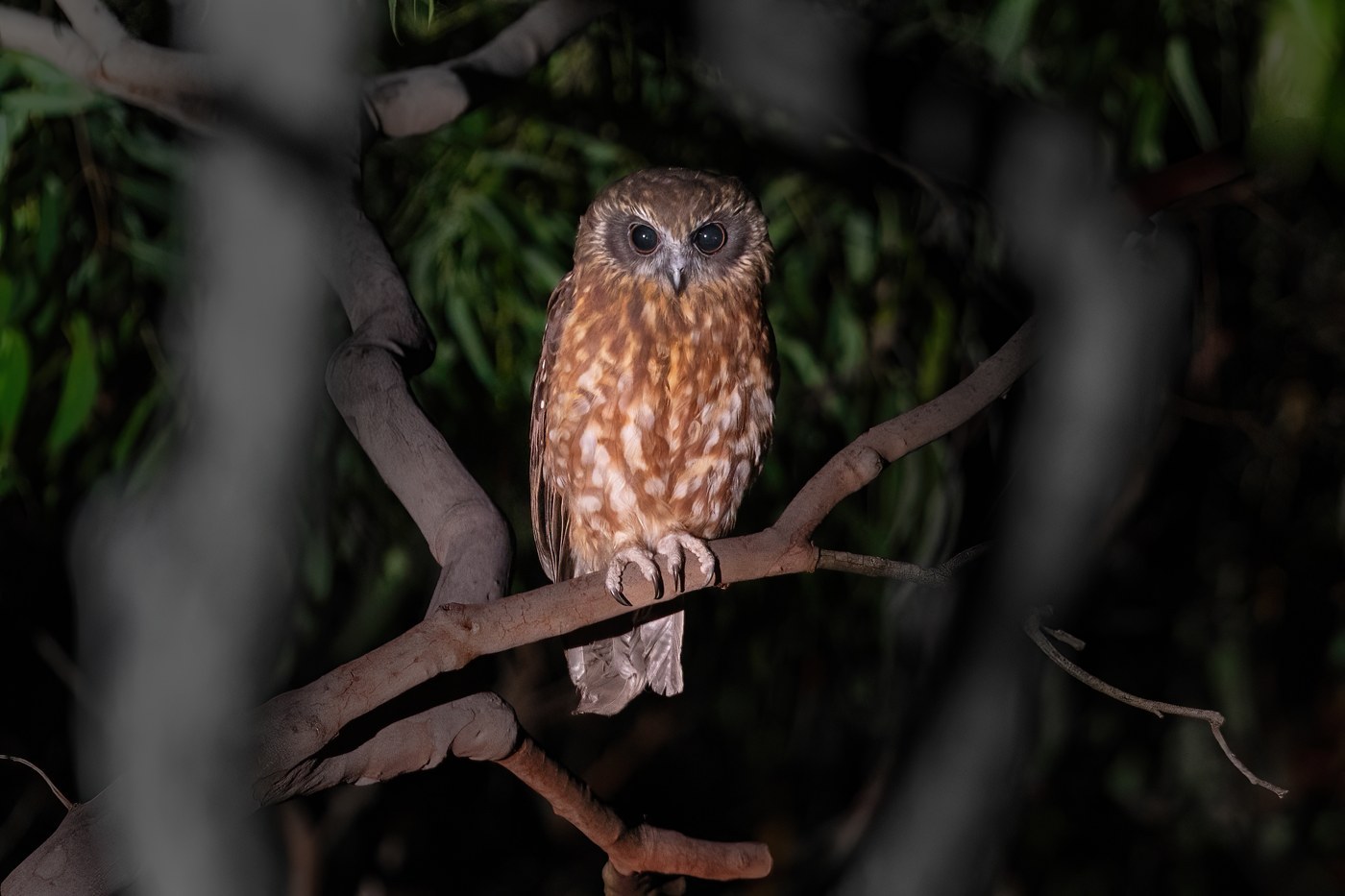
Southern Boobook
Rounded flight feathers; banded tail; spotted body plumage

Sooty Owl
Broad soft-edged flight feathers; heart-shaped facial disc feathers; finely speckled body plumage

Short-eared Owl
Broad soft-fringed flight feathers; streaked body feathers; tiny, rarely visible ear tufts

Stygian Owl
Dark, mottled flight and body feathers with long, closely-set ear tufts
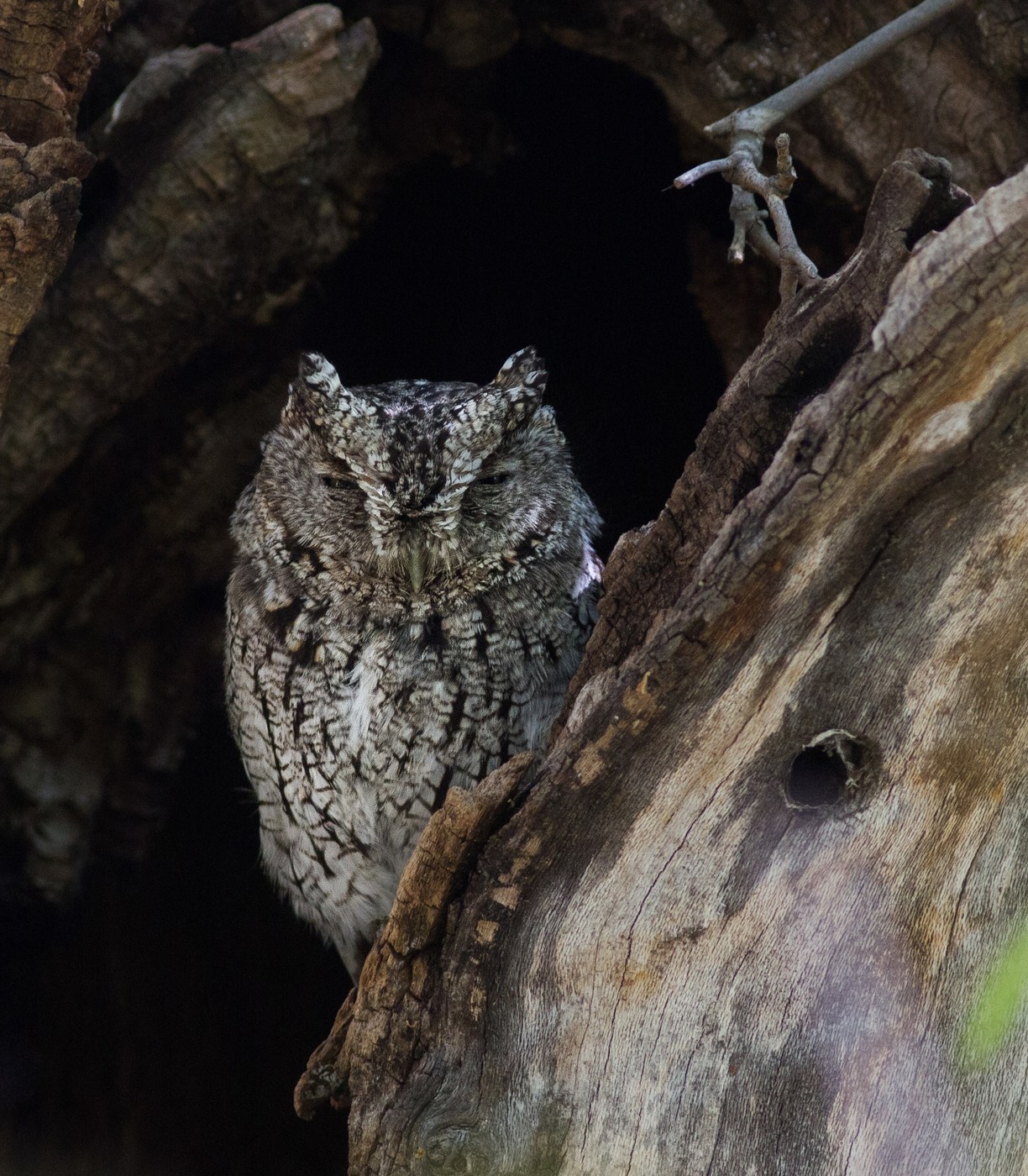
Whiskered Screech-Owl
Small soft-fringed flight feathers; finely mottled body feathers; short ear tufts
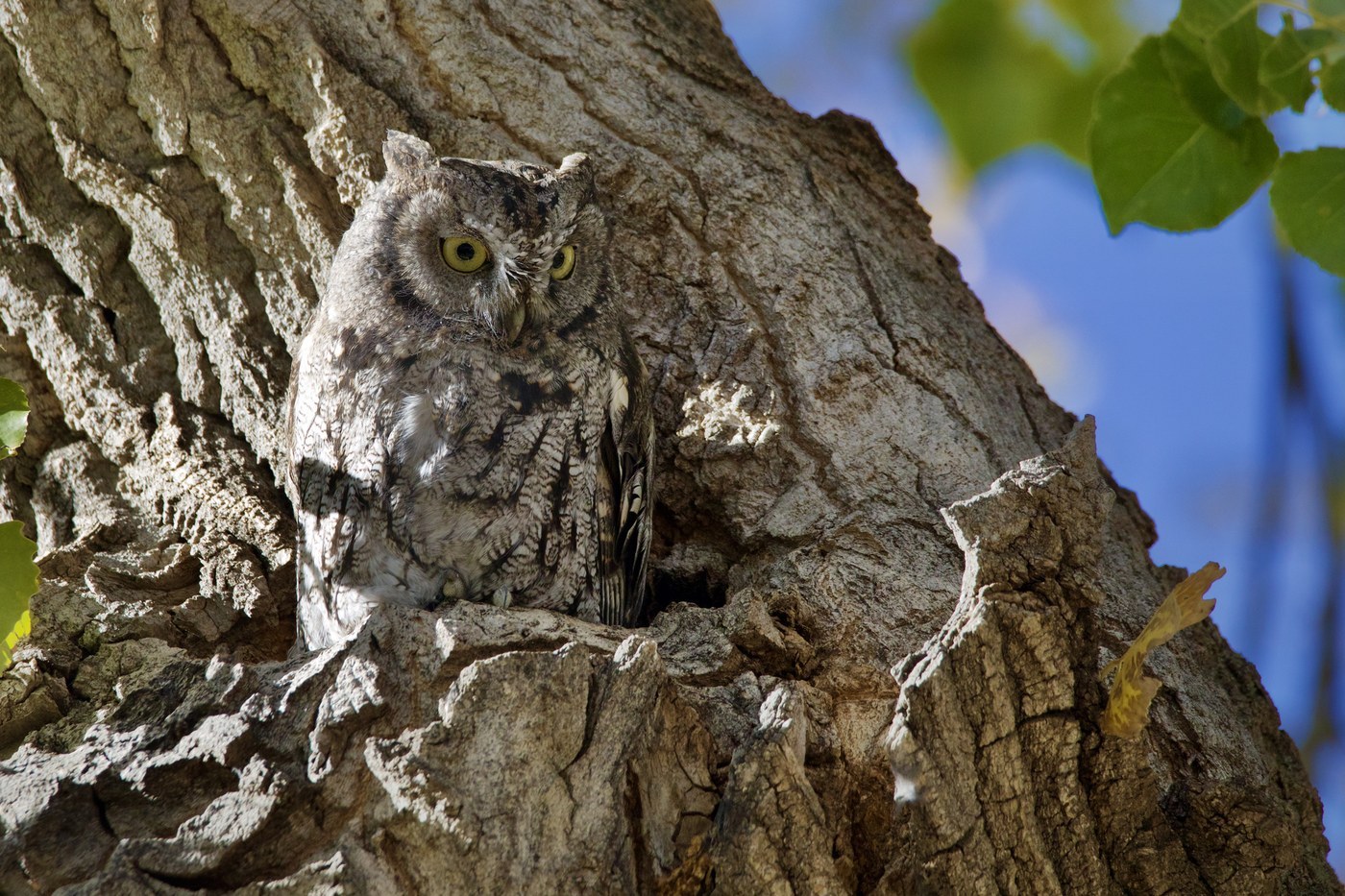
Western Screech-Owl
Small soft-fringed flight feathers; cryptic mottled/streaked body feathers; short ear tufts

White-faced Scops Owl
Small to medium flight feathers with a distinctive whitish facial disc and long ear-tuft plumes