

Baird's Sandpiper
Calidris bairdii
A long-winged, buff-toned sandpiper whose folded wingtips extend noticeably past the tail, giving it an elongated, tapered silhouette.
- Feather type
- Contour and flight feathers
- Colours
- Buffy brown, scaly patterned
- Bird size
- Small to medium sandpiper, ~14-18 cm
Found a feather like this?
Identify any feather from a photo, free.
Overview
Overview
The Baird's Sandpiper is a slender, buff-toned shorebird distinguished by unusually long wings that extend well past the tip of the tail when folded, giving it a distinctly attenuated, elongated shape compared to other small sandpipers. Upperparts show a scaly, buff-brown pattern created by pale feather fringes on a darker base, while the breast carries a light buffy wash with fine streaking. It favors drier habitats than many related peeps.
It undertakes one of the longest migrations of any shorebird, breeding in the high Arctic and wintering in southern South America.
Identifying the Feather
Feather Identification
- Wing length: Long primaries extend noticeably beyond the tip of the tail on standing birds, a useful structural feature separating it from most other small sandpipers.
- Upperparts: Buffy brown feathers with pale, scaly-looking edges, giving a neat, evenly patterned back and scapulars.
- Breast: Light buff wash with fine, even streaking, fading to white on the belly without the sharp demarcation seen in the Pectoral Sandpiper.
- Bill and legs: Short, straight, black bill and black legs, both fairly fine and delicate.
- Compared to similar species: The long wing projection past the tail and buffy, evenly scaled upperparts distinguish it from the White-rumped Sandpiper, which shows a more contrasting white rump and grayer tones.
Plumage & Molt
Plumage Notes
Breeding and non-breeding adults look fairly similar, both retaining the buffy, scaly-patterned upperparts, though non-breeding birds are slightly plainer and grayer overall. Sexes look alike. Juveniles show the brightest, most crisply scaled buff-fringed feathers on the back, often appearing more strikingly patterned than adults during fall migration.
Habitat & Range
Habitat & Range
Baird's Sandpipers breed on high Arctic tundra across northern Canada, Alaska, and easternmost Siberia. They undertake one of the longest migrations of any shorebird, traveling to winter in the high grasslands and altiplano of southern South America, favoring drier habitats such as short-grass fields, lake edges, and mudflats along the way rather than deep mud or standing water.
Behavior & Field Notes
Behavior & Field Notes
This species forages by picking small invertebrates from dry or lightly moist ground, often favoring drier margins of wetlands and grassy fields rather than deep mud, distinguishing its habitat choice from many other small sandpipers. Its call is a low, rolling "kreep" or "krrit." Nesting occurs on the ground on open Arctic tundra, often in fairly barren, sparsely vegetated terrain.
Frequently asked questions
What color are Baird's Sandpiper feathers?
Buffy brown upperparts with pale, scaly-looking feather edges, and a light buff wash with fine streaking across the breast.
How can I identify a Baird's Sandpiper by wing length?
Its long primary feathers extend noticeably beyond the tip of the tail when the wings are folded, an unusual feature among small sandpipers.
Does the Baird's Sandpiper prefer wet or dry habitat?
It favors drier ground such as short-grass fields and dry lake edges more than the deep mud favored by many other small sandpipers.
Where would I find a Baird's Sandpiper feather?
Around dry grasslands, mudflats, and lake edges along its long migration route between the Arctic and southern South America.
Baird's Sandpiper guides
In-depth guides for identifying and understanding Baird's Sandpiper.

Other feathers you may enjoy
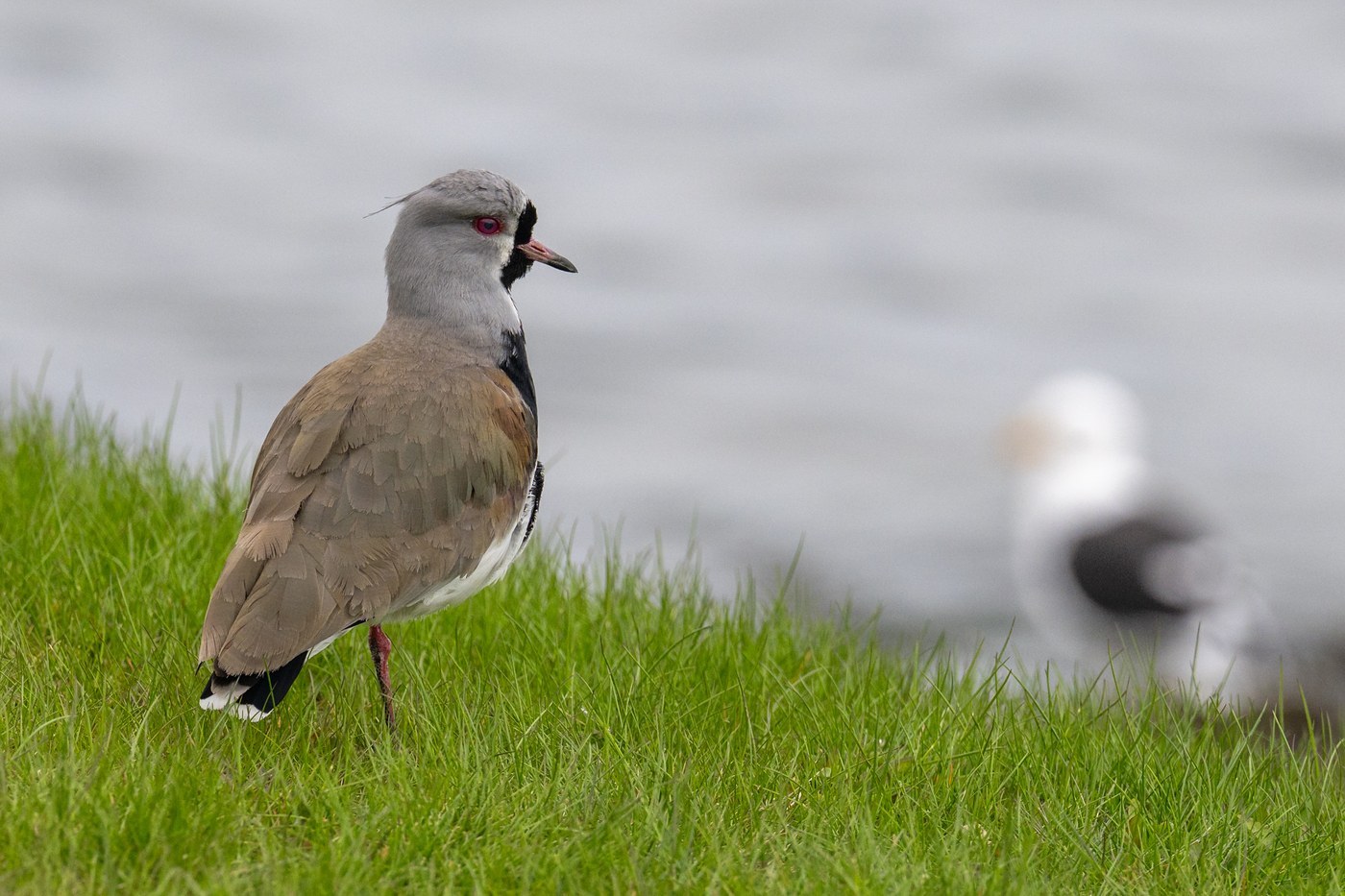
Southern Lapwing
Body, flight, and tail feathers

Jack Snipe
Body and flight feathers

Far Eastern Curlew
Body, flight, and tail feathers

Terek Sandpiper
Body and flight feathers

Wilson's Phalarope
Body and flight feathers
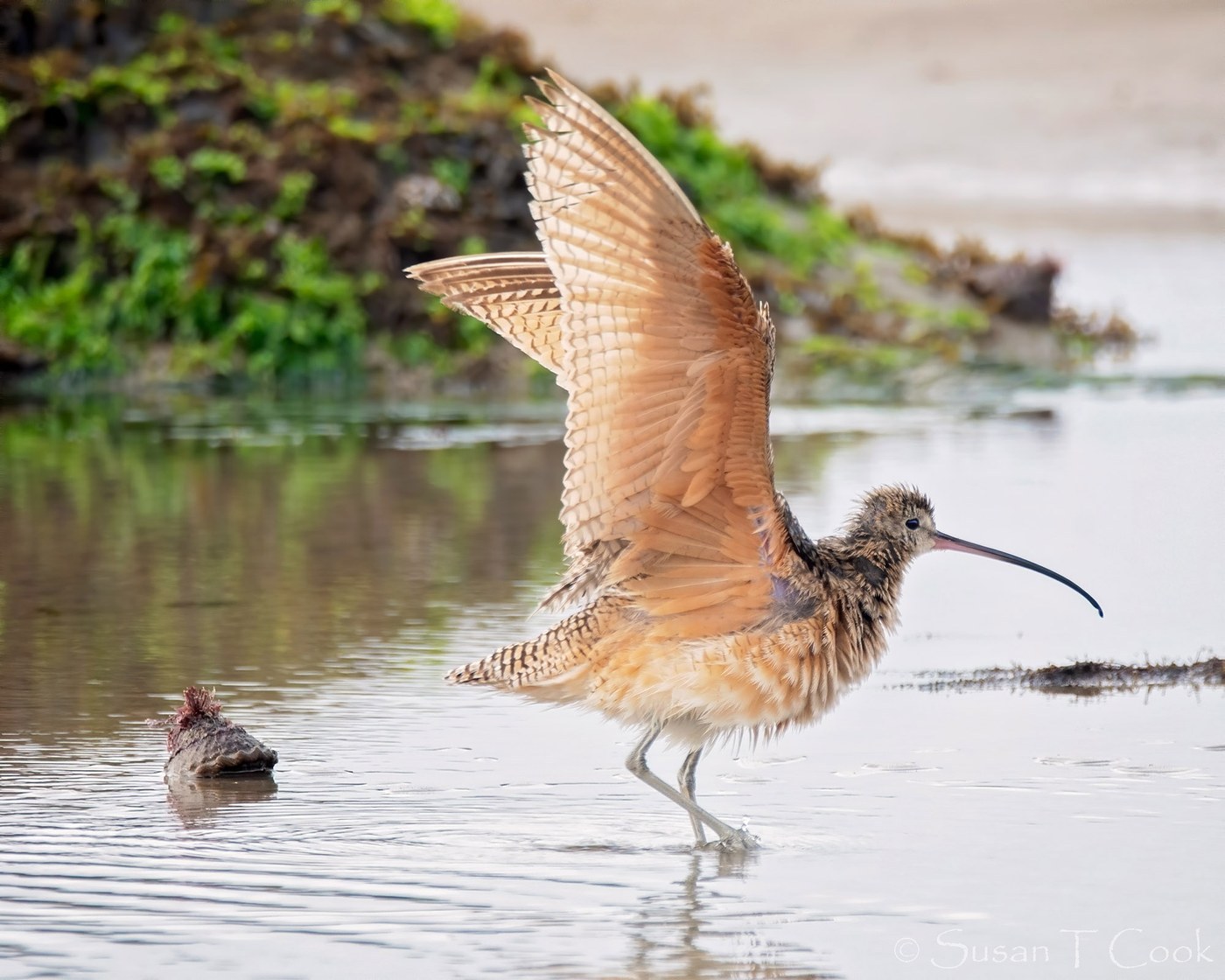
Long-billed Curlew
Body, flight, and tail feathers

Upland Sandpiper
Body, flight, and tail feathers

Red Phalarope
Body and flight feathers

Eurasian Dotterel
Body feathers
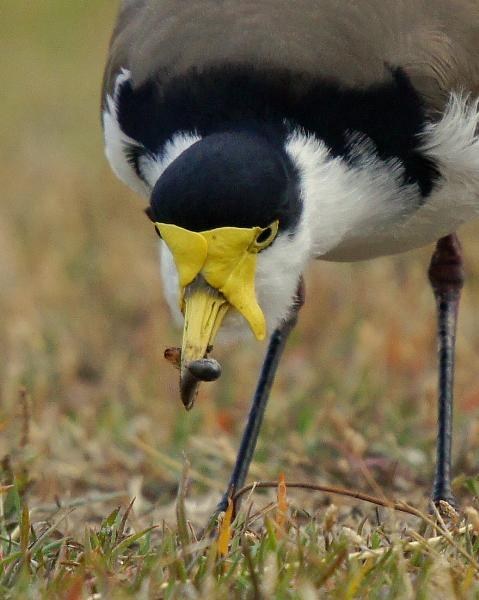
Masked Lapwing
Body, flight, and tail feathers
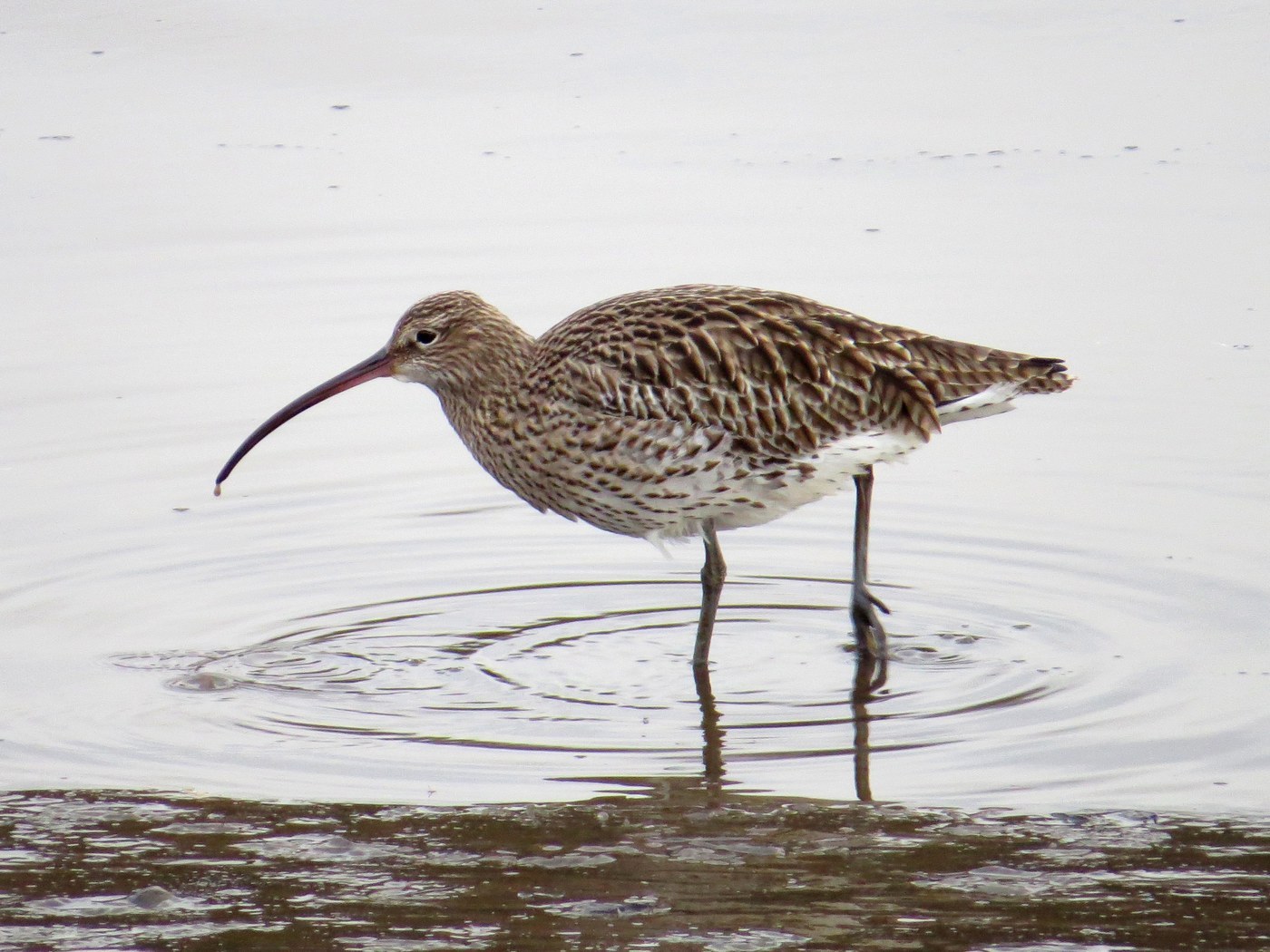
Eurasian Curlew
Body, flight, and tail feathers
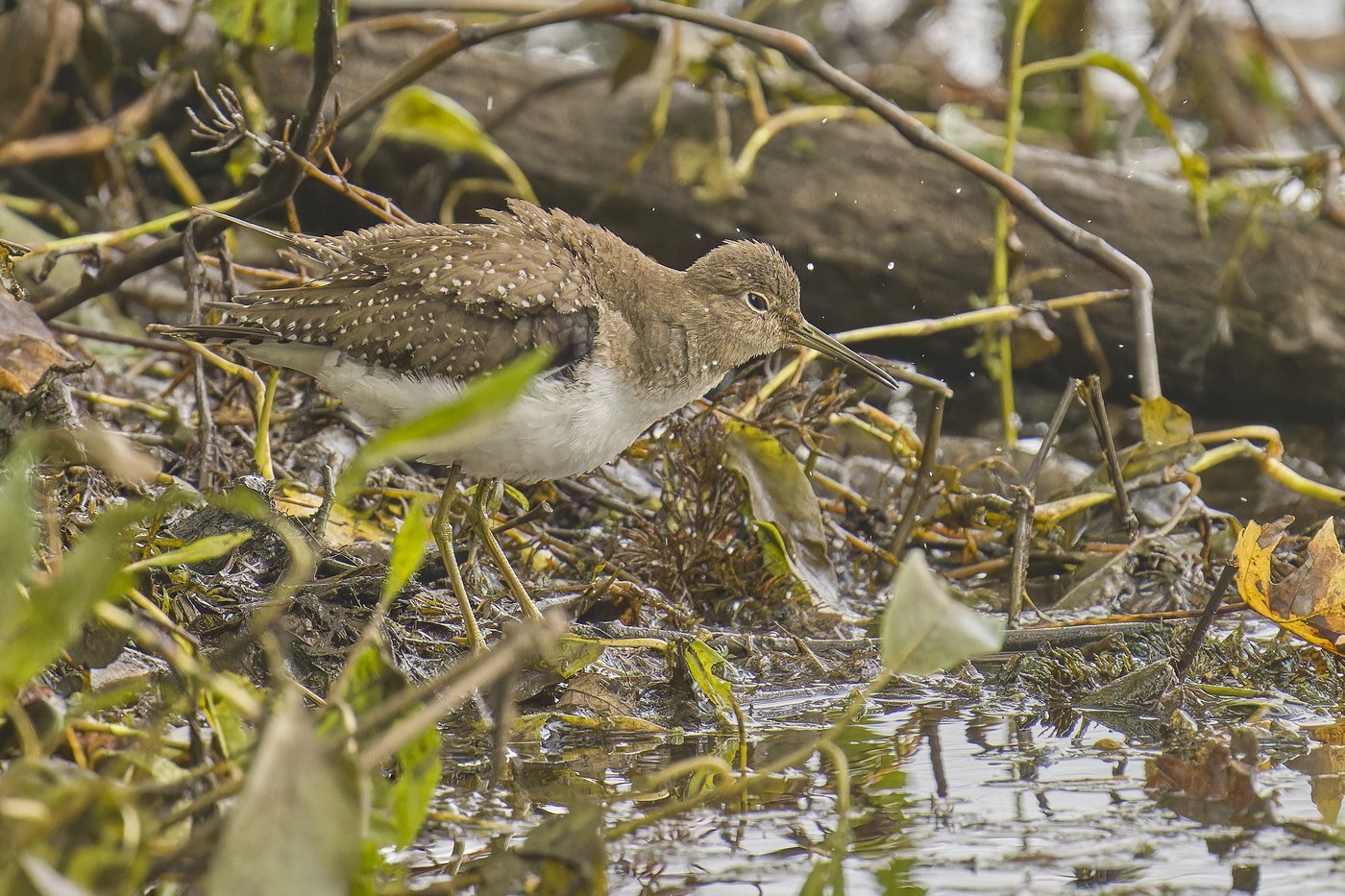
Solitary Sandpiper
Contour and flight feathers