
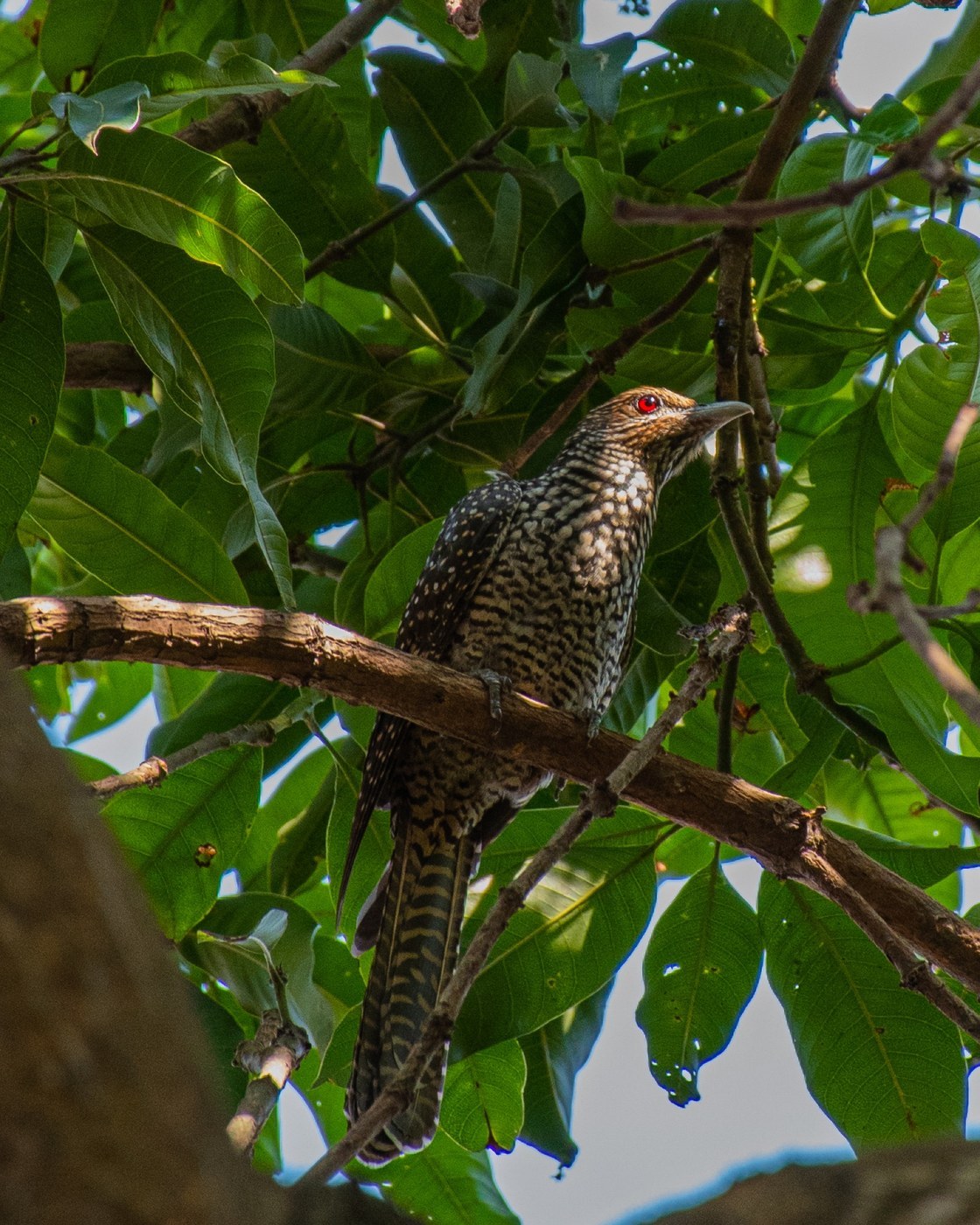
Asian Koel
Eudynamys scolopaceus
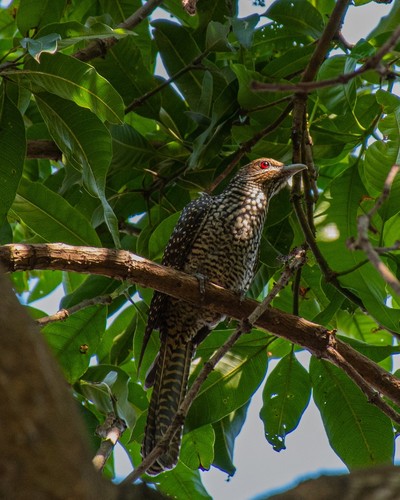
A vocal, sexually dimorphic cuckoo found across South and Southeast Asia, males glossy black and females brown with dense pale spotting.
- Feather type
- Sleek contour feathers, sexually dimorphic pattern
- Colours
- Male: glossy black; Female: brown with white and buff spotting
- Bird size
- Crow-sized, ~39-46 cm
Found a feather like this?
Identify any feather from a photo, free.
Overview
Overview
The Asian Koel is a member of the cuckoo family widely distributed across South and Southeast Asia, known more often for its loud, repetitive calls than for being easily seen. It shows striking sexual dimorphism, with males entirely glossy black and females richly patterned in brown with dense white and buff spotting and barring.
Like many cuckoos, this species is a brood parasite, laying its eggs in the nests of other birds, particularly crows, and its secretive habits in dense foliage mean it is often heard well before it is spotted.
Identifying the Feather
Feather Identification
- Male body feathers: uniformly glossy black with a slight blue-green sheen in good light
- Female body feathers: brown ground color densely marked with white and buff spots and bars, giving a highly cryptic mottled appearance
- Flight feathers: males show glossy black primaries; females show barred brown and white patterning on flight feathers as well
- Shaft: moderately stout, typical of a medium-sized arboreal bird
- The stark contrast between the plain glossy male and heavily spotted female is the primary identification cue, unusual among many similarly sized woodland birds
Plumage & Molt
Plumage Notes
Adult males are glossy black overall, while adult females show dense brown, white, and buff spotting and barring throughout the body and wings. Juveniles resemble females initially, with young males gradually molting into solid black plumage as they mature.
Molt occurs on a regular annual cycle, with feather replacement gradual enough to maintain flight capability throughout.
Habitat & Range
Habitat & Range
Asian Koels inhabit wooded areas, gardens, forest edges, and urban green spaces across the Indian subcontinent and Southeast Asia. They favor areas with tall trees for cover and access to fruiting trees for food.
The species shows some regional movement tied to breeding season and food availability, though it is not a long-distance migrant across most of its range.
Behavior & Field Notes
Behavior & Field Notes
Asian Koels feed mainly on fruit, supplementing with insects, and often remain hidden in dense canopy foliage. As brood parasites, females lay eggs in the nests of host species such as crows, leaving the host to raise the young.
Their calls are loud, repetitive, rising "ko-el" notes, especially vocal during the breeding season, making them one of the more frequently heard birds in their range despite being difficult to see.
Frequently asked questions
Why do male and female Asian Koels look so different?
This species shows strong sexual dimorphism, with males entirely glossy black and females showing dense brown, white, and buff spotting for camouflage.
How can feathers help identify an Asian Koel's sex?
Solid glossy black feathers indicate a male, while brown feathers densely marked with white and buff spots or bars indicate a female or juvenile.
Is the Asian Koel a brood parasite?
Yes, females lay their eggs in the nests of other birds, particularly crows, which then raise the koel chicks.
Why is the Asian Koel heard more often than seen?
It tends to stay hidden in dense canopy foliage while giving loud, repetitive calls, making its voice more noticeable than its presence.
Asian Koel guides
In-depth guides for identifying and understanding Asian Koel.
Other feathers you may enjoy

Common Cuckoo
Flight and body feathers
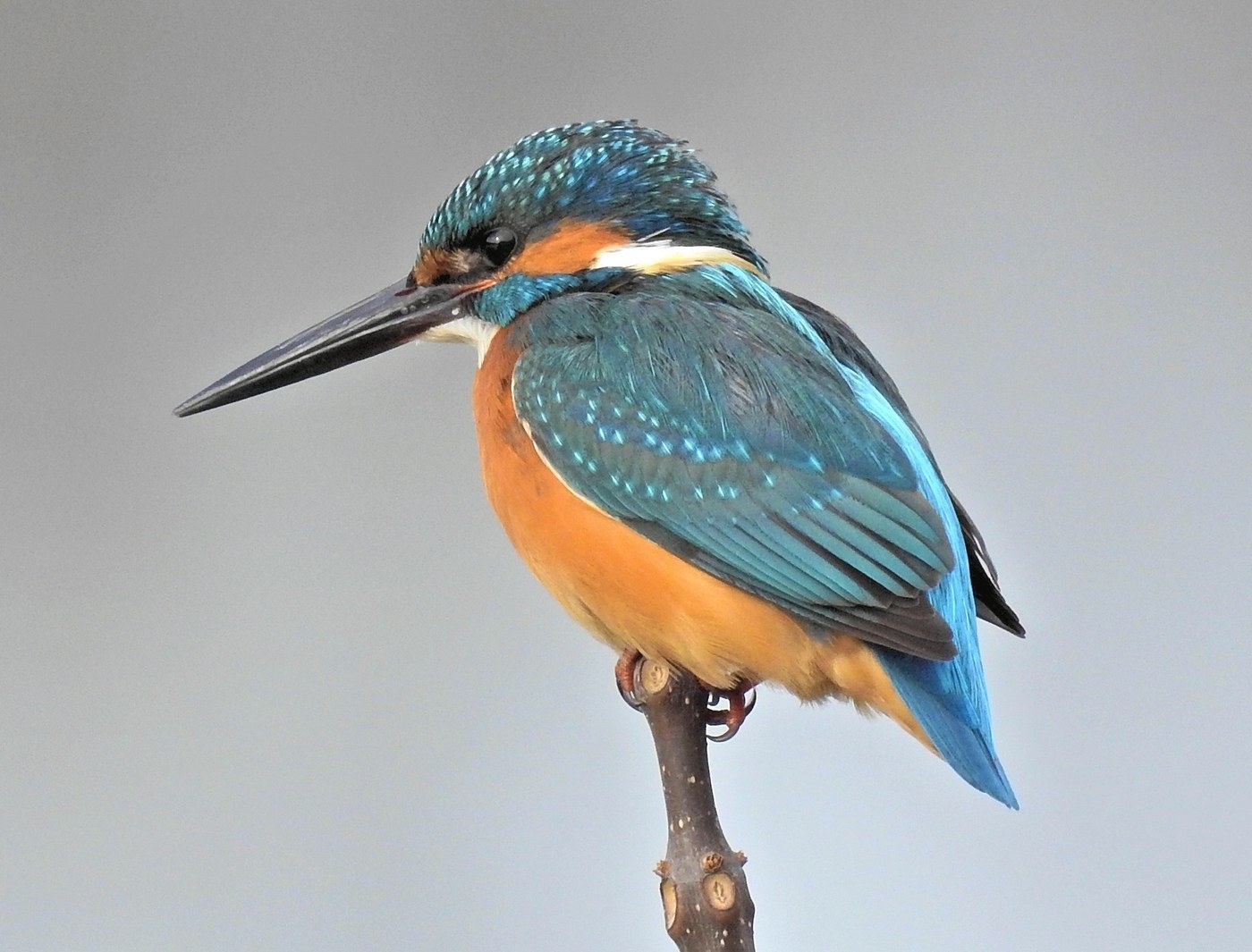
Common Kingfisher
Body (contour) and wing feathers
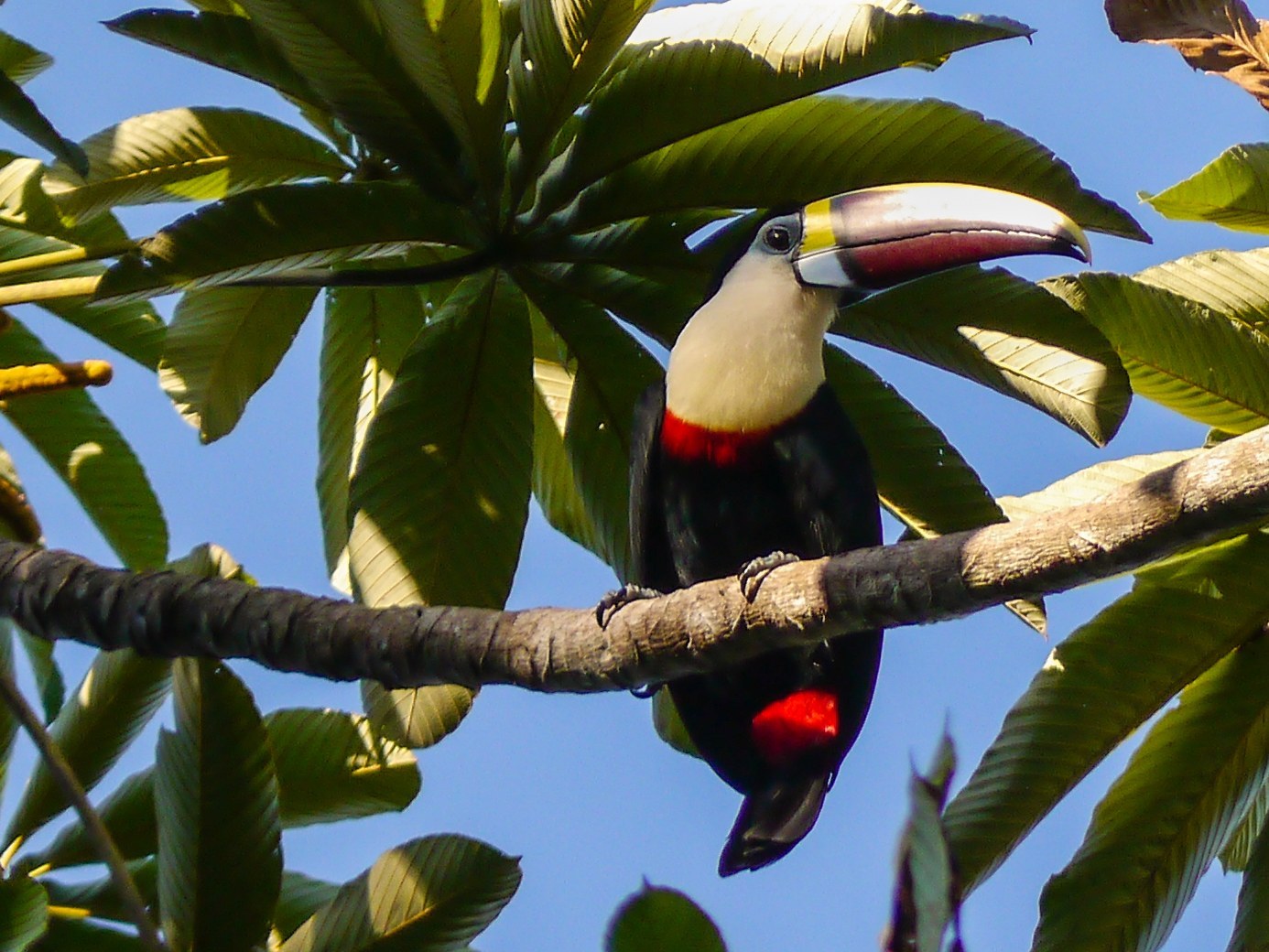
White-throated Toucan
Short rounded contour feathers, short broad wings
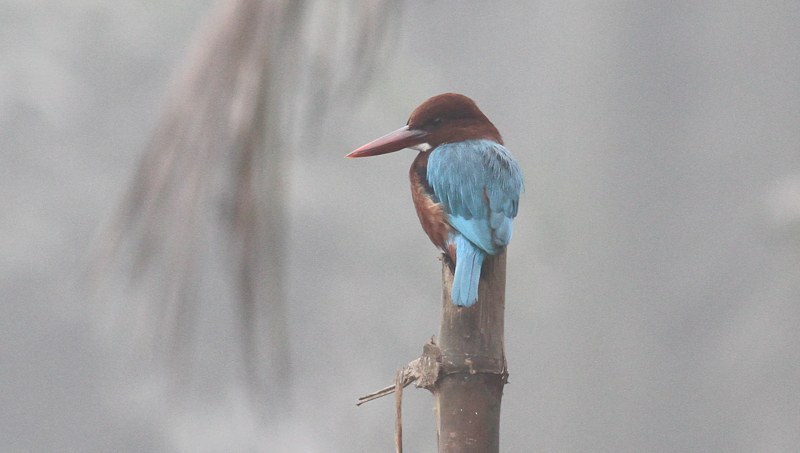
White-throated Kingfisher
Dense contour feathers; broad rounded wings

White-throated Bee-eater
Sleek, aerodynamic contour feathers; elongated central tail streamers
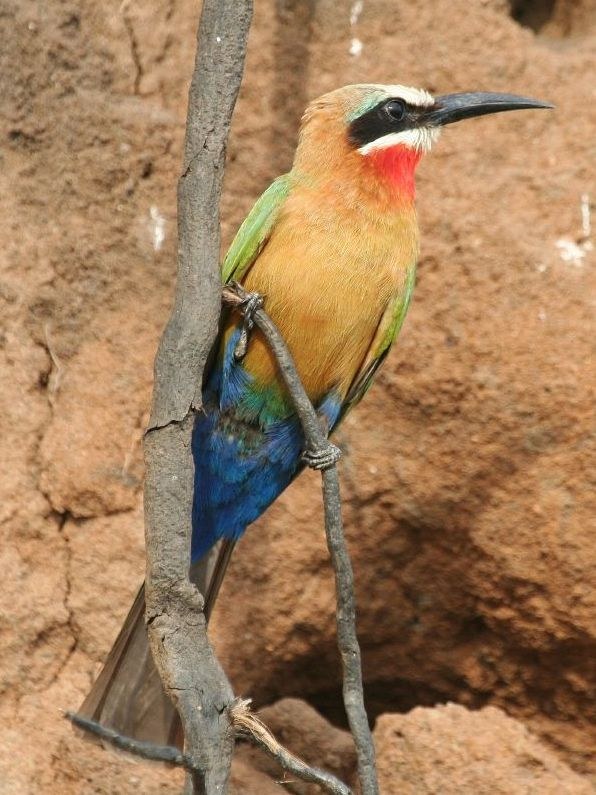
White-fronted Bee-eater
Sleek contour feathers; short tail with slight point

Southern Yellow-billed Hornbill
Slender contour feathers, moderate flight feathers
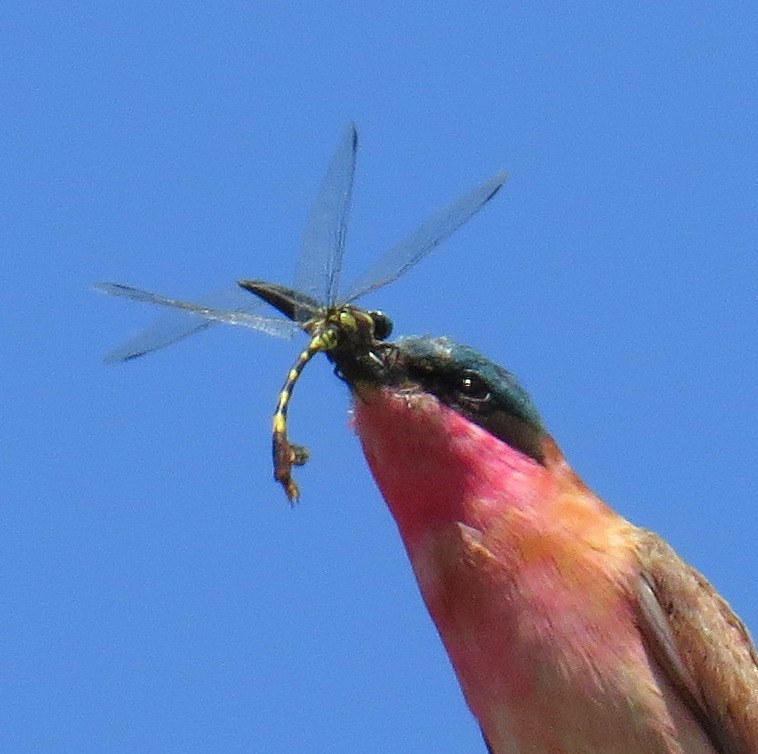
Southern Carmine Bee-eater
Sleek, pointed contour feathers; elongated central tail streamers
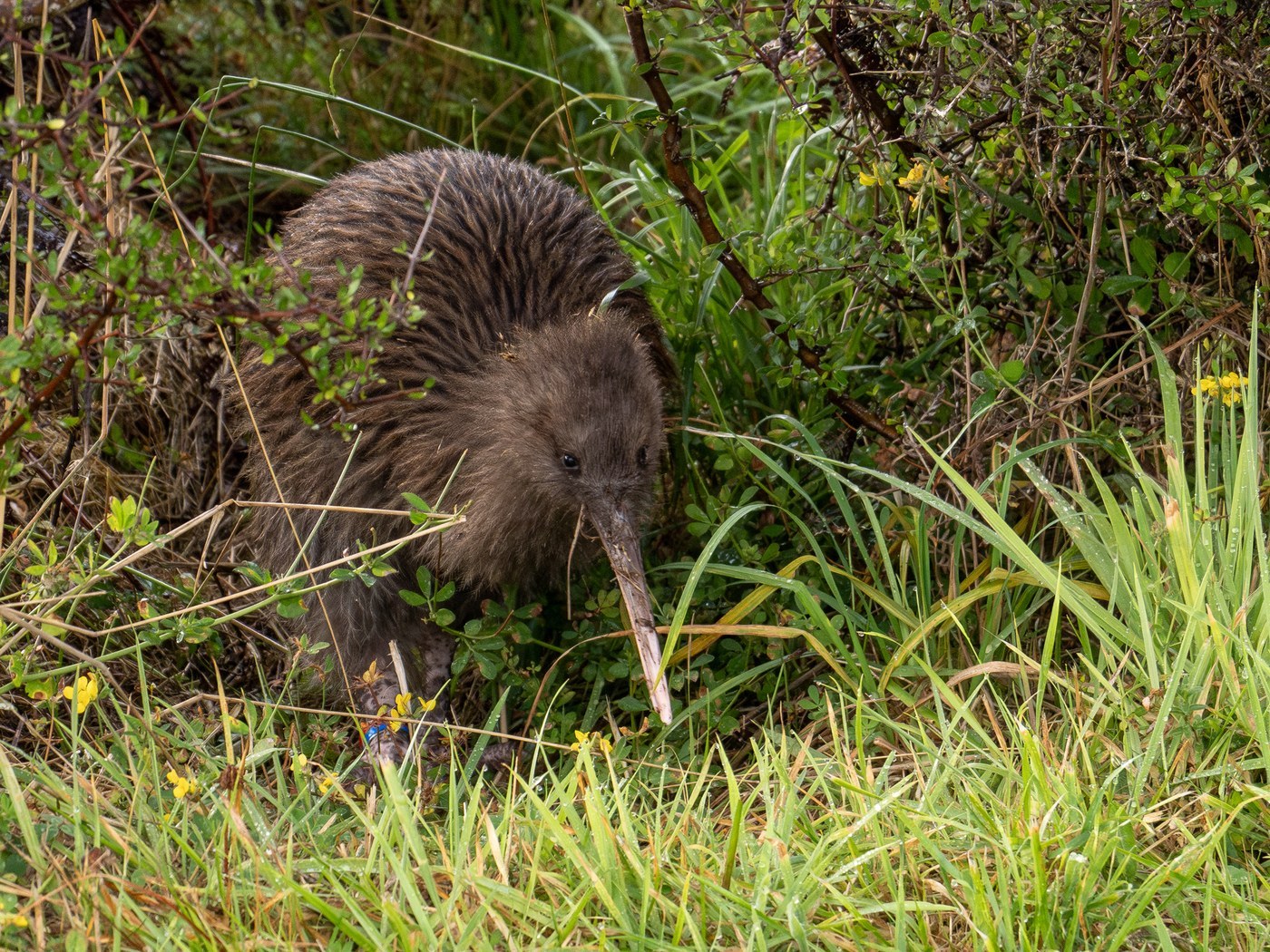
Southern Brown Kiwi
Shaggy, hair-like plumage with loose barbs lacking barbules; flightless, vestigial wings hidden beneath body feathers

Somali Ostrich
Loose, soft plumes lacking interlocking barbules

Wreathed Hornbill
Dense contour feathers, broad flight feathers

Woodland Kingfisher
Firm contour feathers; broad wing feathers