

Andean Flicker
Colaptes rupicola
A high-altitude flicker of the Andes that has largely abandoned trees, foraging and nesting on open ground and earthen banks.
- Feather type
- Loosely barred body feathers adapted to open, treeless terrain
- Colours
- Buffy-brown with dark barring, pale yellowish underparts
- Bird size
- Pigeon-sized, ~31 cm
Found a feather like this?
Identify any feather from a photo, free.
Overview
The Andean Flicker lives at extreme elevations across the central Andes, in treeless puna grassland where typical woodpecker habitat does not exist. It has adapted to a mostly terrestrial lifestyle, walking across rocky slopes and turf in loose flocks.
Its plumage is more muted than lowland flickers, matching the dun-colored grasses and rock of its high-altitude home, but it retains the flicker family's barred back and pale rump patch visible in flight.
Identifying the Feather
- Back: brownish-buff ground color crossed by fine dark bars, less crisp than lowland flickers
- Underparts: pale buffy-yellow, lightly marked
- Rump: whitish patch flashes in flight, typical of the flicker genus
- Face: plain buffy-gray without strong facial stripes
- Vs. Chilean Flicker: Andean Flicker is paler and more uniformly buff, occupying much higher elevation grassland rather than temperate woodland-steppe
Plumage & Molt
Sexes are similar, both showing the same buffy, barred pattern, with males typically carrying a small red or yellow malar mark that females lack. Juveniles are duller and browner overall. Molt follows the typical single annual cycle of Colaptes flickers, timed to the Andean dry and wet seasons.
Habitat & Range
Found from roughly 3,000 to over 4,600 meters elevation in Peru, Bolivia, Chile, and Argentina, in short grassland, rocky slopes, and around adobe or stone structures. It is non-migratory but may shift locally with seasonal grass growth and food availability.
Behavior & Field Notes
Forages almost entirely on the ground for ants and other invertebrates, often in small social groups, walking with an upright gait rather than perching on trunks. It nests in burrows dug into earthen banks, cliffs, or adobe walls rather than in wood, an unusual habit for the woodpecker family. Its calls are loud, harsh chattering notes given from the ground or in flight.
Frequently asked questions
Why does the Andean Flicker nest in dirt banks instead of trees?
At the high elevations where it lives there are few or no trees, so it has adapted to excavate nest burrows in earthen banks, cliffs, and even mudbrick walls instead of wood.
Is the Andean Flicker still considered a woodpecker?
Yes, it belongs to the woodpecker family and flicker genus, but it has become largely terrestrial, foraging and nesting on the ground rather than on tree trunks.
What color is the flight-feather shaft on this species?
The underwing and tail tend toward a pale yellowish tone, more subdued than the bright pink or gold seen in some lowland flicker species.
Does it live alone or in groups?
It is often seen foraging in small loose flocks on open ground, more social than many other flicker species.
Andean Flicker guides
In-depth guides for identifying and understanding Andean Flicker.

Other feathers you may enjoy

Ivory-billed Woodpecker
Very large flight feathers with a solid white trailing patch

Great Slaty Woodpecker
Massive, uniformly colored contour feathers

Yellow-tufted Woodpecker
Black body feathers with bright yellow forehead tufts

Magellanic Woodpecker
Very large, glossy contour feathers with a recurved crest

Yellow-bellied Sapsucker
Black-and-white patterned back and facial-stripe feathers
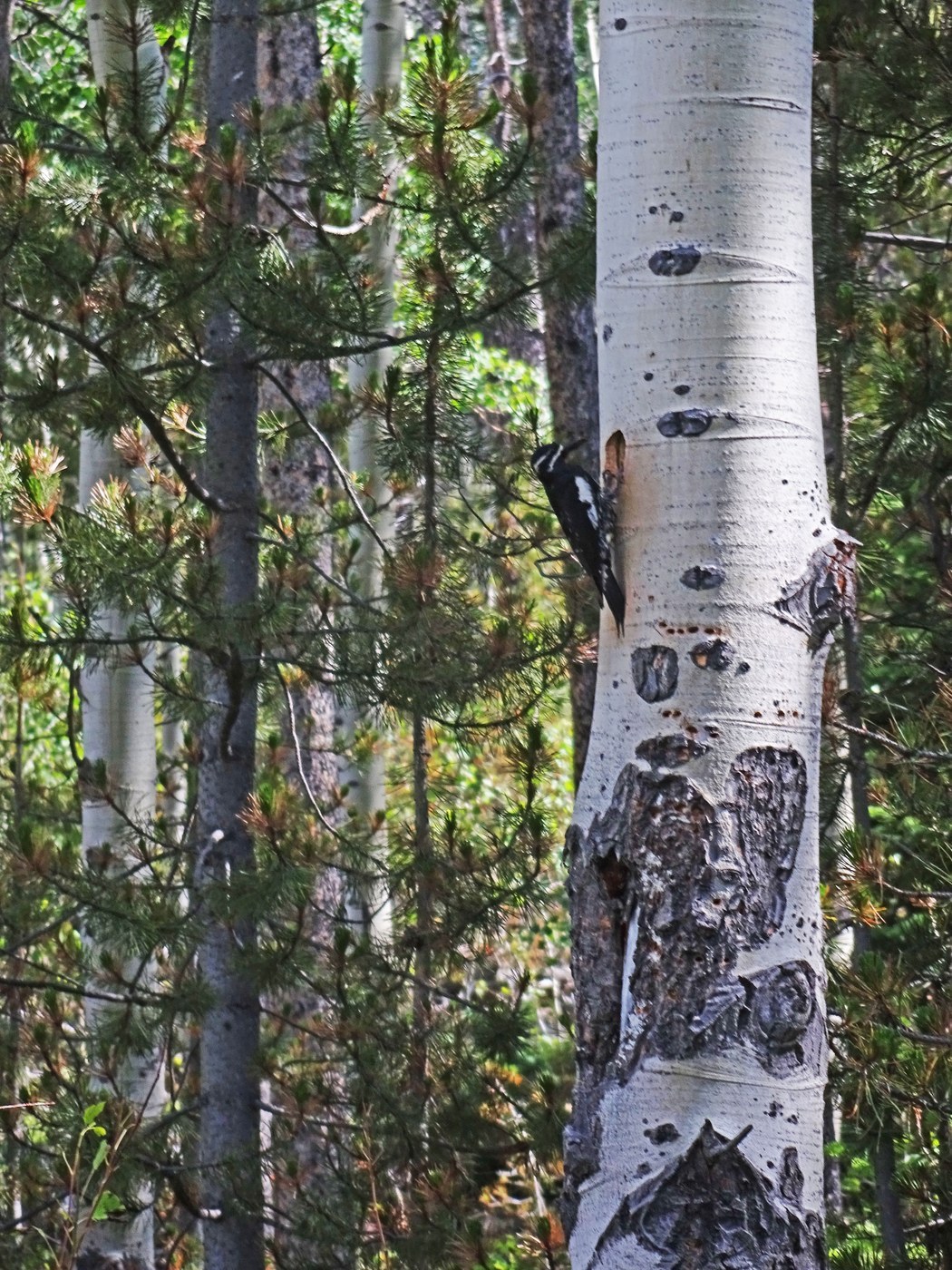
Williamson's Sapsucker
Strongly sexually dimorphic body feathers, glossy black or finely barred brown

Yellow-crowned Woodpecker
Contour and flight feathers

White Woodpecker
Mostly white body feathers with contrasting black wings and back

Red-throated Wryneck
Soft, cryptically mottled contour feathers

White-bellied Woodpecker
Large, glossy black contour and flight feathers

White-backed Woodpecker
Barred back feathers rather than a solid white patch
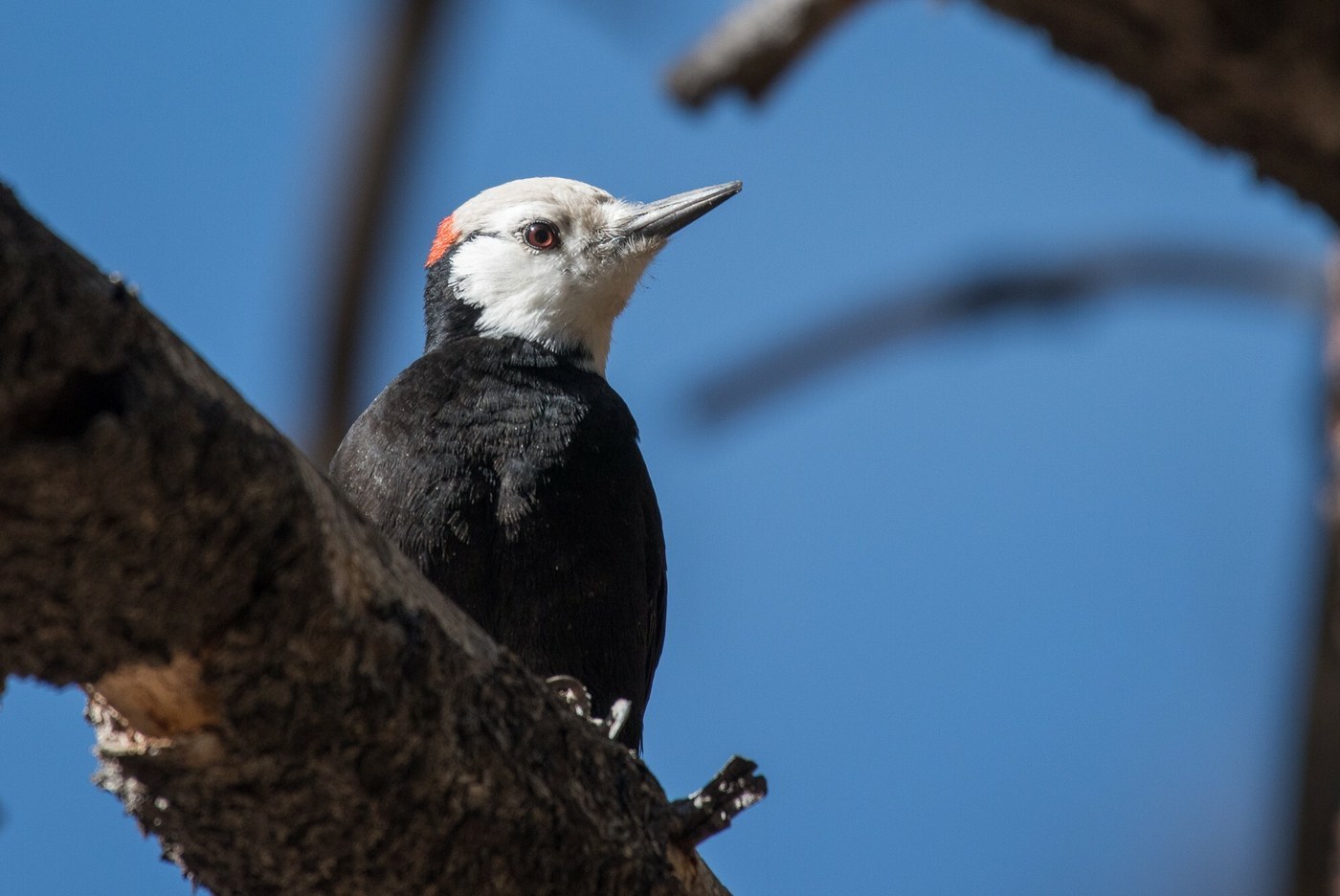
White-headed Woodpecker
Solid black body feathers with an entirely white head