
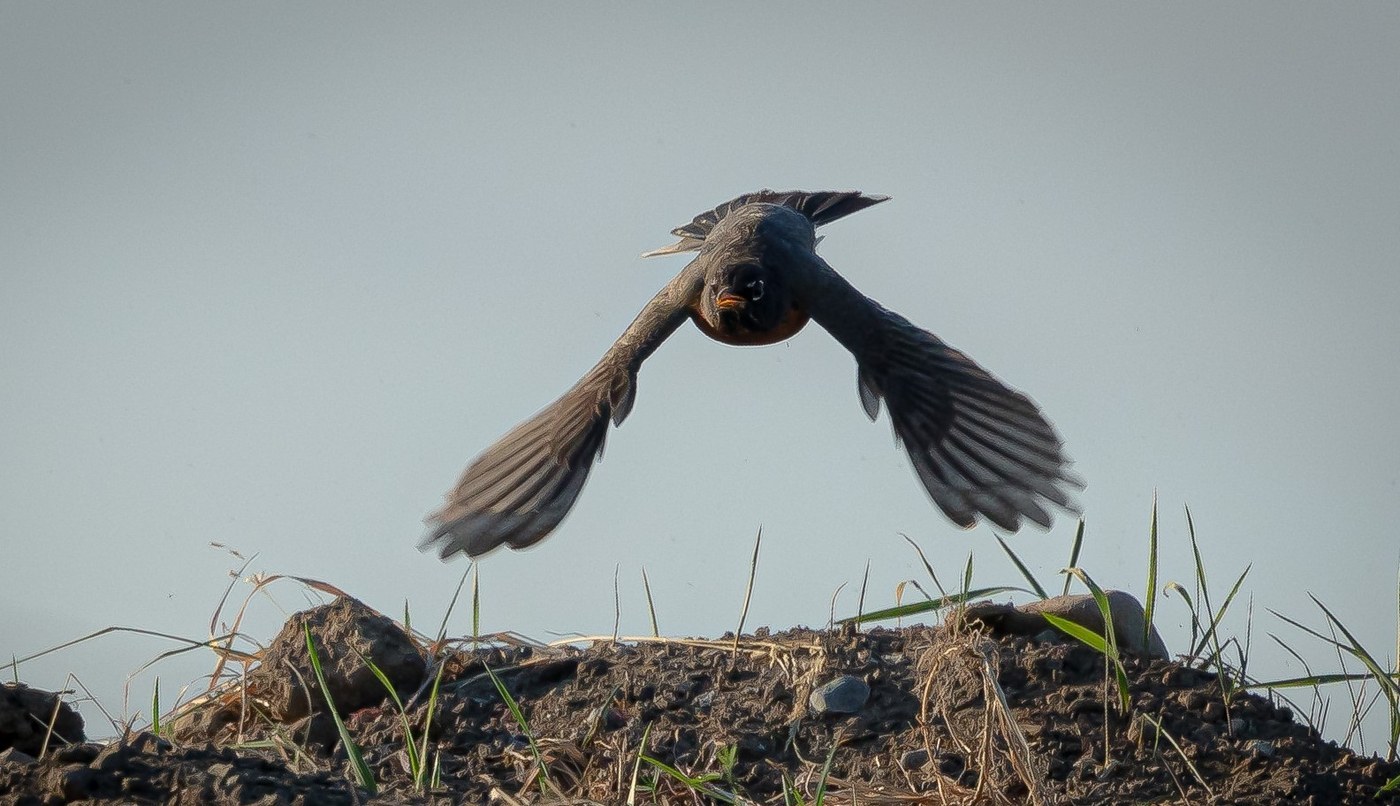
American Robin
Turdus migratorius
The American Robin is a familiar thrush whose warm orange breast feathers and plain gray-brown back feathers make it one of the easiest yard birds to identify from a single dropped feather.
- Feather type
- Warm brick-orange breast feathers; dark grayish-brown back & flight feathers
- Colours
- Slate-gray/brown upperparts with rusty-orange underparts; dark head
- Bird size
- Medium songbird, ~25 cm
Found a feather like this?
Identify any feather from a photo, free.
Overview
Overview
The American Robin is a familiar thrush known for its orange breast and cheerful song, common on lawns and in gardens across nearly all of North America. Because it forages so visibly on open ground, robin feathers are among the most commonly found dropped feathers in suburban yards.
Robins are true thrushes, related to bluebirds, and their feather coloring reflects that lineage: muted grays and browns above with a warm rusty wash below.
Identifying the Feather
Recognizing the Feathers
- Breast feathers: warm brick- or rust-orange, unmarked
- Back & wing feathers: solid slate-gray to gray-brown, unbarred
- Tail feathers: dark gray-brown with small white corner tips
- Head feathers: blackish, darker than the back
Robin feathers are unbarred and unstreaked, distinguishing them from sparrows; the orange breast feather is diagnostic and not shared by any commonly confused feeder-bird species.
Plumage & Molt
Plumage
Males have a darker blackish head and brighter orange breast, while females and juveniles show grayer heads and paler, sometimes streaked breast feathers. Juvenile robins have heavily spotted breast feathers, a classic thrush trait. Robins undergo a complete molt in late summer after breeding, replacing worn feathers before migration or winter.
Habitat & Range
Habitat & Range
American Robins occupy an enormous range across North America, from suburban lawns and city parks to open woodlands and forest edges. Northern populations migrate south for winter while many southern and mid-latitude birds are year-round residents, sometimes forming large winter flocks in fruiting trees.
Behavior & Field Notes
Behavior & Field Notes
Robins are famous for hopping across lawns and cocking their heads to locate earthworms and other invertebrates, and they also take fruit, especially in fall and winter. They build sturdy cup nests of grass and mud on horizontal branches or ledges, and their song is a cheerful, caroling series of phrases. Molted breast feathers with their bright orange color are a quick, reliable clue when found in a yard.
Frequently asked questions
How can I tell a juvenile robin feather from an adult's?
Juvenile breast feathers show dark spotting, while adult breast feathers are a solid, unspotted orange.
Is the American Robin feather orange or red?
It's a warm brick-orange/rust tone, not true red.
Are robin feathers barred like a hawk's?
No, robin feathers are solid-colored without barring.
Do male and female robins have different colored feathers?
Males tend to have a darker head and richer orange breast; females are slightly paler and grayer.
American Robin guides
In-depth guides for identifying and understanding American Robin.
American Robin identified by the community
Real feathers identified with Feather Identifier.


Other feathers you may enjoy

Yellow-breasted Bunting
Contour and flight feathers, chestnut-and-yellow breeding pattern
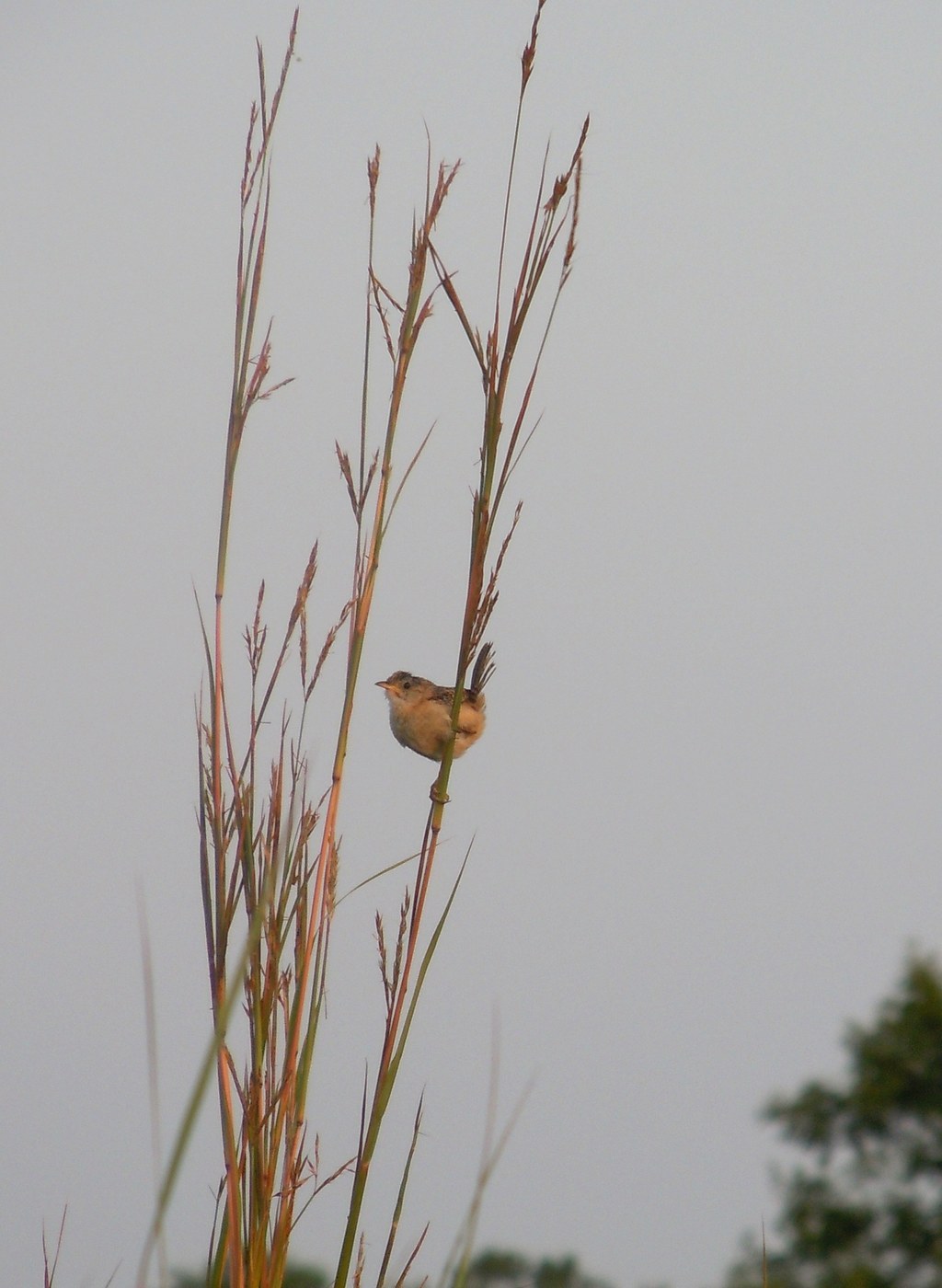
Sedge Wren
Tiny streaked crown and back feathers

Yellow-winged Cacique
Glossy black body feathers, yellow wing patch, shaggy crest

Yellow Warbler
Small contour and flight feathers
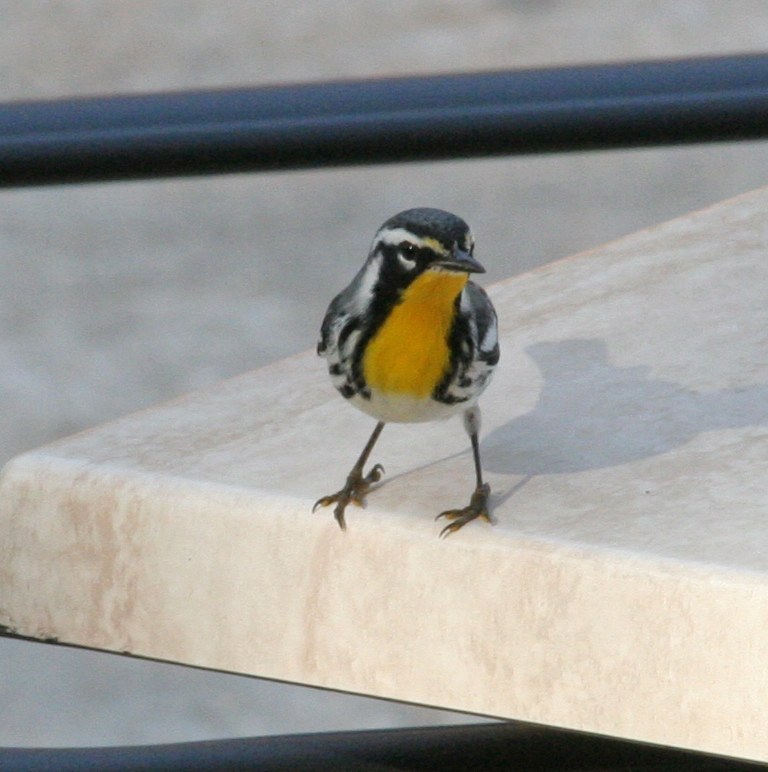
Yellow-throated Warbler
Small contour and flight feathers
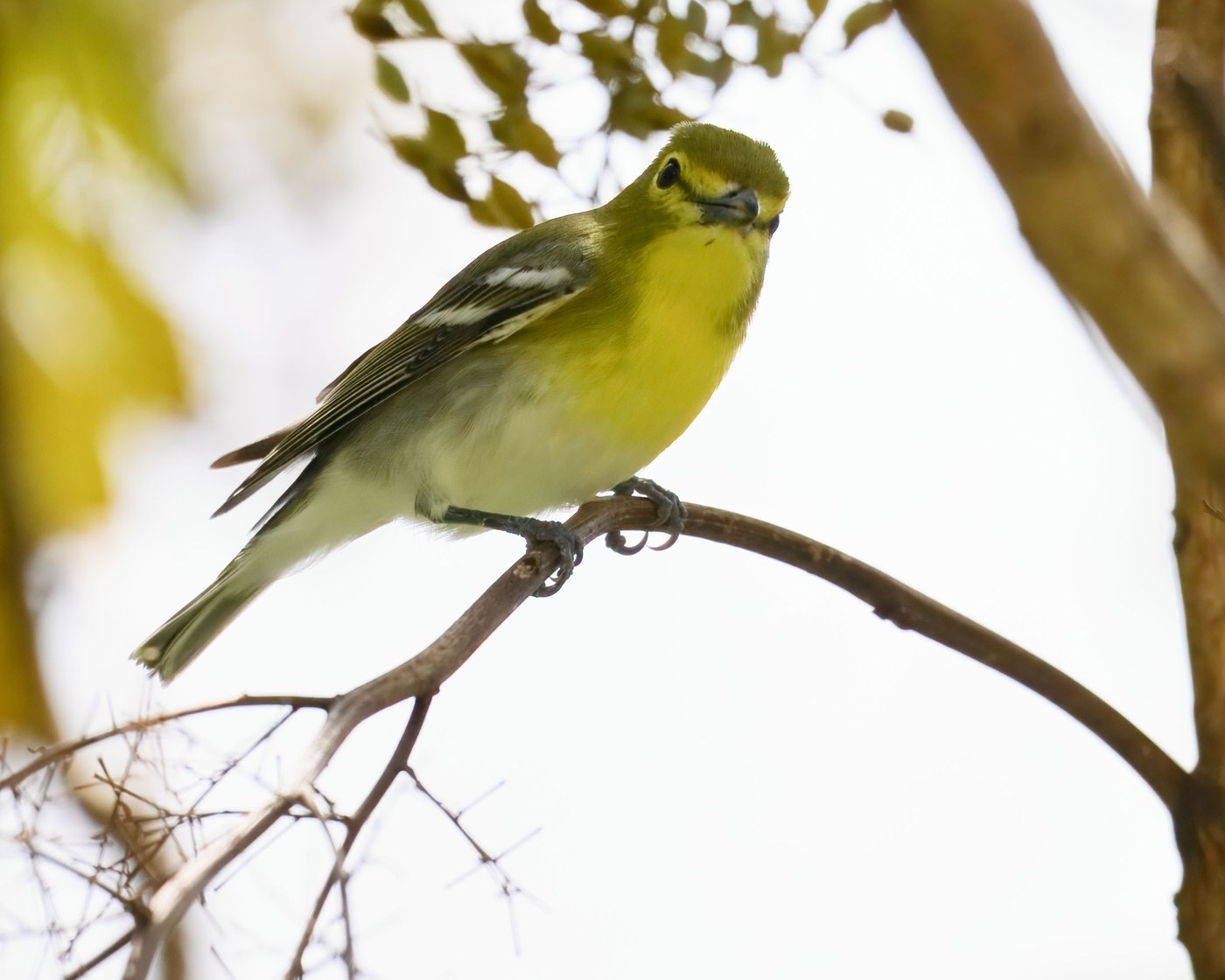
Yellow-throated Vireo
Bright yellow throat and spectacle feathers; olive-green back feathers; two white wing-bar feathers

Yellow-rumped Warbler
Small contour and flight feathers
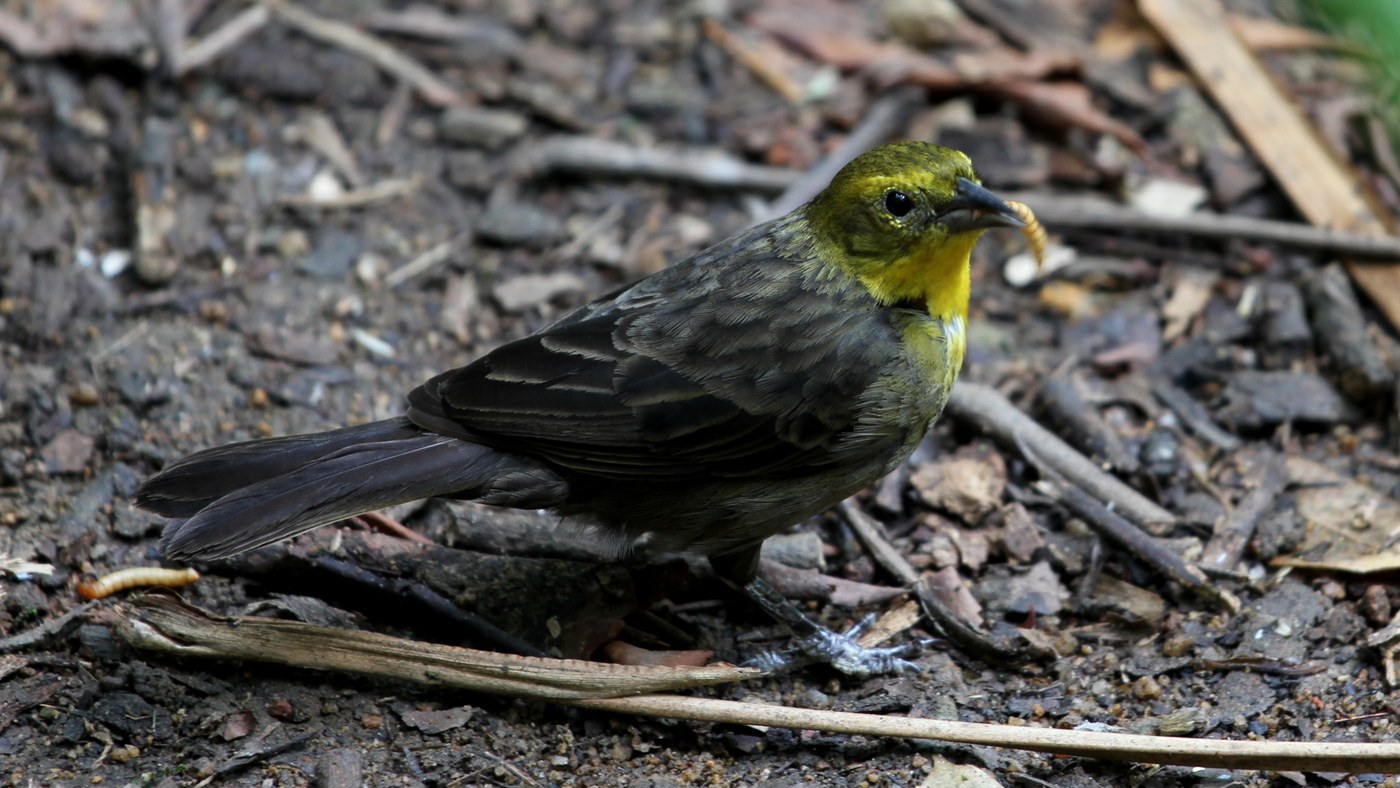
Yellow-hooded Blackbird
Contrasting hood and body feathers
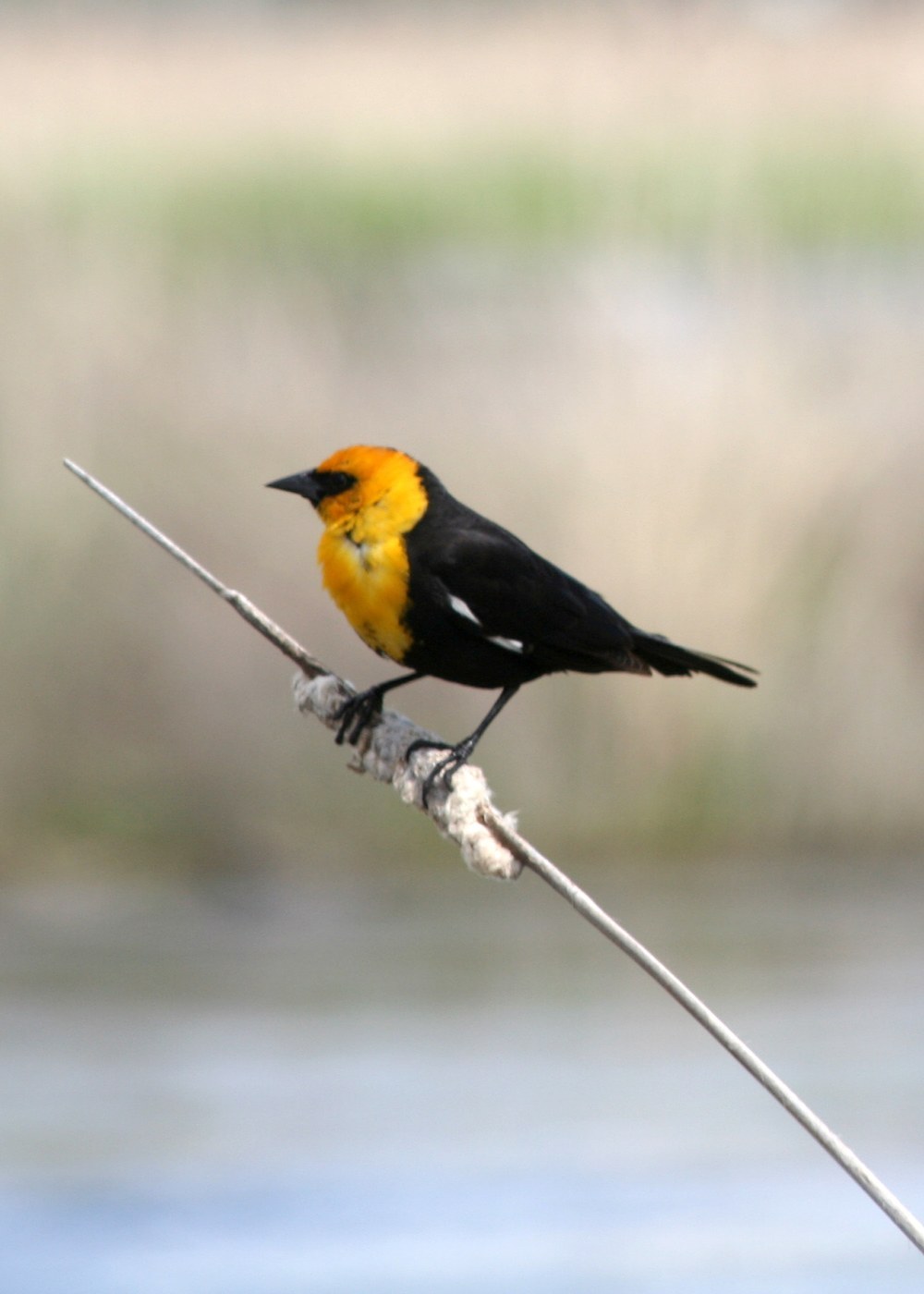
Yellow-headed Blackbird
Glossy black body plumage with a bright yellow head and breast

Yellow-eyed Junco
Contour and flight feathers

Yellow-fronted Canary
Small, smooth body plumage

Yellow-breasted Greenfinch
Compact, smooth body plumage