

American Redstart
Setophaga ruticilla
An active wood-warbler that flashes bright orange or yellow patches on its wings and tail while fanning them to startle insects into flight.
- Feather type
- Small contour and flight feathers
- Colours
- Black body with orange patches on the wings, tail, and sides in males; gray-olive with yellow patches in females
- Bird size
- Small, ~13 cm
Found a feather like this?
Identify any feather from a photo, free.
Overview
The American Redstart is a small, active wood-warbler widespread in deciduous and mixed second-growth woodland across much of North America, wintering from Mexico through Central America into northern South America and the Caribbean. Adult males are boldly patterned in black with vivid orange patches on the wings, tail, and sides, while females and immature males show a more subdued gray-olive plumage with yellow patches in the same positions.
Identifying the Feather
Adult male body feathers are mostly black, with bright orange patches at the base of the primary flight feathers, along the sides of the tail, and on the flanks. Females and immature males lack the black and orange, instead showing gray-olive upperparts and whitish underparts with pale yellow patches in the same wing, tail, and flank positions as the male's orange. The tail feathers in particular show a distinctive two-toned pattern, dark at the tip with a colored patch near the base, useful for identification even in flight.
Plumage & Molt
Adult males acquire their full black-and-orange plumage after their second year; first-year males often resemble females but may show a scattering of orange or black feathers mixed into the otherwise yellow-and-gray plumage. Females retain the gray-olive and yellow pattern throughout their lives. A single complete molt occurs after breeding.
Habitat & Range
American Redstarts breed in deciduous and mixed second-growth woodland, forest edge, and riparian thickets across a broad range spanning much of North America. They winter in a variety of wooded and shrubby habitats from Mexico through Central America, the Caribbean, and into northern South America.
Behavior & Field Notes
This species has a highly active foraging style, frequently fanning its tail and drooping its wings to flash the bright wing and tail patches, which is thought to startle insects into flight for easier capture. The male's song is a variable series of high, thin notes. Nests are built as compact cups in the fork of a sapling or shrub. It is a common and conspicuous migrant across much of its range.
Frequently asked questions
How do I identify an American Redstart feather?
Adult male feathers are black with bright orange patches on the wing, tail, and flanks, while female and immature male feathers show the same pattern in yellow on a gray-olive background.
Why does the American Redstart fan its tail and wings?
It flashes the bright patches on its tail and wings while foraging, a behavior thought to startle insects into flight so they can be caught more easily.
How can I tell a first-year male from a female?
First-year males often resemble females but may show a few scattered orange or black feathers mixed into the otherwise yellow-and-gray plumage.
Where does the American Redstart winter?
It winters in wooded and shrubby habitats from Mexico through Central America, the Caribbean, and into northern South America.
American Redstart guides
In-depth guides for identifying and understanding American Redstart.

American Redstart identified by the community
Real feathers identified with Feather Identifier.


Other feathers you may enjoy

Yellow-breasted Bunting
Contour and flight feathers, chestnut-and-yellow breeding pattern
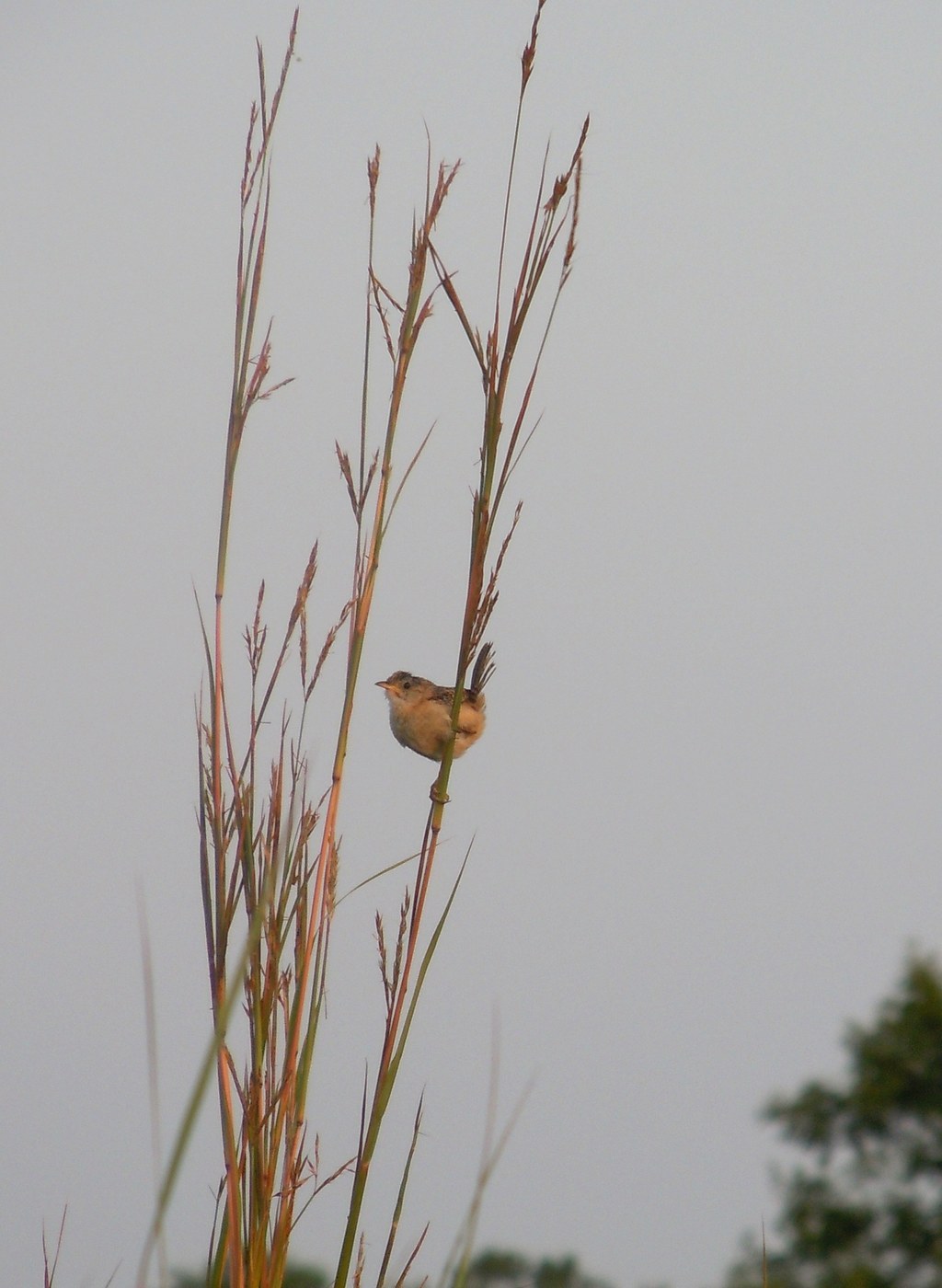
Sedge Wren
Tiny streaked crown and back feathers

Yellow-winged Cacique
Glossy black body feathers, yellow wing patch, shaggy crest

Yellow Warbler
Small contour and flight feathers
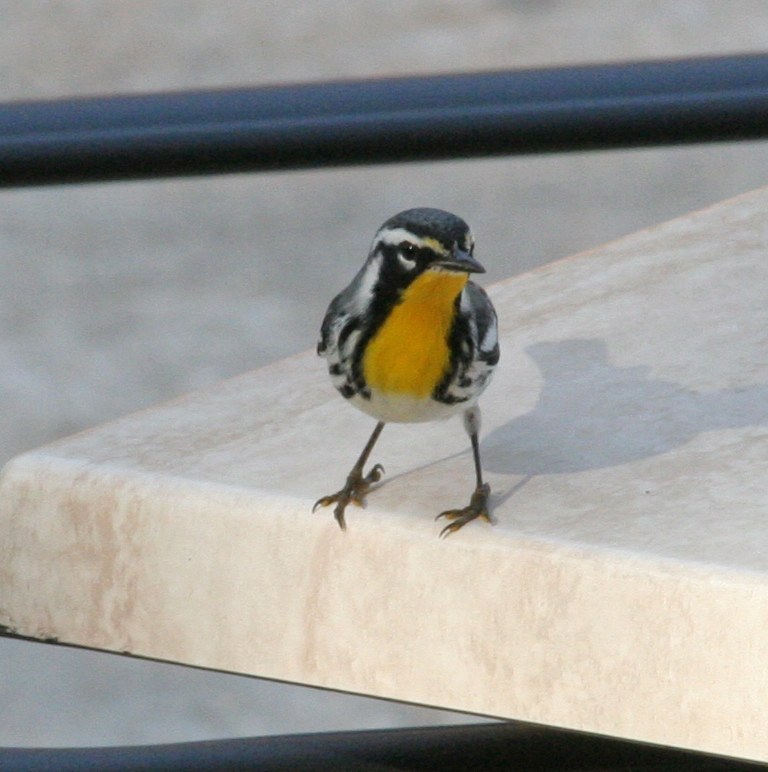
Yellow-throated Warbler
Small contour and flight feathers
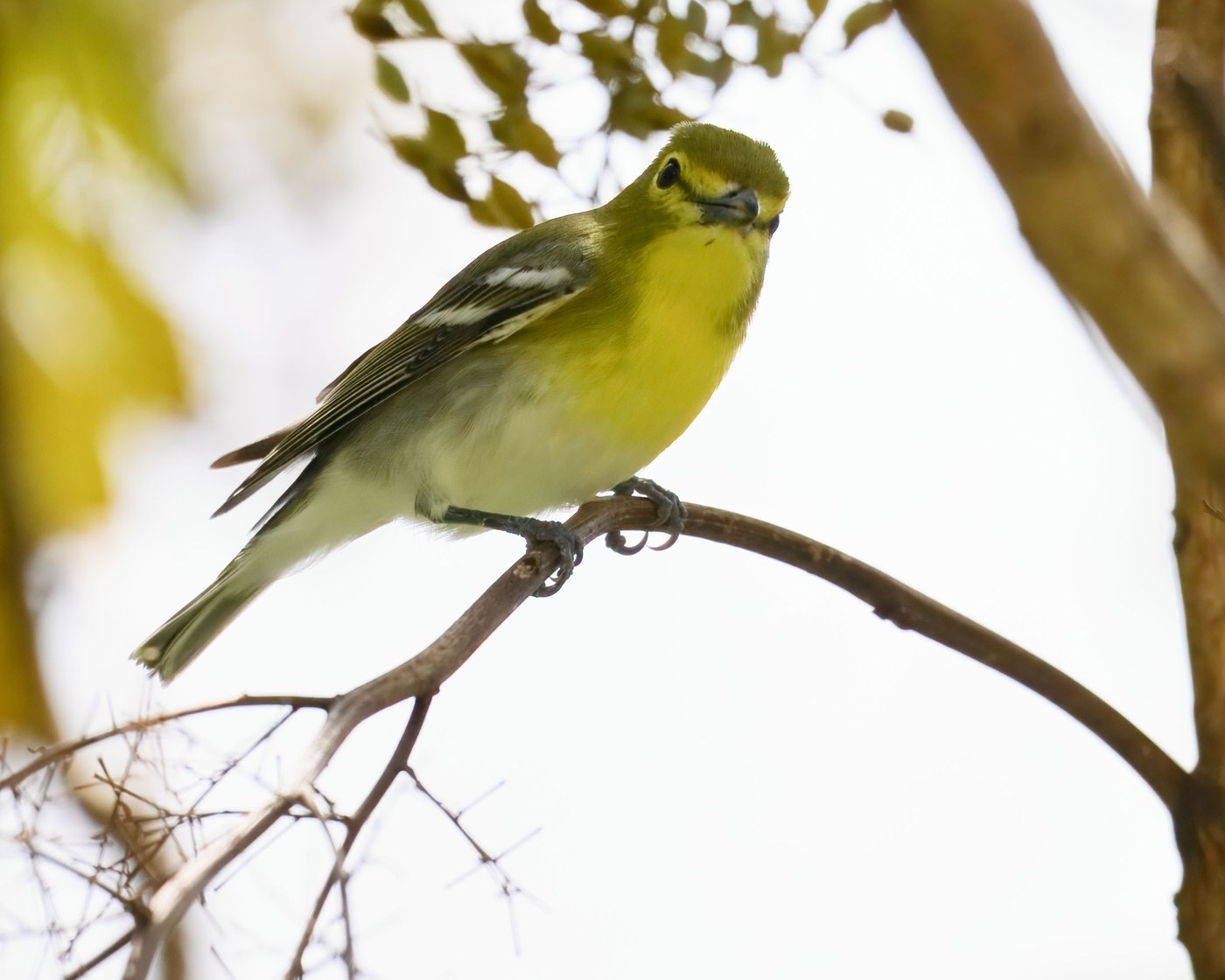
Yellow-throated Vireo
Bright yellow throat and spectacle feathers; olive-green back feathers; two white wing-bar feathers

Yellow-rumped Warbler
Small contour and flight feathers
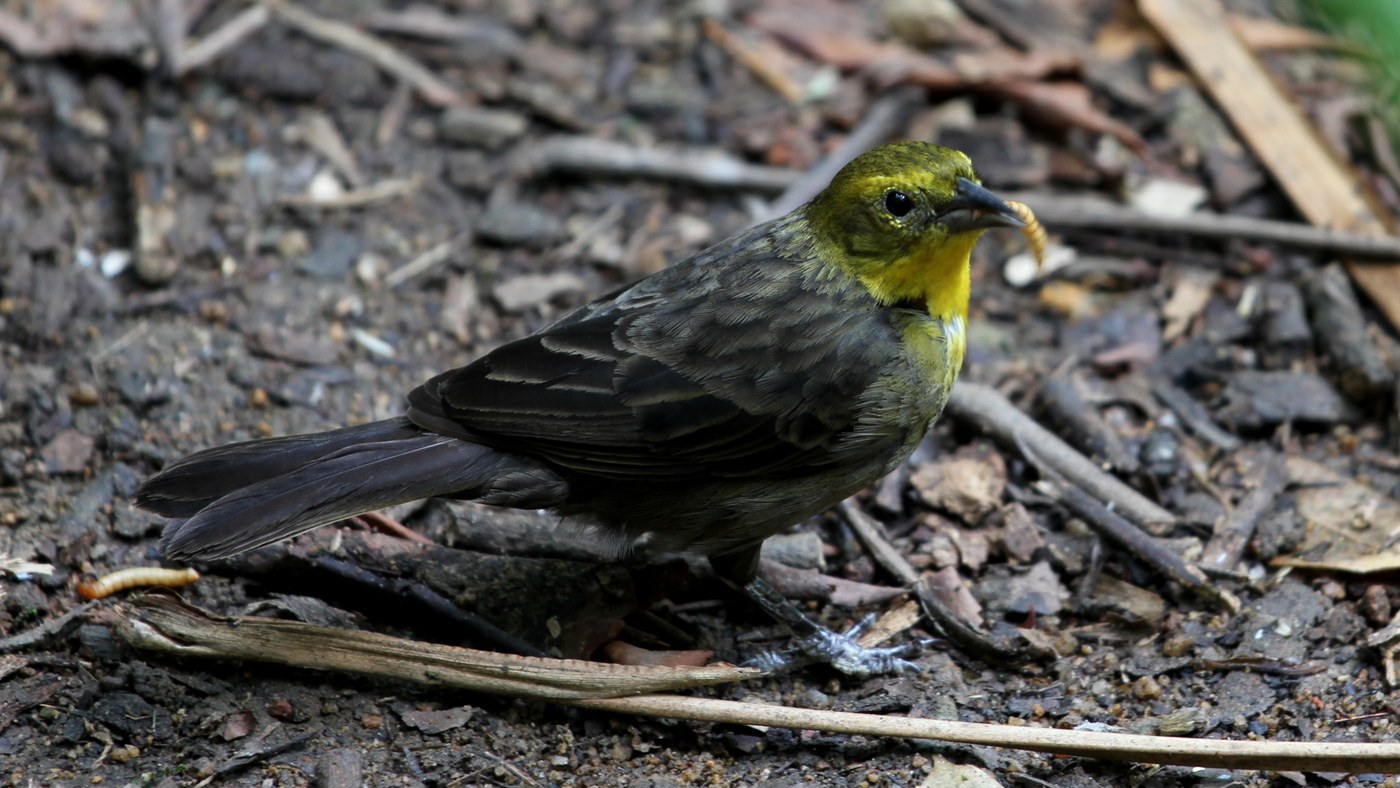
Yellow-hooded Blackbird
Contrasting hood and body feathers
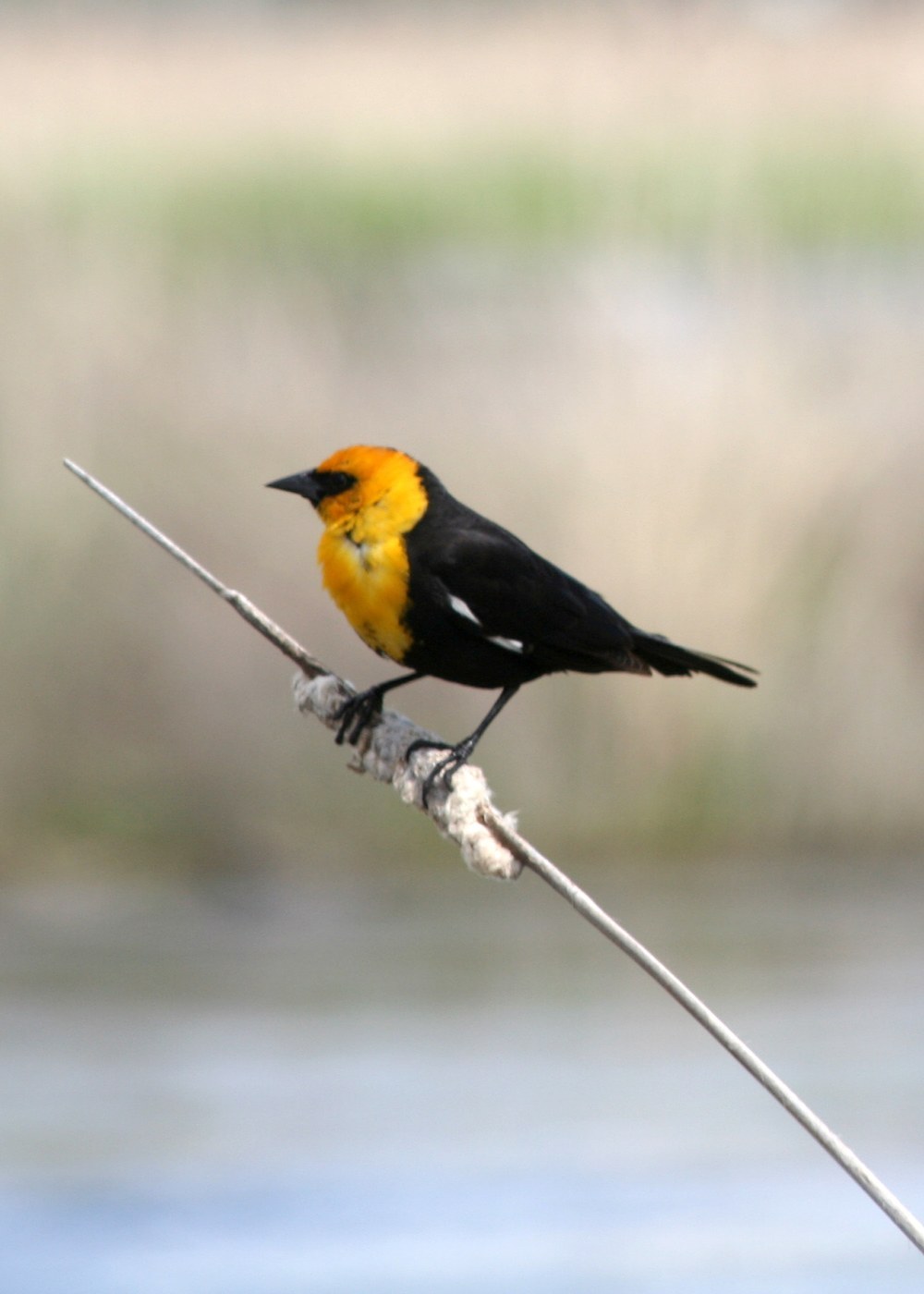
Yellow-headed Blackbird
Glossy black body plumage with a bright yellow head and breast

Yellow-eyed Junco
Contour and flight feathers

Yellow-fronted Canary
Small, smooth body plumage

Yellow-breasted Greenfinch
Compact, smooth body plumage