

White-winged Crossbill
Loxia leucoptera
A boreal finch with a crossed bill like its relative the Red Crossbill, but immediately told apart by two bold white wing bars on black wings.
- Feather type
- Stocky body feathers with bold white wing bars, crossed bill tips
- Colours
- Pink-red (male) or yellowish-olive (female) with black-and-white wings
- Bird size
- Sparrow-sized, ~15-17 cm
Found a feather like this?
Identify any feather from a photo, free.
Overview
Overview
The White-winged Crossbill inhabits boreal coniferous forest across the Northern Hemisphere, specializing on spruce cones in particular. Like other crossbills, its crossed bill tips are adapted for extracting conifer seeds, and its movements are closely tied to cone crop abundance.
Its bold white wing bars make it one of the easier crossbills to identify at a glance.
Identifying the Feather
Feather Identification
- Bill: crossed at the tip, shared with all crossbill species.
- Wings: black with two broad white wing bars, the standout feature of this species.
- Male body: pink-red overall, generally brighter and pinker than the brick-red of Red Crossbill.
- Female body: yellowish-olive, also showing the white wing bars.
The bold white wing bars against black wings are the clearest way to separate this species from the plain-winged Red Crossbill.
Plumage & Molt
Plumage Notes
Adult males show a bright pink-red body contrasting with black-and-white wings. Females are yellowish-olive with the same white wing bar pattern.
Immature birds show more streaked, duller plumage before acquiring adult coloration. A single annual molt follows breeding, though as with other crossbills, breeding timing can shift depending on cone crop availability.
Habitat & Range
Habitat & Range
This species is found in boreal spruce forest across northern North America and Eurasia, tracking spruce cone crops in particular, though it also uses other conifers. Its distribution is nomadic and irruptive, shifting in response to seed availability from year to year.
In years of poor spruce cone production, birds may move well south of typical range in search of food.
Behavior & Field Notes
Behavior & Field Notes
White-winged Crossbills forage in spruce and other conifer canopies, using their crossed bill to extract seeds from cones, often feeding in flocks.
The nest is built in conifer branches, with breeding timed to coincide with cone seed availability rather than a fixed calendar season. The call is a distinctive dry trill, different in tone from the Red Crossbill's call. The bold white wing bars remain the most reliable feature for quick identification against the plain-winged Red Crossbill.
Frequently asked questions
What is the quickest way to identify a White-winged Crossbill?
Look for two bold white wing bars on black wings, a feature the plain-winged Red Crossbill lacks.
What conifer does this species rely on most?
It is particularly associated with spruce cones, though it will use other conifers as well.
Why do White-winged Crossbills sometimes appear far south of their typical range?
In years of poor spruce cone production, they move nomadically in search of adequate food, sometimes well beyond their usual boreal range.
How does the male's color differ from a Red Crossbill male?
White-winged Crossbill males tend to show a brighter pink-red tone compared with the more brick-red coloring typical of Red Crossbill males.
White-winged Crossbill guides
In-depth guides for identifying and understanding White-winged Crossbill.

Other feathers you may enjoy

Yellow-breasted Bunting
Contour and flight feathers, chestnut-and-yellow breeding pattern
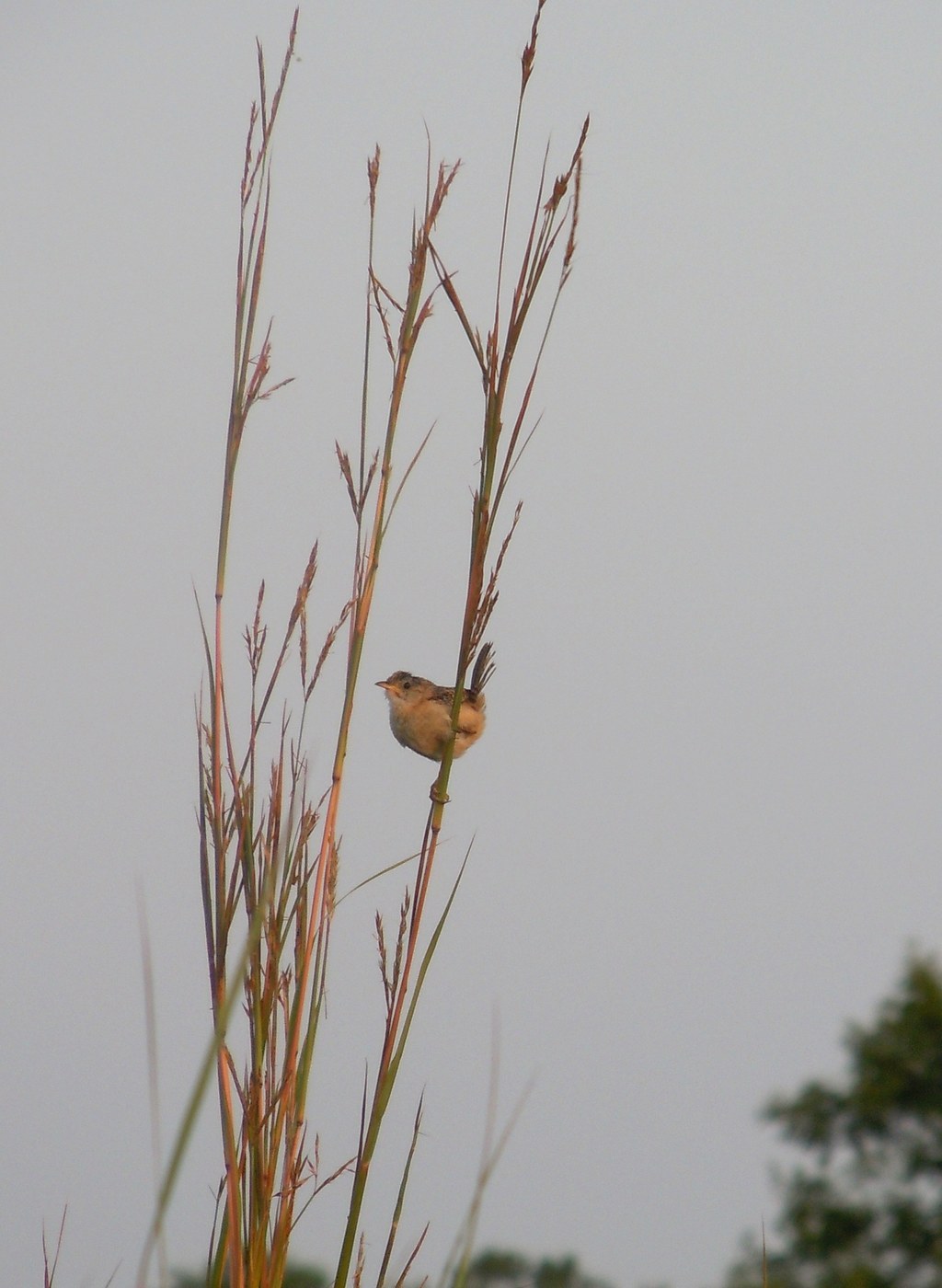
Sedge Wren
Tiny streaked crown and back feathers

Yellow-winged Cacique
Glossy black body feathers, yellow wing patch, shaggy crest

Yellow Warbler
Small contour and flight feathers
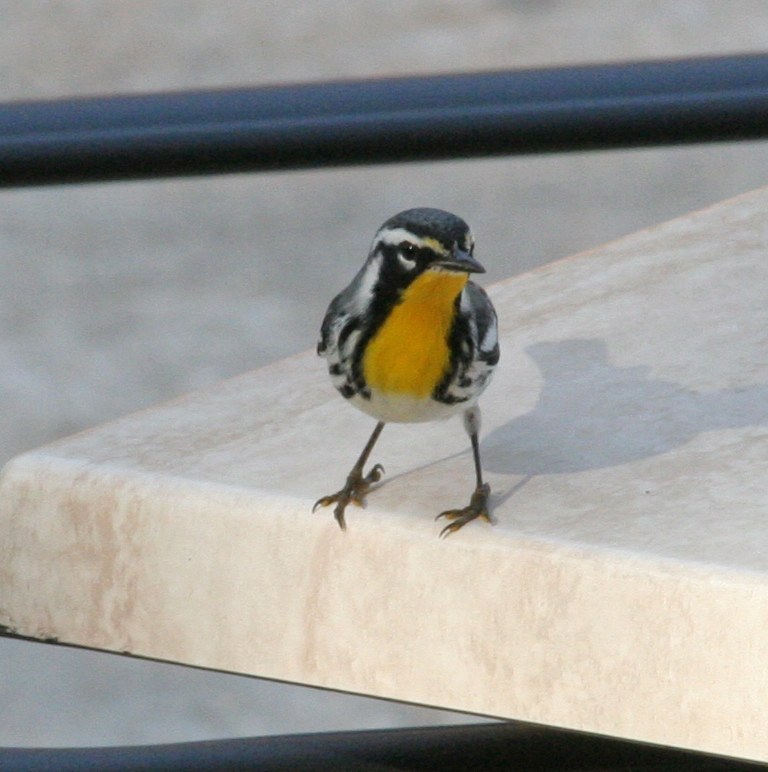
Yellow-throated Warbler
Small contour and flight feathers
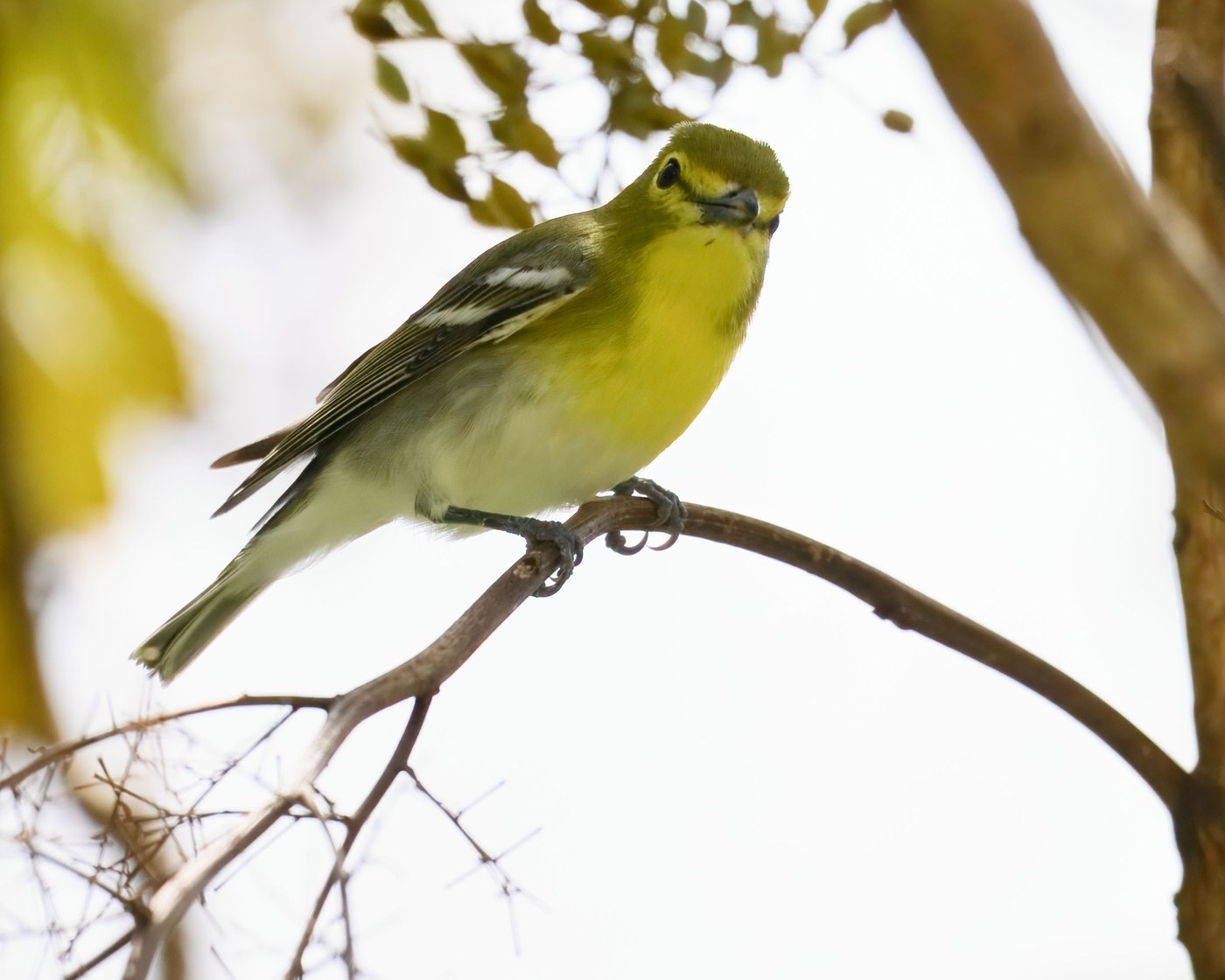
Yellow-throated Vireo
Bright yellow throat and spectacle feathers; olive-green back feathers; two white wing-bar feathers

Yellow-rumped Warbler
Small contour and flight feathers
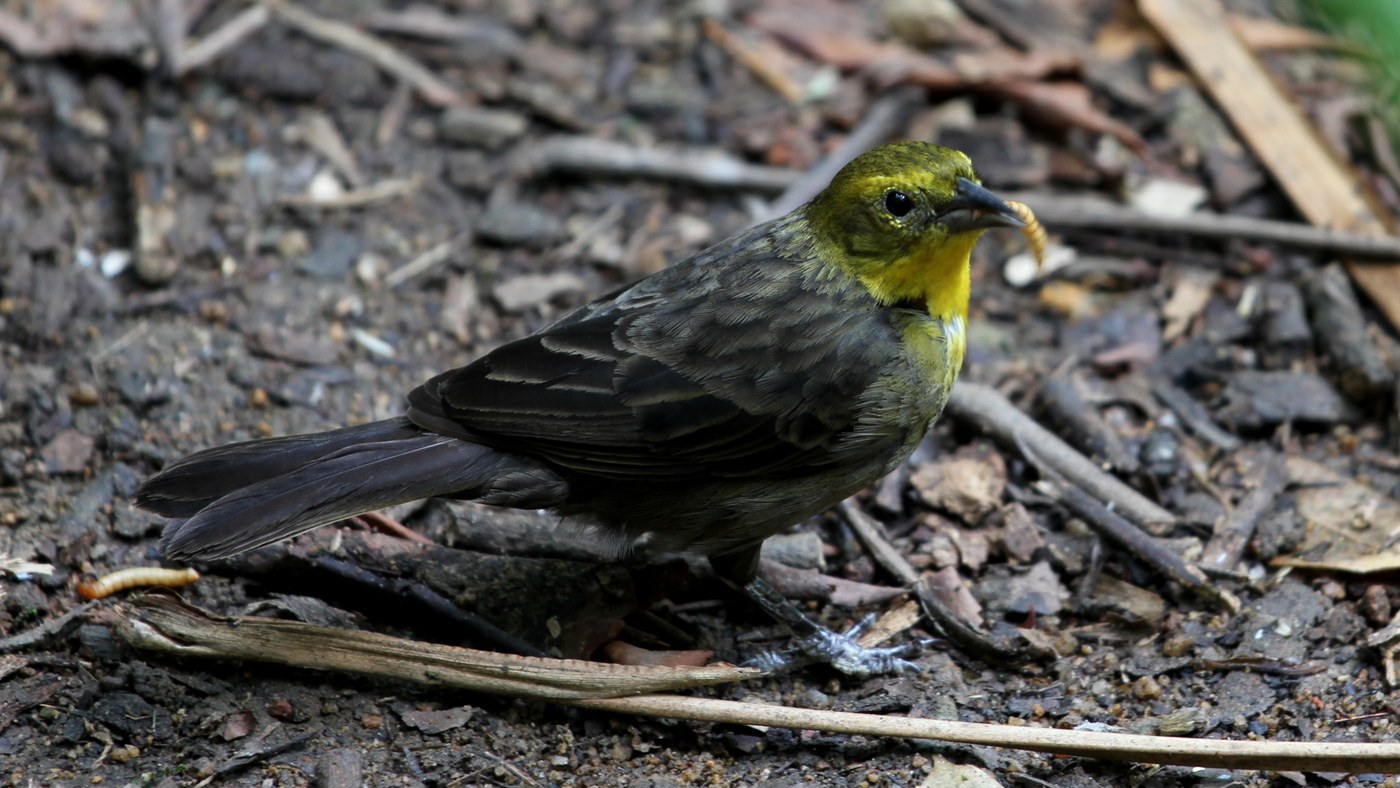
Yellow-hooded Blackbird
Contrasting hood and body feathers
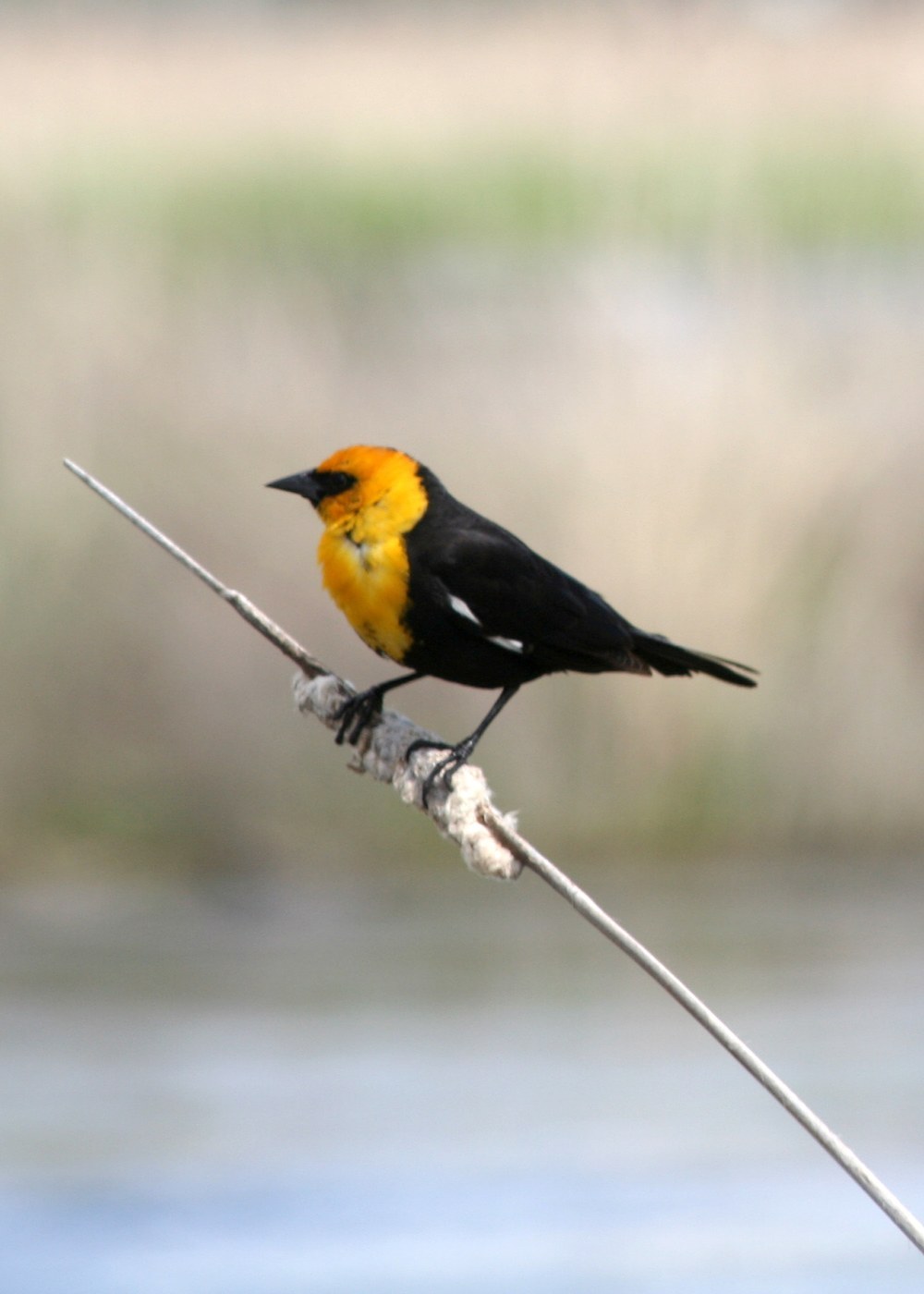
Yellow-headed Blackbird
Glossy black body plumage with a bright yellow head and breast

Yellow-eyed Junco
Contour and flight feathers

Yellow-fronted Canary
Small, smooth body plumage

Yellow-breasted Greenfinch
Compact, smooth body plumage