

Veery
Catharus fuscescens
The warmest-toned of the North American Catharus thrushes, with an evenly tawny-rufous back and only faint spotting on a pale breast.
- Feather type
- Soft body feathers with warm, uniformly tawny upperparts
- Colours
- Warm reddish-tawny back, faint pale breast spotting
- Bird size
- Sparrow-sized, ~16-18 cm
Found a feather like this?
Identify any feather from a photo, free.
Overview
The Veery is a forest thrush breeding across the northern and eastern United States and southern Canada, favoring moist woodland with dense understory, often near streams. It is the most uniformly warm-colored of the brown Catharus thrushes and is renowned for its haunting, downward-spiraling flute-like song.
Identifying the Feather
- Body feathers: Evenly warm tawny to reddish-brown across the back, wings, and tail, without strong contrast between different upperpart regions.
- Breast feathers: Only faint, indistinct spotting restricted to the upper breast, fading quickly to a plain pale belly.
- Facial feathers: A weak or barely visible eye-ring compared to Swainson's Thrush.
- Compared to similar species: The Veery's breast spotting is noticeably fainter and more restricted than in Hermit, Swainson's, or Gray-cheeked Thrushes, and its upperparts are the warmest and most uniformly toned of the group.
Plumage & Molt
Sexes are alike, both showing warm tawny-rufous upperparts and a pale breast with faint, diffuse spotting. Juveniles show typical pale spotting on the back before molting into the more uniform adult plumage in their first fall. A single complete molt after breeding maintains the warm coloring, which shows little seasonal change through the year.
Habitat & Range
Veeries breed in moist deciduous and mixed forest with a well-developed shrub layer, often near streams or in damp bottomland across the northeastern and north-central United States and southern Canada. They are long-distance migrants, wintering in central South America, particularly the Amazon basin region.
Behavior & Field Notes
This thrush forages on the forest floor for invertebrates, also taking fruit, especially later in the season. Its song is a distinctive series of flute-like notes that spiral downward, often described as ethereal and among the most recognizable thrush songs in North America. Nests are built on or near the ground, well hidden in dense understory vegetation. Veeries are often detected first by song, as they tend to remain low and concealed within thick cover.
Frequently asked questions
What feather feature best identifies a Veery?
Look for evenly warm, tawny-rufous upperparts combined with only faint, indistinct spotting on the breast.
How does the Veery differ from the Hermit Thrush?
The Veery lacks the contrasting rufous tail of the Hermit Thrush, instead showing uniformly warm coloring across the entire upperparts.
What is distinctive about the Veery's song?
Its song is a series of flute-like notes that spiral downward in pitch, often described as haunting or ethereal.
What habitat does the Veery prefer for breeding?
It favors moist deciduous forest with dense shrub cover, often near streams or in damp bottomland.
Veery guides
In-depth guides for identifying and understanding Veery.

Other feathers you may enjoy

Yellow-breasted Bunting
Contour and flight feathers, chestnut-and-yellow breeding pattern
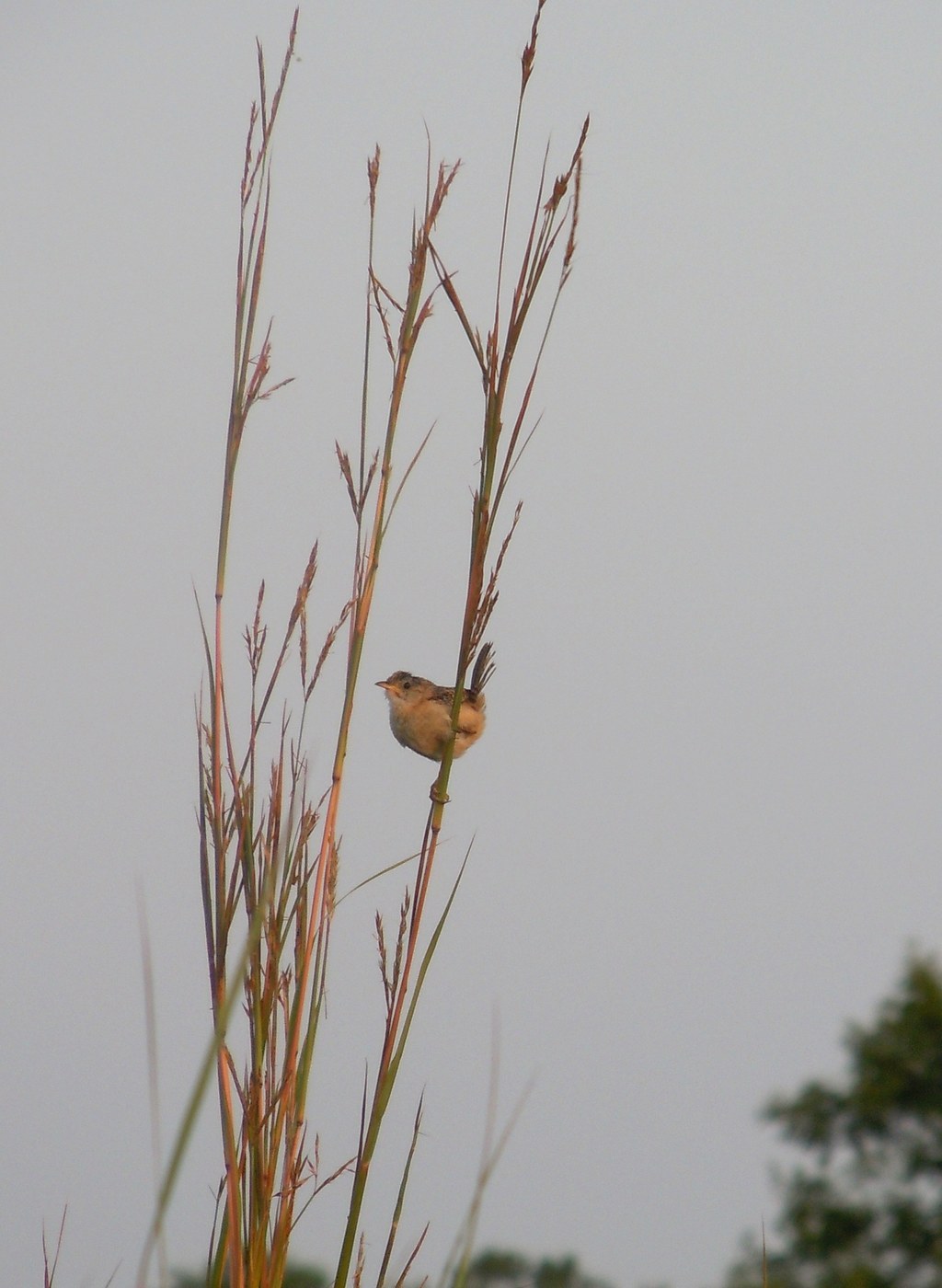
Sedge Wren
Tiny streaked crown and back feathers

Yellow-winged Cacique
Glossy black body feathers, yellow wing patch, shaggy crest

Yellow Warbler
Small contour and flight feathers
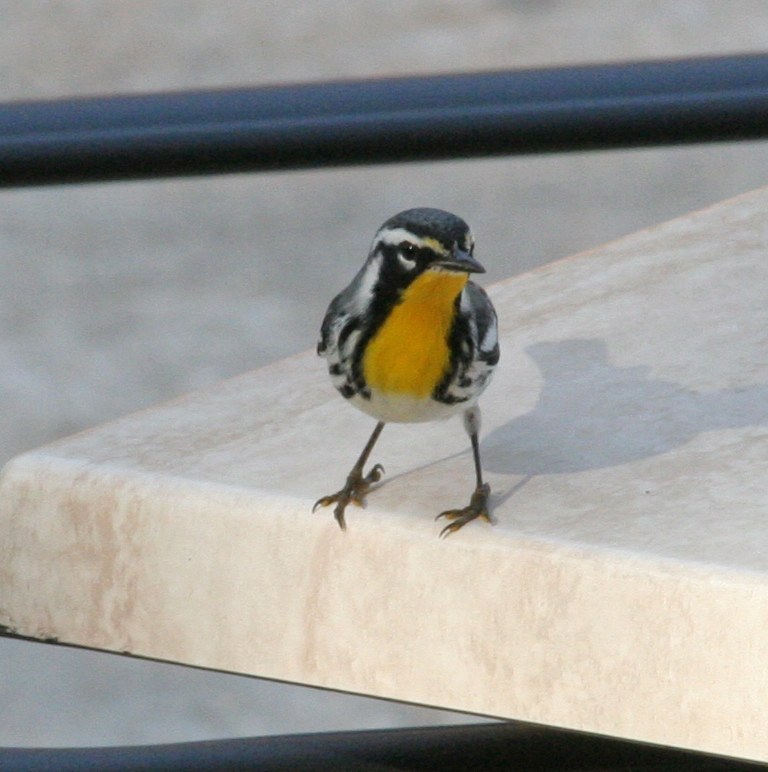
Yellow-throated Warbler
Small contour and flight feathers
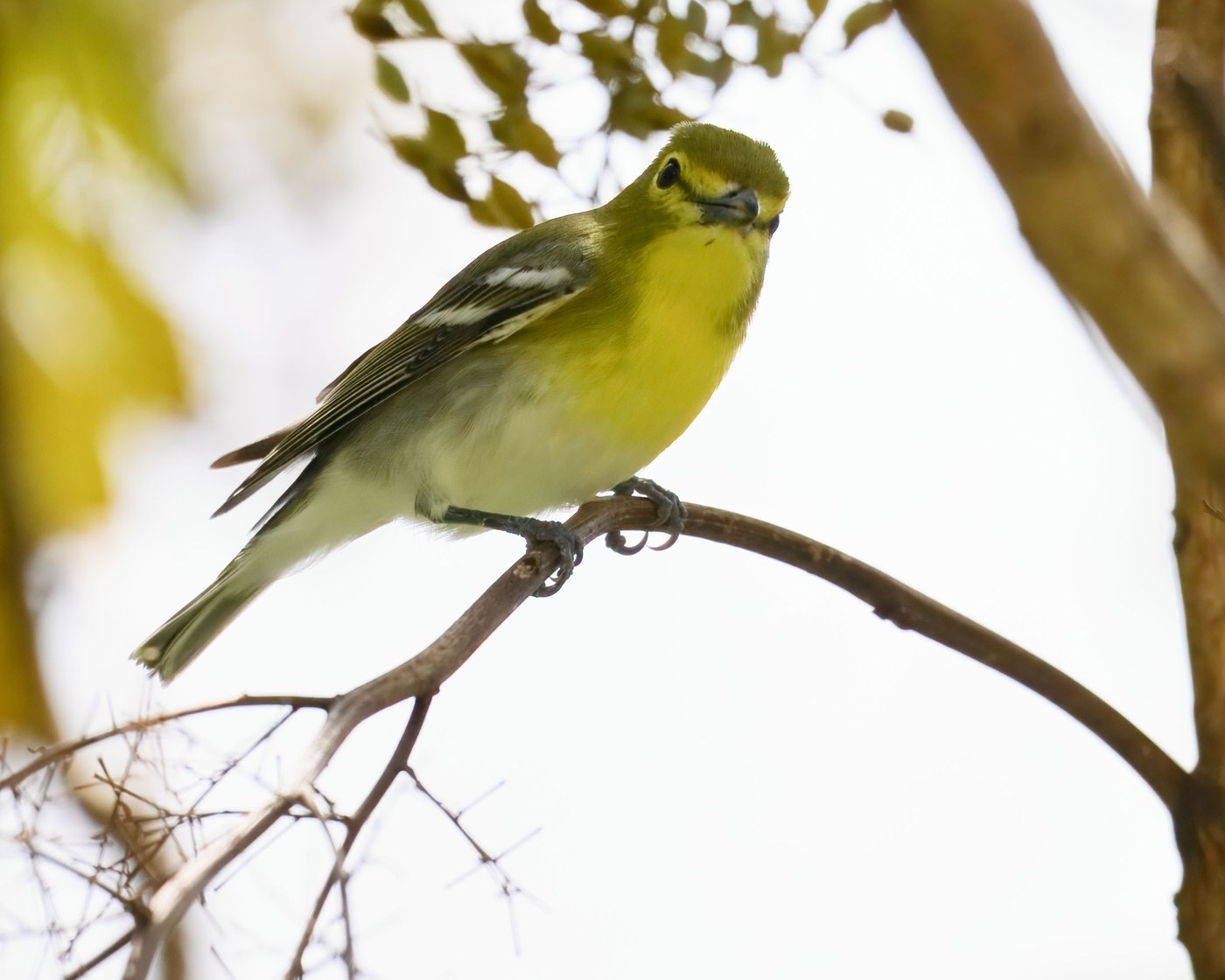
Yellow-throated Vireo
Bright yellow throat and spectacle feathers; olive-green back feathers; two white wing-bar feathers

Yellow-rumped Warbler
Small contour and flight feathers
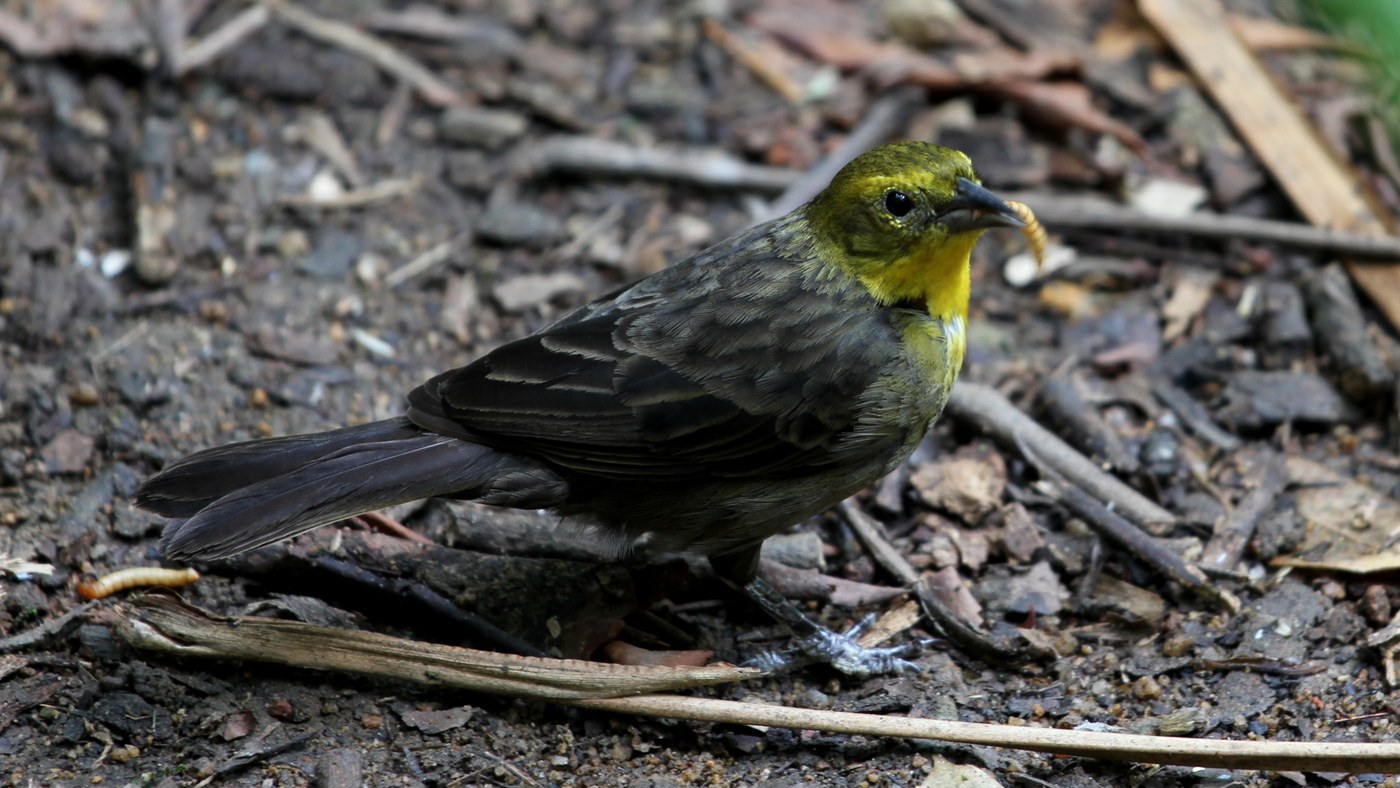
Yellow-hooded Blackbird
Contrasting hood and body feathers
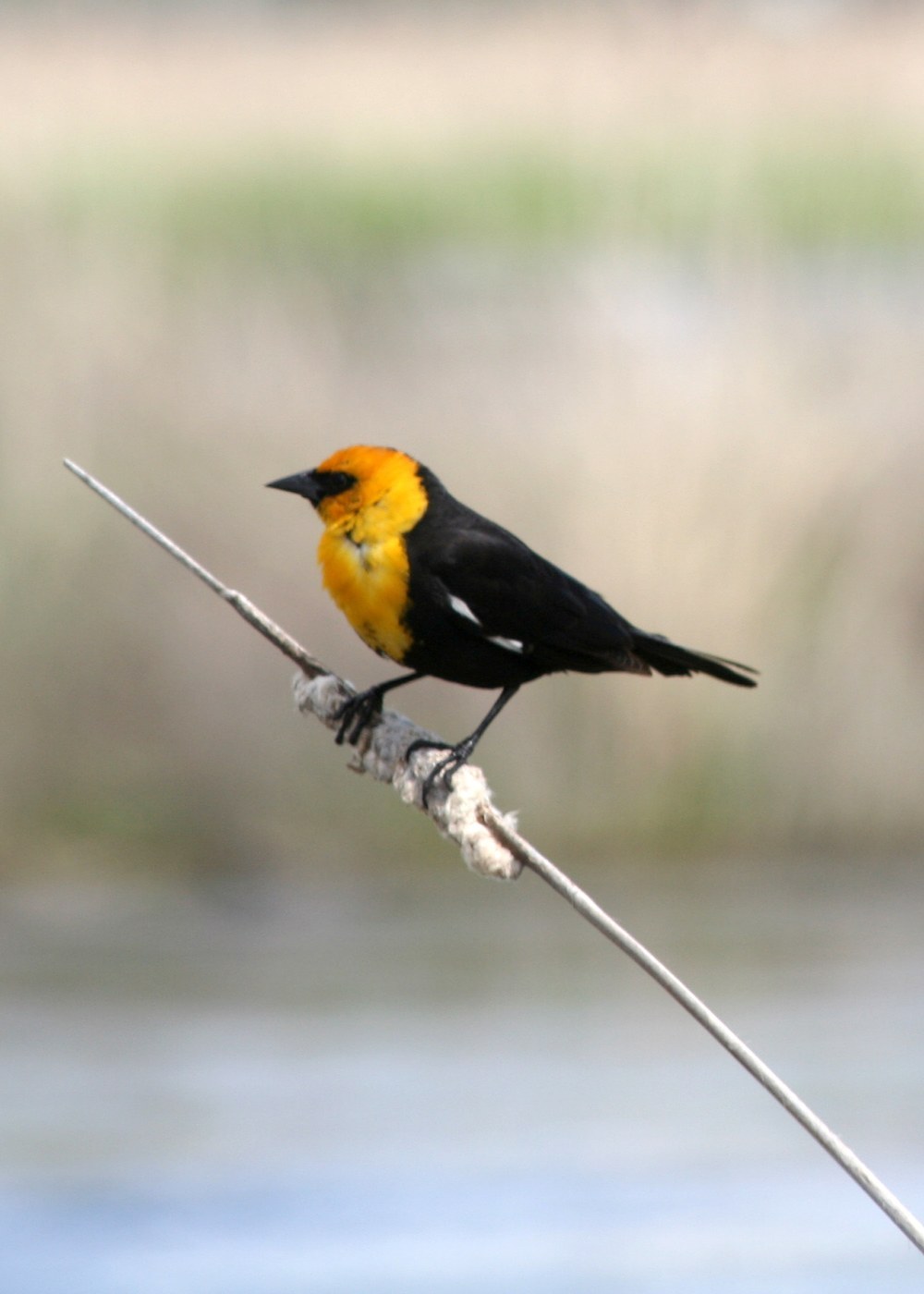
Yellow-headed Blackbird
Glossy black body plumage with a bright yellow head and breast

Yellow-eyed Junco
Contour and flight feathers

Yellow-fronted Canary
Small, smooth body plumage

Yellow-breasted Greenfinch
Compact, smooth body plumage