

Varied Thrush
Ixoreus naevius
A strikingly patterned thrush of Pacific Northwest forests, combining a slate-gray back with burnt-orange underparts, eyebrow stripe, and wing bars, plus a bold dark breast band in males.
- Feather type
- Bold, patterned body feathers with strong wing bars
- Colours
- Slate-gray to blackish upperparts, burnt-orange underparts and eyebrow, dark breast band
- Bird size
- Robin-sized, ~21-25 cm
Found a feather like this?
Identify any feather from a photo, free.
Overview
The Varied Thrush is a boldly marked forest songbird of the Pacific coast and interior mountains of western North America, closely tied to dense, shaded, moist coniferous and mixed forest. Its striking orange-and-gray pattern and haunting, single-note whistled song make it one of the more distinctive and evocative birds of the region's old-growth woodlands.
Identifying the Feather
- Upperpart feathers: Slate-gray to blackish across the back, crown, and tail.
- Underpart feathers: Bright burnt-orange from throat to belly, crossed by a bold dark breast band in males (narrower and grayer in females).
- Facial feathers: A prominent orange eyebrow stripe contrasts against the darker face.
- Wing feathers: Black with two bold orange wing bars, conspicuous both perched and in flight.
- Compared to similar species: The combination of an orange eyebrow, orange wing bars, and a dark breast band is unlike any other North American thrush, making this species relatively easy to identify when seen well.
Plumage & Molt
Males show a bold, high-contrast pattern with a solid slate-gray to blackish back and head, a broad dark breast band, and bright orange underparts, eyebrow, and wing bars. Females and immatures are duller and grayer overall, with a browner back and a narrower, less distinct, more grayish-brown breast band. Juveniles show additional pale mottling on the underparts before their first molt. A single complete molt after breeding renews the plumage annually.
Habitat & Range
Varied Thrushes breed in dense, moist coniferous and mixed forest, especially old-growth and shaded ravines, from Alaska south through the Pacific Northwest and into parts of California and the northern Rockies. Many populations are migratory or make altitudinal movements, with some individuals wintering in lowland forest, parks, and gardens well outside the typical breeding range, occasionally as vagrants across North America.
Behavior & Field Notes
This thrush forages on the forest floor, flipping leaf litter for invertebrates and taking fruit, especially in fall and winter. Its song is a distinctive series of long, eerie, single-pitch whistled notes separated by silence, often likened to a ringing or buzzing tone, and it is a signature sound of dim, wet coastal forest. Nests are built in dense conifer branches close to the trunk. Its shy nature and preference for deep forest shade mean it is often heard well before it is seen.
Frequently asked questions
What makes the Varied Thrush easy to identify?
Its bold orange eyebrow stripe, orange wing bars, and dark breast band set against a slate-gray back are distinctive and not shared by other North American thrushes.
How do males and females differ?
Males show a bolder, more solid dark breast band and richer orange tones, while females and immatures appear duller and grayer with a less distinct breast band.
What forest type does this species favor?
It favors dense, moist, often old-growth coniferous and mixed forest, particularly in shaded ravines of the Pacific Northwest.
What does its song sound like?
Its song consists of long, eerie, single-pitch whistled notes with pauses between them, often described as a haunting, ringing tone.
Varied Thrush guides
In-depth guides for identifying and understanding Varied Thrush.

Other feathers you may enjoy

Yellow-breasted Bunting
Contour and flight feathers, chestnut-and-yellow breeding pattern
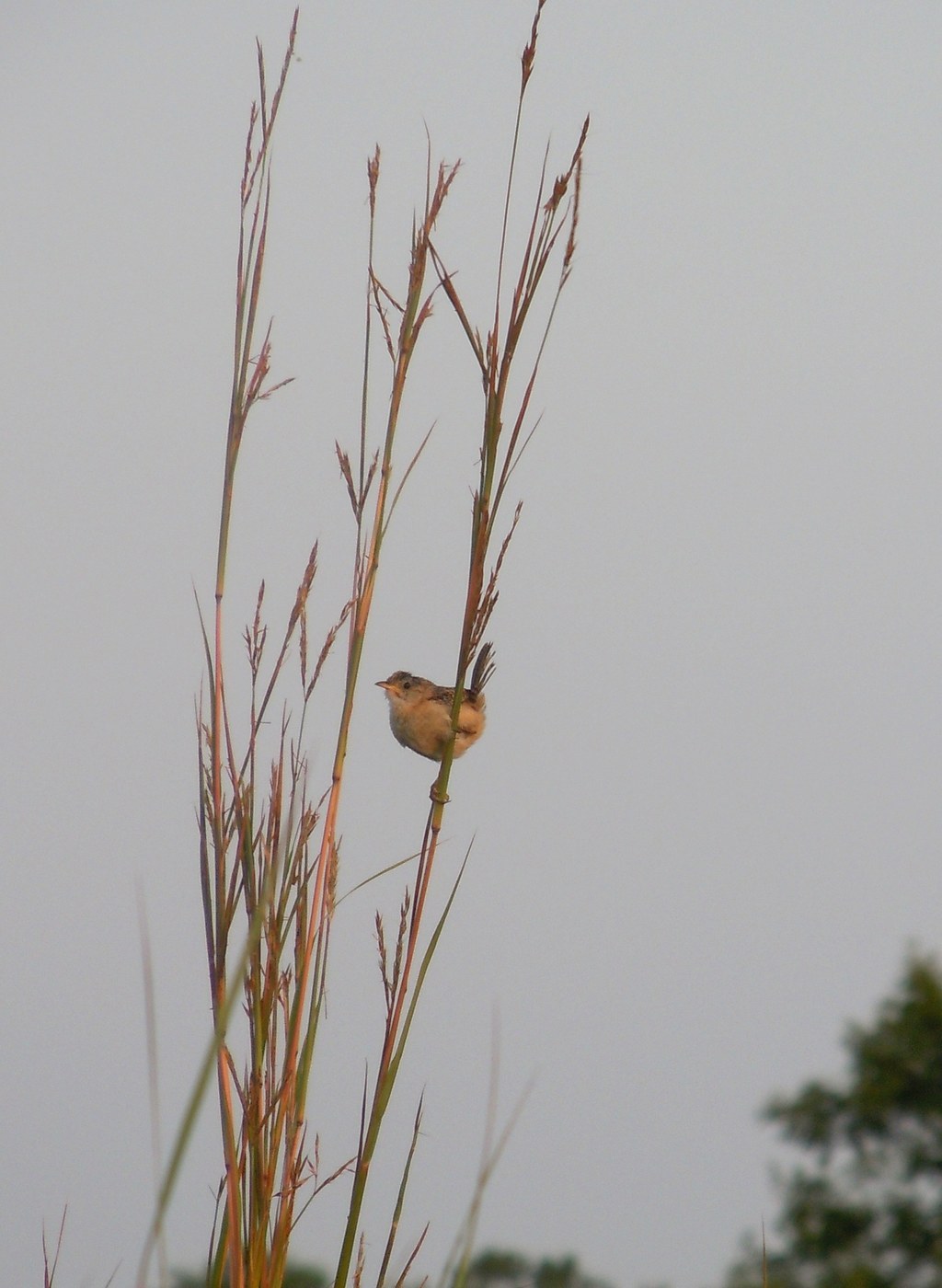
Sedge Wren
Tiny streaked crown and back feathers

Yellow-winged Cacique
Glossy black body feathers, yellow wing patch, shaggy crest

Yellow Warbler
Small contour and flight feathers
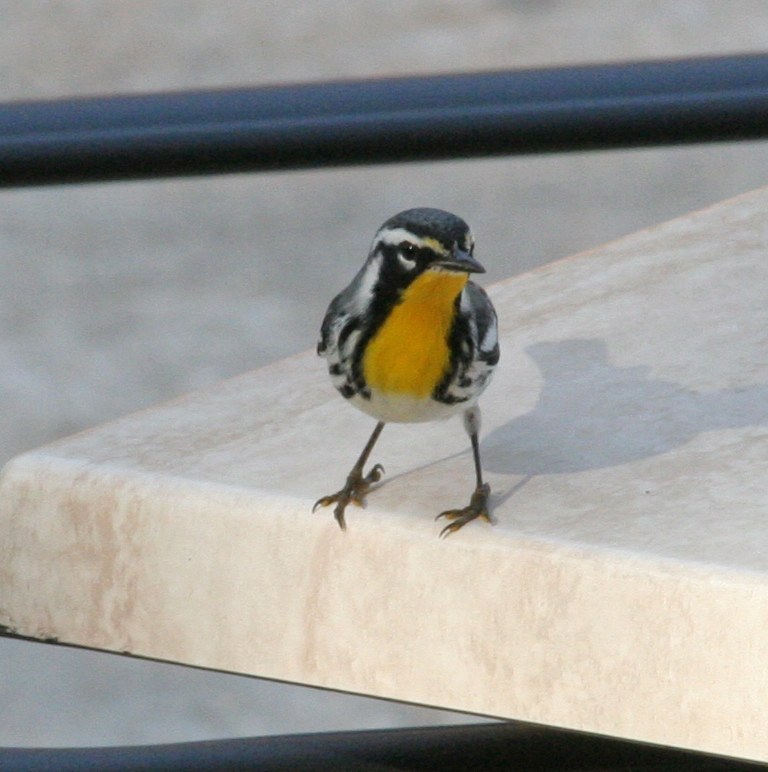
Yellow-throated Warbler
Small contour and flight feathers
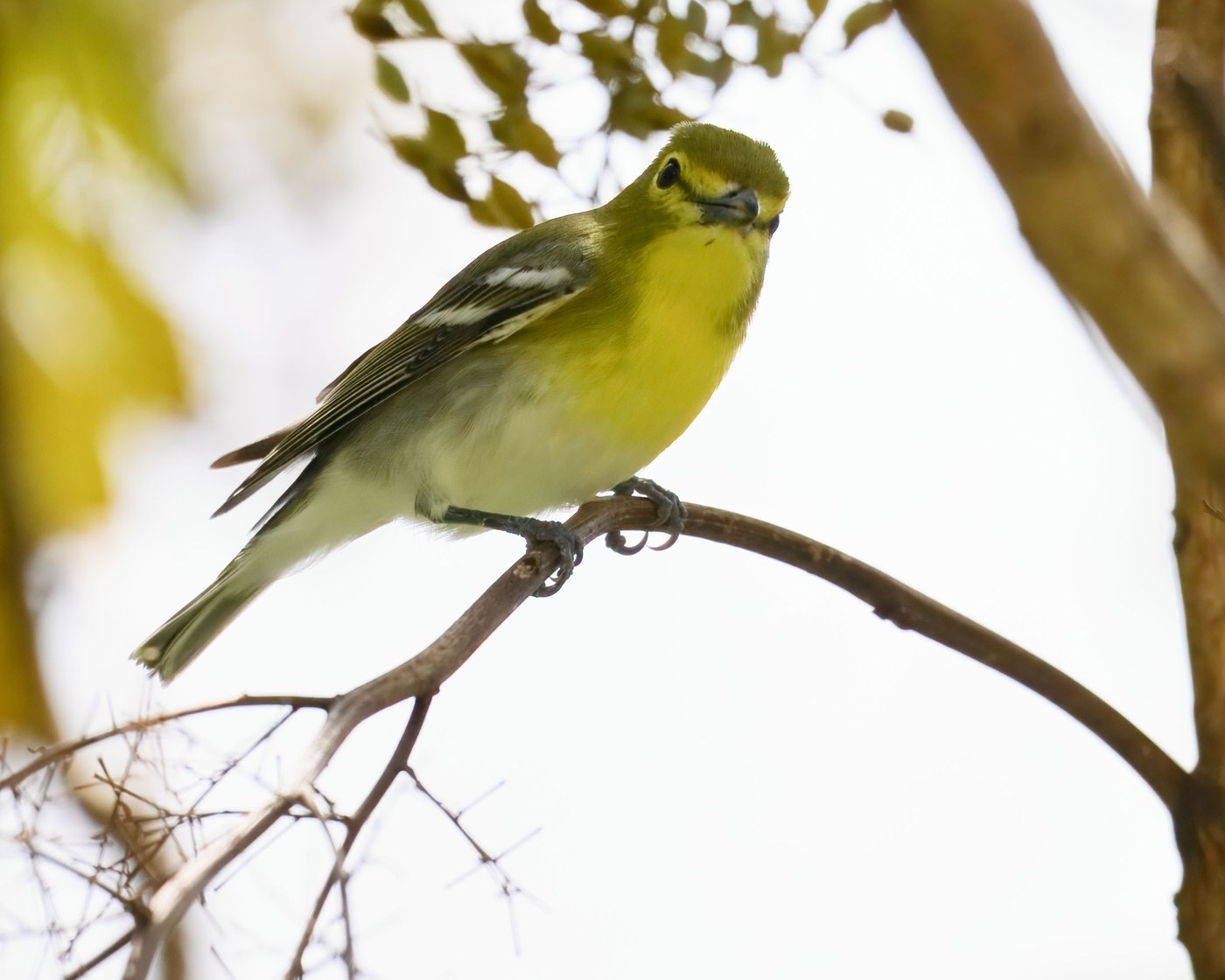
Yellow-throated Vireo
Bright yellow throat and spectacle feathers; olive-green back feathers; two white wing-bar feathers

Yellow-rumped Warbler
Small contour and flight feathers
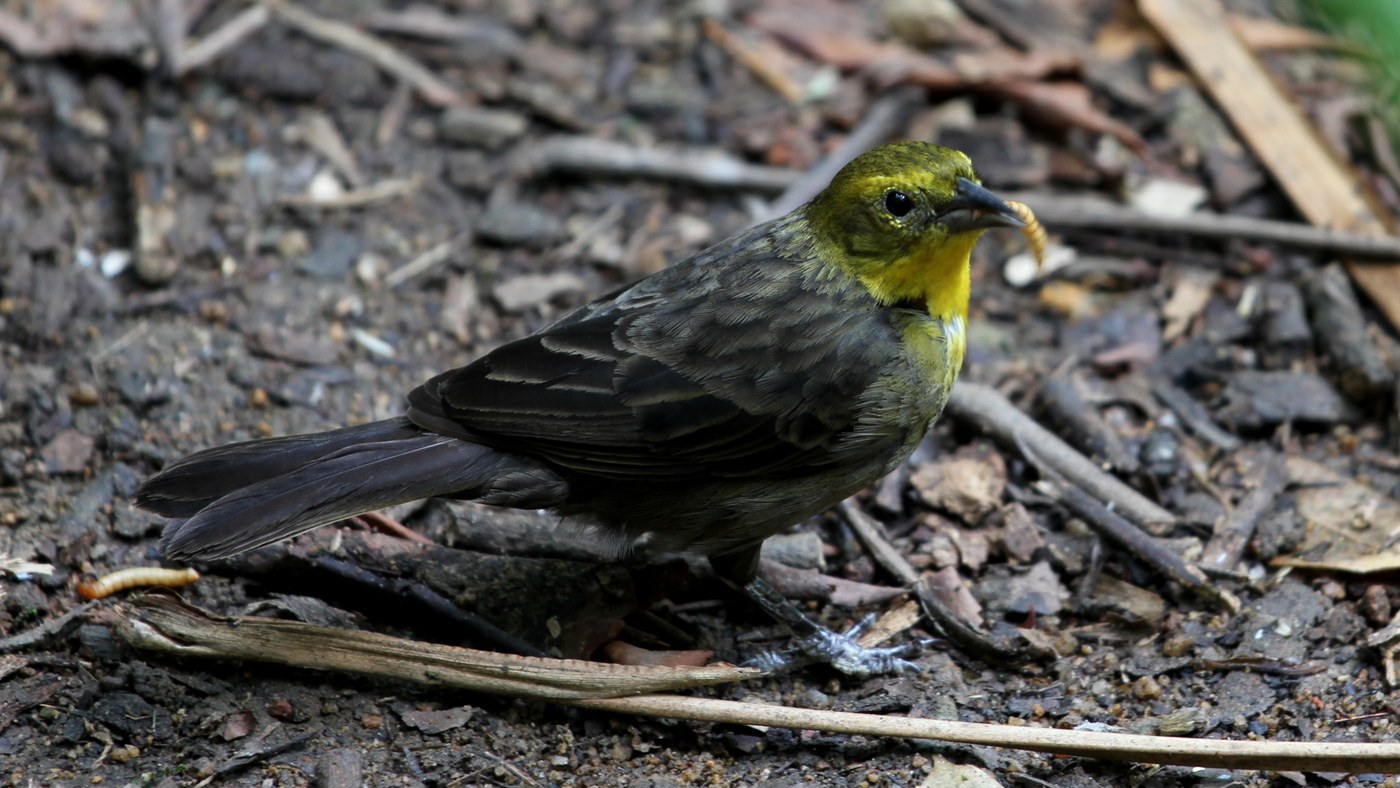
Yellow-hooded Blackbird
Contrasting hood and body feathers
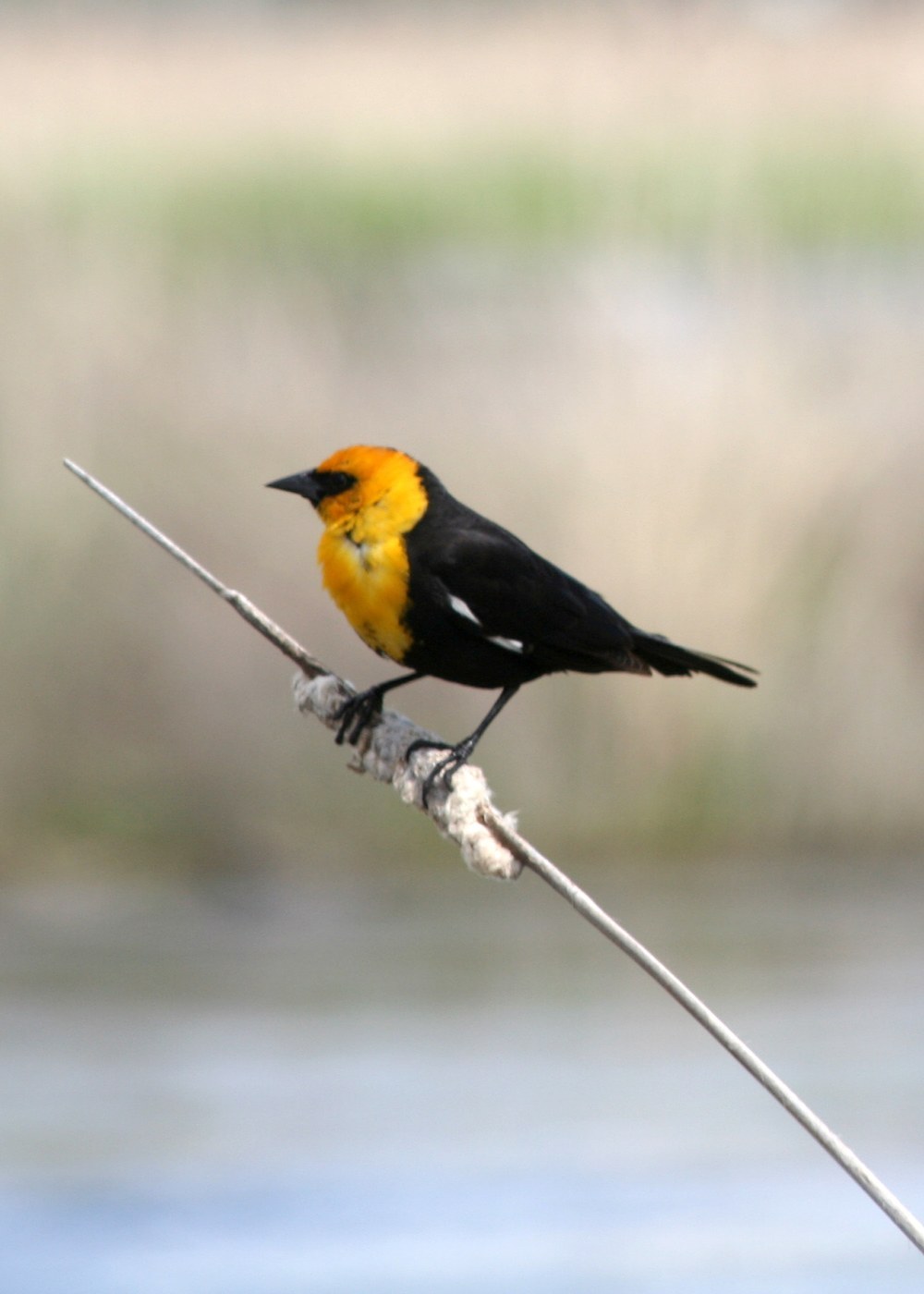
Yellow-headed Blackbird
Glossy black body plumage with a bright yellow head and breast

Yellow-eyed Junco
Contour and flight feathers

Yellow-fronted Canary
Small, smooth body plumage

Yellow-breasted Greenfinch
Compact, smooth body plumage