

Tennessee Warbler
Leiothlypis peregrina
A plainly patterned warbler with a gray head, white eyebrow stripe, and whitish underparts, notable for its unmarked, wing-bar-free appearance and boreal breeding range.
- Feather type
- Small, soft contour feathers; plain, no wing bars, no streaking
- Colours
- Gray head, olive-green back, whitish underparts, pale eyebrow stripe
- Bird size
- Kinglet-sized, ~12 cm
Found a feather like this?
Identify any feather from a photo, free.
Overview
Overview
The Tennessee Warbler is a plainly plumaged but distinctive warbler that breeds widely across the boreal spruce-fir forests of Canada and the far northern United States. Its combination of a gray head, whitish eyebrow stripe, olive-green back, and pale whitish underparts, without wing bars or streaking, gives it a relatively simple appearance compared to many more boldly patterned warblers, but this very plainness combined with head pattern is diagnostic.
Like several other warblers named for locations far from their main range, this species was first described from a specimen collected in Tennessee during migration rather than from its breeding grounds. Populations can fluctuate with spruce budworm outbreaks, an important boreal food source during breeding.
Identifying the Feather
Feather Identification
- Head pattern: Gray crown and nape feathers contrast with a whitish to pale grayish eyebrow stripe and a dusky line through the eye, giving a subtly marked but clean facial pattern.
- Upperparts: Back, wing, and tail feathers are olive-green, plain without wing bars, an important feature separating this species from many similarly plain warblers.
- Underparts: Breast and belly feathers are whitish to very pale yellowish, without streaking, generally paler than the more saturated yellow underparts of many related species.
- Undertail coverts: These feathers are notably white, a useful supporting feature.
- Seasonal variation: Fall birds, especially immatures, often show more yellowish-green overall tones on both upperparts and underparts compared to the grayer, cleaner-headed spring adults.
Plumage & Molt
Plumage Details
Adult males in spring show the cleanest, grayest head contrasted against olive-green upperparts and whitish underparts. Adult females are similar but slightly duller, with a less contrasting head pattern. Fall immatures are notably more yellow-green overall, with a less defined gray head and more yellowish wash to the underparts, sometimes causing confusion with other similarly plain fall warblers.
A complete molt occurs on the breeding grounds in late summer, and this species' appearance can shift noticeably between the grayer, cleaner spring plumage and the yellower, more washed-out fall immature plumage, making seasonal context important for identification.
Habitat & Range
Habitat & Range
Tennessee Warblers breed across a broad band of boreal forest, particularly spruce-fir and mixed woodland, spanning most of Canada and parts of the extreme northern United States. Breeding density and success can be strongly influenced by outbreaks of spruce budworm and other boreal forest insects, an important food source during the nesting season.
This species is a long-distance migrant, wintering from southern Mexico through Central America into northern South America, typically in a range of forest, forest-edge, and shade-coffee habitats.
Behavior & Field Notes
Behavior & Field Notes
Tennessee Warblers forage actively in tree foliage, gleaning insects from leaves and twigs, and can be quite numerous during outbreaks of boreal forest insect pests, when they may raise larger broods and occur at higher densities. They often join mixed-species foraging flocks, especially during migration.
The nest is built on the ground, typically well hidden in mossy or grassy ground cover within boreal forest habitat. The song is a loud, rapid, three-parted series of chipping notes that increases in speed, often quite emphatic for such a small, plainly patterned bird. Because of its relatively nondescript pattern, careful attention to head pattern and the lack of wing bars and streaking is important for confident identification.
Frequently asked questions
How can I identify a Tennessee Warbler by its feathers if it looks so plain?
Look for the combination of a gray head with a whitish eyebrow stripe, plain olive-green wings with no wing bars, and whitish, unstreaked underparts.
Why do fall Tennessee Warblers look different from spring birds?
Fall immatures show more yellow-green overall tones and a less contrasting head pattern compared to the grayer-headed spring adults.
Does the Tennessee Warbler have wing bars?
No, its wings are plain olive-green without wing bars, an important feature for separating it from other plain warblers.
What influences Tennessee Warbler breeding success?
Outbreaks of boreal forest insects such as spruce budworm can provide abundant food, sometimes supporting larger broods and higher local breeding densities.
Tennessee Warbler guides
In-depth guides for identifying and understanding Tennessee Warbler.

Other feathers you may enjoy

Yellow-breasted Bunting
Contour and flight feathers, chestnut-and-yellow breeding pattern
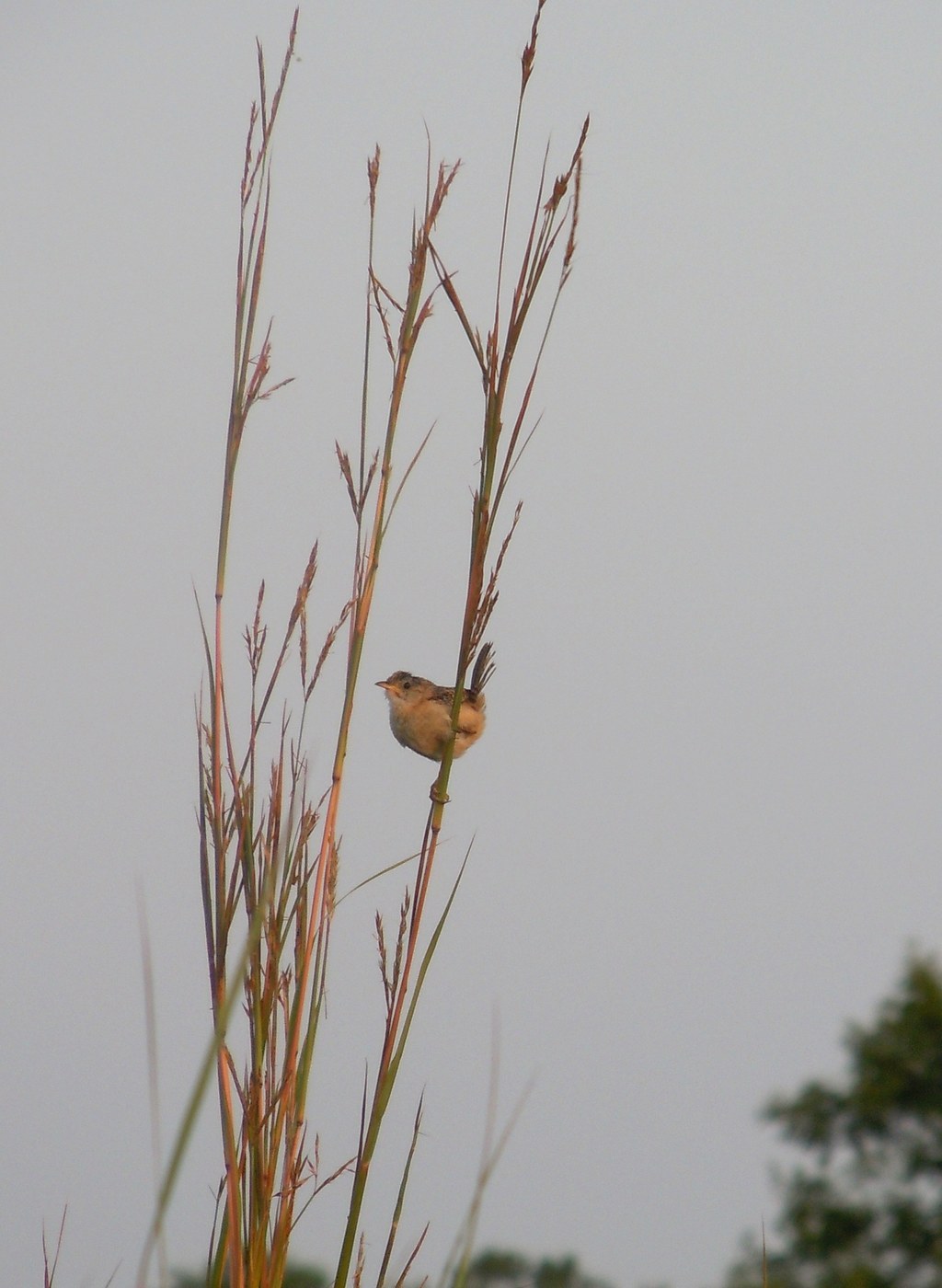
Sedge Wren
Tiny streaked crown and back feathers

Yellow-winged Cacique
Glossy black body feathers, yellow wing patch, shaggy crest

Yellow Warbler
Small contour and flight feathers
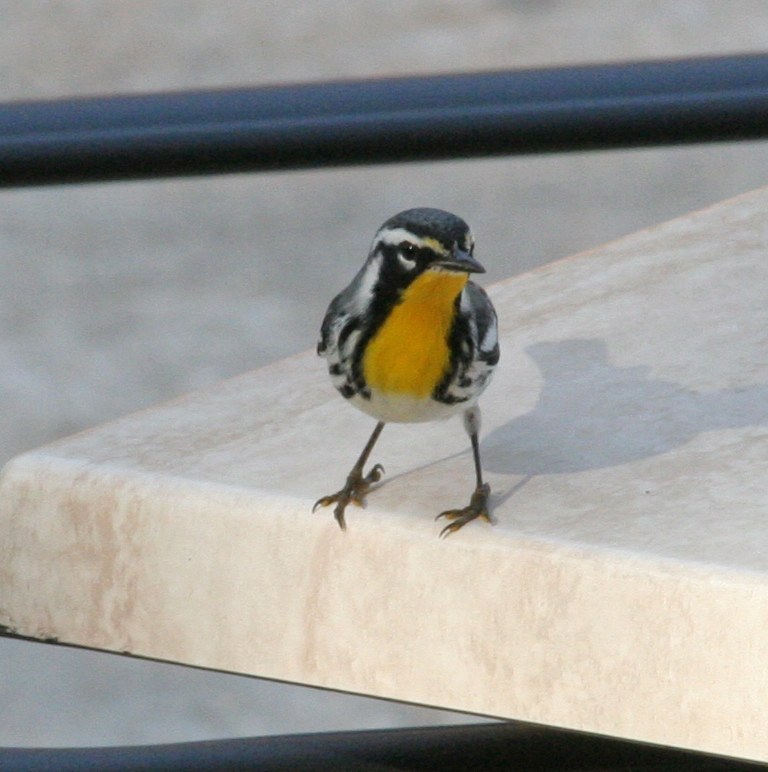
Yellow-throated Warbler
Small contour and flight feathers
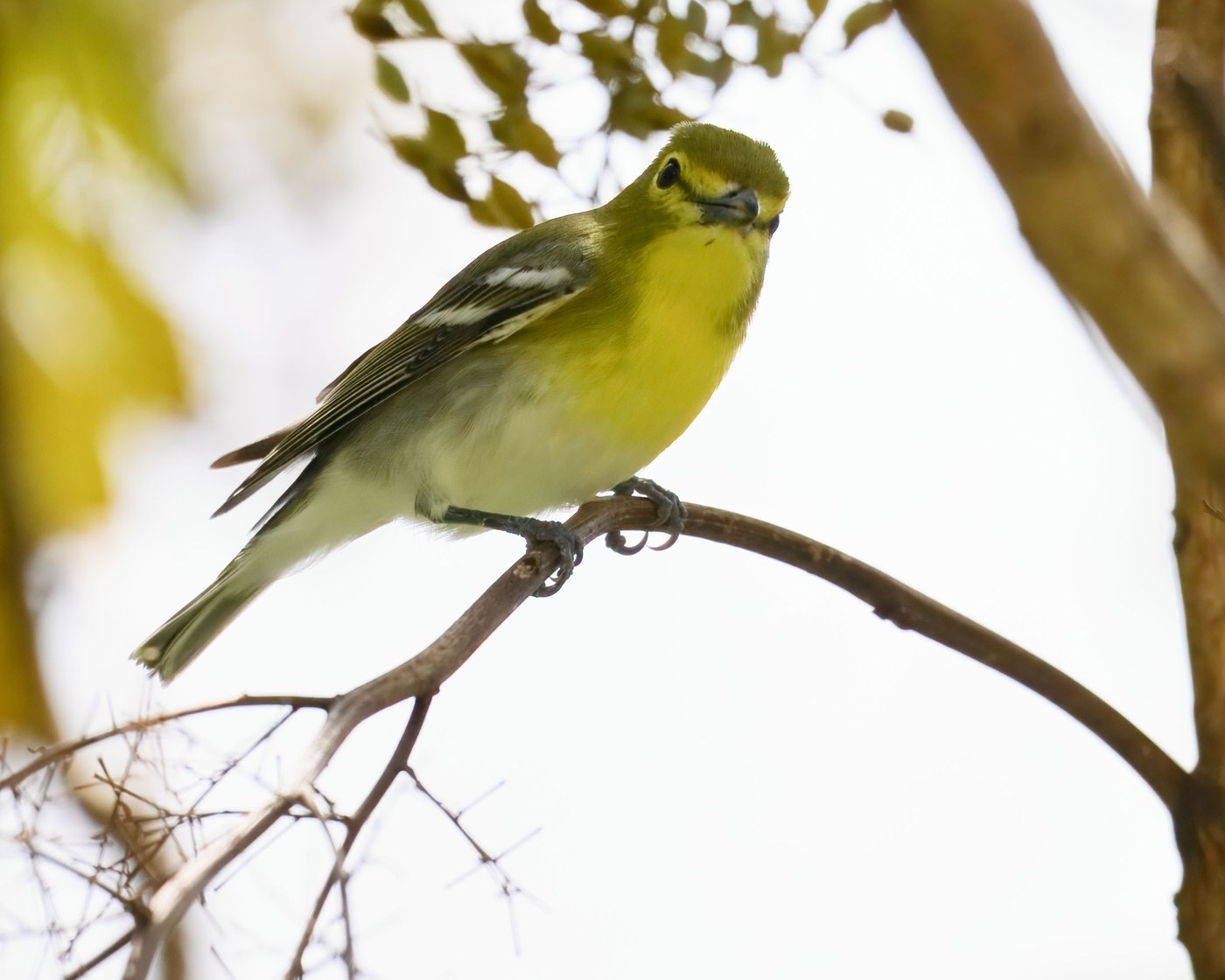
Yellow-throated Vireo
Bright yellow throat and spectacle feathers; olive-green back feathers; two white wing-bar feathers

Yellow-rumped Warbler
Small contour and flight feathers
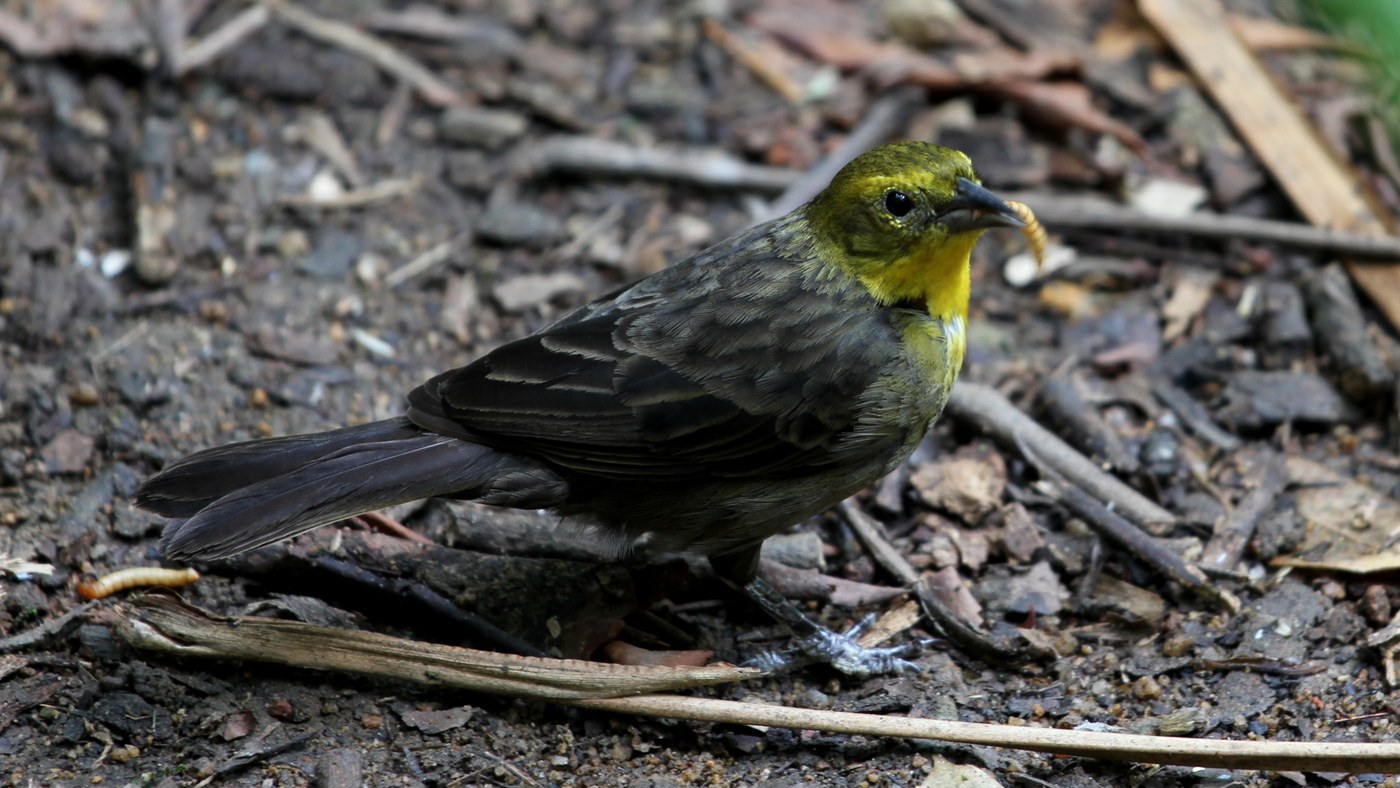
Yellow-hooded Blackbird
Contrasting hood and body feathers
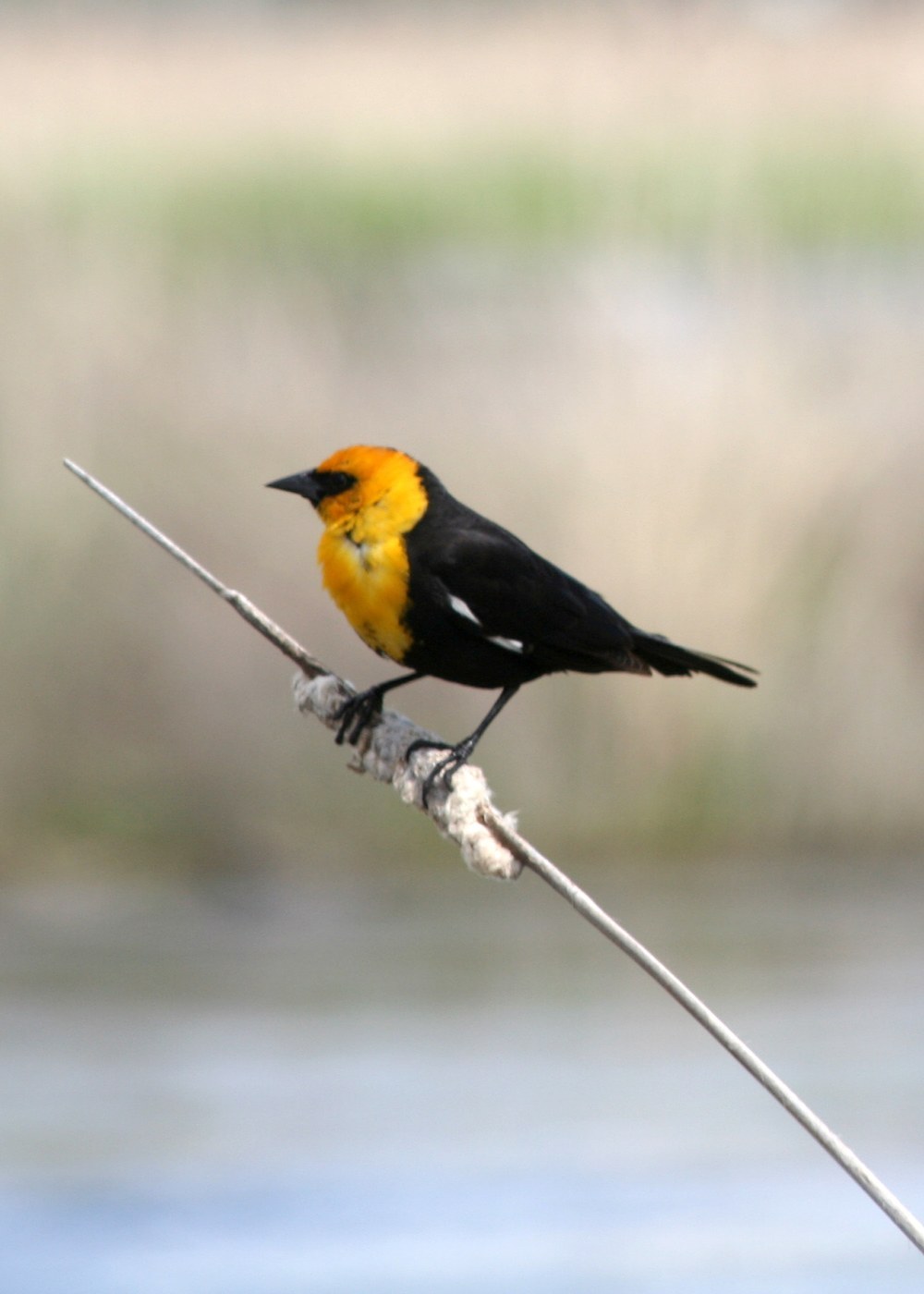
Yellow-headed Blackbird
Glossy black body plumage with a bright yellow head and breast

Yellow-eyed Junco
Contour and flight feathers

Yellow-fronted Canary
Small, smooth body plumage

Yellow-breasted Greenfinch
Compact, smooth body plumage