
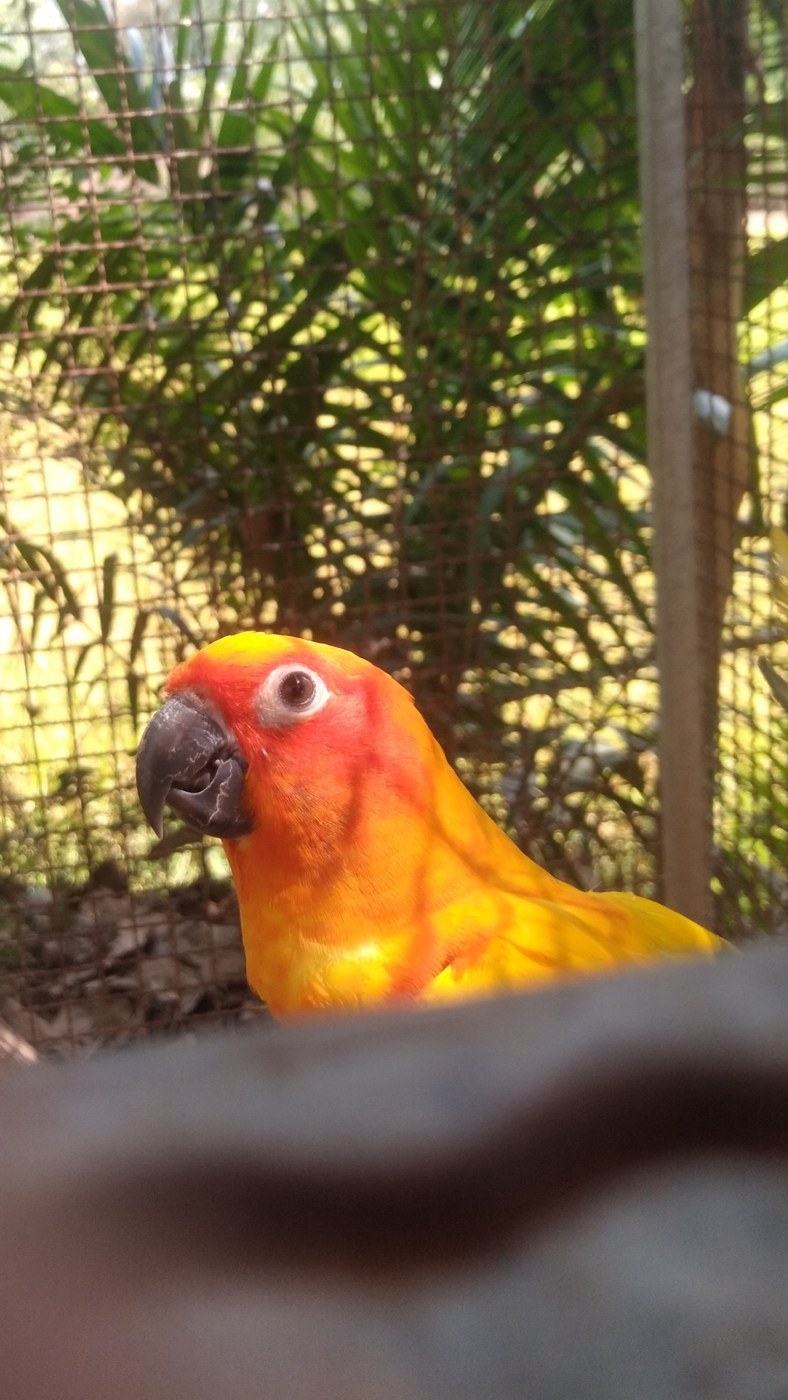
Sun Conure
Aratinga solstitialis
A vividly colored conure of northeastern South America, its golden-yellow and orange plumage set off by green-tipped wings and blue flight feathers.
- Feather type
- Vivid, soft-textured body feathers; moderately long, tapered tail
- Colours
- Golden-yellow and orange body with green wing tips and blue flight feathers
- Bird size
- Medium conure, ~30 cm
Found a feather like this?
Identify any feather from a photo, free.
Overview
The Sun Conure is native to a limited range in northeastern South America, including parts of Venezuela, Guyana, and northern Brazil, where it inhabits forest edge, savanna woodland, and palm groves. It is among the most brightly colored of the Aratinga conures, though adults take time to develop their full vivid coloration, and its restricted range and popularity in aviculture have made wild population trends a conservation concern.
Identifying the Feather
Body feathers in adults are a vivid golden-yellow to orange over most of the head, neck, and underparts, with orange more concentrated on the face and belly. The wings show green primary coverts and green-edged flight feathers, with the flight feathers themselves showing a blue wash, creating a multicolored wing pattern against the yellow-orange body. The tail is moderately long, tapered, and olive-green tipped with blue. Overall the combination of golden-yellow body plumage with green-and-blue wings distinguishes this species from other similarly built Aratinga conures, which tend to be predominantly green.
Plumage & Molt
Sexes are alike in plumage, with no reliable visual difference between males and females. Juveniles are considerably duller and greener than adults, with the vivid yellow-orange coloration developing gradually over roughly the first one to two years through successive molts, a trait shared with several related conure species.
Habitat & Range
This species occupies tropical forest edge, savanna woodland, and palm groves within a relatively restricted range in northeastern South America, including parts of Venezuela, Guyana, Suriname, and northern Brazil. It is largely non-migratory, though flocks may move locally in response to fruiting and seeding patterns.
Behavior & Field Notes
Sun Conures feed on fruit, seeds, blossoms, and nuts, foraging in flocks that move between fruiting trees and palm groves. Nests are placed in tree cavities. Calls include loud, sharp, repeated screeching notes typical of Aratinga conures, given frequently in flight and while foraging in groups.
Frequently asked questions
What color are adult Sun Conure feathers?
Golden-yellow to orange over most of the body, with green-tipped wings and blue flight feathers.
Are young Sun Conures as colorful as adults?
No, juveniles are duller and greener, gradually developing the vivid yellow-orange coloration over their first year or two.
Where does the Sun Conure live in the wild?
In a restricted range of forest edge, savanna woodland, and palm groves in northeastern South America.
Can you tell male and female Sun Conures apart by plumage?
No, the sexes look alike in plumage.
Sun Conure guides
In-depth guides for identifying and understanding Sun Conure.
Other feathers you may enjoy
Sun Parakeet
Bright, dense body contour feathers; medium pointed tail feathers

Yellow-naped Amazon
Broad rounded contour feathers with sturdy flight feathers
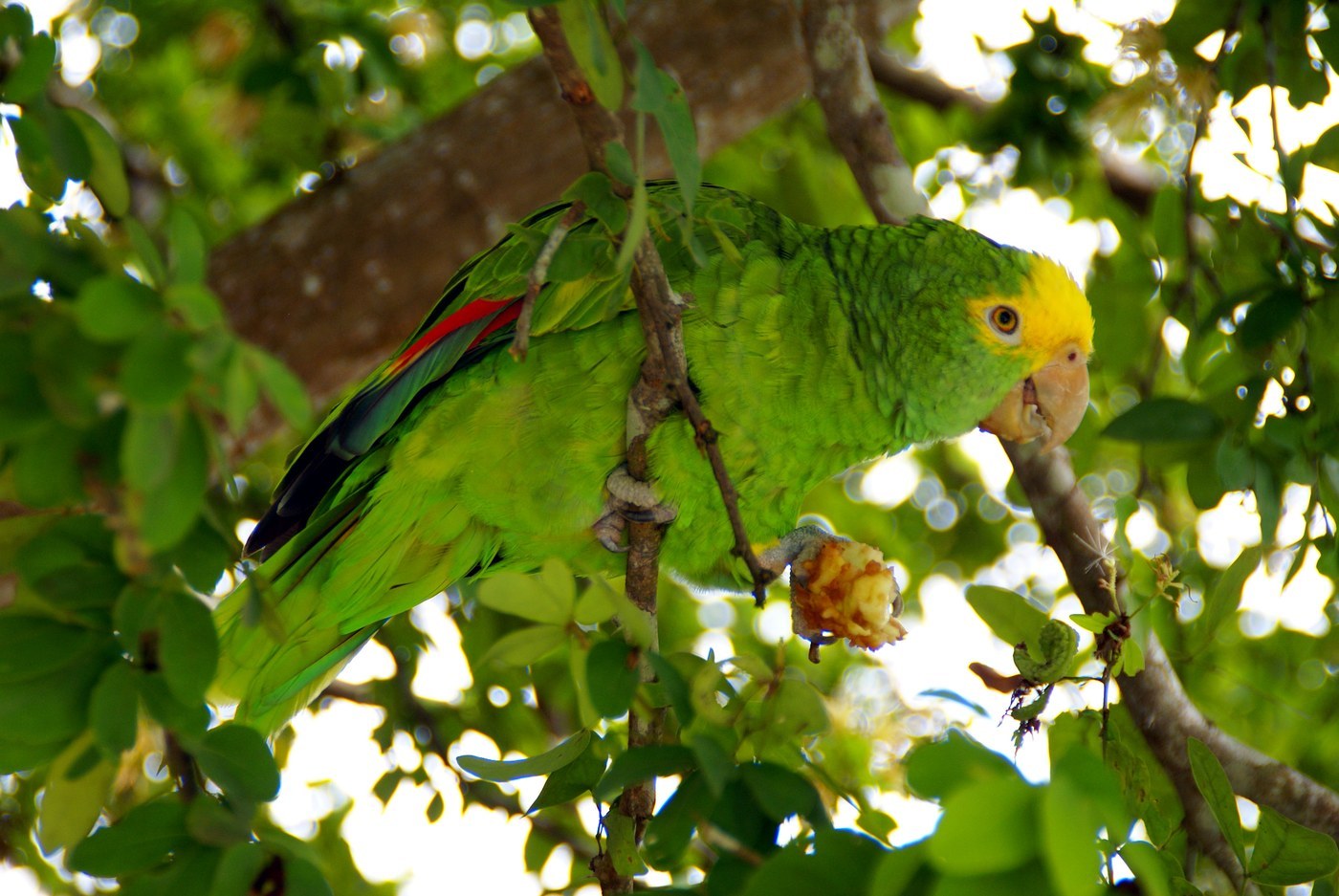
Yellow-headed Amazon
Dense, rounded body contour feathers; broad flight feathers
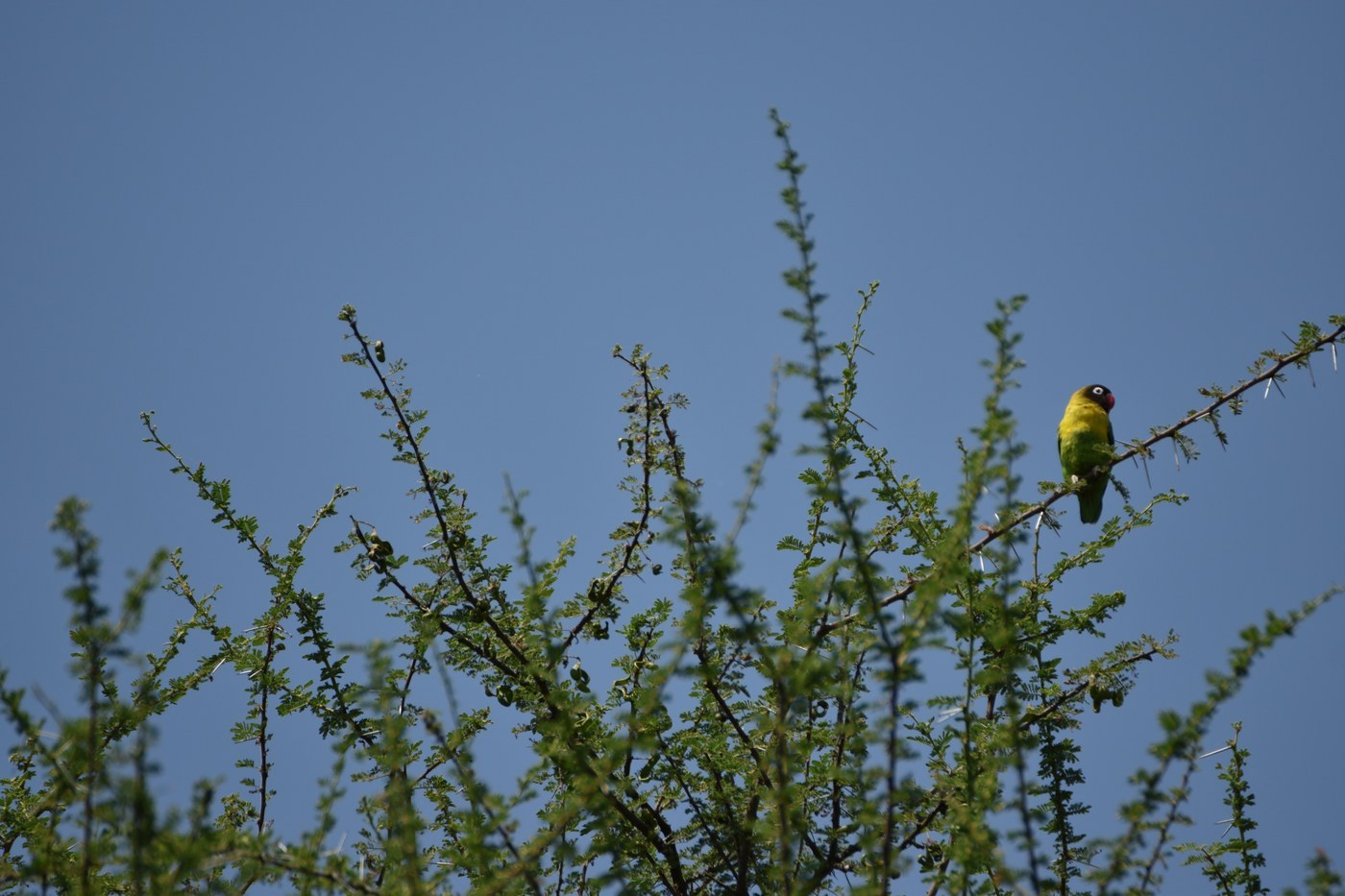
Yellow-collared Lovebird
Small compact flight feathers, short rounded tail

White-eyed Conure
Medium contour and long, graduated tail feathers

Yellow-tailed Black Cockatoo
Large, sturdy contour and flight feathers; short crest

Scarlet-chested Parrot
Small contour and flight feathers

Timneh Parrot
Broad flight feathers, scalloped body feathers with pale edges
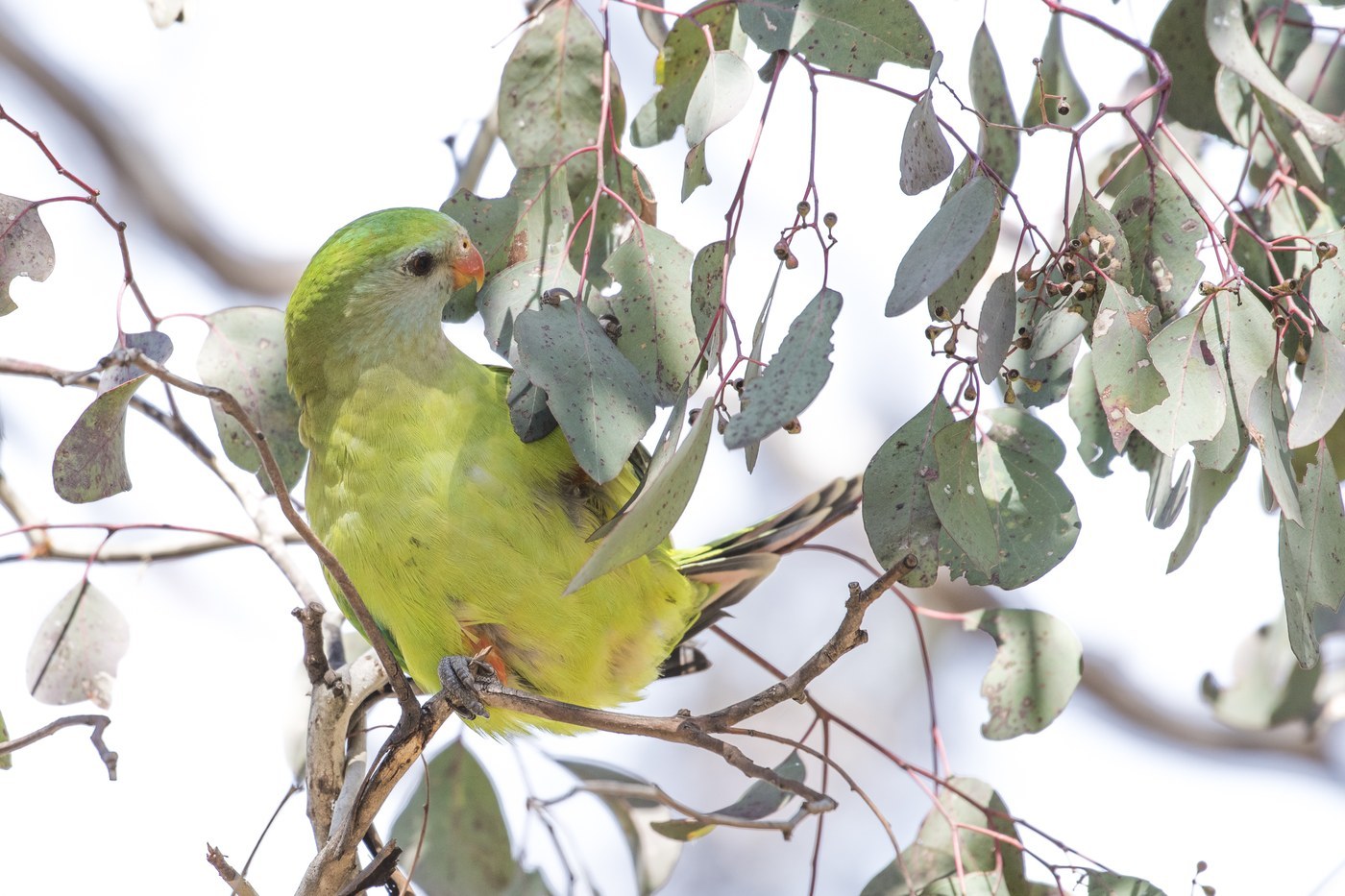
Superb Parrot
Sleek contour feathers with a long tapering tail

Red-shouldered Macaw
Compact body contour feathers; medium flight and tail feathers
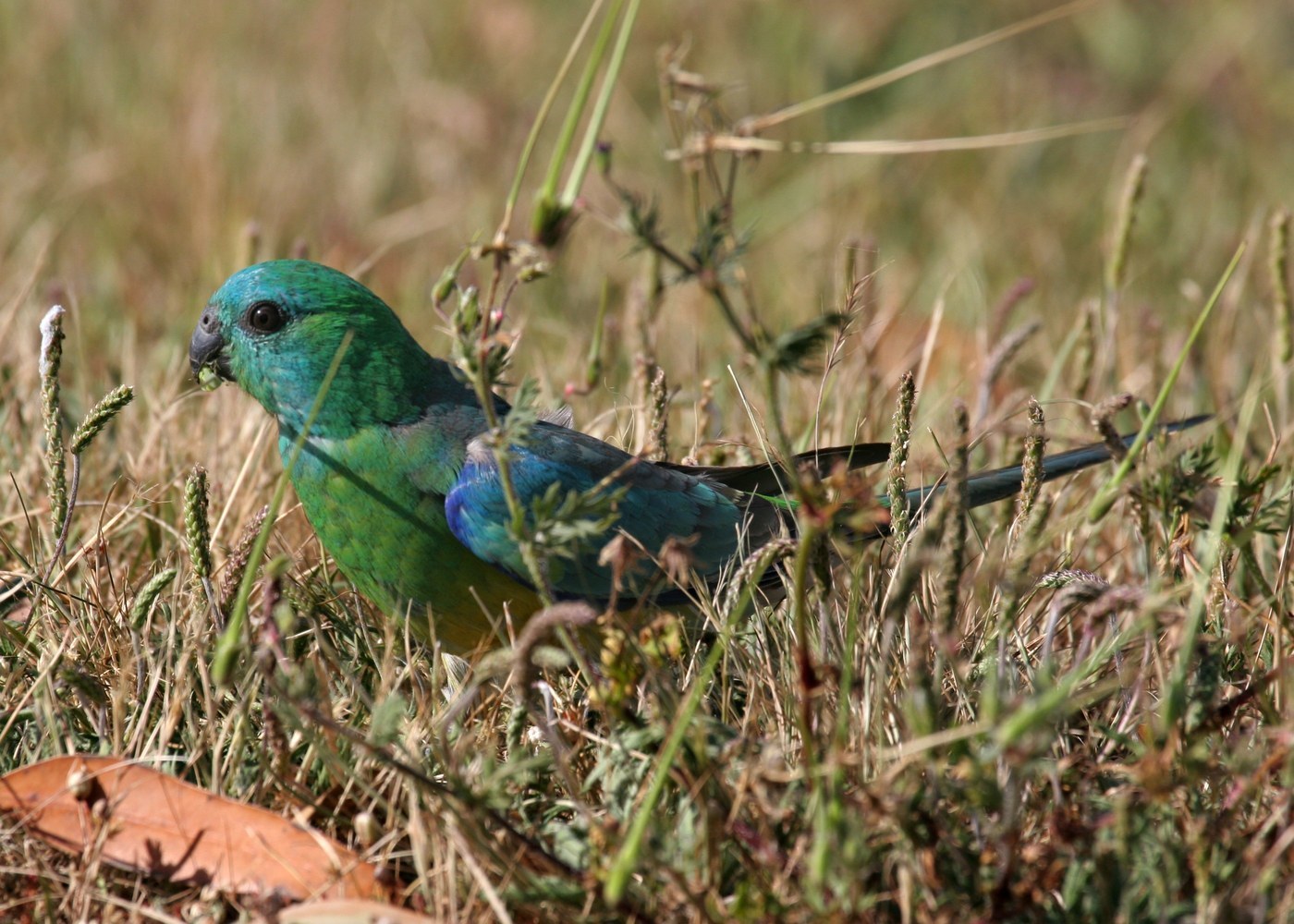
Red-rumped Parrot
Sleek contour feathers with a bright rump patch in males

White-capped Pionus
Compact contour feathers and short, squared tail feathers