

Scarlet-chested Parrot
Neophema splendida
A tiny, jewel-toned Australian grass parrot named for the male's bright scarlet chest patch.
- Feather type
- Small contour and flight feathers
- Colours
- Turquoise blue, deep scarlet red, yellow-green
- Bird size
- Sparrow-sized, ~19-21 cm
Found a feather like this?
Identify any feather from a photo, free.
Overview
Overview
The Scarlet-chested Parrot is one of the smallest of the Australian grass parrots (genus Neophema), a group known for compact bodies and brilliant, almost enamel-like plumage. It inhabits dry inland scrub and mallee country, where its coloring provides surprisingly effective camouflage against foliage despite its vivid look up close.
- Small, short-tailed parrot with a stocky build
- Sexually dimorphic coloring, unusual among grass parrots
- Nomadic within arid zones, tracking seeding grasses
Identifying the Feather
Feather Identification
Feathers from this species are small and rounded, rarely more than a few centimeters long, matching its diminutive frame.
- Face and crown feathers: deep cobalt-to-turquoise blue, densest around the eye and forehead in males
- Chest feathers: bright scarlet red in males, forming a bib-like patch; females lack this color
- Back and wing covert feathers: yellow-green with a slightly duller, more olive cast
- Flight feathers: blue-edged with darker shafts, shorter and more rounded than larger parakeet flight feathers
- Compared to similar species: the Turquoise Parrot has a similar blue face but shows orange-red only on the shoulder/wing, not the chest, helping separate the two at the feather level
Plumage & Molt
Plumage Notes
Males show the full turquoise-blue face and scarlet chest patch that gives the species its name, set against yellow-green upperparts and pale yellow underparts. Females and juveniles are markedly duller, with much less blue on the face and no red chest patch, showing mostly soft green-grey tones instead.
- Juveniles resemble females until their first molt
- No strongly differentiated seasonal plumage; color differences are mainly sex-based
- Molt follows a gradual, sequential pattern typical of small parrots, without dramatic seasonal change
Habitat & Range
Habitat & Range
Endemic to the arid and semi-arid interior of Australia, favoring mallee scrub, spinifex, and open woodland with a grassy understory.
- Highly nomadic, moving in response to rainfall and seed availability rather than following a fixed migratory route
- Found across parts of South Australia, western New South Wales, and southwestern Queensland
- Generally uncommon and irregularly encountered due to its remote, sparsely vegetated range
Behavior & Field Notes
Behavior & Field Notes
Scarlet-chested Parrots are quiet, unobtrusive birds that spend much of their time feeding on the ground among low vegetation, where their green backs blend into the scrub.
- Diet: primarily seeds of grasses and low shrubs, gathered while foraging on the ground
- Nesting: uses tree hollows, often in dead eucalypts, lining the cavity with little more than wood debris
- Voice: soft, tinkling contact calls given in flight, quieter than many other parrots
- Field notes: often detected first by call before being seen, since its plumage can render it surprisingly inconspicuous in dry scrub
Frequently asked questions
What makes the Scarlet-chested Parrot's feathers distinctive?
The combination of a turquoise-blue face and a bright scarlet chest patch on males is unique among the small Australian grass parrots.
Do males and females look alike?
No, males are far more colorful, with blue faces and red chests, while females are duller green with little blue and no red.
Where does this parrot live?
It is found in arid and semi-arid inland Australia, particularly mallee scrub and open woodland.
Is the Scarlet-chested Parrot migratory?
It is nomadic rather than truly migratory, moving irregularly in response to rainfall and food availability.
Scarlet-chested Parrot guides
In-depth guides for identifying and understanding Scarlet-chested Parrot.

Other feathers you may enjoy
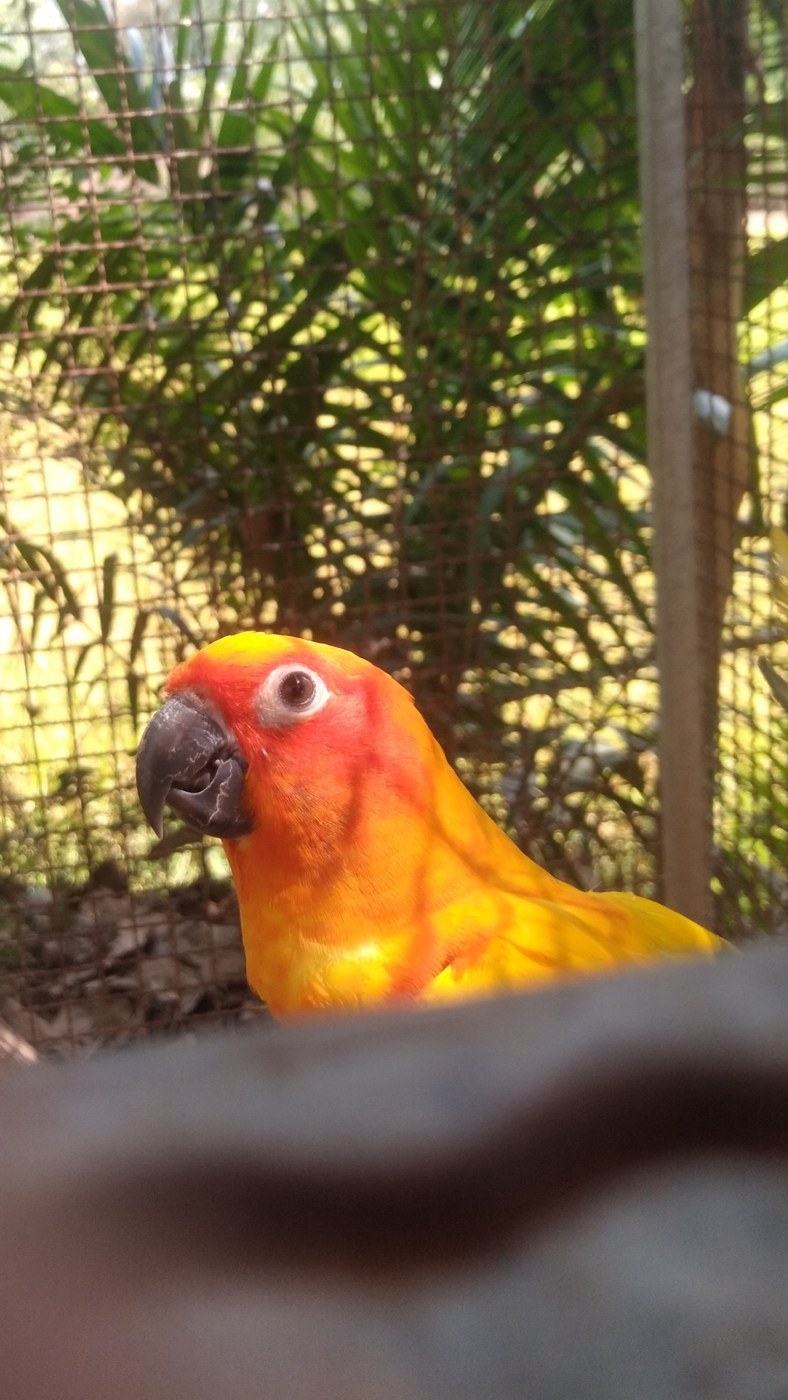
Sun Parakeet
Bright, dense body contour feathers; medium pointed tail feathers

Yellow-naped Amazon
Broad rounded contour feathers with sturdy flight feathers
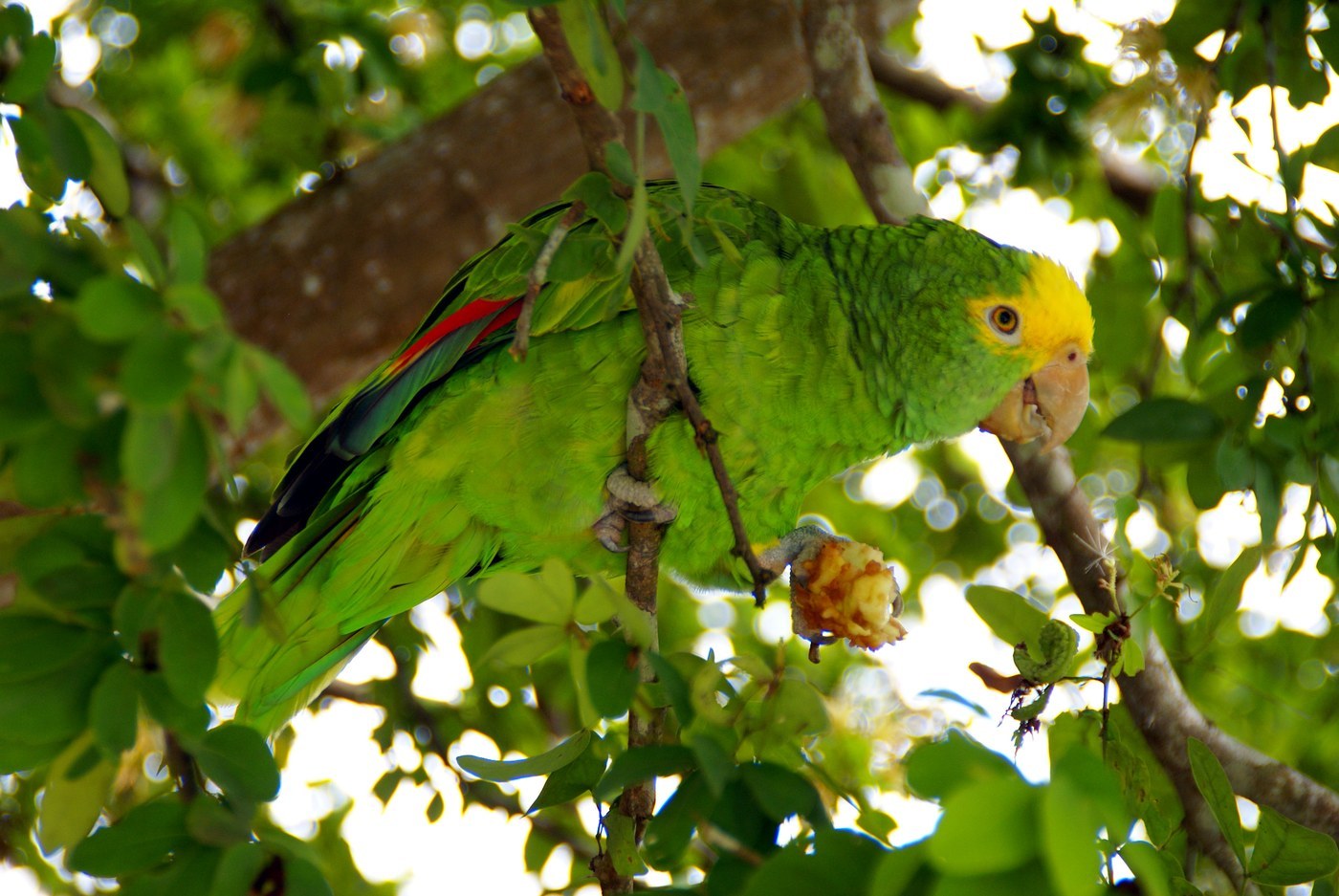
Yellow-headed Amazon
Dense, rounded body contour feathers; broad flight feathers
Yellow-collared Lovebird
Small compact flight feathers, short rounded tail

White-eyed Conure
Medium contour and long, graduated tail feathers

Yellow-tailed Black Cockatoo
Large, sturdy contour and flight feathers; short crest

Timneh Parrot
Broad flight feathers, scalloped body feathers with pale edges
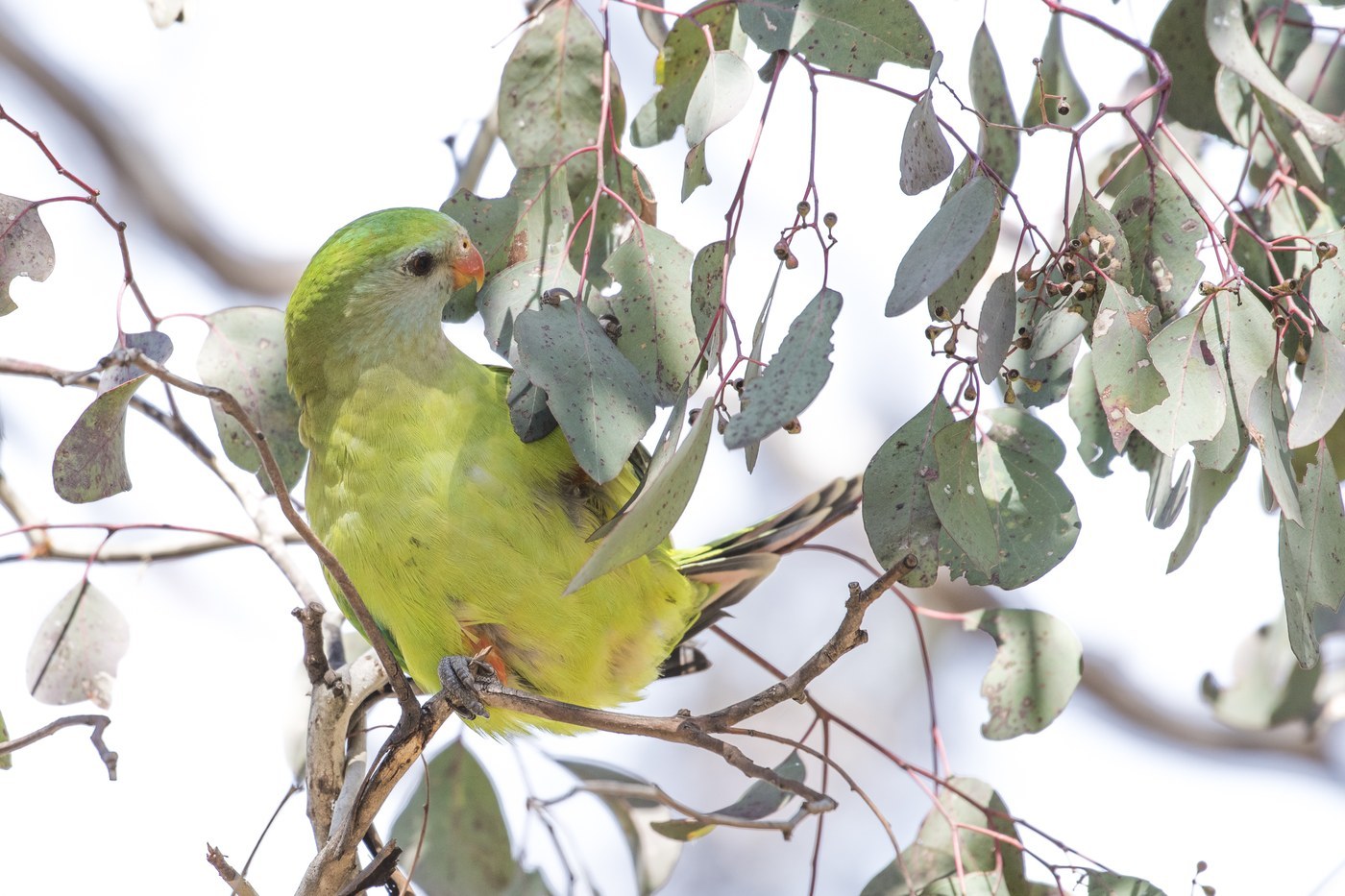
Superb Parrot
Sleek contour feathers with a long tapering tail

Red-shouldered Macaw
Compact body contour feathers; medium flight and tail feathers
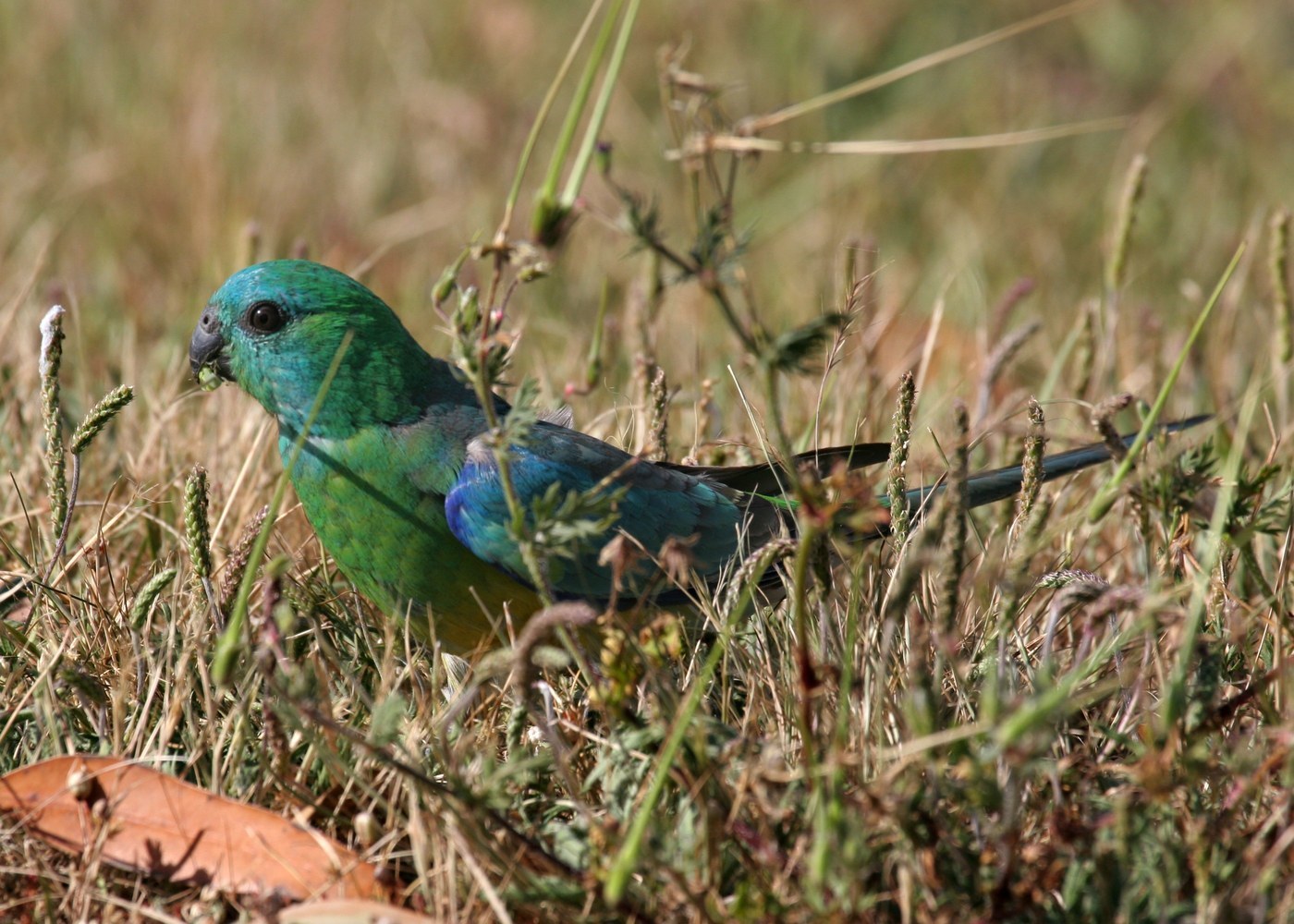
Red-rumped Parrot
Sleek contour feathers with a bright rump patch in males

White-capped Pionus
Compact contour feathers and short, squared tail feathers
Sun Conure
Vivid, soft-textured body feathers; moderately long, tapered tail