
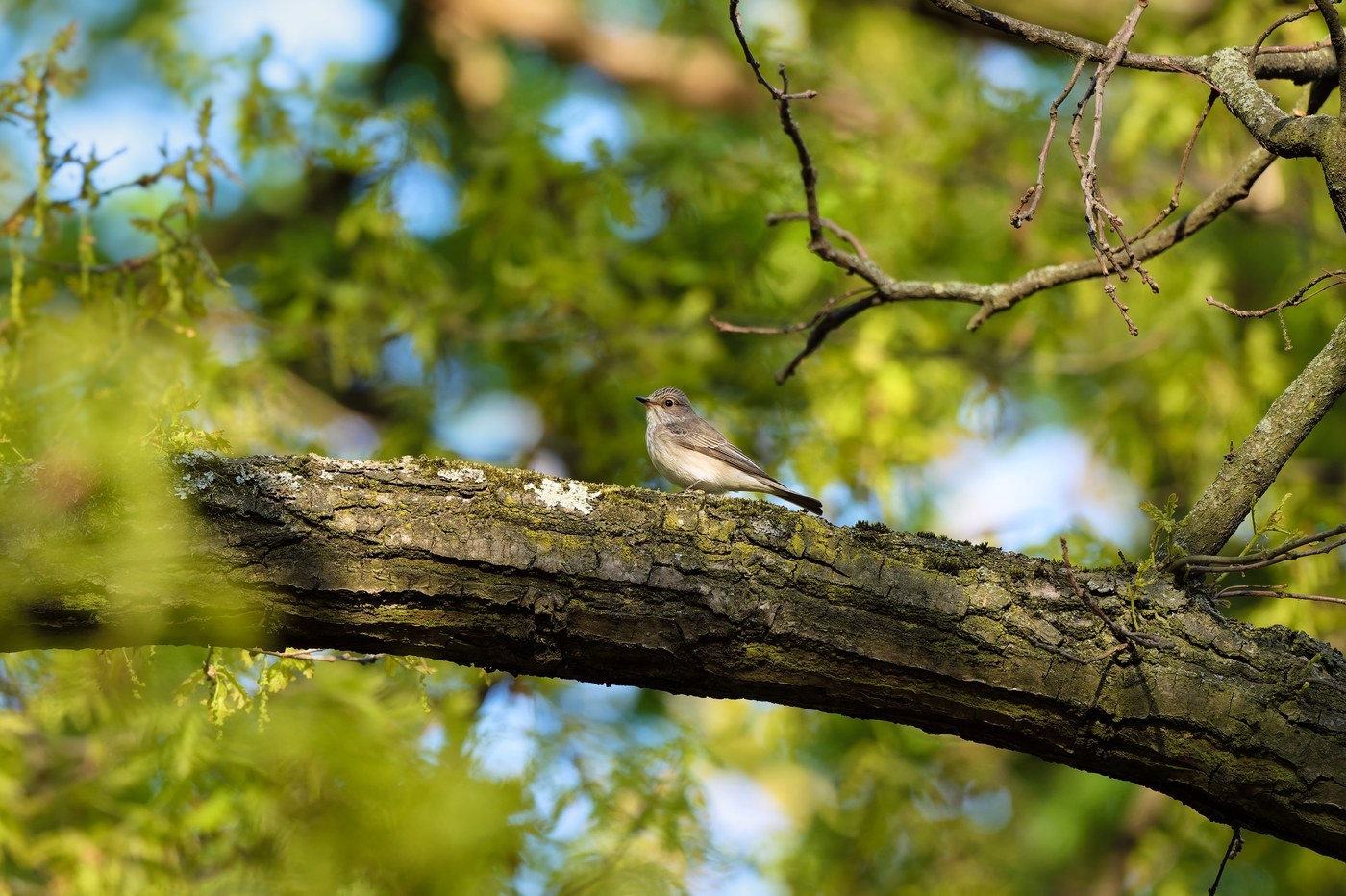
Spotted Flycatcher
Muscicapa striata
The Spotted Flycatcher is a plain grey-brown songbird best recognized by behavior rather than bold color, its subtly streaked feathers built for a life of short aerial sallies from an open perch.
- Feather type
- Fine streaked crown feathers; long wings for aerial sallying; soft contour body feathers
- Colours
- Grey-brown upperparts with faint streaking, whitish underparts with fine dark streaking on the breast
- Bird size
- Small, ~14.5 cm
Found a feather like this?
Identify any feather from a photo, free.
Overview
The Spotted Flycatcher is a subtly marked summer visitor, often overlooked until it is seen making short, darting flights from a perch to catch flying insects.
Its plumage is understated: grey-brown above, whitish below, with fine streaking on the crown and breast rather than bold spotting despite the common name.
As a long-distance migrant, its feathers are only likely to be found in its breeding range during the warmer months.
Identifying the Feather
Size & Shape
- Wings are relatively long and pointed for a small songbird, an adaptation for short, agile sallying flights after insects.
- Body feathers are soft and unremarkable in texture.
Color & Pattern
- Crown feathers show fine dark streaking, giving a slightly scruffy cap appearance.
- Upperpart feathers are plain grey-brown, lacking wing-bars or strong markings.
- Underparts are whitish with light, diffuse dark streaking on the throat and breast, not bold spots.
- Juveniles show pale spotting on the upperparts, closer to the name's implication, before their first molt.
Similar Species
- Distinguished from other small grey-brown songbirds by the streaked crown and breast combined with notably long wings relative to body size, suited to its sallying feeding technique.
Plumage & Molt
Overall Plumage
Plain grey-brown above with a streaked crown, whitish below with fine streaking on the throat and breast.
Sex & Age Differences
Sexes look alike. Juveniles show pale spotting on the upperparts and a more scaled look, which is lost after the first molt.
Molt
Molts mainly on or near the African wintering grounds; a partial molt of some body feathers may occur before autumn migration.
Habitat & Range
Habitat
Woodland edge, orchards, parks, and gardens with open perches for sallying after insects.
Range
Breeds across Europe and western Asia; winters in sub-Saharan Africa.
Movements
Fully migratory, present in breeding areas only from late spring to early autumn.
Behavior & Field Notes
Behavior
Perches upright on an exposed branch or post, making short sallying flights to catch insects before returning to the same or a nearby perch.
Diet
Feeds on flying insects caught in short aerial sallies.
Nesting
Builds an open cup nest in a crevice, against a wall, or in a tree fork, sometimes using nest boxes.
Voice
A thin, understated song of scratchy notes, easy to overlook.
Field Notes
A plain grey-brown feather with fine streaking on the crown and breast, found near woodland edges or gardens with open perches in summer, suggests Spotted Flycatcher.
Frequently asked questions
Why is the Spotted Flycatcher's name misleading for feather identification?
Adults show fine streaking rather than bold spots; only juveniles display pale spotting on the upperparts.
What feather feature reflects the Spotted Flycatcher's feeding style?
Relatively long, pointed wings suited to short aerial sallies from a perch.
Where would I find a Spotted Flycatcher feather?
Near woodland edges, orchards, parks, or gardens with open perches, during the breeding season.
Is this species present year-round?
No, it is a summer migrant that winters in sub-Saharan Africa.
Spotted Flycatcher guides
In-depth guides for identifying and understanding Spotted Flycatcher.
Other feathers you may enjoy

Yellow-breasted Bunting
Contour and flight feathers, chestnut-and-yellow breeding pattern
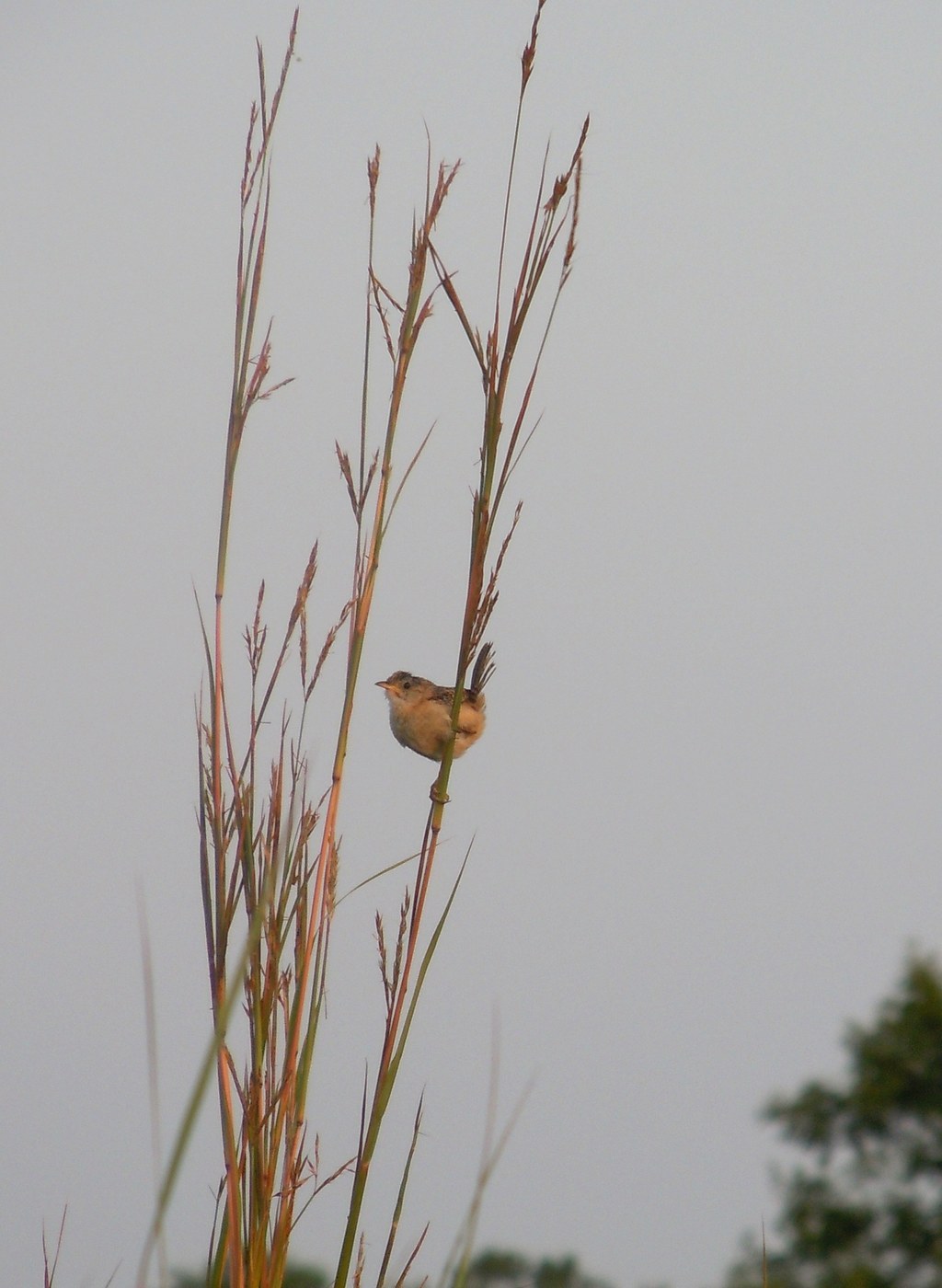
Sedge Wren
Tiny streaked crown and back feathers

Yellow-winged Cacique
Glossy black body feathers, yellow wing patch, shaggy crest

Yellow Warbler
Small contour and flight feathers
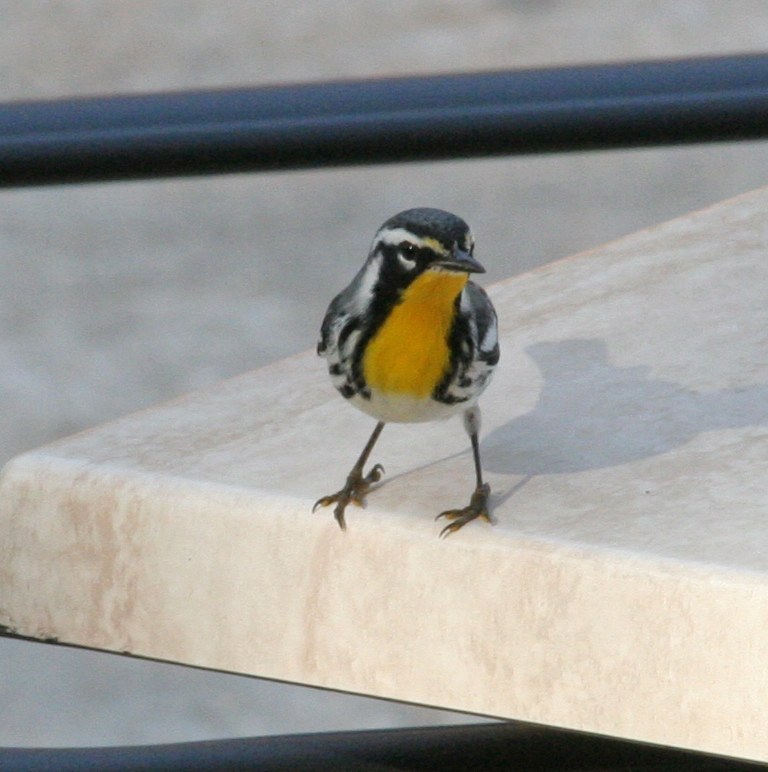
Yellow-throated Warbler
Small contour and flight feathers
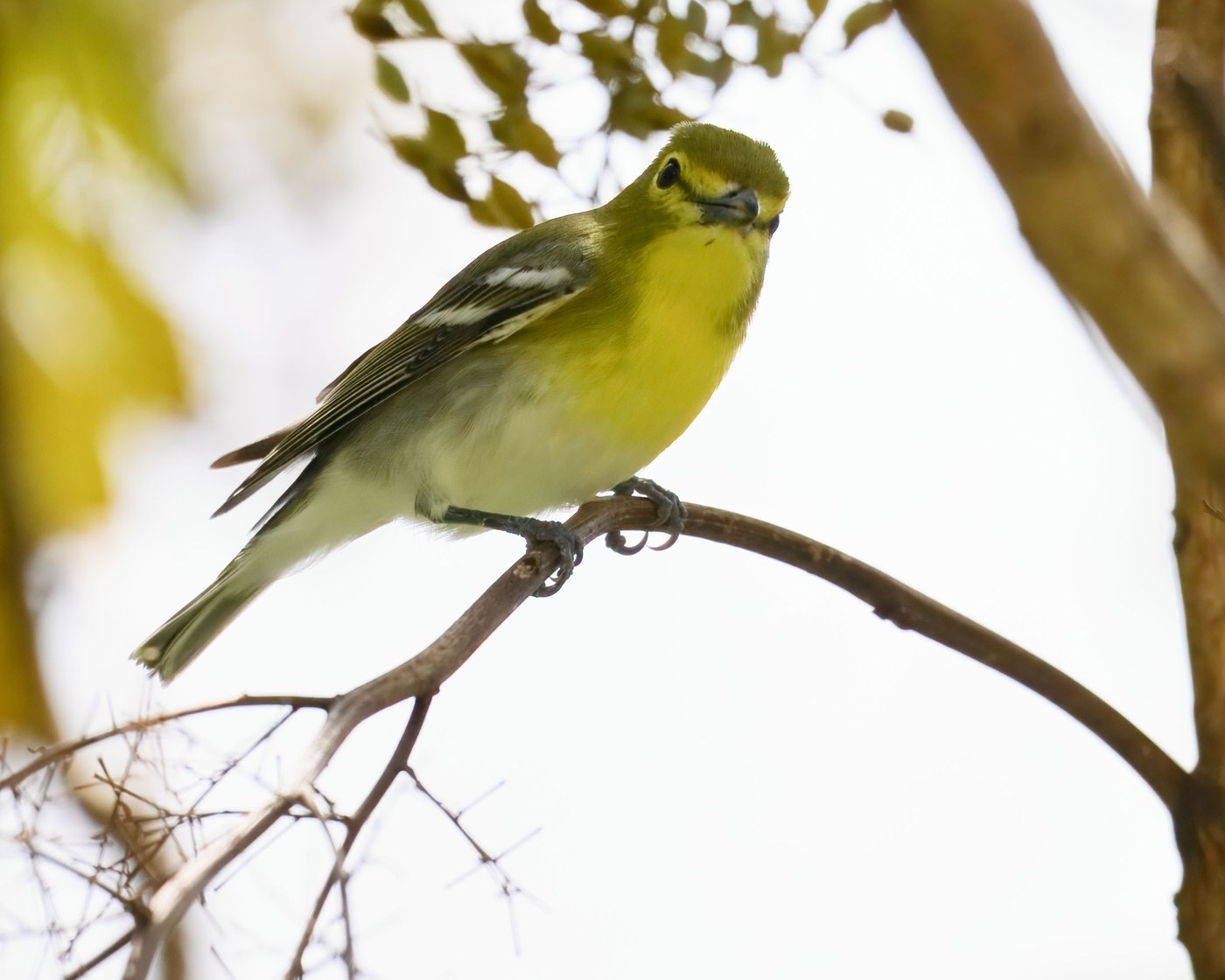
Yellow-throated Vireo
Bright yellow throat and spectacle feathers; olive-green back feathers; two white wing-bar feathers

Yellow-rumped Warbler
Small contour and flight feathers
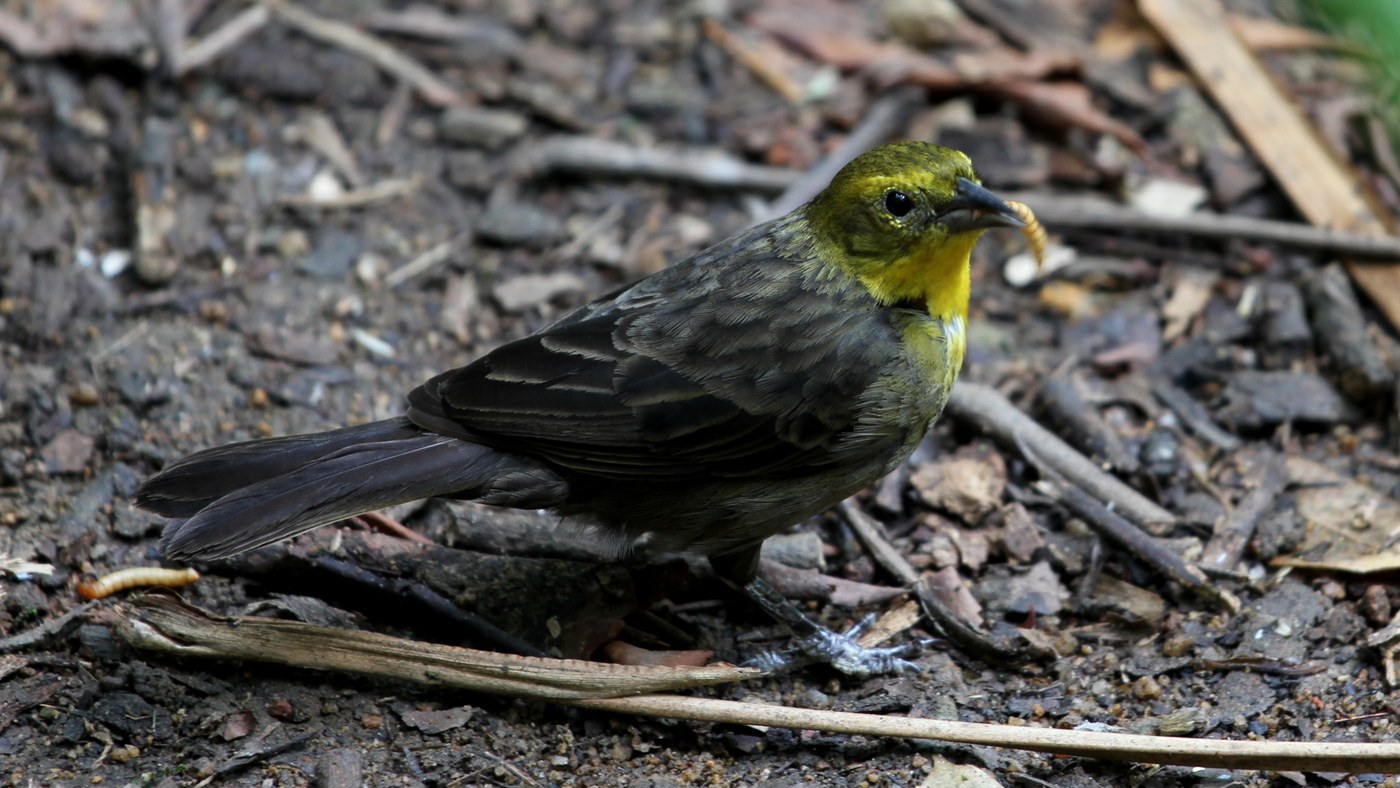
Yellow-hooded Blackbird
Contrasting hood and body feathers
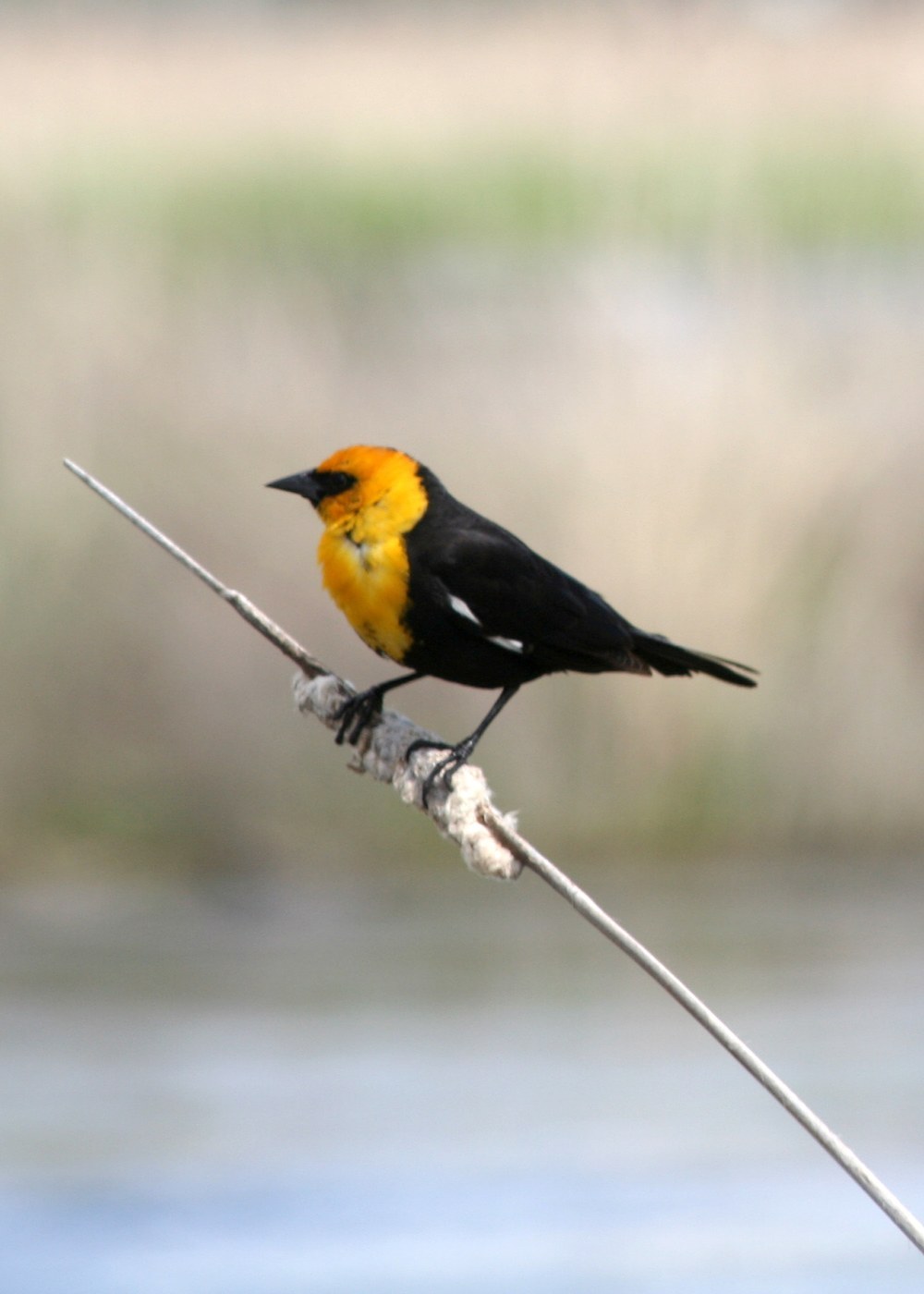
Yellow-headed Blackbird
Glossy black body plumage with a bright yellow head and breast

Yellow-eyed Junco
Contour and flight feathers

Yellow-fronted Canary
Small, smooth body plumage

Yellow-breasted Greenfinch
Compact, smooth body plumage