
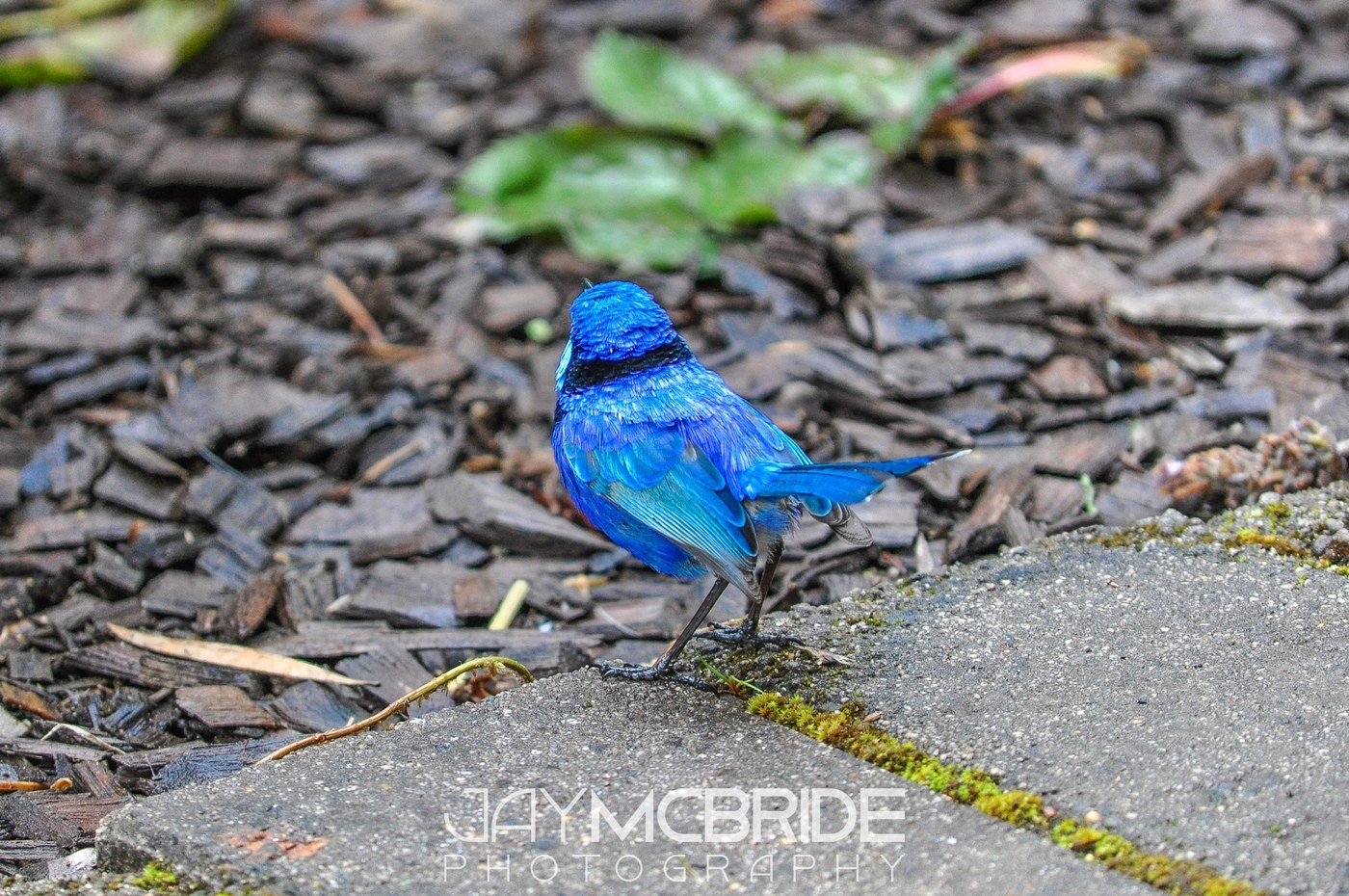
Splendid Fairywren
Malurus splendens
The Splendid Fairywren is a tiny songbird whose breeding males are almost entirely brilliant blue and violet, among the most vividly coloured birds in Australia.
- Feather type
- Soft, fine contour feathers with a long, often cocked tail
- Colours
- Vivid cobalt and violet-blue in breeding males; soft brown-grey in females
- Bird size
- Tiny, ~14 cm
Found a feather like this?
Identify any feather from a photo, free.
Overview
Overview
The Splendid Fairywren replaces the Superb Fairywren across much of inland and western Australia, sharing the same cooperative family-group lifestyle but with an even more saturated blue breeding plumage in males. It favours drier habitats than its southeastern relative.
- Family: Maluridae (Australasian wrens)
- Distribution: inland, central, and western Australia
- Social structure: cooperative breeder in small family groups
Identifying the Feather
Feather Identification
Breeding male feathers are a rich, almost uniform cobalt-to-violet blue over the head, back, and underparts, with a black band across the chest and through the eye and a black bill; unlike the Superb Fairywren, the mantle blue and cap blue are similar in tone rather than sharply divided by black. Females and eclipse males are soft brown-grey with a blue-grey tail and a distinctive rufous-chestnut eye-ring and lores patch.
- Overall shape: tiny body, long cocked tail
- Key mark: near-uniform violet-blue male plumage without strong black mantle contrast
- Compare with: Superb Fairywren (male shows a more clearly divided blue cap/mantle with black back band; largely separated by range)
Plumage & Molt
Plumage
Breeding males moult into the vivid all-over blue plumage described above, then moult to a duller brown eclipse plumage resembling females outside the breeding season. Females are brown year-round with the blue-grey tail and rufous facial patch. Juveniles resemble females.
Habitat & Range
Habitat & Range
This species occupies arid and semi-arid shrubland, mallee, spinifex, and open woodland across much of inland and western Australia, tolerating much drier conditions than the Superb Fairywren. Groups are sedentary within a defended territory.
Behavior & Field Notes
Behavior & Field Notes
Splendid Fairywrens forage on the ground and in low shrubs for insects, moving with quick hops and a constantly flicked tail. They live in small cooperative groups, with helpers assisting a breeding pair. Calls include a fast, buzzy trilling song and thin contact notes. Nests are small domed structures hidden in dense low shrubs.
- Diet: mainly insects and other small invertebrates
- Voice: a fast, buzzy trill, similar in style to other fairywrens
- Field note: in good light, breeding males show a violet sheen distinct from the more cobalt blue of the Superb Fairywren
Frequently asked questions
What makes the Splendid Fairywren's male plumage distinctive?
Breeding males are almost entirely saturated blue and violet with minimal black-and-blue contrast, unlike the more divided pattern of the Superb Fairywren.
Where does it live compared to the Superb Fairywren?
It favours drier inland and western habitats, while the Superb Fairywren is found in the wetter southeast; their ranges mostly do not overlap.
Are females also blue?
No, females are brown-grey with a blue-grey tail and a rufous patch around the eye.
Do these birds form flocks?
They live in small cooperative family groups rather than large flocks, defending a shared territory.
Splendid Fairywren guides
In-depth guides for identifying and understanding Splendid Fairywren.

Other feathers you may enjoy

Yellow-breasted Bunting
Contour and flight feathers, chestnut-and-yellow breeding pattern
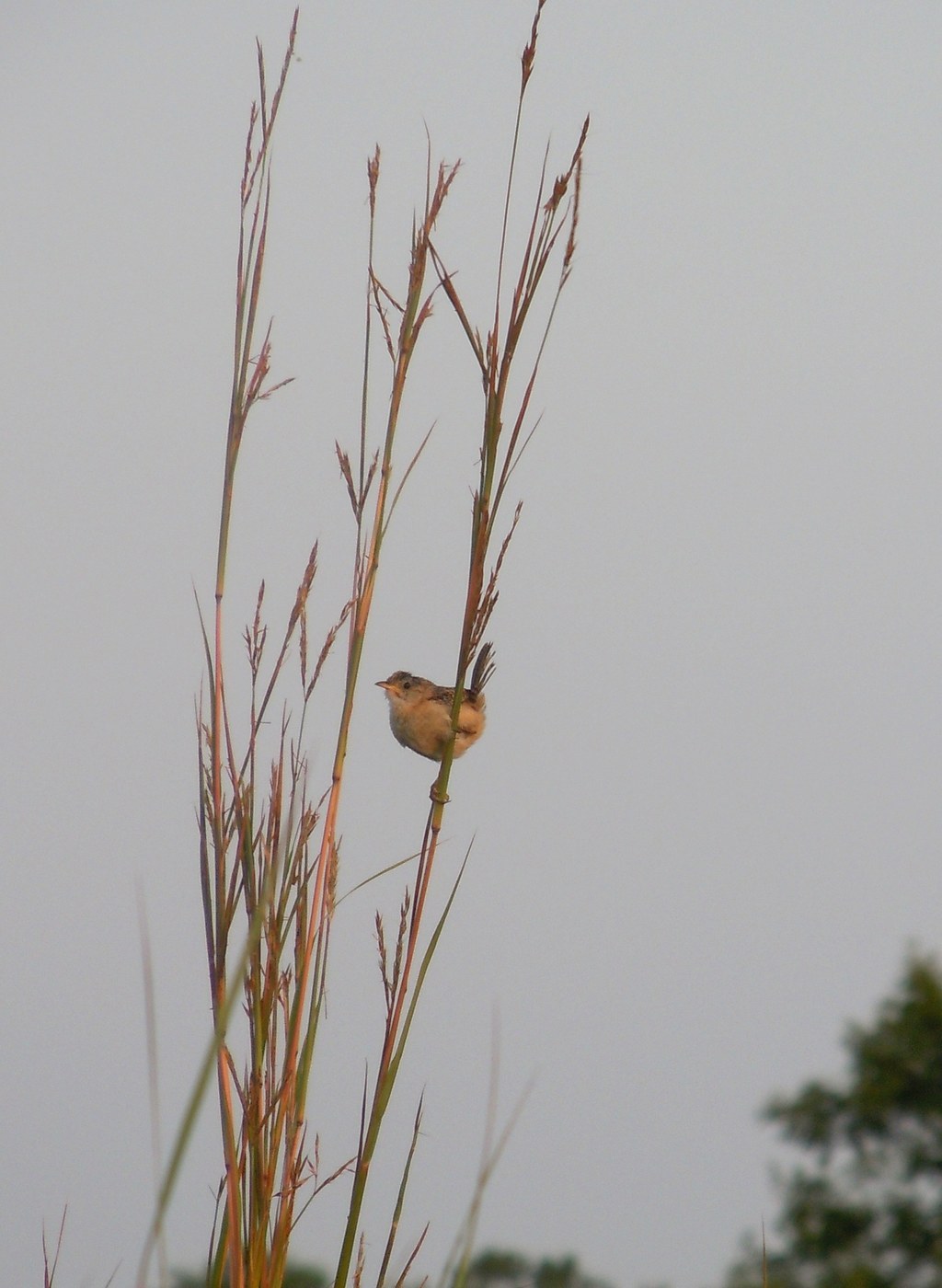
Sedge Wren
Tiny streaked crown and back feathers

Yellow-winged Cacique
Glossy black body feathers, yellow wing patch, shaggy crest

Yellow Warbler
Small contour and flight feathers
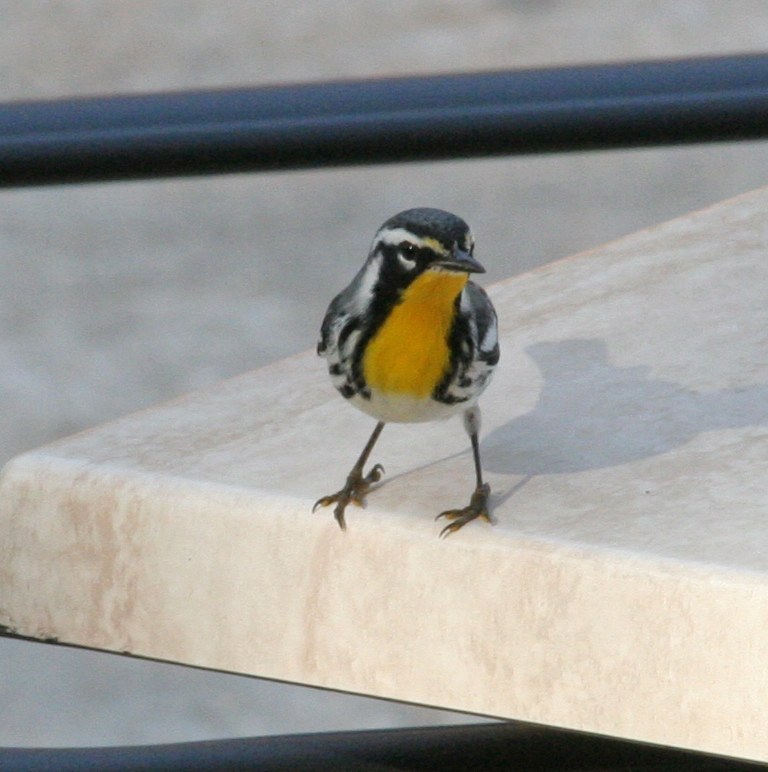
Yellow-throated Warbler
Small contour and flight feathers
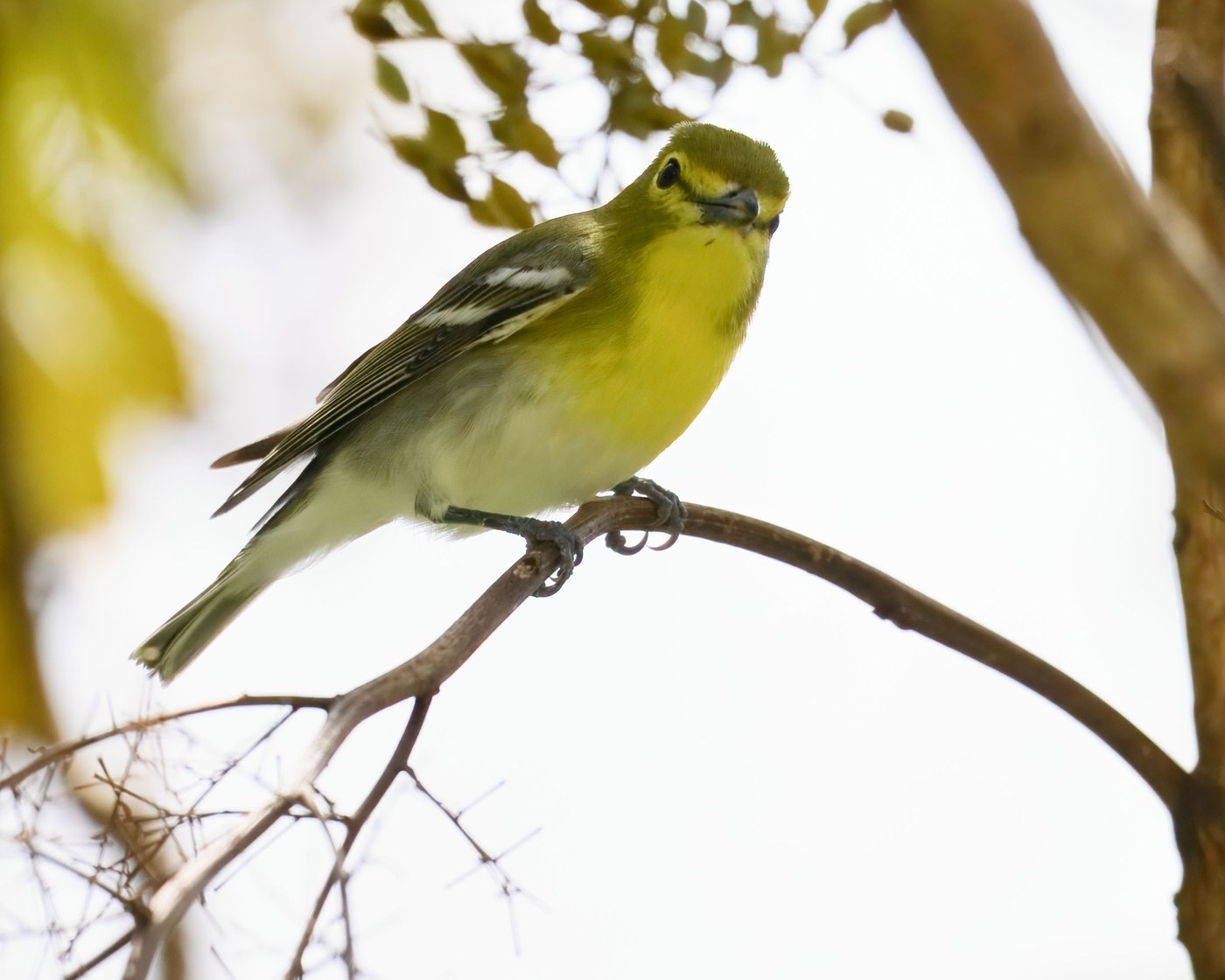
Yellow-throated Vireo
Bright yellow throat and spectacle feathers; olive-green back feathers; two white wing-bar feathers

Yellow-rumped Warbler
Small contour and flight feathers
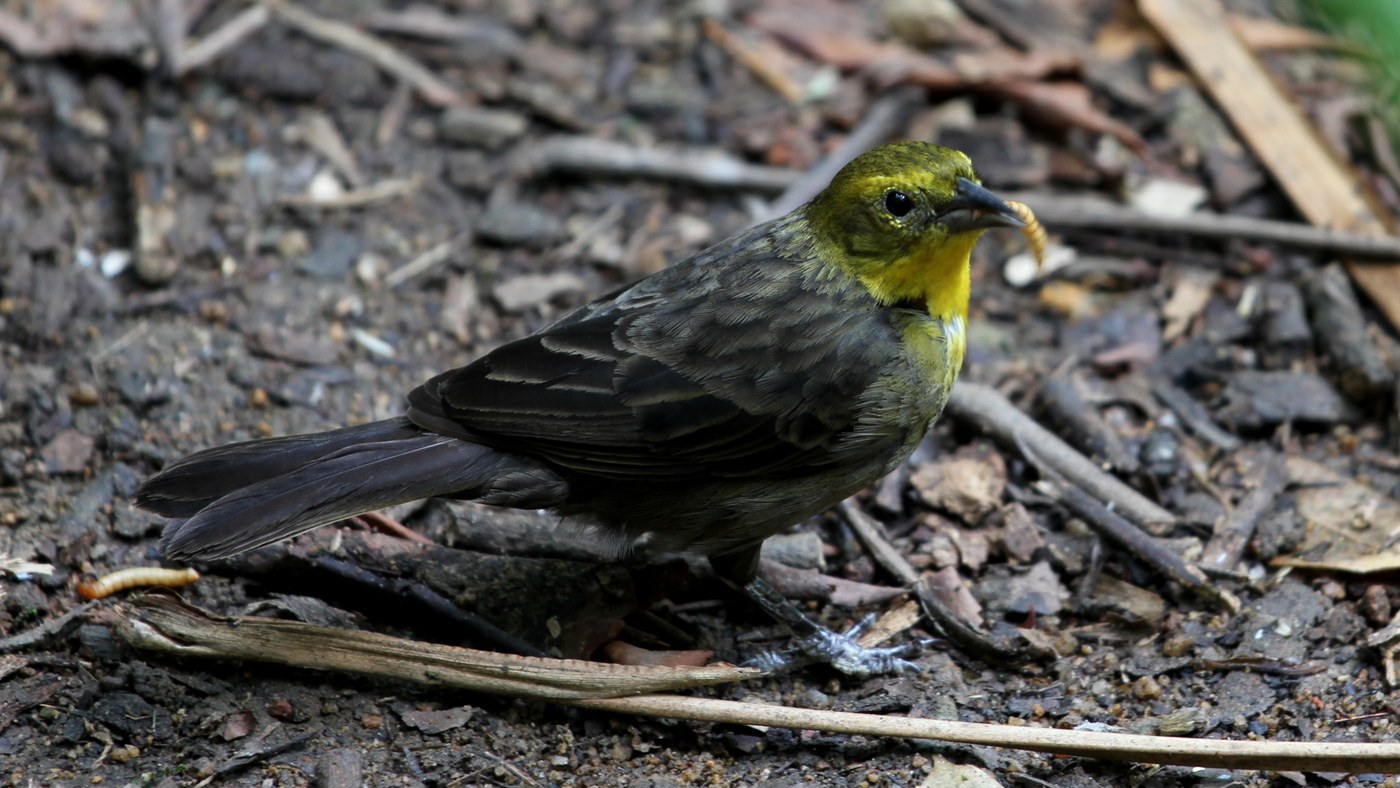
Yellow-hooded Blackbird
Contrasting hood and body feathers
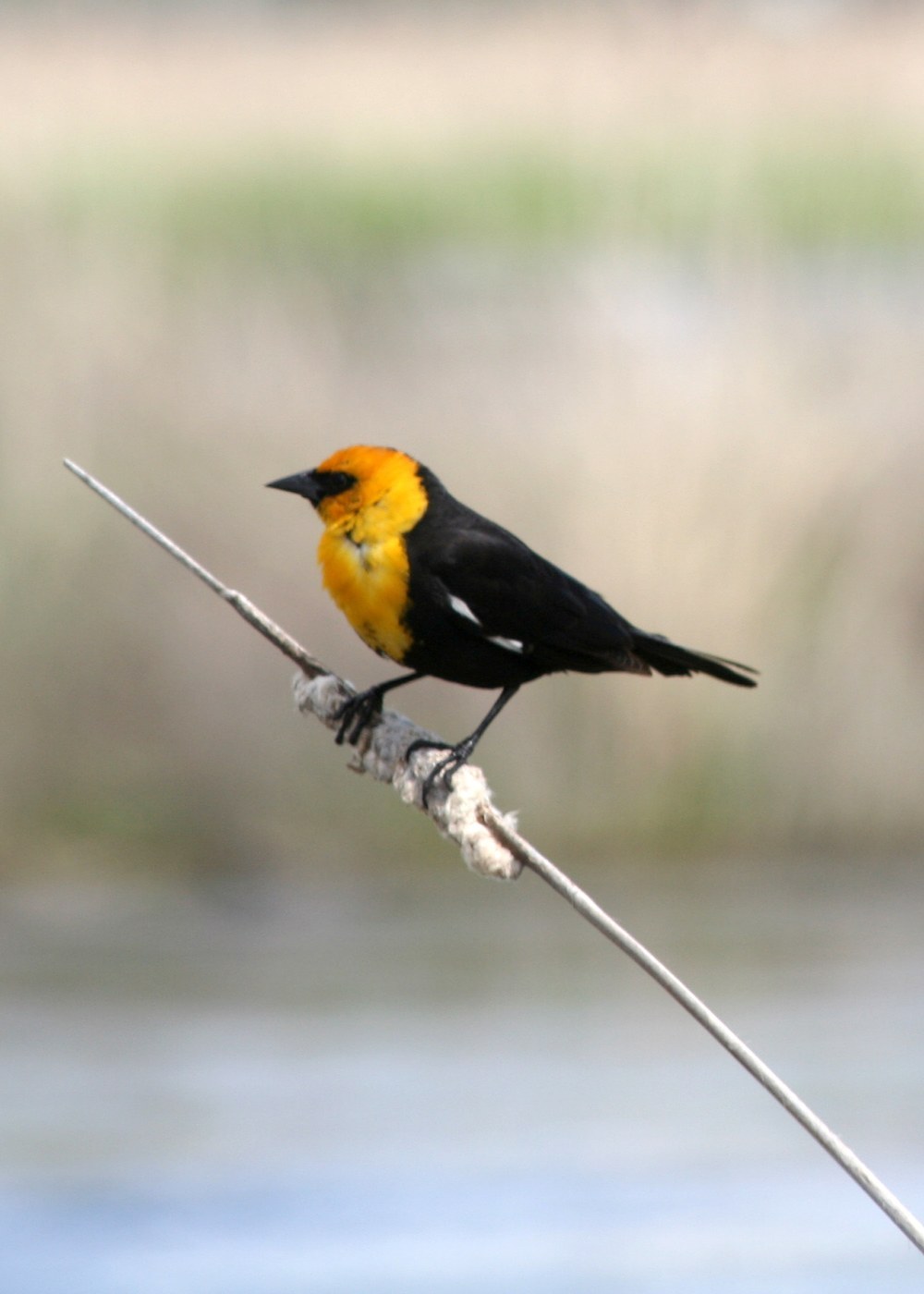
Yellow-headed Blackbird
Glossy black body plumage with a bright yellow head and breast

Yellow-eyed Junco
Contour and flight feathers

Yellow-fronted Canary
Small, smooth body plumage

Yellow-breasted Greenfinch
Compact, smooth body plumage