

Smew
Mergellus albellus
The Smew is a small, striking Eurasian merganser whose male appears almost entirely white, marked with a bold black eye patch and delicate black lines along the back and flanks.
- Feather type
- Small diving-duck body feathers with fine head markings
- Colours
- Mostly white with black eye patch and fine black back lines
- Bird size
- Small, ~38-44 cm
Found a feather like this?
Identify any feather from a photo, free.
Overview
Overview
The Smew is a small, distinctive merganser native to northern Eurasia, breeding in forested wetlands and wintering on lakes and rivers further south. The male in breeding plumage is mostly white, giving a striking, almost pied appearance offset by a bold black patch through the eye and fine black lines tracing the back and flanks. Females and immatures, sometimes called "redheads" informally due to their chestnut cap, are gray-bodied with white cheeks and throat, offering a very different look from the male.
Identifying the Feather
Feather Identification
- Overall male color: Predominantly white body feathering makes the male Smew stand out sharply from other mergansers, which tend toward darker overall tones.
- Eye patch: A bold black patch surrounds the eye, contrasting against the otherwise white head feathers.
- Back and flank lines: Fine black lines run along the back and sides, adding delicate patterning to the mostly white body.
- Crest: A small, rounded crest is present but less prominent than in the Hooded Merganser.
- Female head color: Females and immatures show a chestnut cap against white cheeks and throat, with a gray body quite different from the male's white plumage.
Plumage & Molt
Plumage Notes
Breeding males are largely white with a black eye patch, fine black lines on the back and flanks, and a small crest. Females and immatures have a chestnut crown, white face and throat, and gray body plumage. Eclipse males resemble females but may retain traces of the black eye patch and some white in the wing. The species undergoes a complete molt after breeding. Juveniles resemble adult females, with young males gradually acquiring the mostly white adult plumage.
Habitat & Range
Habitat & Range
Smew breed in forested wetlands across northern Russia and Scandinavia, nesting in tree cavities near lakes and slow rivers. In winter, they move to lakes, rivers, and sheltered coastal waters across temperate Europe and Asia. The species is a rare vagrant outside its normal Eurasian range. It is migratory, shifting from northern breeding forests to more southern wintering waters each year.
Behavior & Field Notes
Behavior & Field Notes
Smew dive to catch small fish and aquatic invertebrates in relatively shallow water. They nest in tree cavities, similar to the Hooded and Common Mergansers, and are often seen in small groups on wintering lakes. The species is generally quiet, with soft, low calls given mainly during courtship displays that involve head movements and short bursts of splashing. Flight is fast and agile on rapidly beating wings, typically low over the water surface.
Frequently asked questions
What makes a male Smew's feathers so distinctive?
Its overwhelmingly white body plumage, broken only by a bold black eye patch and fine black lines on the back, is unlike any other merganser.
Why are female Smews sometimes called 'redheads'?
This informal nickname refers to their chestnut-colored crown, which contrasts with their white cheeks and throat and gray body.
Where does the Smew nest?
In tree cavities near lakes and slow-moving rivers in forested parts of northern Eurasia.
Is the Smew commonly seen outside Eurasia?
No, it is only a rare vagrant outside its native Eurasian breeding and wintering range.
Smew guides
In-depth guides for identifying and understanding Smew.

Other feathers you may enjoy

Mallard
Wing (speculum), body, and tail feathers

Spectacled Eider
Large sea-duck body feathers with distinctive eye-ring patches

Canada Goose
Body and flight feathers
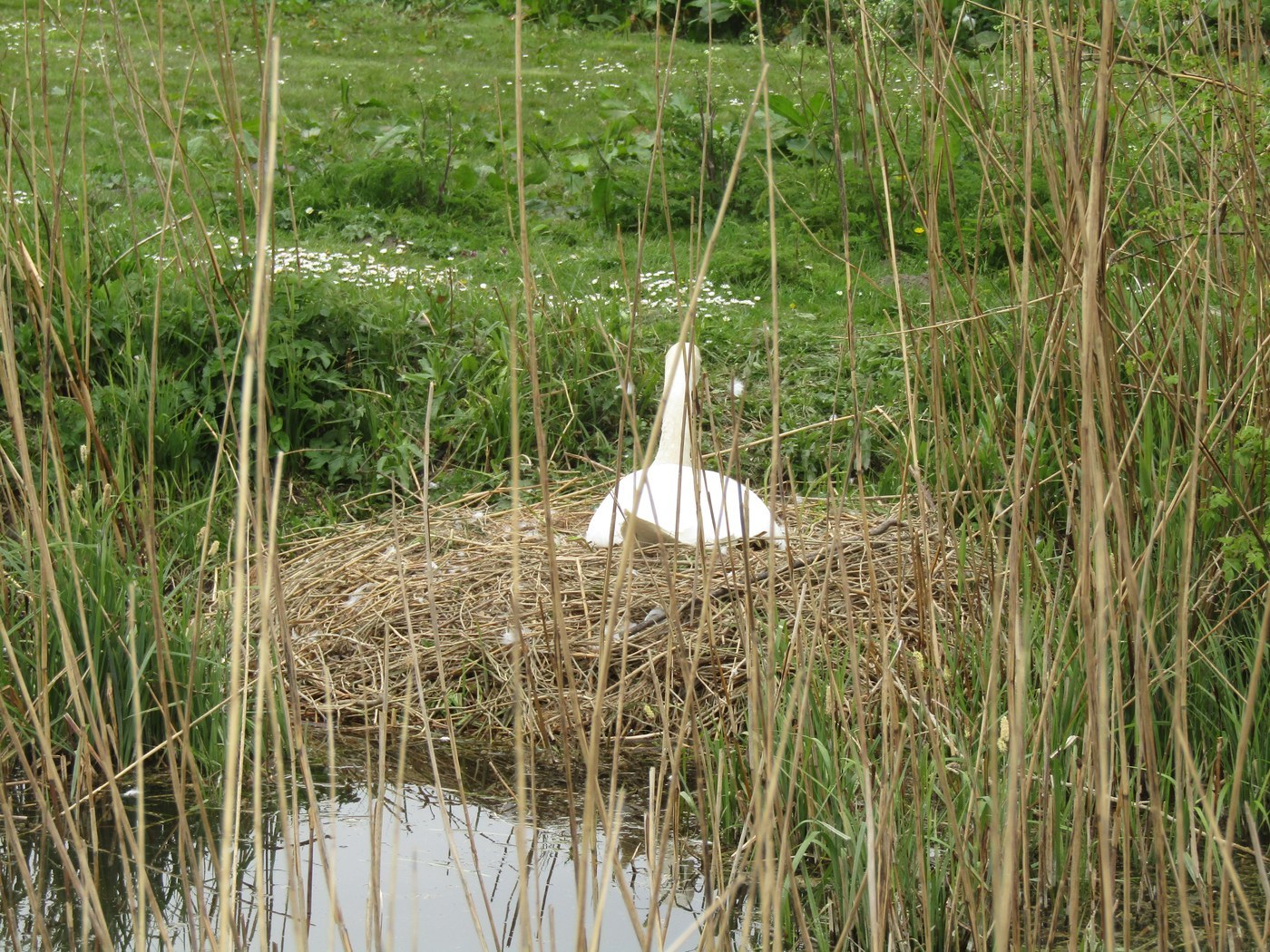
Mute Swan
Body (contour) and flight feathers

Wood Duck
Iridescent crest feathers; ornate scapular and flank feathers; white teardrop facial feathers (female)
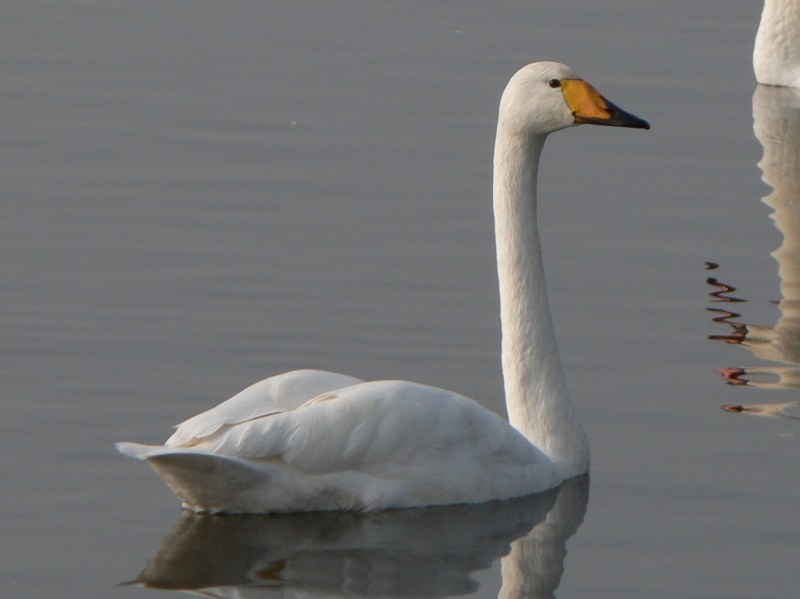
Whooper Swan
Contour and flight feathers

White-winged Scoter
Large sea-duck body feathers with a white wing patch

Ruddy Duck
Stiff tail feathers and compact body plumage

Ross's Goose
Contour and flight feathers

White-cheeked Pintail
Contour and elongated tail feathers

Torrent Duck
Dense, sleek contour feathers; stiff, pointed tail feathers used for bracing against rocks

Tundra Swan
Contour and flight feathers