
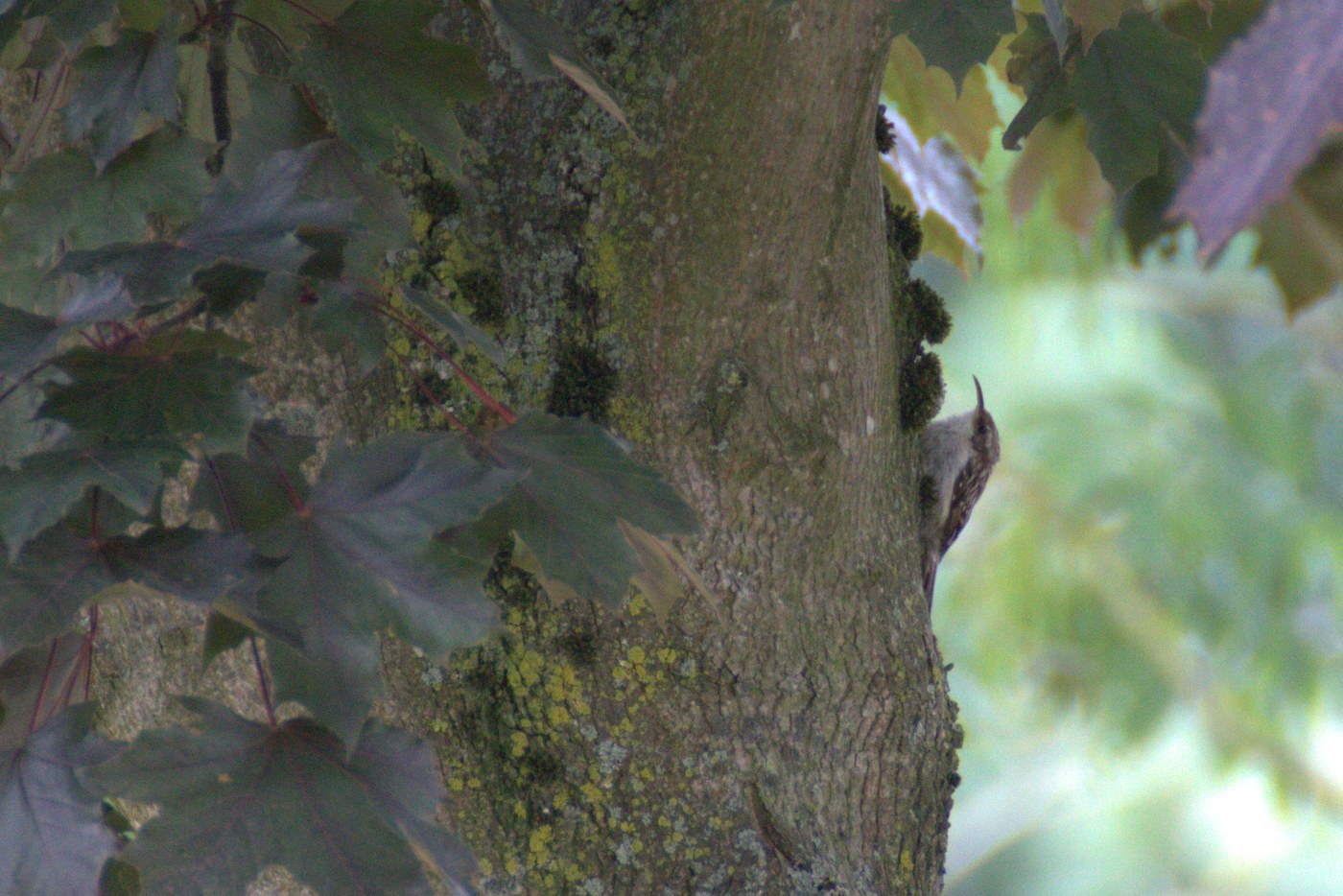
Short-toed Treecreeper
Certhia brachydactyla
The Short-toed Treecreeper is a small, bark-colored woodland bird that spirals up tree trunks probing for insects, its mottled brown plumage providing near-perfect camouflage against bark.
- Feather type
- Stiff, pointed tail feathers and cryptically mottled body plumage
- Colours
- Mottled brown, buff, and white above, whitish below
- Bird size
- Small treecreeper, ~12-13 cm
Found a feather like this?
Identify any feather from a photo, free.
Overview
Overview
The Short-toed Treecreeper is a small, cryptically colored songbird adapted for climbing tree trunks in a spiraling search for insects. It closely resembles the Eurasian Treecreeper but is generally found at lower elevations and in more deciduous woodland.
- Mottled bark-like plumage provides camouflage on tree trunks
- Stiff tail feathers act as a prop while climbing
- Range overlaps with the very similar Eurasian Treecreeper in parts of Europe
Identifying the Feather
Feather Identification
Short-toed Treecreeper feathers show adaptations for a bark-climbing lifestyle.
- Tail feathers: Stiff, pointed, and worn at the tips from being pressed against bark for support while climbing
- Back feathers: Mottled brown, buff, and blackish, closely resembling tree bark
- Underpart feathers: Plain whitish, with a duller, more brownish or grayish wash on the flanks than the very similar Eurasian Treecreeper
- Wing feathers: Show a pale buffy wing bar visible in flight
- Distinguishing this species from the Eurasian Treecreeper by feathers alone is difficult; flank color (duller, more brownish here) and range are the best clues
Plumage & Molt
Plumage, Sex & Age Differences
The sexes are alike, both cryptically mottled brown and buff above with whitish underparts and a slightly downcurved bill. Juveniles are similar but slightly more diffusely marked. A single complete molt occurs after breeding, with plumage remaining consistent through the year.
Habitat & Range
Habitat & Range
This species is a resident across much of western and central Europe and parts of North Africa, favoring deciduous and mixed woodland, parkland, and mature gardens with large trees. It generally does not migrate, though some northern or high-altitude populations may shift to lower ground in winter.
Behavior & Field Notes
Behavior, Voice & Field Notes
Short-toed Treecreepers forage by climbing spirally up tree trunks, probing bark crevices with their thin, curved bill for insects and spiders, then flying down to the base of the next tree to begin again. Their song is a thin, high-pitched series of notes, generally considered more variable than the Eurasian Treecreeper's. They nest behind loose bark or in narrow crevices, often supported by their stiff tail feathers while foraging or resting on trunks.
Frequently asked questions
Why are Short-toed Treecreeper tail feathers so stiff?
They act as a supporting prop against tree bark while the bird climbs trunks in search of insects.
How do Short-toed Treecreeper feathers compare to Eurasian Treecreeper feathers?
They are extremely similar; Short-toed Treecreeper flank feathers tend to look slightly duller and more brownish, but range is usually the more reliable clue.
What habitat is typical for this species?
Deciduous and mixed woodland, parks, and gardens with mature trees across western and central Europe.
Do Short-toed Treecreepers migrate?
Most populations are resident, though some at higher elevations move to lower ground in winter.
Short-toed Treecreeper guides
In-depth guides for identifying and understanding Short-toed Treecreeper.
Other feathers you may enjoy

Yellow-breasted Bunting
Contour and flight feathers, chestnut-and-yellow breeding pattern
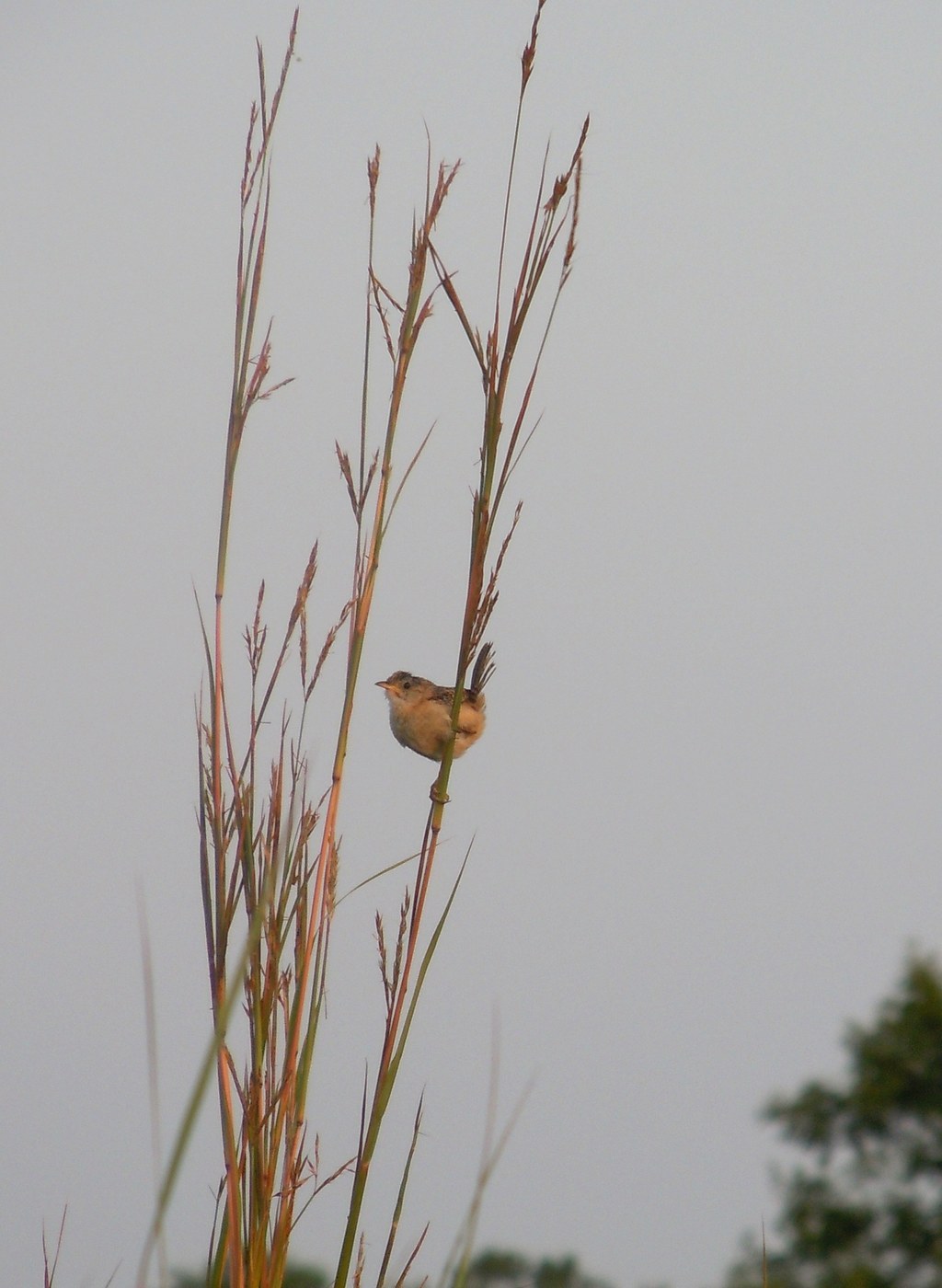
Sedge Wren
Tiny streaked crown and back feathers

Yellow-winged Cacique
Glossy black body feathers, yellow wing patch, shaggy crest

Yellow Warbler
Small contour and flight feathers
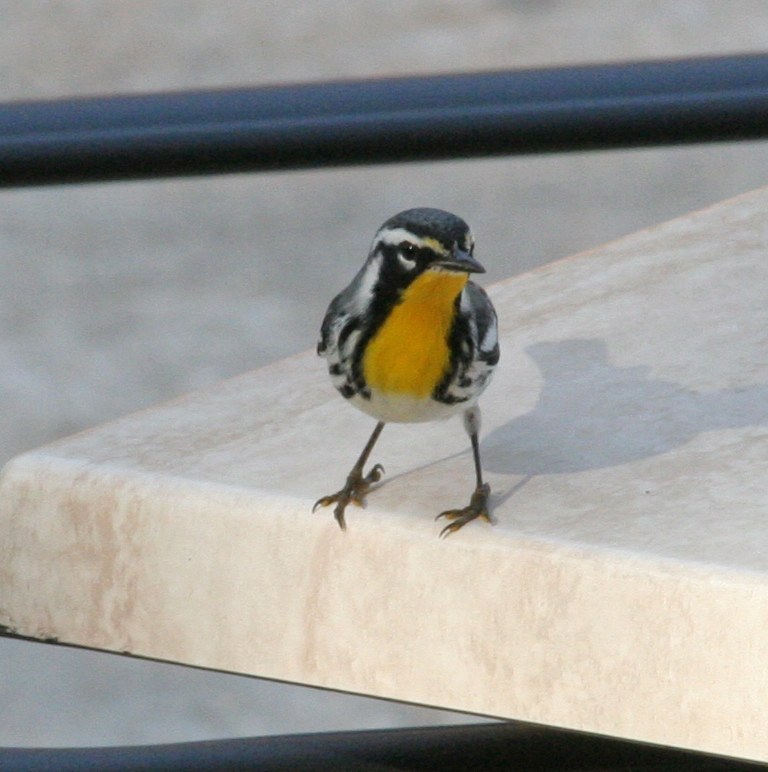
Yellow-throated Warbler
Small contour and flight feathers
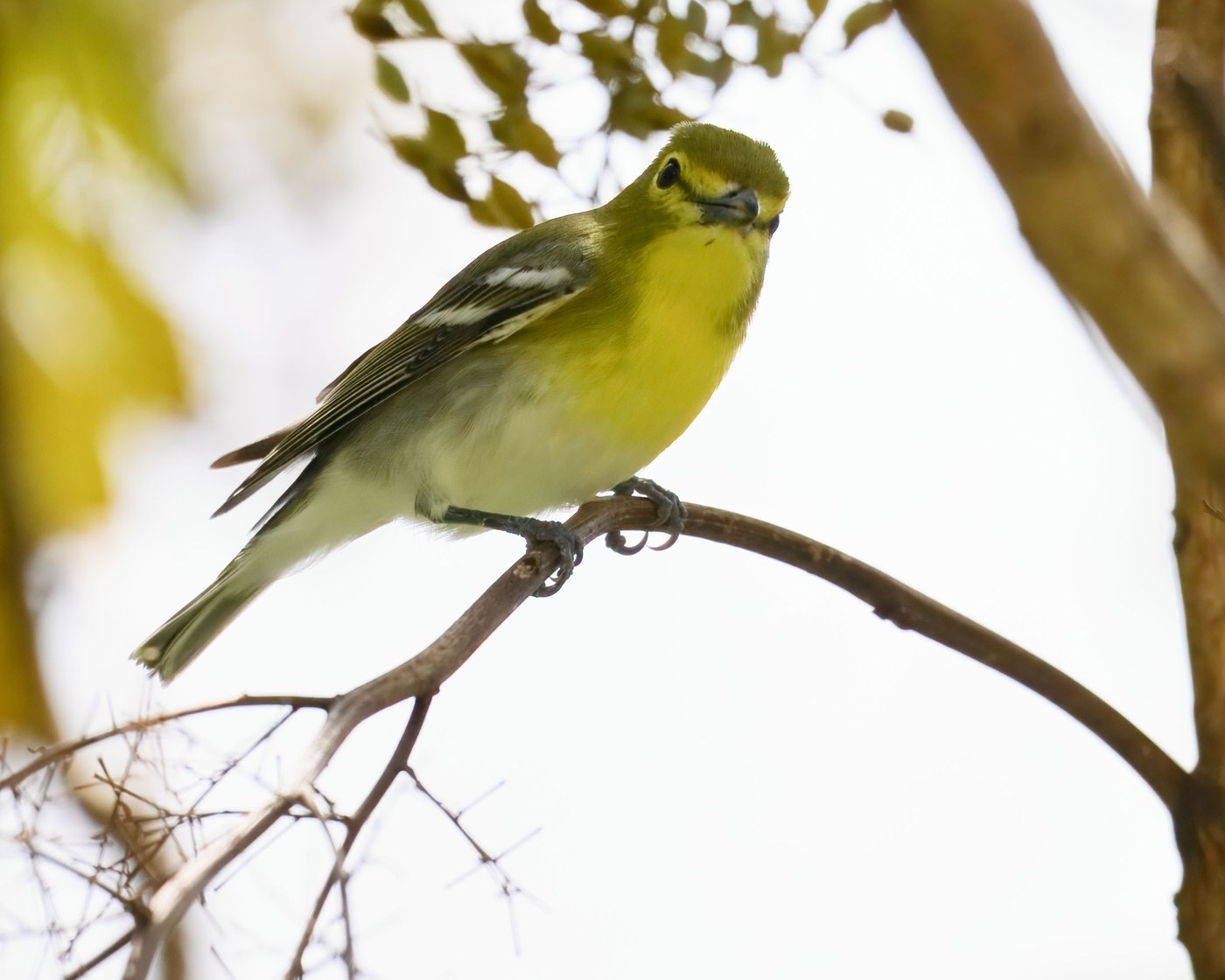
Yellow-throated Vireo
Bright yellow throat and spectacle feathers; olive-green back feathers; two white wing-bar feathers

Yellow-rumped Warbler
Small contour and flight feathers
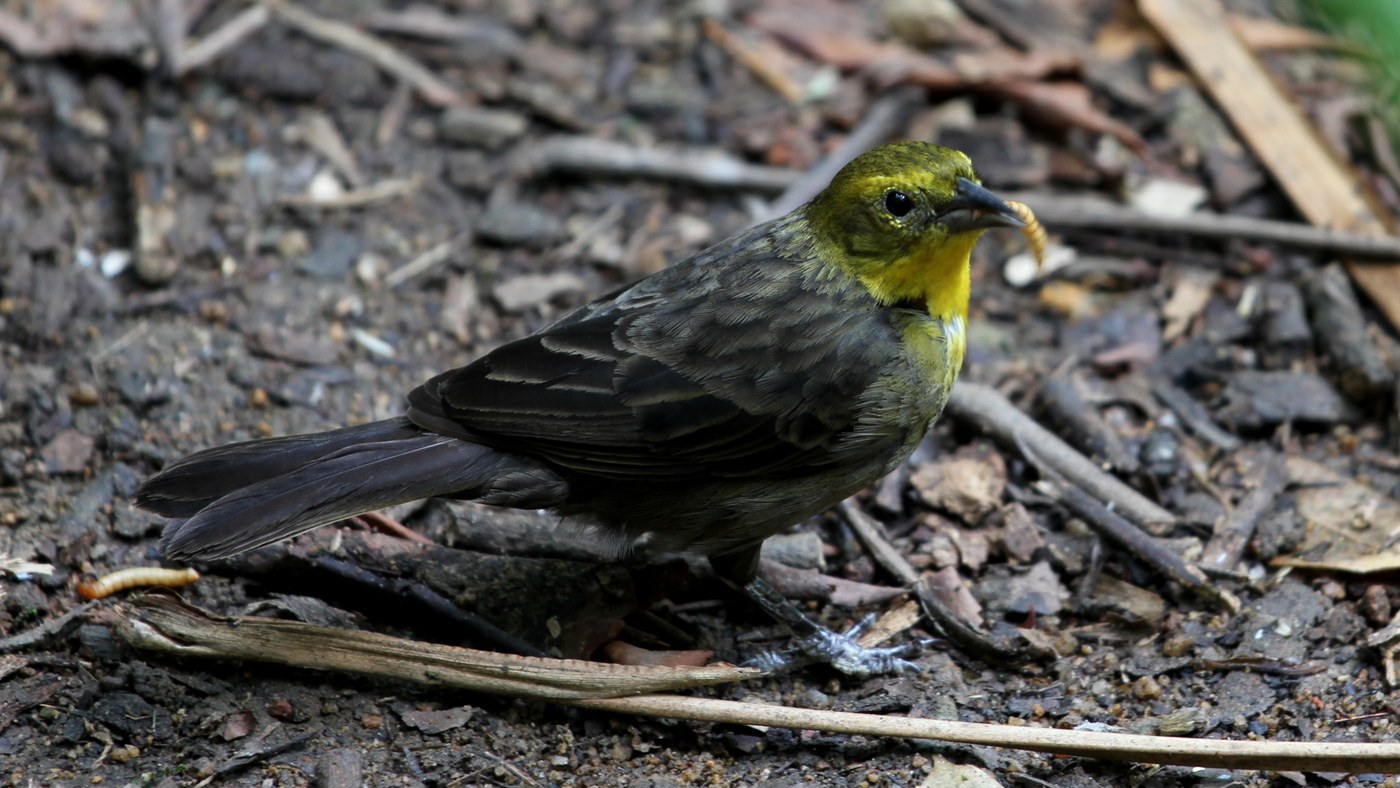
Yellow-hooded Blackbird
Contrasting hood and body feathers
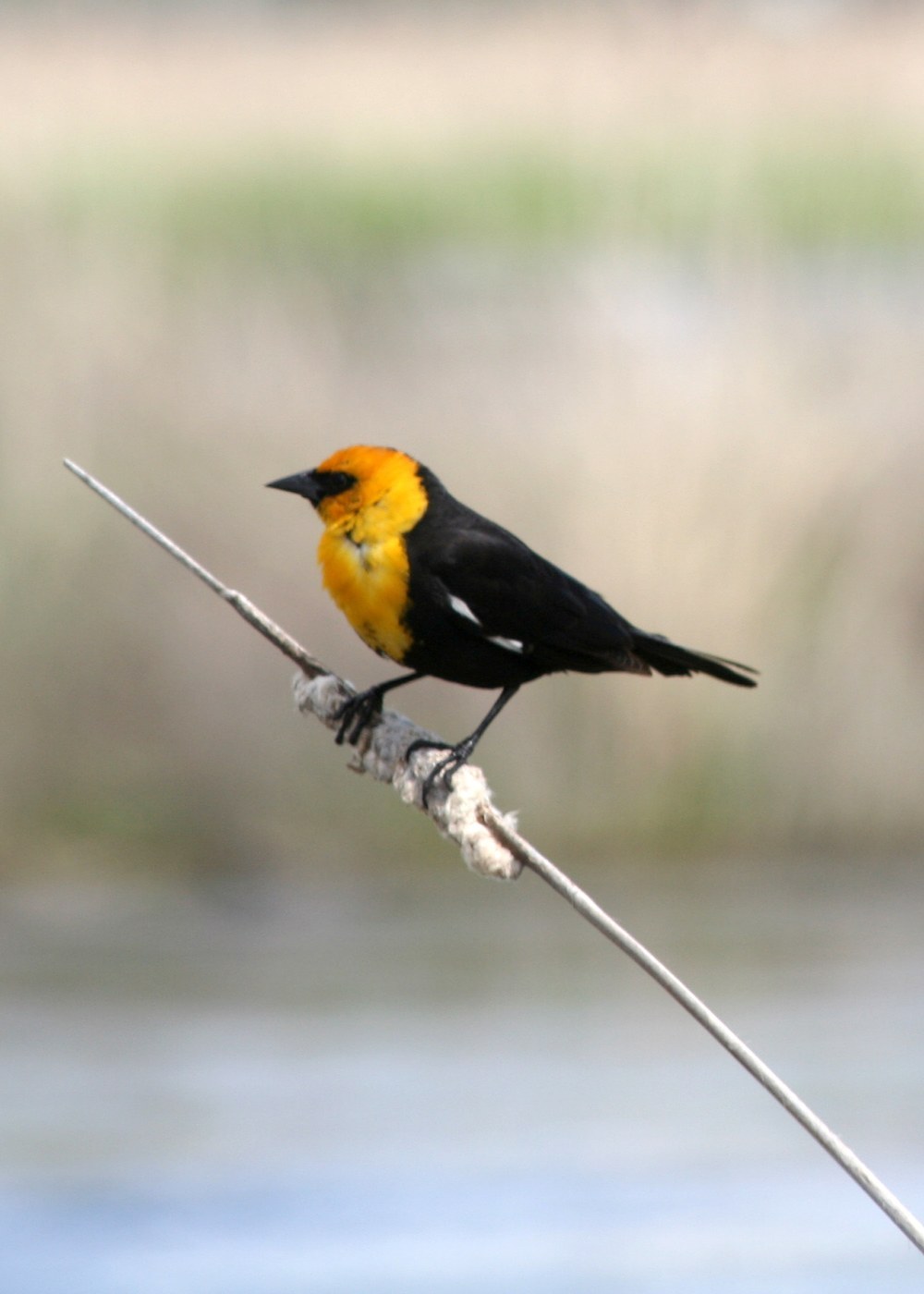
Yellow-headed Blackbird
Glossy black body plumage with a bright yellow head and breast

Yellow-eyed Junco
Contour and flight feathers

Yellow-fronted Canary
Small, smooth body plumage

Yellow-breasted Greenfinch
Compact, smooth body plumage