

Shikra
Accipiter badius
A small, agile hawk of Africa and Asia resembling a miniature goshawk, identified by blue-gray upperparts and finely rufous-barred underparts.
- Feather type
- Short rounded wings, long banded tail (accipiter type)
- Colours
- Blue-gray above, fine rufous barring below
- Bird size
- Small accipiter, ~30-38 cm
Found a feather like this?
Identify any feather from a photo, free.
Overview
The Shikra is a widespread small accipiter found from sub-Saharan Africa across the Middle East to South and Southeast Asia, occupying open woodland, farmland, and even city gardens. Its compact, short-winged, long-tailed build is typical of accipiters, built for quick maneuvering through vegetation rather than sustained open-country soaring.
Identifying the Feather
Back and crown feathers are a clean blue-gray, and the tail is crossed by several narrow dusky bands, appearing more finely marked than the broader bands of larger accipiters. Underparts show fine rufous-orange barring on a pale background, distinct from the coarser gray barring of many similarly sized hawks. Wings are short and rounded and the tail proportionately long, the classic accipiter silhouette adapted for rapid twisting flight through cover.
Plumage & Molt
Adult males are blue-gray above with pale underparts finely barred rufous-orange, while females are duller and browner above with similar but slightly heavier barring below. Juveniles are brown above with dark streaking on a buffy background below, only acquiring the barred adult pattern after their first molt. The species can resemble the Eurasian Sparrowhawk where ranges overlap but typically shows a paler eye and finer, more even barring.
Habitat & Range
Shikras occupy open woodland, cultivated land, scrub, and garden habitat across sub-Saharan Africa, the Middle East, and South and Southeast Asia. Most populations are resident, though some northern and higher-latitude populations show partial seasonal movements.
Behavior & Field Notes
It hunts lizards, small birds, and large insects, typically ambushing prey from a concealed perch with a short, fast dash. Nests are built in a tree fork using twigs, and the species gives sharp, repeated calls, especially during the breeding season near the nest site.
Frequently asked questions
How is Shikra told from Eurasian Sparrowhawk?
Shikra typically shows a paler eye and finer, more even rufous barring below, compared to the coarser gray barring of Sparrowhawk.
What feather pattern is typical of Shikra underparts?
Fine, even rufous-orange barring on a pale background.
Where is Shikra commonly found?
Open woodland, farmland, scrub, and gardens across sub-Saharan Africa, the Middle East, and South/Southeast Asia.
Do male and female Shikras look different?
Males are cleaner blue-gray above, while females are duller and browner with slightly heavier barring below.
Shikra guides
In-depth guides for identifying and understanding Shikra.

Other feathers you may enjoy

Australian Hobby
Long, narrow pointed flight feathers; slender tail feathers

California Condor
Massive flight feathers; long broad primaries; large tail feathers

Brown Falcon
Broad, rounded flight feathers; variable-toned contour feathers
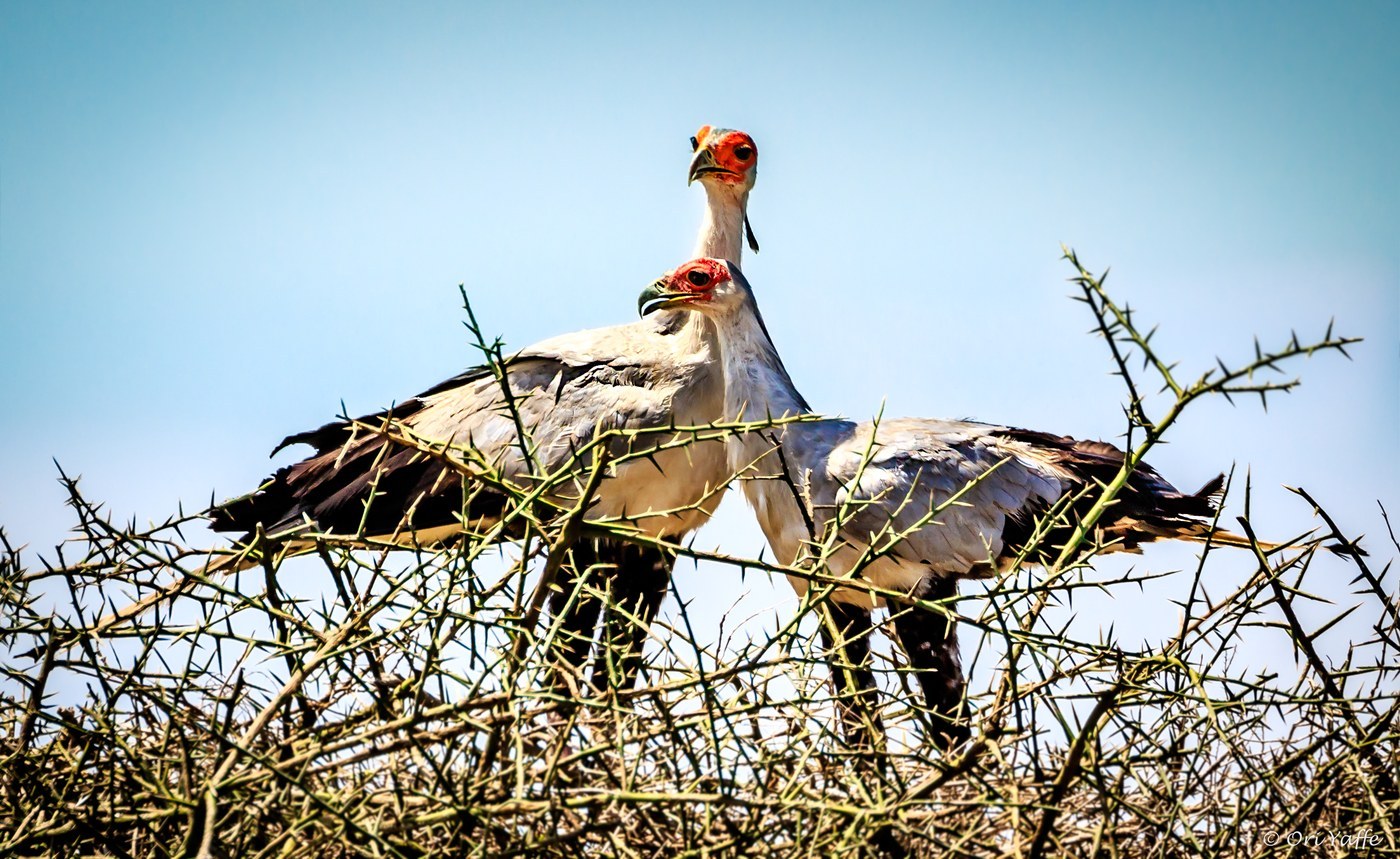
Secretarybird
Long crest feathers; broad flight feathers; elongated central tail feathers

Orange-breasted Falcon
Broad-based pointed flight feathers; bold breast and belly feathers
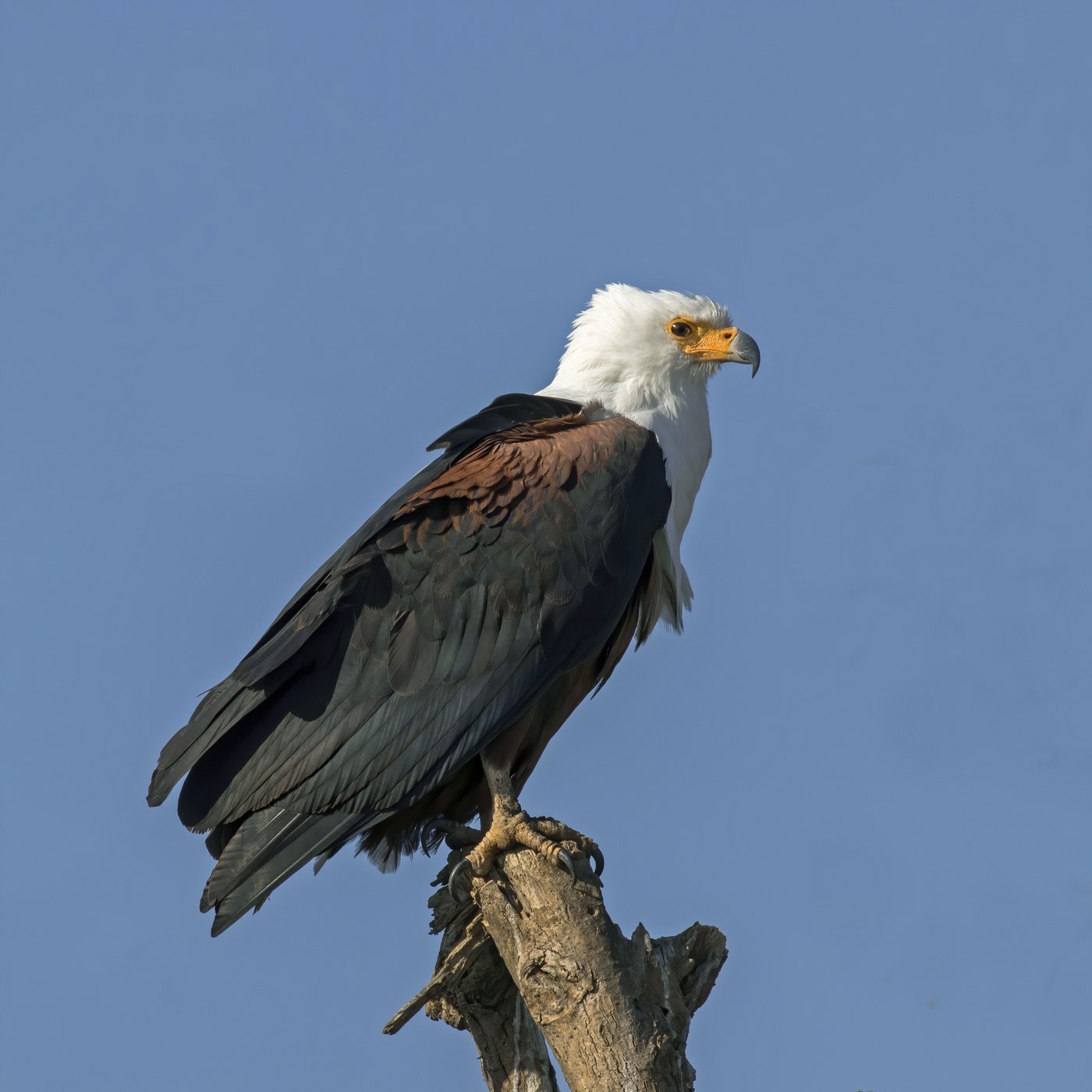
African Fish Eagle
Flight, tail, and body feathers

Amur Falcon
Slender pointed flight feathers; soft slate or orange-buff contour feathers
Red Kite
Flight (wing) and tail feathers
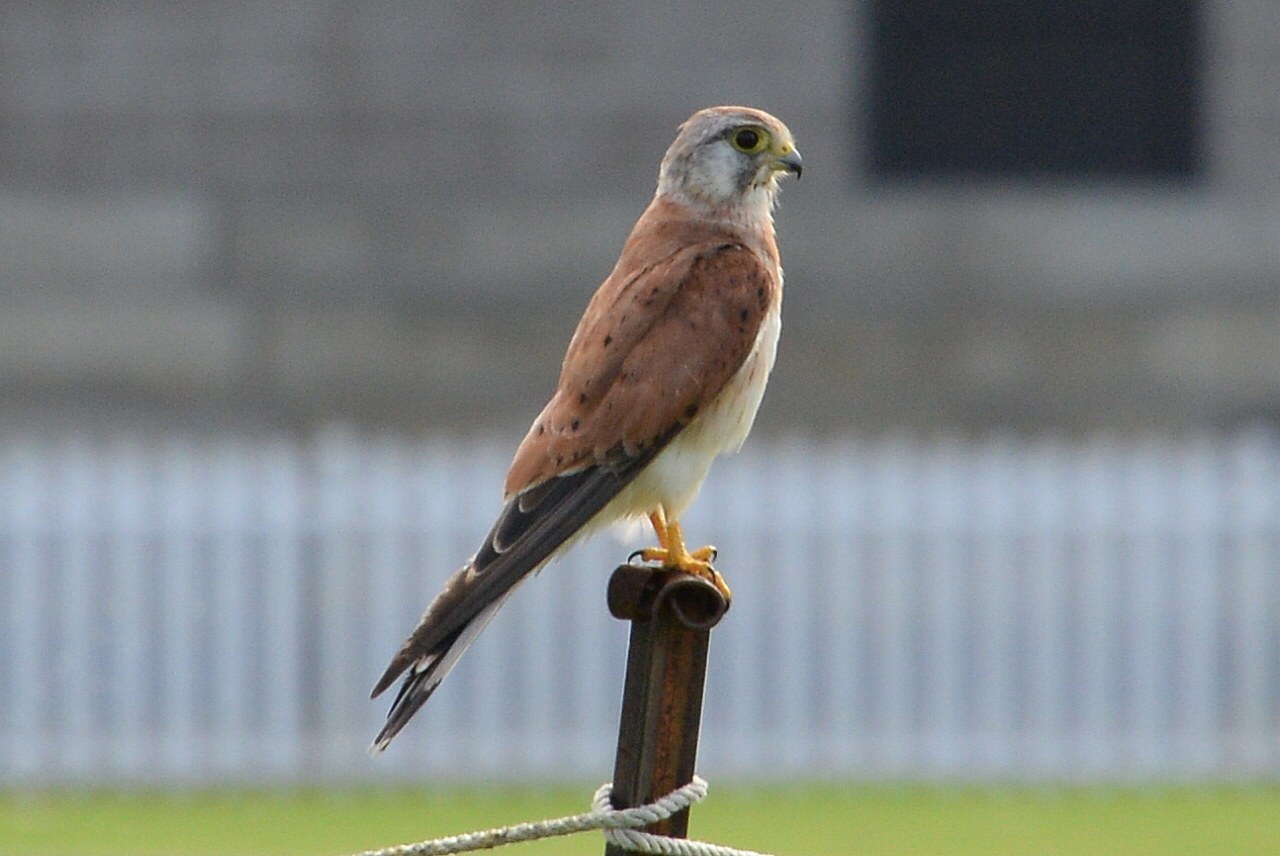
Nankeen Kestrel
Slim pointed flight feathers; lightly marked contour feathers

Andean Condor
Massive flight feathers; broad primaries and secondaries; sturdy tail feathers

Plumbeous Forest Falcon
Short rounded flight feathers; finely barred tail feathers

Sooty Falcon
Long pointed flight feathers; slim tail feathers