
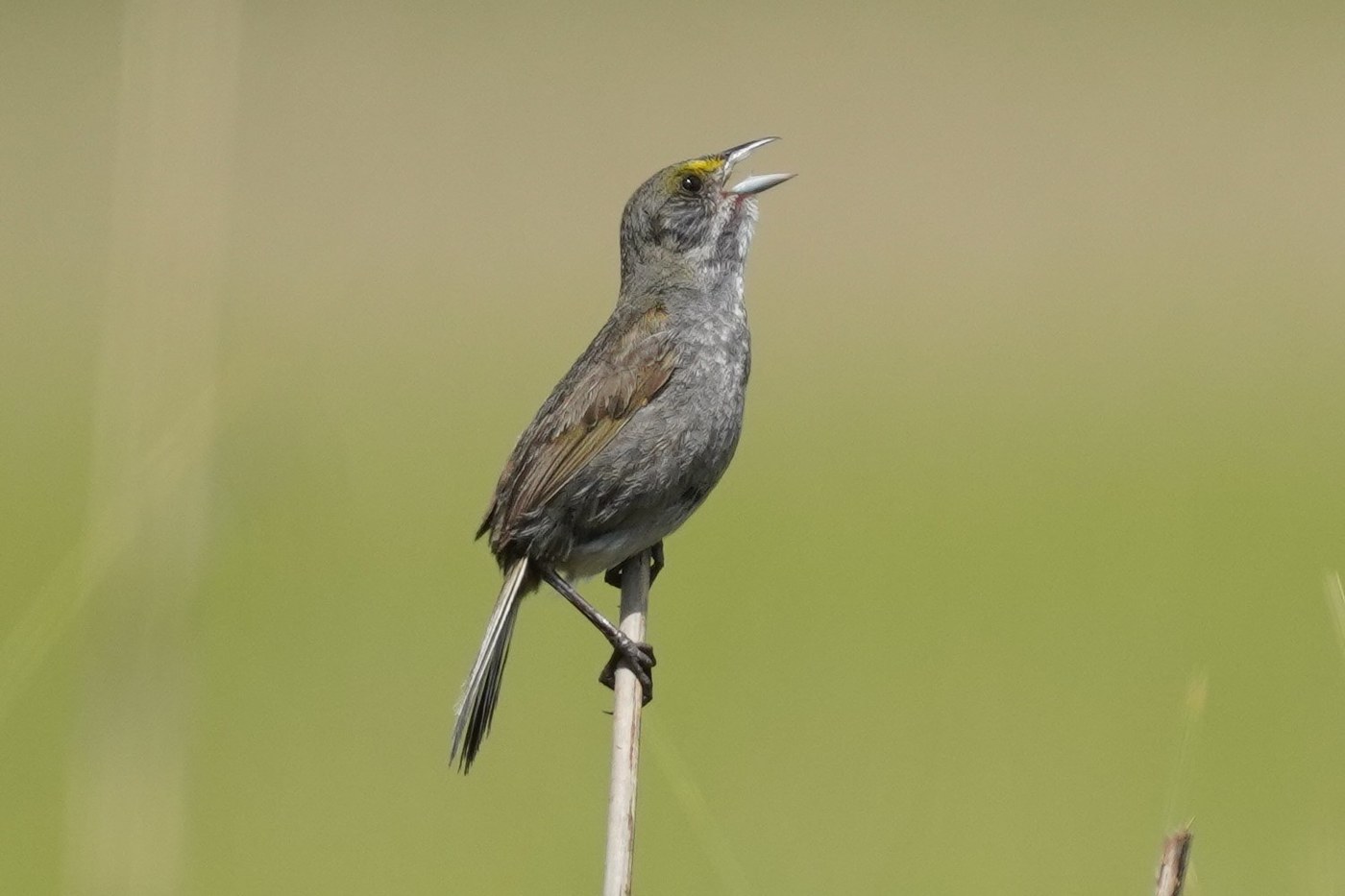
Seaside Sparrow
Ammospiza maritima
A dark, long-billed sparrow tightly restricted to coastal salt marshes, with a small yellow spot in front of the eye.
- Feather type
- Contour and flight feathers
- Colours
- Olive-gray, yellow, and dark brown
- Bird size
- Sparrow-sized, ~15 cm
Found a feather like this?
Identify any feather from a photo, free.
Overview
Overview
The Seaside Sparrow is a large, dark sparrow found almost exclusively in coastal salt marsh habitat along the Atlantic and Gulf coasts. Its plumage tends to be duller and grayer than that of many inland sparrows, an adaptation that blends well with marsh vegetation.
Its long, spike-like bill and overall dark, olive-gray tone, combined with a strict marsh habitat association, make it relatively straightforward to identify within its narrow coastal range.
Identifying the Feather
Feather Identification
- Face feathers: small yellow spot in front of the eye (lores), contrasting with an otherwise gray-brown face
- Body contour feathers: overall dark olive-gray tone above, paler grayish below with variably fine dark streaking
- Bill: notably long and spike-like compared to most sparrows, an adaptation for probing marsh vegetation
- Tail feathers: short and somewhat rounded, contributing to a stocky silhouette
- Compared to Nelson's or Saltmarsh Sparrows: Seaside Sparrow is larger, darker, and grayer overall, lacking the bright orange-buff facial tones of those two species and instead showing a duskier, less colorful appearance
Plumage & Molt
Plumage Notes
Sexes are similarly plumaged, both showing the dark olive-gray tones and small yellow lore spot. There is considerable geographic variation across the species' range, with some coastal populations appearing notably darker or grayer than others. Juveniles show a buffier overall wash with less defined streaking before acquiring adult-like plumage in their first fall. A single complete prebasic molt follows breeding, and the subdued marsh-blending coloration remains fairly consistent through the year with only minor wear-related changes.
Habitat & Range
Habitat & Range
Seaside Sparrows are essentially restricted to coastal salt marsh habitat dominated by cordgrass and similar vegetation, occurring along the Atlantic coast from New England to Florida and along the Gulf Coast. Some populations are resident while others shift short distances along the coast in winter. This species' dependence on a narrow band of coastal marsh makes it particularly sensitive to habitat loss and sea-level changes affecting that specific ecosystem.
Behavior & Field Notes
Behavior & Field Notes
Seaside Sparrows forage on marsh mud and among cordgrass stems, probing for invertebrate prey with their long bill, and often walk or run through marsh vegetation rather than flying far. They can be secretive but will perch up on marsh grass stems, especially when singing. The song is a buzzy, insect-like series of notes, somewhat reminiscent of a Red-winged Blackbird's song in cadence but thinner and buzzier. Nests are built low in marsh grass, often woven around supporting stems just above the highest regular tide line.
Frequently asked questions
What habitat is essential for finding Seaside Sparrows?
Coastal salt marsh dominated by cordgrass or similar vegetation; the species is rarely if ever found away from this specific habitat type.
How does the bill shape aid identification?
Its notably long, spike-like bill is longer and more slender than that of most sparrows, an adaptation suited to probing marsh mud and vegetation.
How is it distinguished from Nelson's and Saltmarsh Sparrows?
Seaside Sparrow is larger and darker overall, with duller gray-olive tones, lacking the brighter orange-buff face pattern of those two related marsh sparrows.
Does plumage vary across the species' range?
Yes, different coastal populations show variation in overall darkness and grayness, reflecting local marsh vegetation and soil coloration.
Seaside Sparrow guides
In-depth guides for identifying and understanding Seaside Sparrow.
Other feathers you may enjoy

Yellow-breasted Bunting
Contour and flight feathers, chestnut-and-yellow breeding pattern
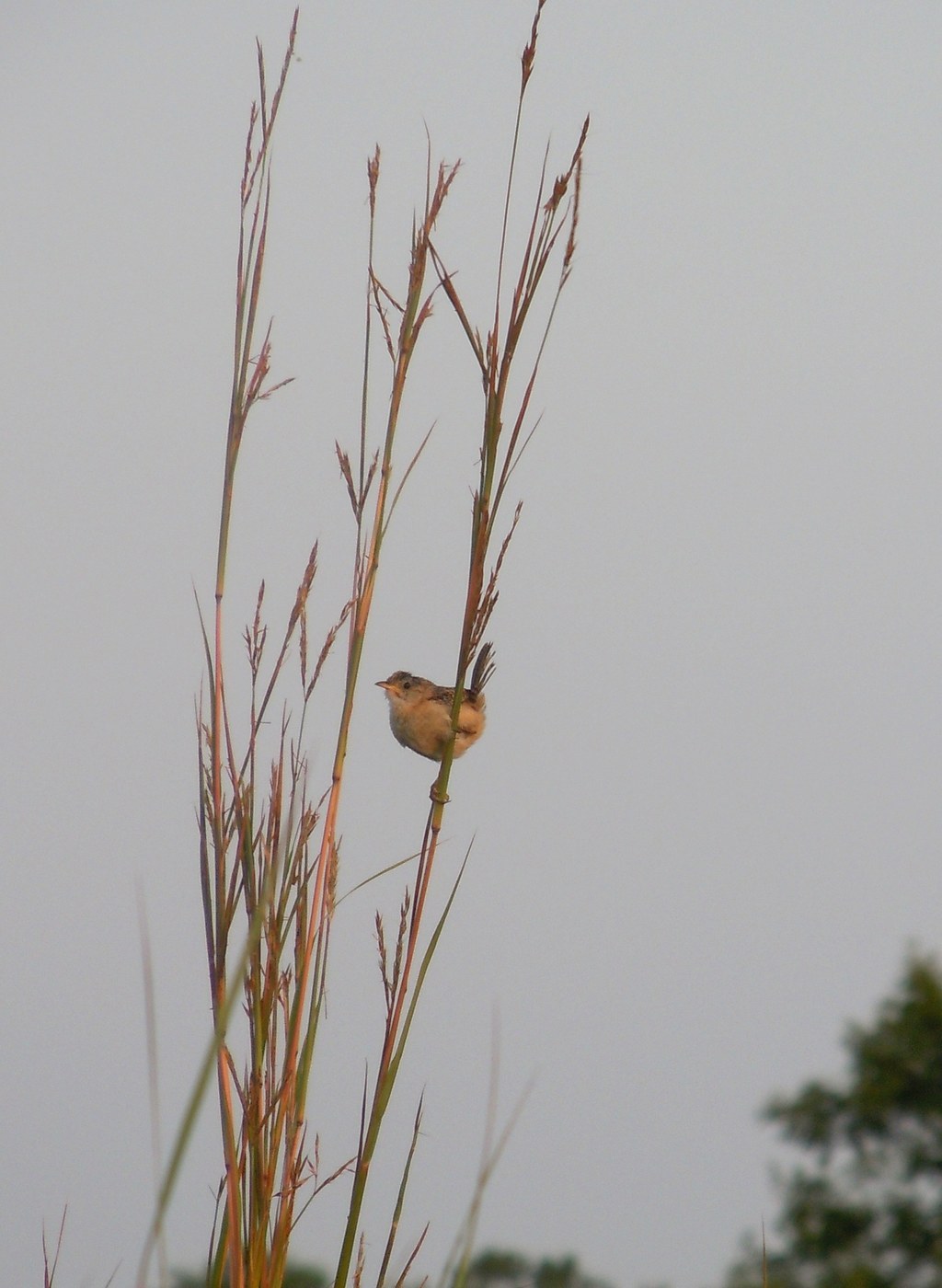
Sedge Wren
Tiny streaked crown and back feathers

Yellow-winged Cacique
Glossy black body feathers, yellow wing patch, shaggy crest

Yellow Warbler
Small contour and flight feathers
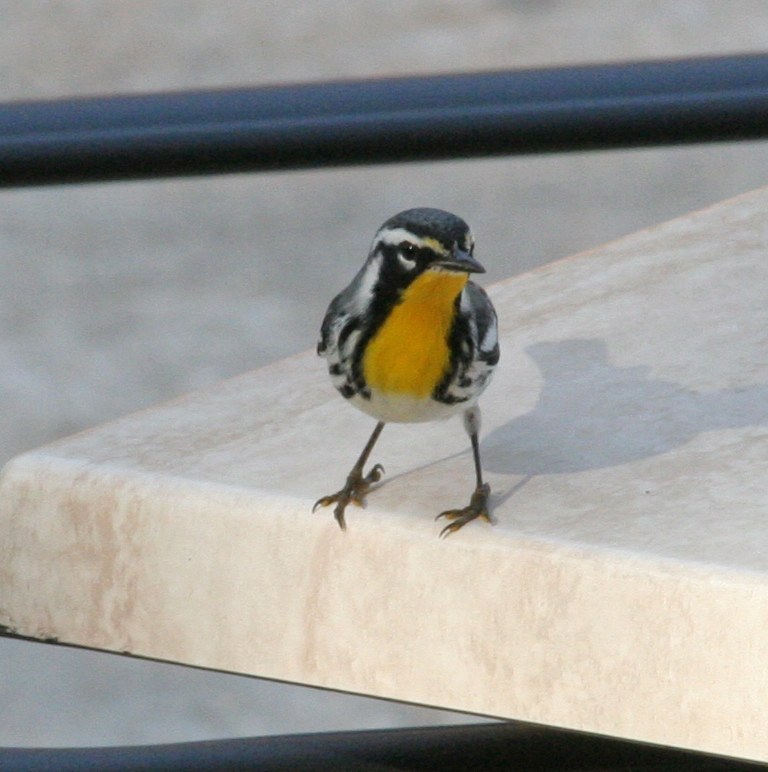
Yellow-throated Warbler
Small contour and flight feathers
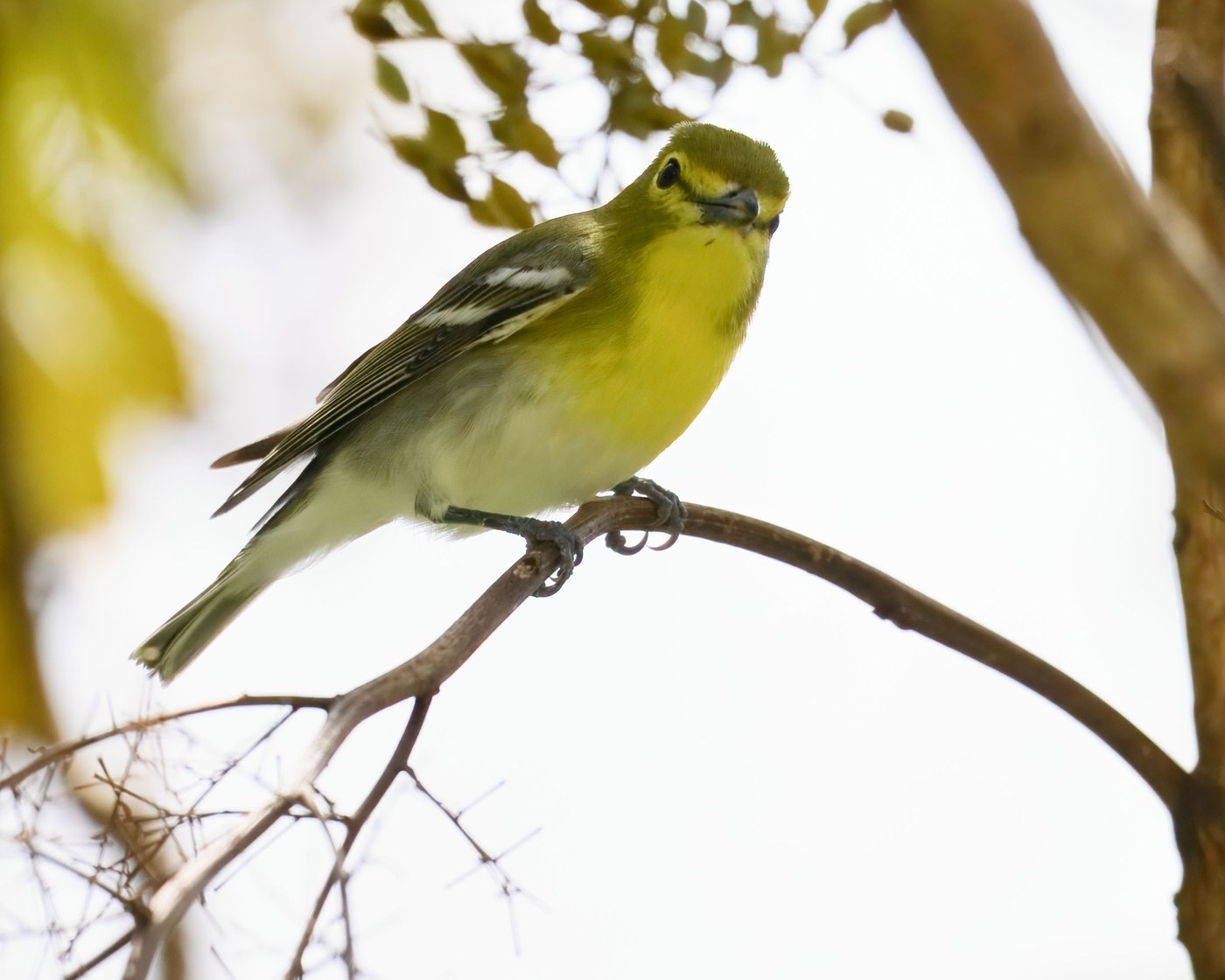
Yellow-throated Vireo
Bright yellow throat and spectacle feathers; olive-green back feathers; two white wing-bar feathers

Yellow-rumped Warbler
Small contour and flight feathers
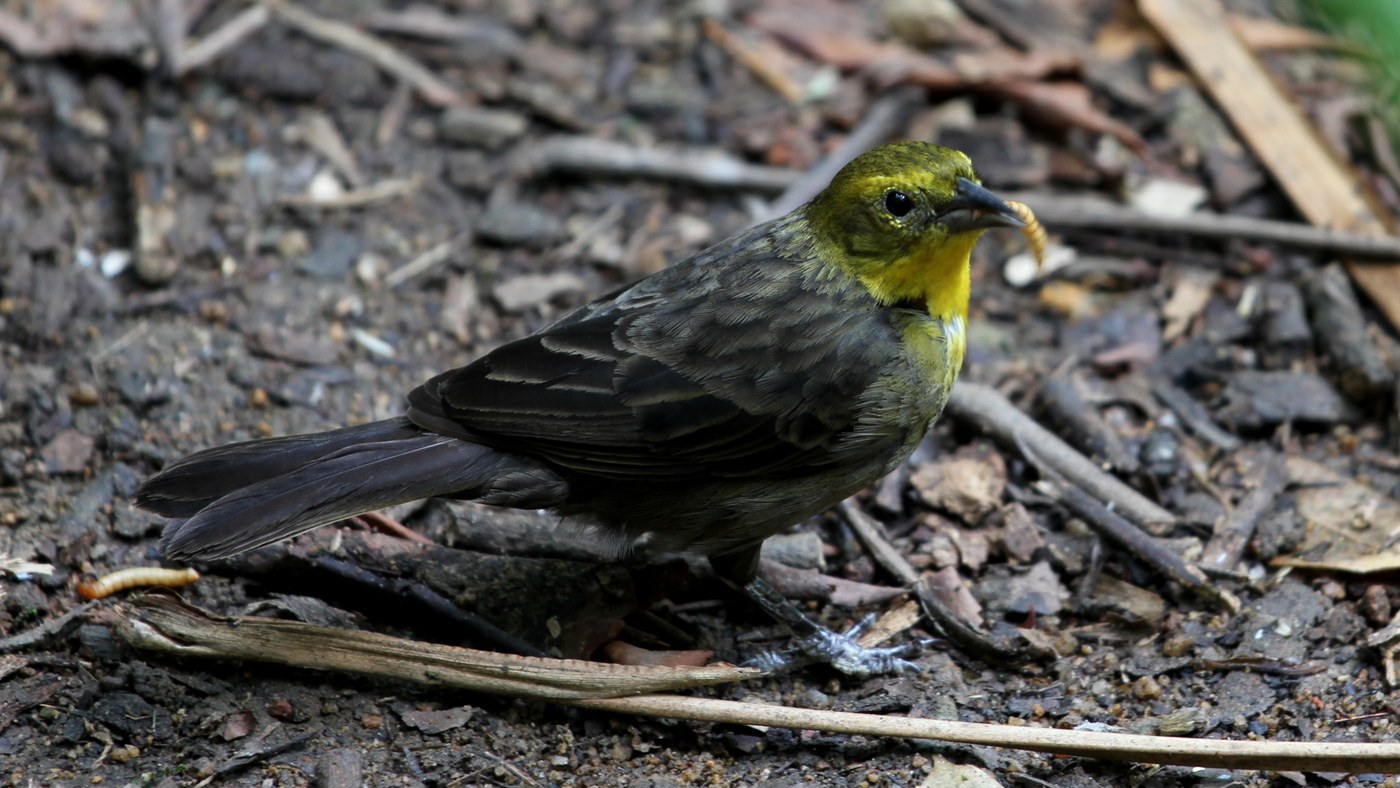
Yellow-hooded Blackbird
Contrasting hood and body feathers
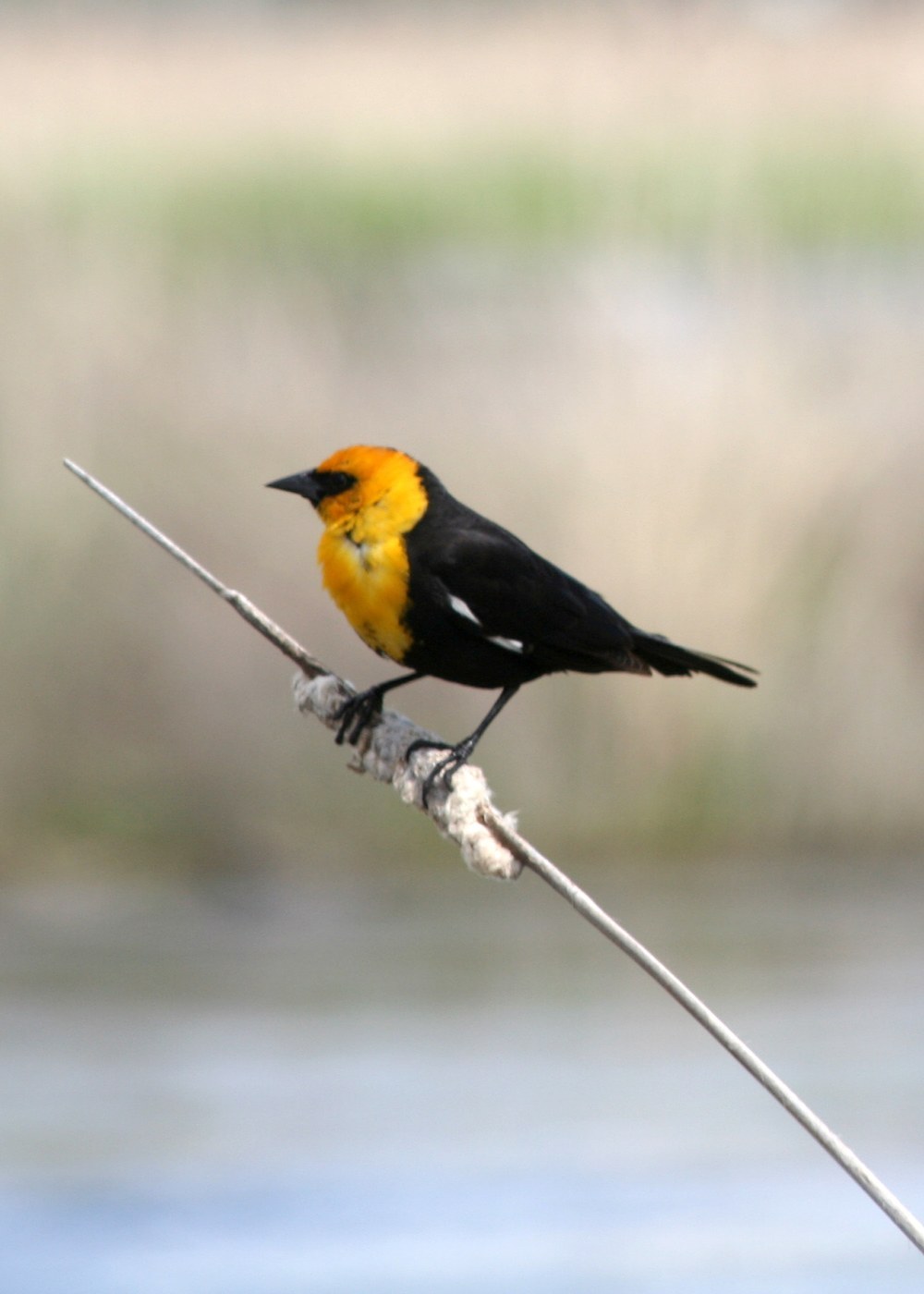
Yellow-headed Blackbird
Glossy black body plumage with a bright yellow head and breast

Yellow-eyed Junco
Contour and flight feathers

Yellow-fronted Canary
Small, smooth body plumage

Yellow-breasted Greenfinch
Compact, smooth body plumage