
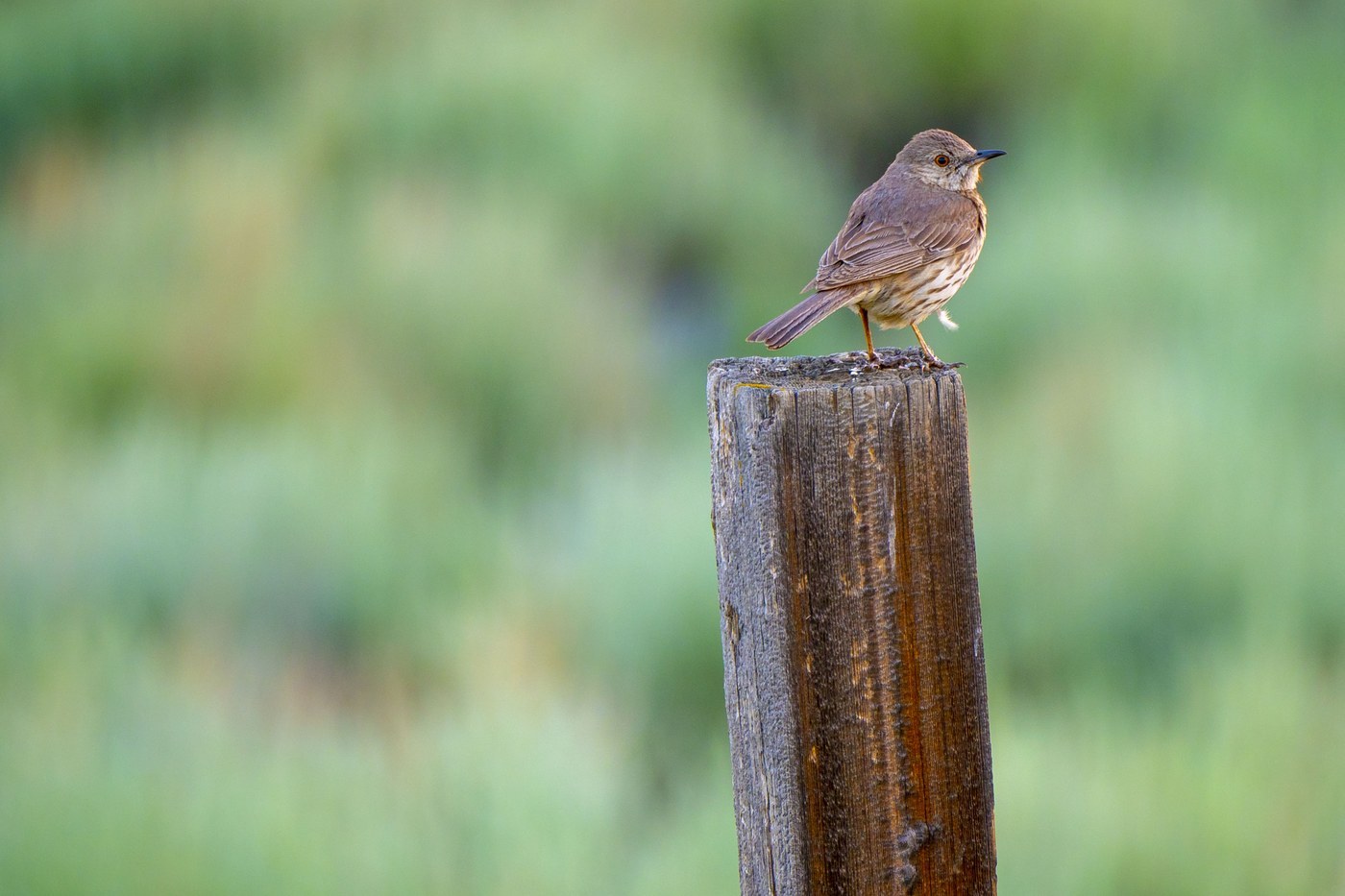
Sage Thrasher
Oreoscoptes montanus
The smallest and most compact North American thrasher, a streaky gray-brown bird of sagebrush country with a shorter, straighter bill than its relatives.
- Feather type
- Shorter, straighter-billed thrasher plumage; streaked body feathers
- Colours
- Gray-brown above with heavy dark streaking below
- Bird size
- Robin-sized, ~21 cm (smallest North American thrasher)
Found a feather like this?
Identify any feather from a photo, free.
Overview
The Sage Thrasher is the smallest thrasher species in North America and is closely tied to sagebrush steppe habitats of the western interior. Unlike many of its longer-billed relatives, it has a comparatively short, straight bill, giving it a more thrush-like appearance, and it is often seen running along the ground between sagebrush clumps.
Identifying the Feather
Flight feathers: grayish-brown with pale wing bars formed by whitish tips on the coverts, more compact than the flight feathers of larger thrashers. Tail feathers: shorter than in other thrashers, dark grayish-brown with white corners visible from below, especially in flight. Body feathers: gray-brown above with heavy, crisp dark streaking on a whitish breast and belly, and a bright yellow eye. This combination of a shorter, straighter bill, bold breast streaking, and white tail corners readily distinguishes Sage Thrasher feathers from the longer-billed, faintly spotted or unspotted Curve-billed and California Thrashers.
Plumage & Molt
Sexes look alike. Adults are gray-brown above with bold blackish streaking on whitish underparts, pale wing bars, white tail corners, and a bright yellow eye. Juveniles show similar streaking but with buffier tones and less crisp pattern, converging with adult plumage after their first molt. There is no strong seasonal plumage difference in adults.
Habitat & Range
Sage Thrashers breed almost exclusively in sagebrush steppe and other arid shrub habitat across the interior western United States and southern Canada. The species is migratory, wintering in the southwestern United States and Mexico in scrub and desert habitats.
Behavior & Field Notes
This thrasher forages mainly on the ground, running between shrubs to catch insects and other invertebrates, and also consumes fruit seasonally. It builds a cup nest low within a sagebrush or other dense shrub. Its song is a long, rich, sustained warbling series of varied phrases, delivered from a perch atop a shrub, and it is considered one of the more melodious thrashers.
Frequently asked questions
How can I tell Sage Thrasher feathers from other thrasher species?
Sage Thrasher feathers show bold, crisp dark streaking on whitish underparts and white tail corners, along with a shorter, straighter bill profile than the curved-billed thrashers.
Why is this species called the smallest North American thrasher?
Its flight and tail feathers are noticeably shorter and more compact than those of relatives like the Curve-billed or California Thrasher, reflecting its smaller overall body size.
What habitat is most associated with this species' feathers?
Sagebrush steppe and other arid shrubland across the interior western United States, where the species breeds almost exclusively.
Do juvenile Sage Thrashers look different from adults?
Juveniles show buffier tones and less crisp streaking, gradually developing the bolder blackish streaking of adult plumage after their first molt.
Sage Thrasher guides
In-depth guides for identifying and understanding Sage Thrasher.
Other feathers you may enjoy

Yellow-breasted Bunting
Contour and flight feathers, chestnut-and-yellow breeding pattern
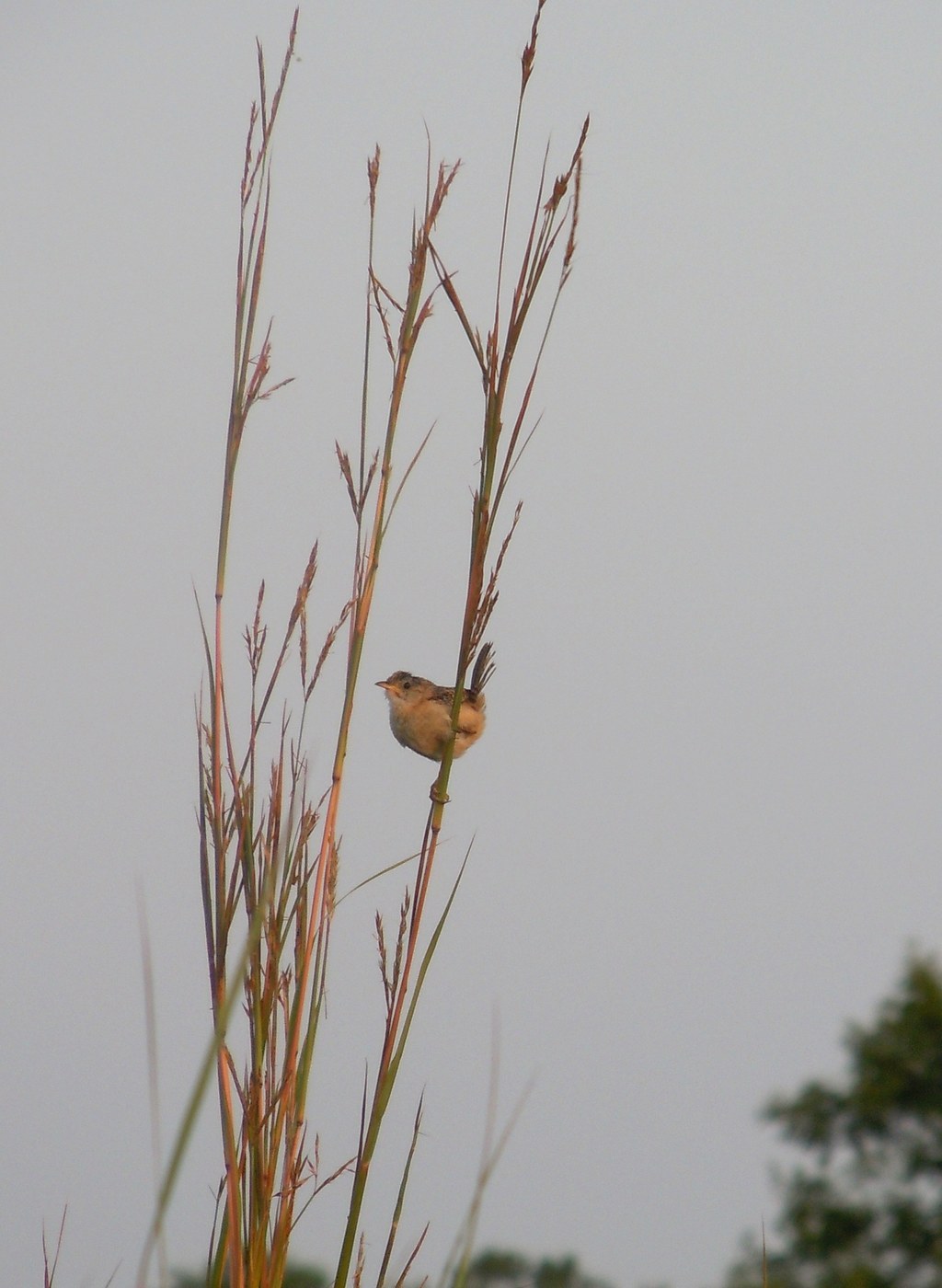
Sedge Wren
Tiny streaked crown and back feathers

Yellow-winged Cacique
Glossy black body feathers, yellow wing patch, shaggy crest

Yellow Warbler
Small contour and flight feathers
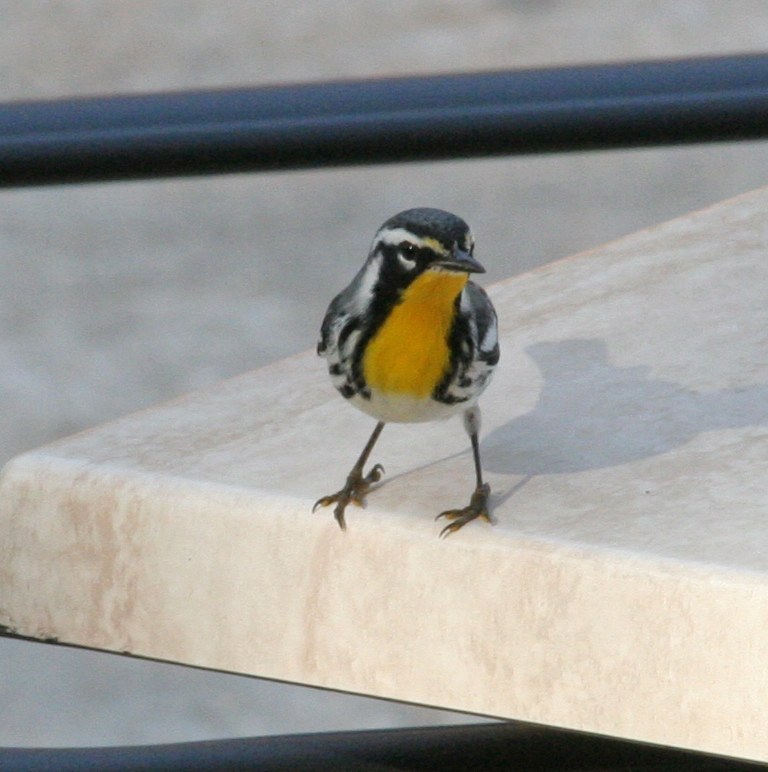
Yellow-throated Warbler
Small contour and flight feathers
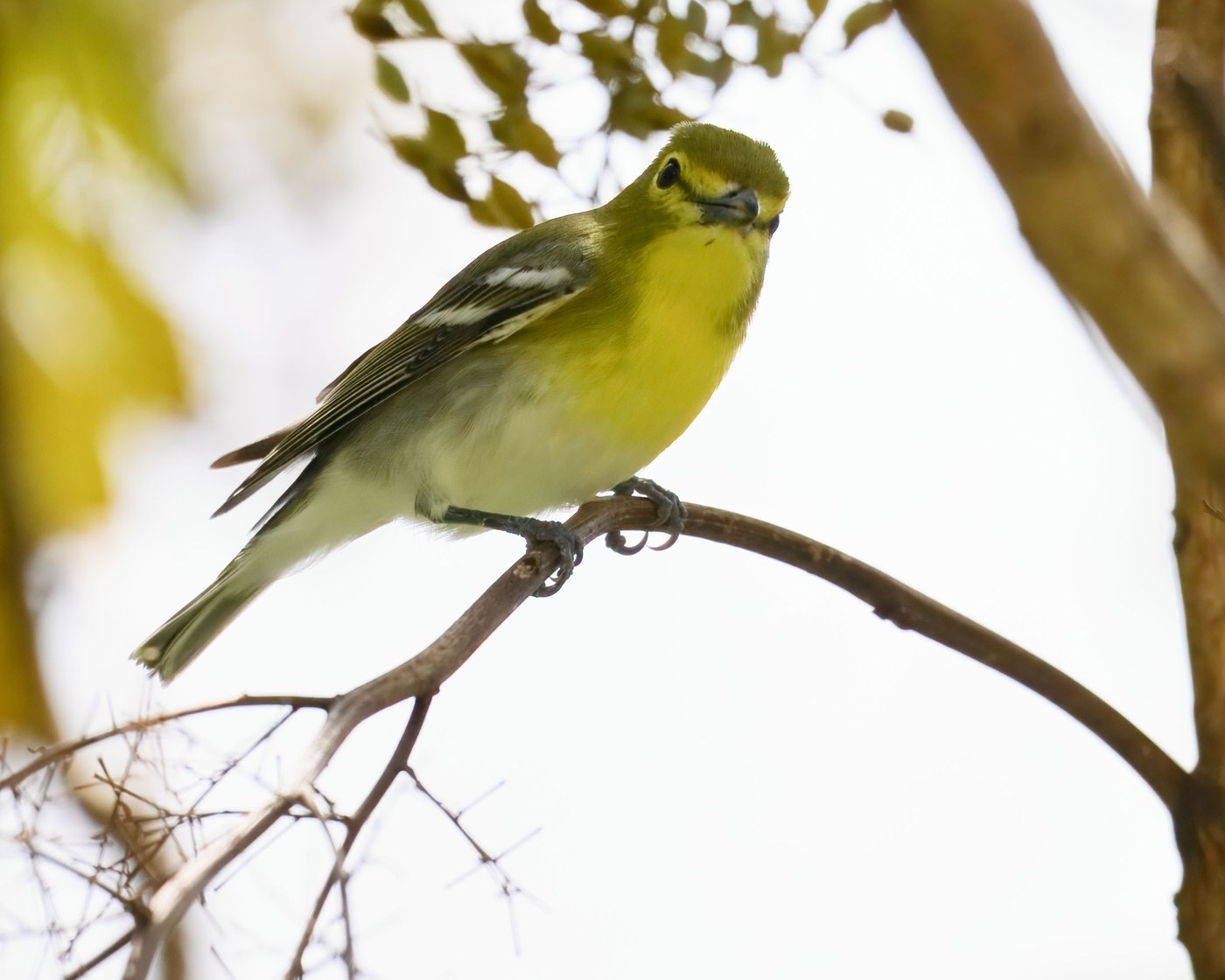
Yellow-throated Vireo
Bright yellow throat and spectacle feathers; olive-green back feathers; two white wing-bar feathers

Yellow-rumped Warbler
Small contour and flight feathers
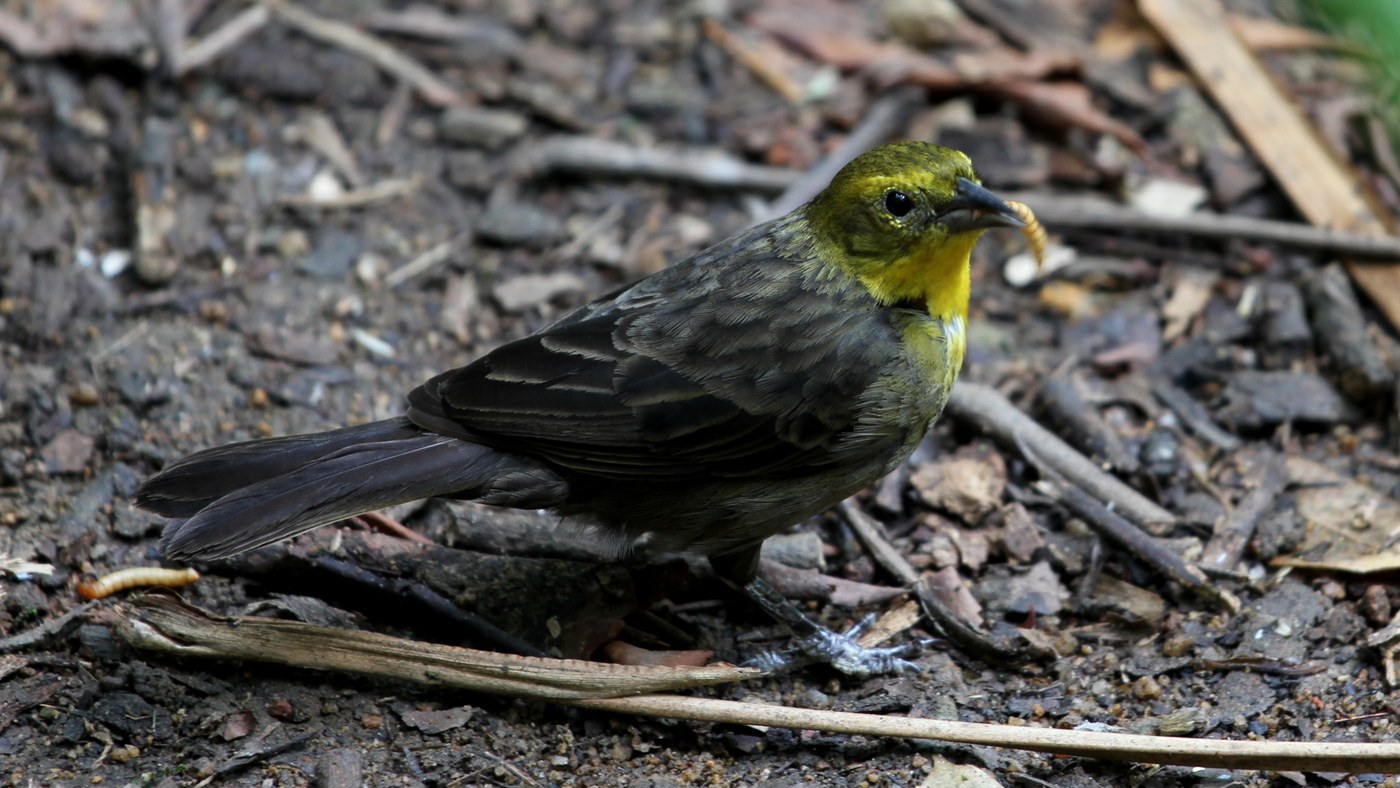
Yellow-hooded Blackbird
Contrasting hood and body feathers
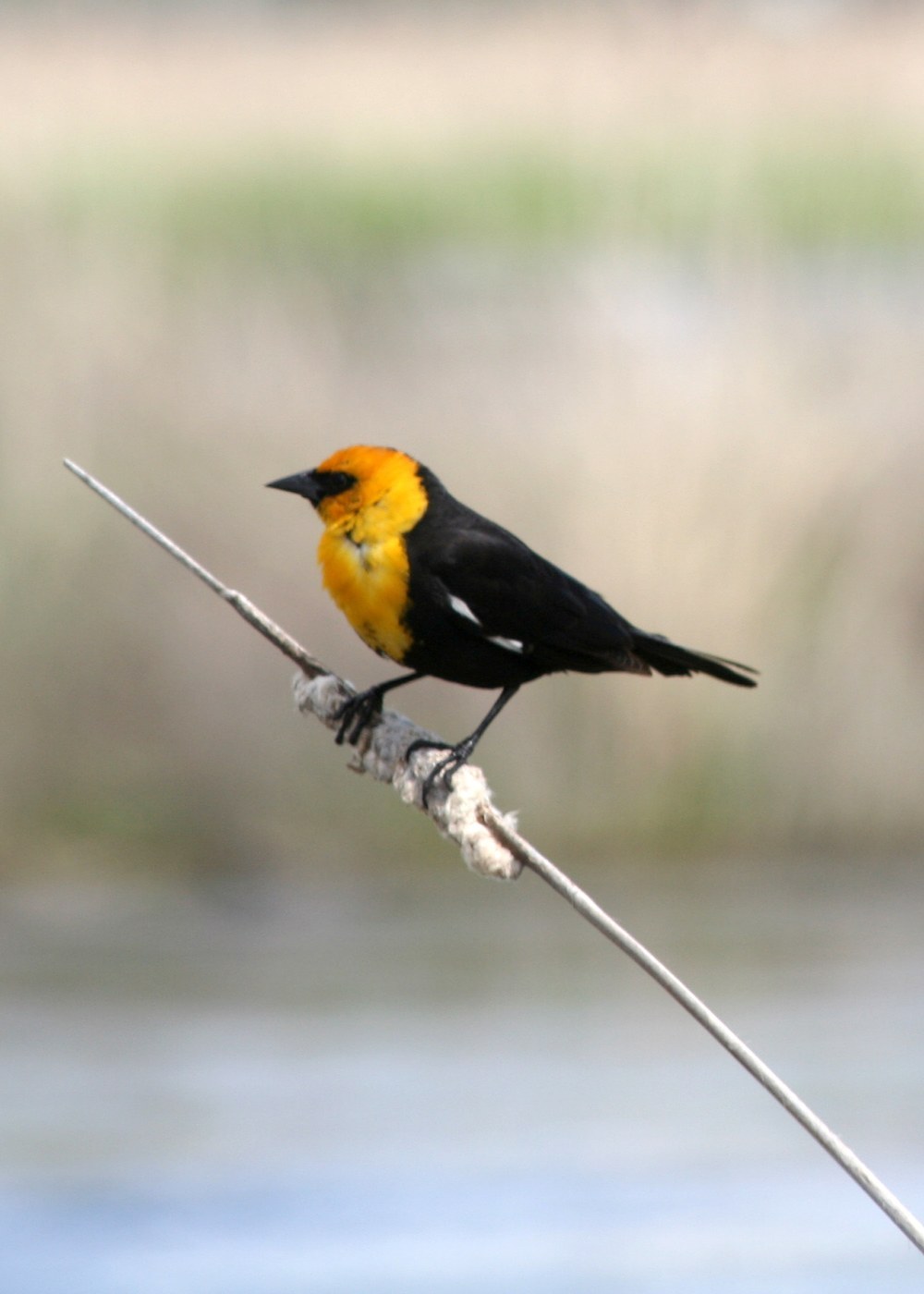
Yellow-headed Blackbird
Glossy black body plumage with a bright yellow head and breast

Yellow-eyed Junco
Contour and flight feathers

Yellow-fronted Canary
Small, smooth body plumage

Yellow-breasted Greenfinch
Compact, smooth body plumage