

Rough-legged Hawk
Buteo lagopus
The Rough-legged Hawk is an Arctic-breeding buteo with a pale tail base and dark terminal band, a dark belly patch, and dark carpal patches on the underwing, plus legs feathered fully to the toes for insulation.
- Feather type
- Long broad wings with a dark carpal patch; tail with a broad dark terminal band and paler base; densely feathered legs to the toes
- Colours
- Variable brown-and-white plumage; pale underparts with dark belly patch and dark carpal patches on the underwing; tail white at base with dark terminal band
- Bird size
- Medium-large hawk, ~46-59 cm, wingspan around 1.2-1.5 m
Found a feather like this?
Identify any feather from a photo, free.
Overview
Rough-legged Hawk
The Rough-legged Hawk, also known as the Rough-legged Buzzard, breeds on the open tundra of the Arctic and subarctic, then moves south in winter to open fields, marshes, and prairies across temperate latitudes. Its habit of hovering in place while hunting, along with its distinctive pale-based, dark-tipped tail, make it recognizable among wintering buteos.
Fully feathered legs down to the toes, an adaptation to its cold Arctic breeding grounds, give the species its common name and distinguish its feather set from most other buteos it winters alongside.
Identifying the Feather
Identifying Rough-legged Hawk Feathers
- Tail feathers: pale, often whitish at the base with a broad, sharply defined dark terminal band, a pattern more clean-cut than in most similarly sized hawks.
- Primaries/secondaries: pale below with a conspicuous dark patch at the carpal joint (wrist) and dark wingtips.
- Body feathers: underparts pale with a dark patch across the belly in many individuals; dark-morph birds occur and show much more uniformly blackish-brown body feathers.
- Leg feathers: densely feathered down to the toes, unlike many other buteos with bare lower legs, useful when a whole foot or leg feather set is found.
- The sharply defined pale tail base and dark terminal band, plus dark carpal patches, distinguish this species from Red-tailed and Ferruginous Hawks in shared wintering range.
Plumage & Molt
Plumage
Light-morph adults show pale underparts with a dark belly patch, brown upperparts, and a whitish tail with a broad dark terminal band; dark-morph individuals, more frequent in this species than in many other buteos, are largely blackish-brown overall but usually retain the pale tail base. Juveniles resemble light-morph adults but with browner tones and a less sharply defined tail band. Sexes look broadly similar.
Habitat & Range
Habitat & Range
Breeds on open Arctic and subarctic tundra across northern North America and Eurasia, nesting on cliffs or rocky outcrops. It is entirely migratory, moving south in winter to open fields, prairies, marshes, and agricultural land across temperate latitudes of North America, Europe, and Asia.
Behavior & Field Notes
Behavior & Field Notes
Rough-legged Hawks frequently hunt by hovering in place over open ground, a distinctive behavior among buteos, searching for small mammals below. They nest on cliff ledges on the tundra, often far from any trees. A pale tail feather with a sharply defined broad dark tip, or a densely feathered leg/foot feather, found in open winter fields is a good indicator of this Arctic-breeding species during the non-breeding season.
Frequently asked questions
How does a Rough-legged Hawk tail feather differ from a Red-tailed Hawk's?
It typically shows a pale, often whitish base with a broad, sharply defined dark terminal band, rather than the uniformly reddish tail of an adult Red-tailed Hawk.
Why is this species called 'rough-legged'?
Its legs are feathered fully down to the toes, an adaptation for its cold Arctic breeding grounds, unlike most other buteos which have bare lower legs.
When and where would I find this species' feathers?
During the non-breeding season in open fields, prairies, and marshes across temperate latitudes, as the species migrates south from its Arctic and subarctic tundra breeding grounds each winter.
Does this species have a dark plumage form?
Yes, dark-morph individuals occur relatively frequently and show largely blackish-brown body feathers, though the pale tail base is often still visible.
Rough-legged Hawk guides
In-depth guides for identifying and understanding Rough-legged Hawk.

Rough-legged Hawk identified by the community
Real feathers identified with Feather Identifier.

Other feathers you may enjoy

Australian Hobby
Long, narrow pointed flight feathers; slender tail feathers

California Condor
Massive flight feathers; long broad primaries; large tail feathers

Brown Falcon
Broad, rounded flight feathers; variable-toned contour feathers
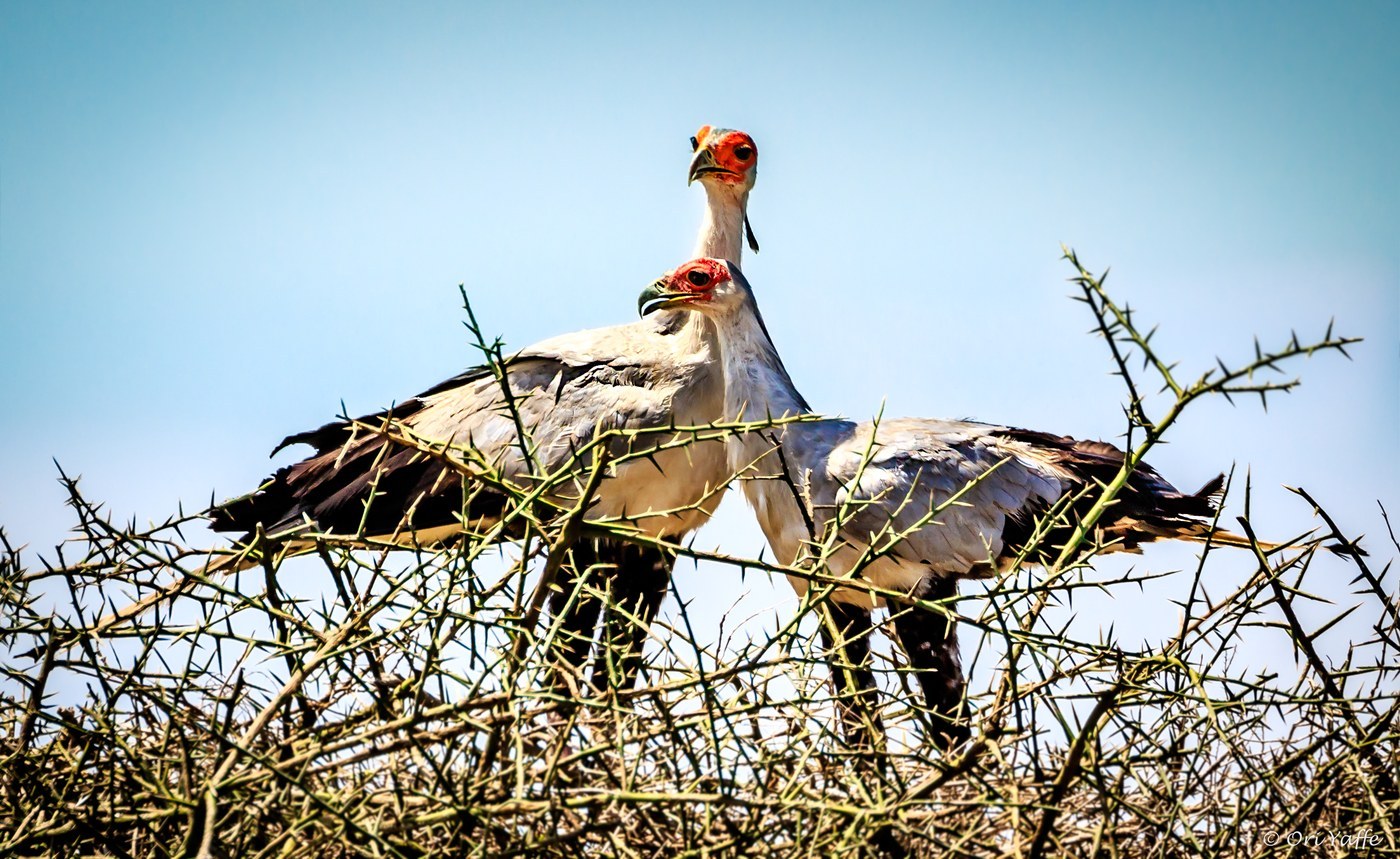
Secretarybird
Long crest feathers; broad flight feathers; elongated central tail feathers

Orange-breasted Falcon
Broad-based pointed flight feathers; bold breast and belly feathers
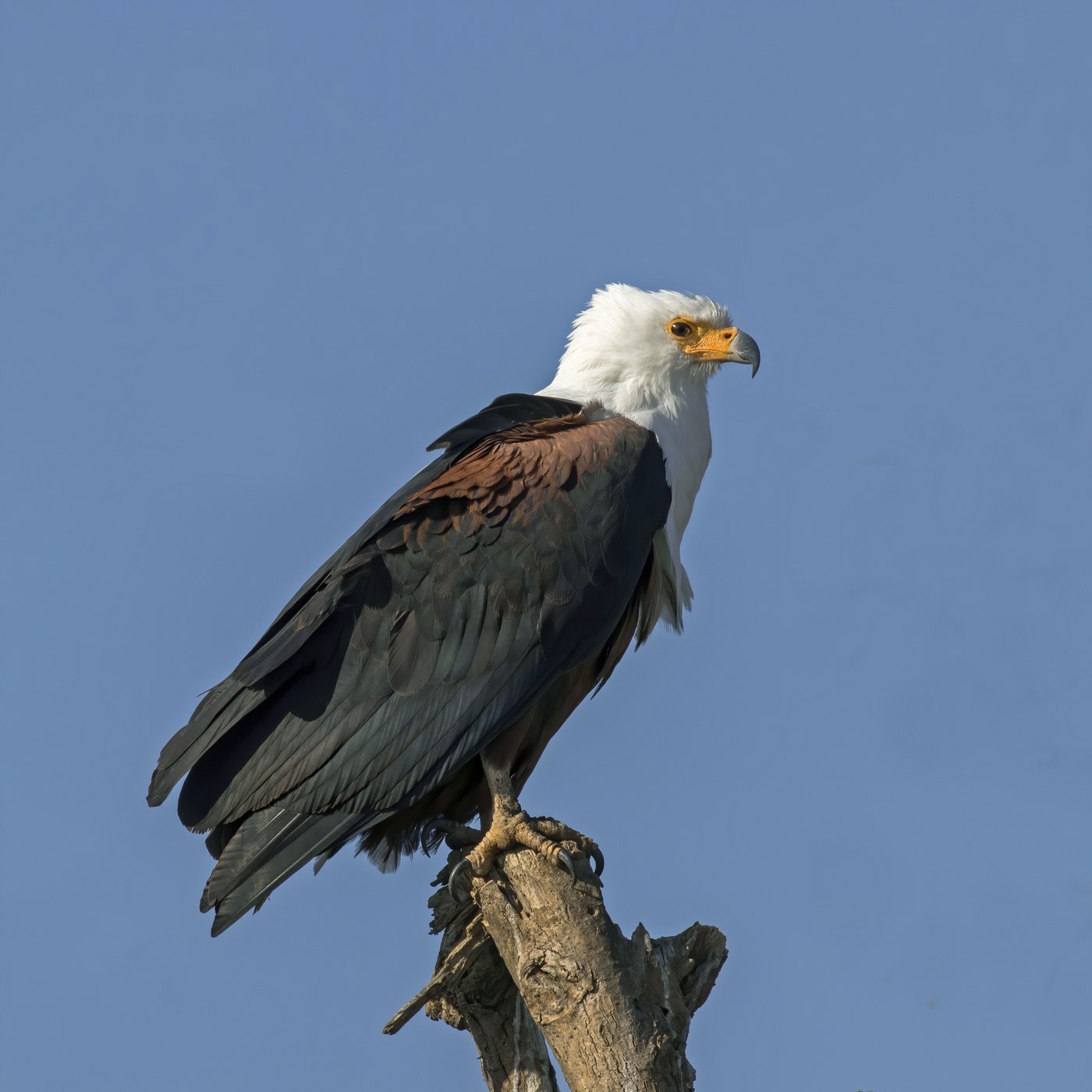
African Fish Eagle
Flight, tail, and body feathers

Amur Falcon
Slender pointed flight feathers; soft slate or orange-buff contour feathers
Red Kite
Flight (wing) and tail feathers
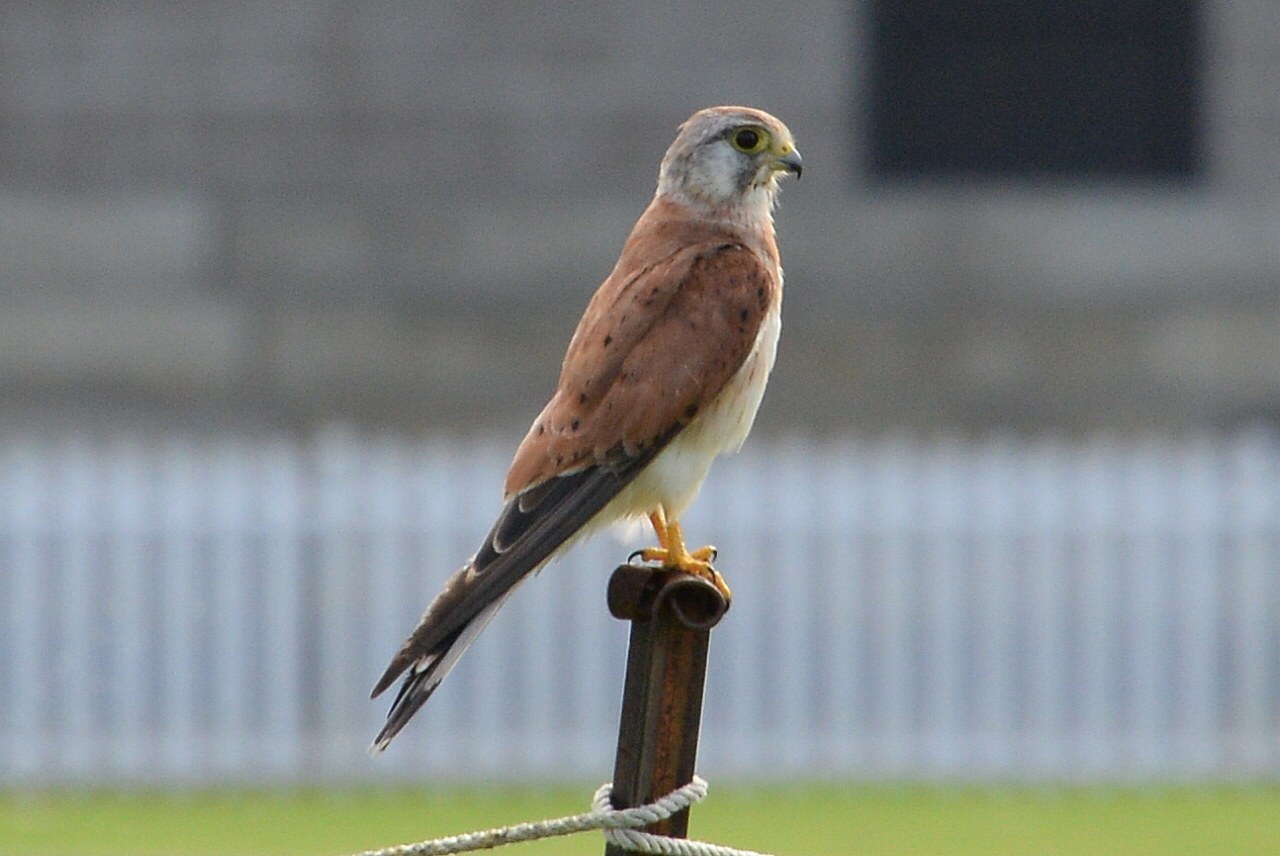
Nankeen Kestrel
Slim pointed flight feathers; lightly marked contour feathers

Andean Condor
Massive flight feathers; broad primaries and secondaries; sturdy tail feathers

Plumbeous Forest Falcon
Short rounded flight feathers; finely barred tail feathers

Sooty Falcon
Long pointed flight feathers; slim tail feathers