
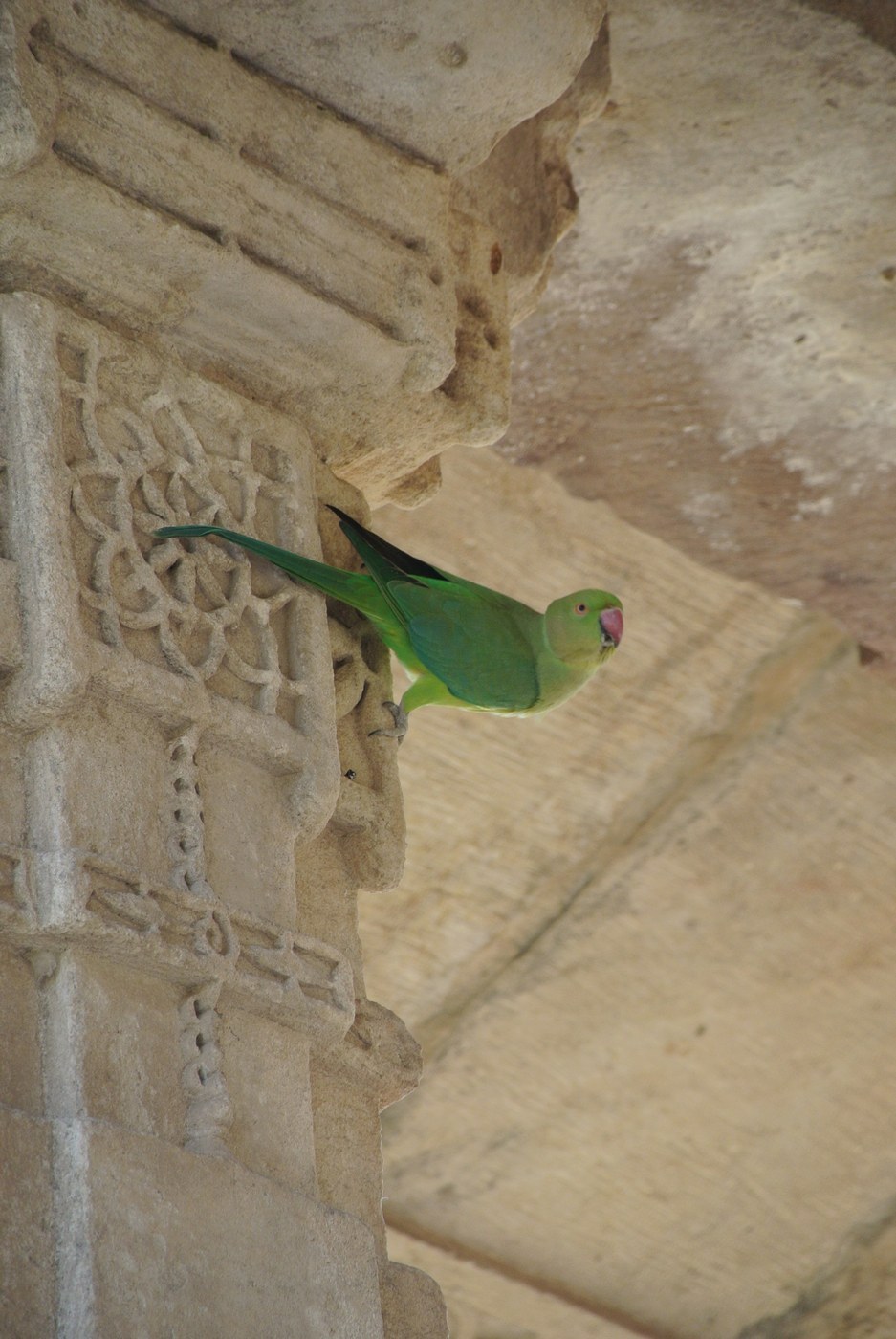
Rose-ringed Parakeet
Psittacula krameri
A slender, bright green parakeet with a long pointed tail, best known for the males' narrow black-and-rose neck ring, and now familiar as a naturalized bird in cities well beyond its native range.
- Feather type
- Sleek, bright green body feathers; long, pointed central tail feathers
- Colours
- Bright green overall with a black-and-pink neck ring in males
- Bird size
- Medium parakeet, ~40 cm including tail
Found a feather like this?
Identify any feather from a photo, free.
Overview
The Rose-ringed Parakeet is native to a broad band of sub-Saharan Africa and South Asia, and it has also established large naturalized populations in cities across Europe, the Middle East, and elsewhere, following escapes and releases. It is highly adaptable, thriving in both natural woodland and heavily urbanized parks and gardens, and is one of the most widely recognized green parakeets in the world.
Identifying the Feather
Body feathers are uniformly bright green, brighter on the underparts and slightly more yellow-green on the belly. The tail is long and strongly graduated, with narrow, pointed central feathers extending well past the rest, colored green above with a bluish tinge on the central feathers. Males show a narrow black line running from the chin around the lower face into a rose-pink band across the back of the neck, a marking absent in females and immatures, whose necks are plain green. The bill is notably large and hooked, colored red in adults. Overall shape is slim and long-tailed compared with stockier parrot species, aiding quick, direct flight.
Plumage & Molt
Adult males show the distinctive black-and-rose neck ring, while females and immature birds of both sexes lack the ring and have plain green necks, sometimes with faint ghosting of the pattern in older females. Young males take up to a few years to develop the full neck ring and vivid red bill color. A single annual molt renews the plumage, with the neck ring feathers replaced along with the rest of the body plumage.
Habitat & Range
This species occupies a wide range of habitats including open woodland, farmland, and increasingly urban parks and gardens, across its native range in Africa and South Asia. It is largely non-migratory, though some populations at higher latitudes make short seasonal movements. Naturalized populations, established from escaped or released birds, now persist year-round in a number of temperate cities well outside the species' native range.
Behavior & Field Notes
Rose-ringed Parakeets feed on fruit, seeds, blossoms, and cultivated crops, foraging in flocks that can be large and vocal, especially at communal roosts. Nests are built in tree cavities, and pairs often reuse the same site across years. Calls include loud, sharp, screeching notes given frequently in flight and at roost sites, making flocks easy to detect even at a distance.
Frequently asked questions
How can you tell a male Rose-ringed Parakeet from a female by its feathers?
Males show a narrow black-and-rose neck ring; females and young birds have a plain green neck without the ring.
What color are Rose-ringed Parakeet feathers?
Bright green overall, with the neck ring in males being the main additional marking.
Is the Rose-ringed Parakeet native everywhere it's found?
No, while native to parts of Africa and South Asia, it also has naturalized populations established from escaped birds in cities elsewhere.
What shape is the Rose-ringed Parakeet's tail?
Long and strongly tapered, with narrow, pointed central feathers extending well beyond the rest of the tail.
Rose-ringed Parakeet guides
In-depth guides for identifying and understanding Rose-ringed Parakeet.
Rose-ringed Parakeet identified by the community
Real feathers identified with Feather Identifier.


Other feathers you may enjoy
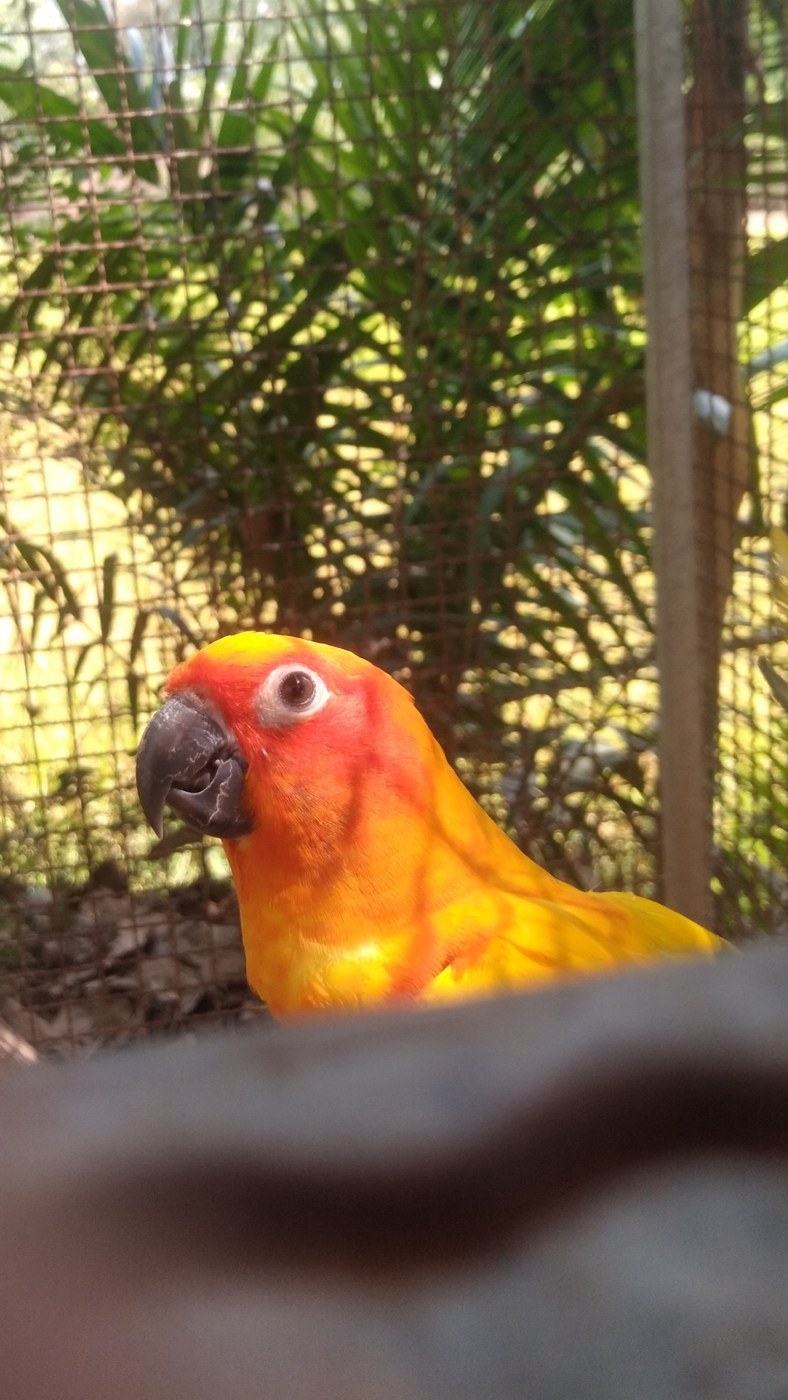
Sun Parakeet
Bright, dense body contour feathers; medium pointed tail feathers

Yellow-naped Amazon
Broad rounded contour feathers with sturdy flight feathers
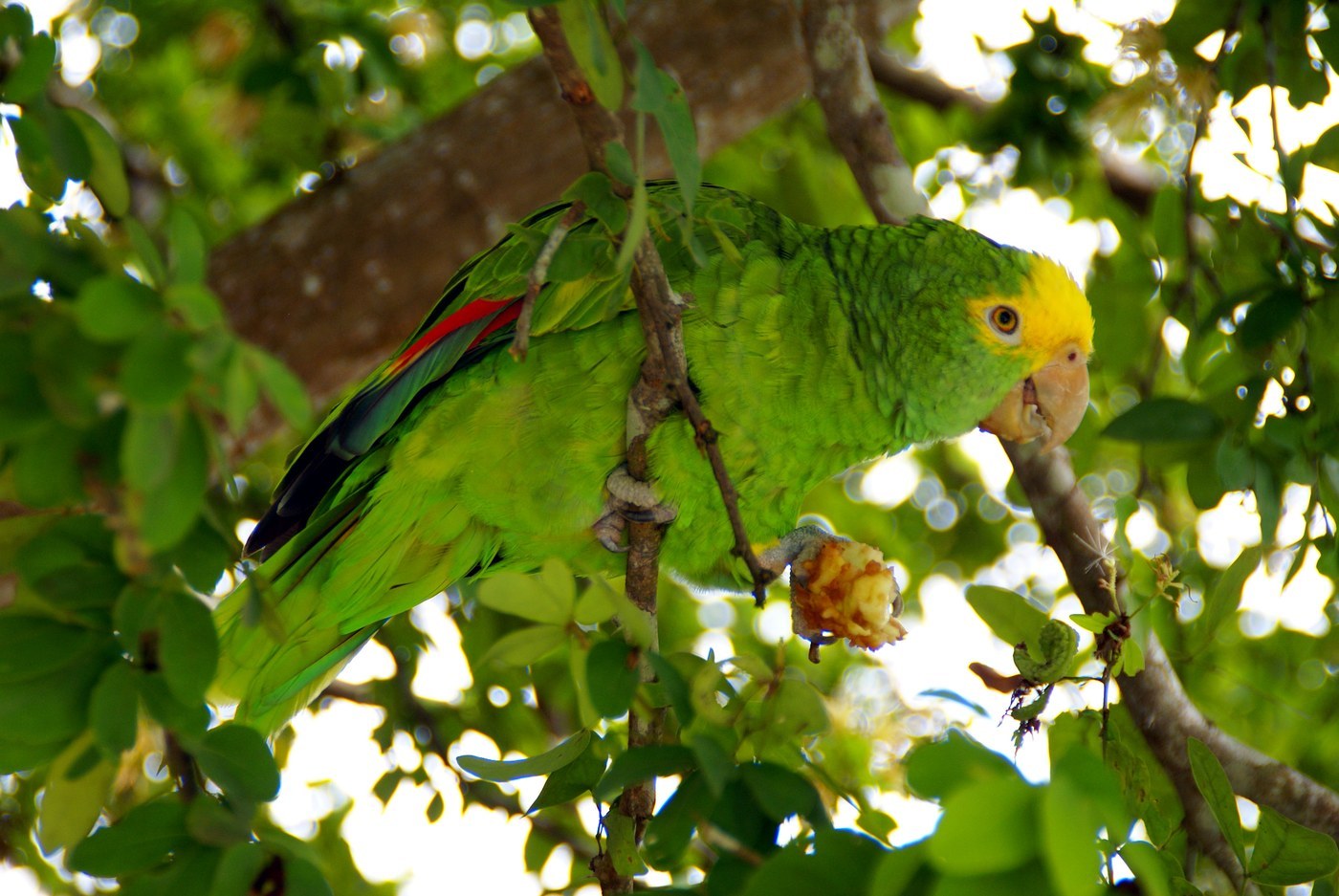
Yellow-headed Amazon
Dense, rounded body contour feathers; broad flight feathers
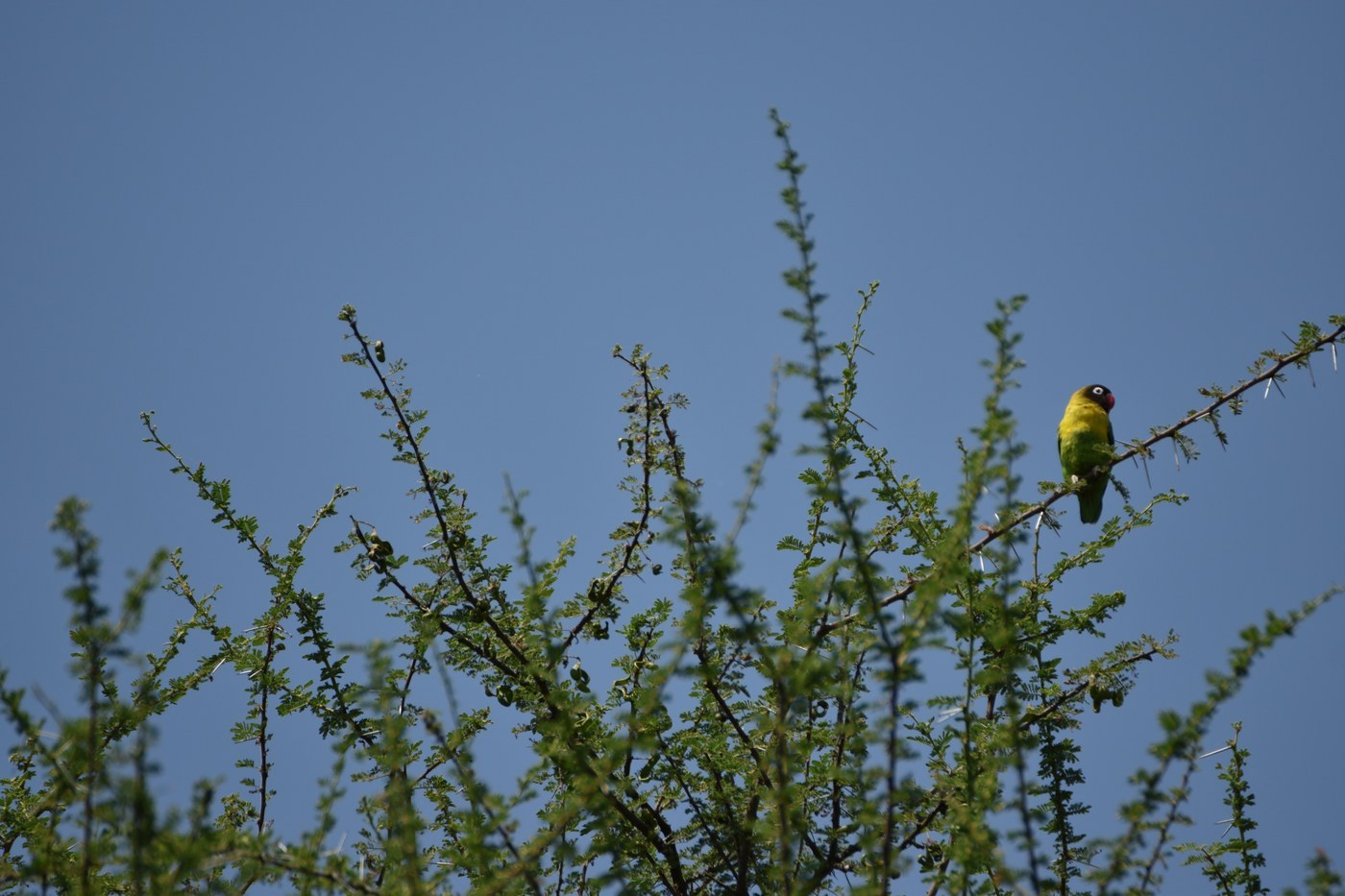
Yellow-collared Lovebird
Small compact flight feathers, short rounded tail

White-eyed Conure
Medium contour and long, graduated tail feathers

Yellow-tailed Black Cockatoo
Large, sturdy contour and flight feathers; short crest

Scarlet-chested Parrot
Small contour and flight feathers

Timneh Parrot
Broad flight feathers, scalloped body feathers with pale edges
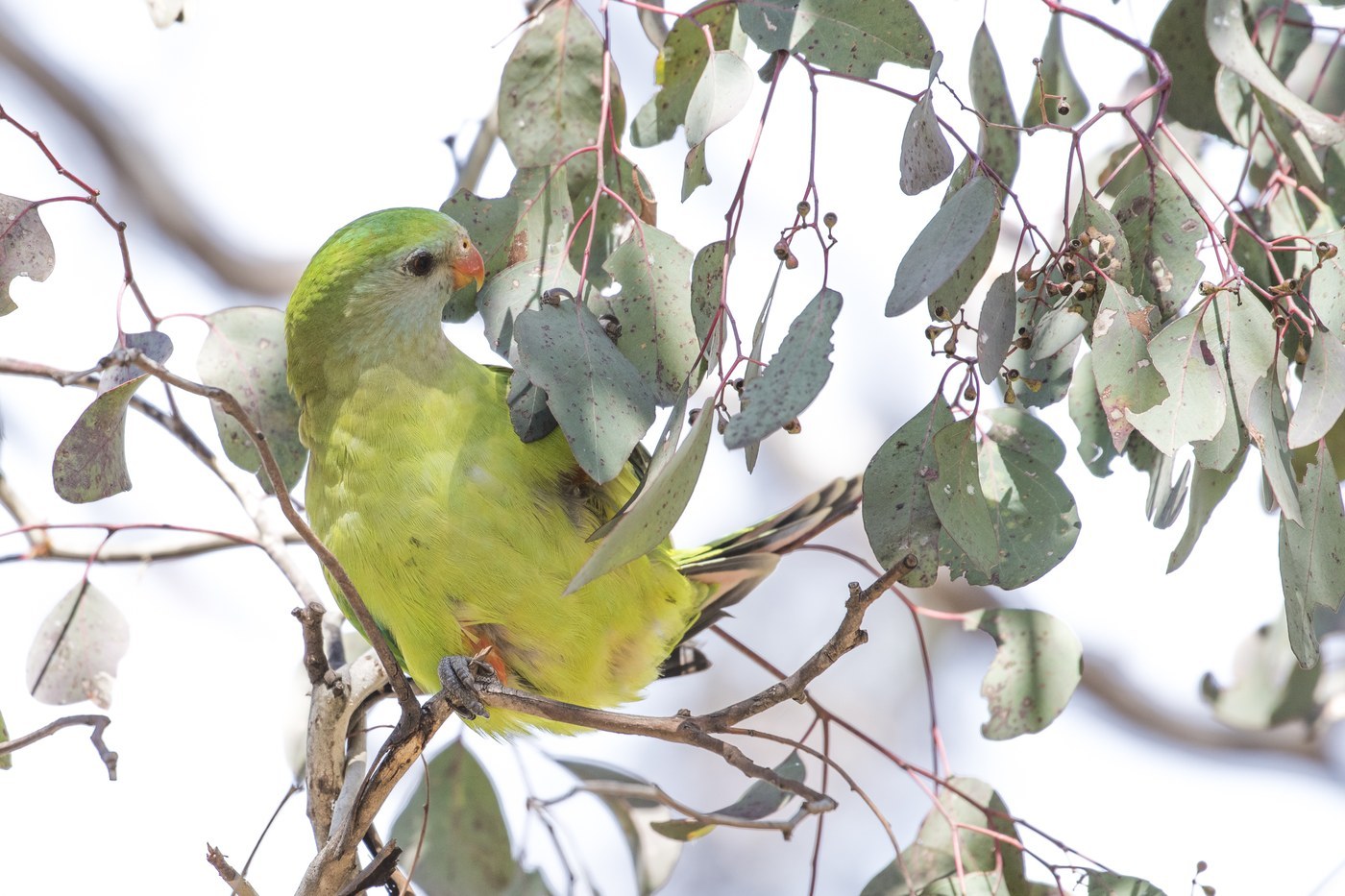
Superb Parrot
Sleek contour feathers with a long tapering tail

Red-shouldered Macaw
Compact body contour feathers; medium flight and tail feathers
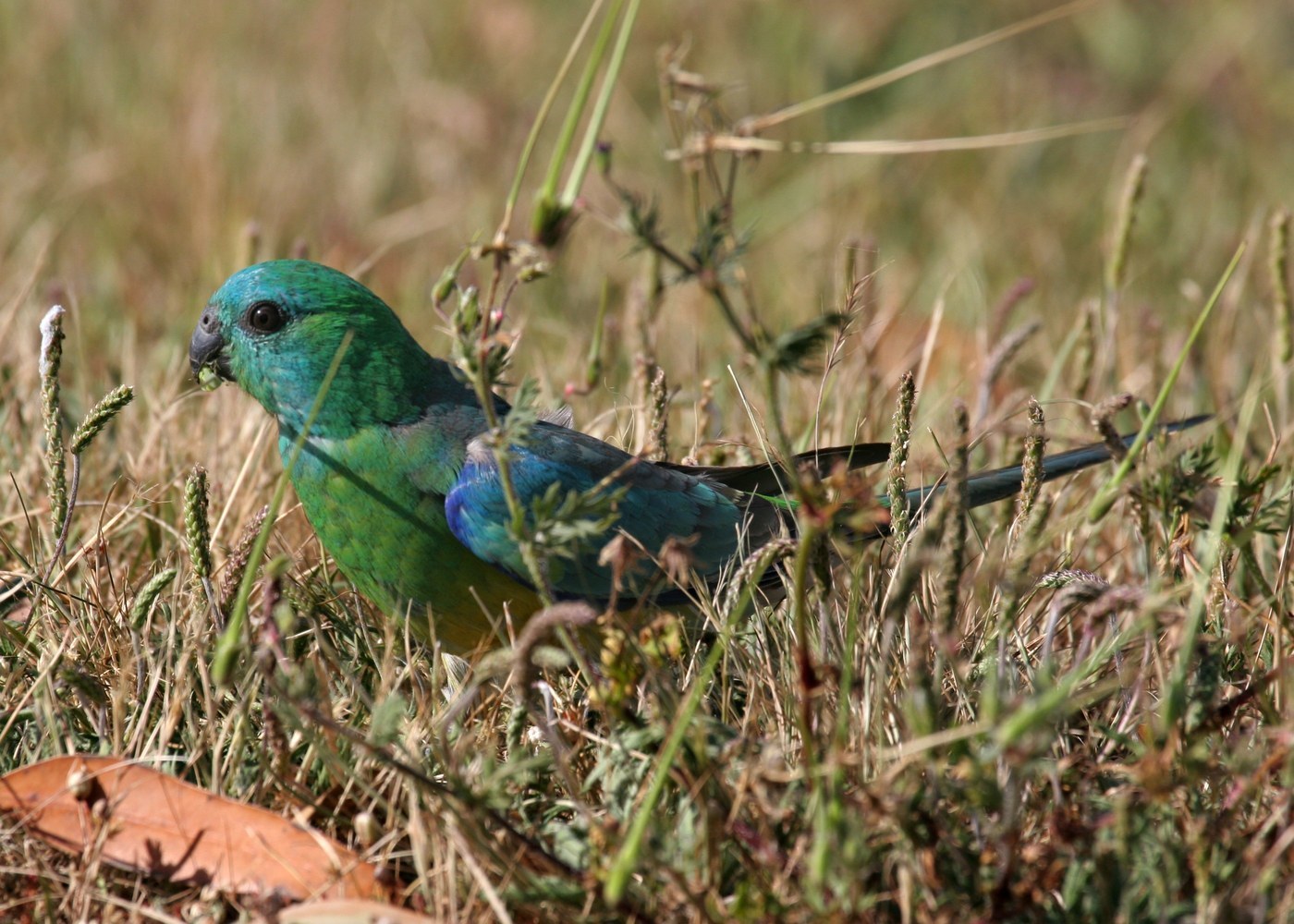
Red-rumped Parrot
Sleek contour feathers with a bright rump patch in males

White-capped Pionus
Compact contour feathers and short, squared tail feathers