

Prairie Falcon
Falco mexicanus
A pale falcon of arid western North America, best identified in flight by a distinctive dark patch on the underwing near the body, set against otherwise pale sandy-brown plumage.
- Feather type
- Long pointed wings, medium tail
- Colours
- Pale sandy-brown above, dark axillary underwing patch
- Bird size
- Medium falcon, ~37-47 cm
Found a feather like this?
Identify any feather from a photo, free.
Overview
The Prairie Falcon is a raptor of arid grassland, sagebrush steppe, and canyon country across western North America, filling a role similar to Peregrine Falcon but adapted to drier, more open habitats. Its pale coloration helps it blend into the sandy and rocky landscapes it inhabits.
Identifying the Feather
Back and covert feathers are sandy to grayish-brown with pale feather edges giving a subtly scaled appearance. A distinctive dark blackish-brown patch of underwing covert feathers near the body (the axillaries) is visible in flight and is one of the most reliable field marks for this species. The facial pattern includes a thin dark malar stripe and whitish eyebrow, fainter than the bold moustache of Peregrine Falcon, and the tail is pale brown with only faint banding.
Plumage & Molt
Adults are pale brown above with pale-edged feathers producing a scaled look, and whitish underparts marked with brown spotting and barring. Juveniles are more heavily streaked below and somewhat darker above than adults, gradually acquiring the paler adult pattern. Sexes are similar in plumage, though females are larger, as typical for falcons.
Habitat & Range
This falcon occupies arid grassland, sagebrush steppe, and canyon or cliff country across western North America. It is largely resident, though some individuals shift to lower elevations or move short distances seasonally in response to weather and prey availability.
Behavior & Field Notes
It hunts ground squirrels and small birds using fast, low-level pursuit flight over open terrain. Nests are built on cliff ledges, often in canyon country, and the species gives cackling calls, particularly when defending the nest site from intruders.
Frequently asked questions
What is the best flight-identification feature of Prairie Falcon?
A dark patch of underwing covert feathers near the body (the axillaries), contrasting against otherwise pale wings.
How does Prairie Falcon's facial pattern compare to Peregrine's?
It shows a thinner, fainter malar stripe than the bold black moustache typical of Peregrine Falcon.
What habitat does Prairie Falcon prefer?
Arid grassland, sagebrush steppe, and canyon or cliff country of western North America.
What does it hunt?
Mainly ground squirrels and small birds, taken in fast, low-level pursuit flight.
Prairie Falcon guides
In-depth guides for identifying and understanding Prairie Falcon.

Other feathers you may enjoy

Australian Hobby
Long, narrow pointed flight feathers; slender tail feathers

California Condor
Massive flight feathers; long broad primaries; large tail feathers

Brown Falcon
Broad, rounded flight feathers; variable-toned contour feathers
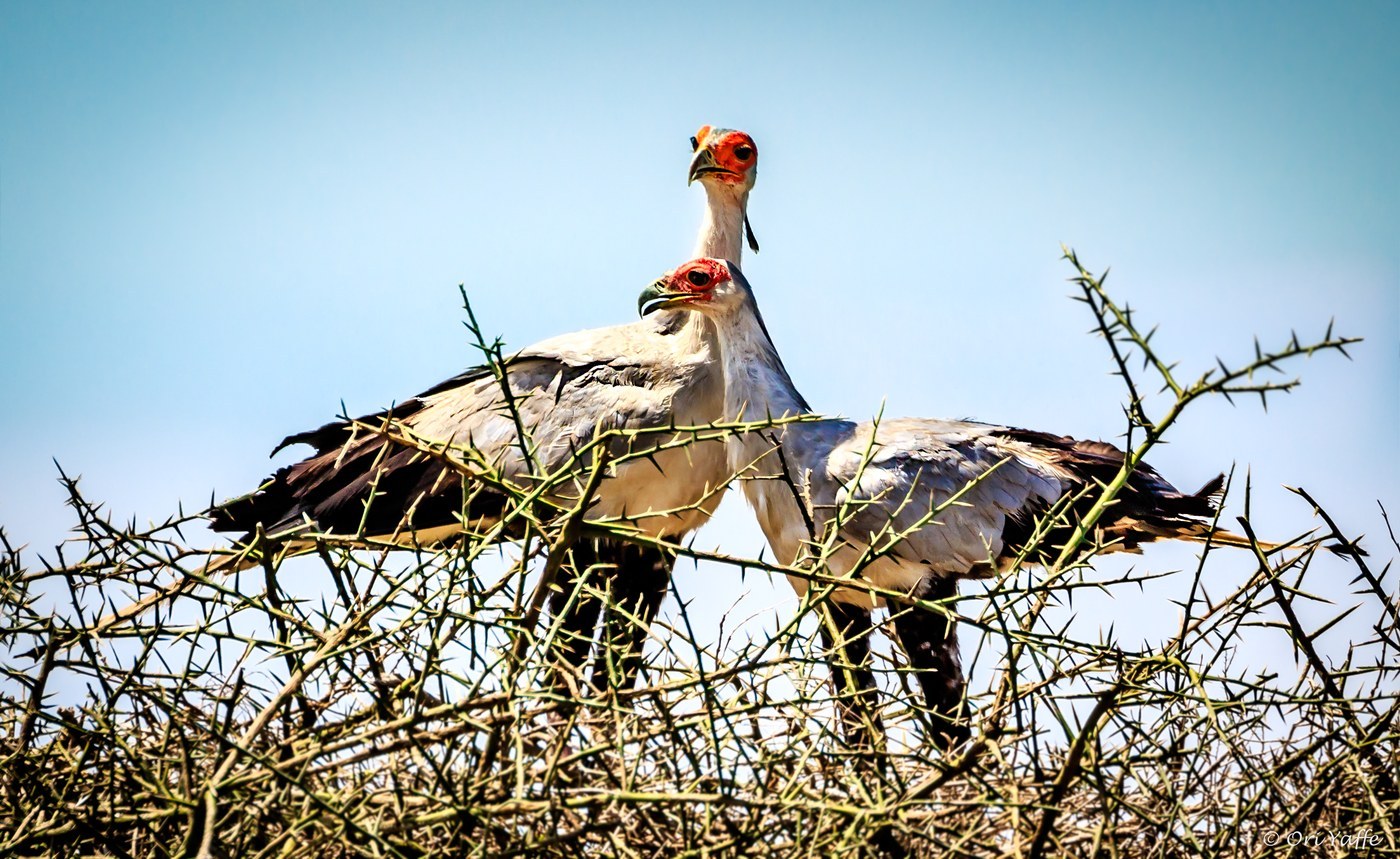
Secretarybird
Long crest feathers; broad flight feathers; elongated central tail feathers

Orange-breasted Falcon
Broad-based pointed flight feathers; bold breast and belly feathers
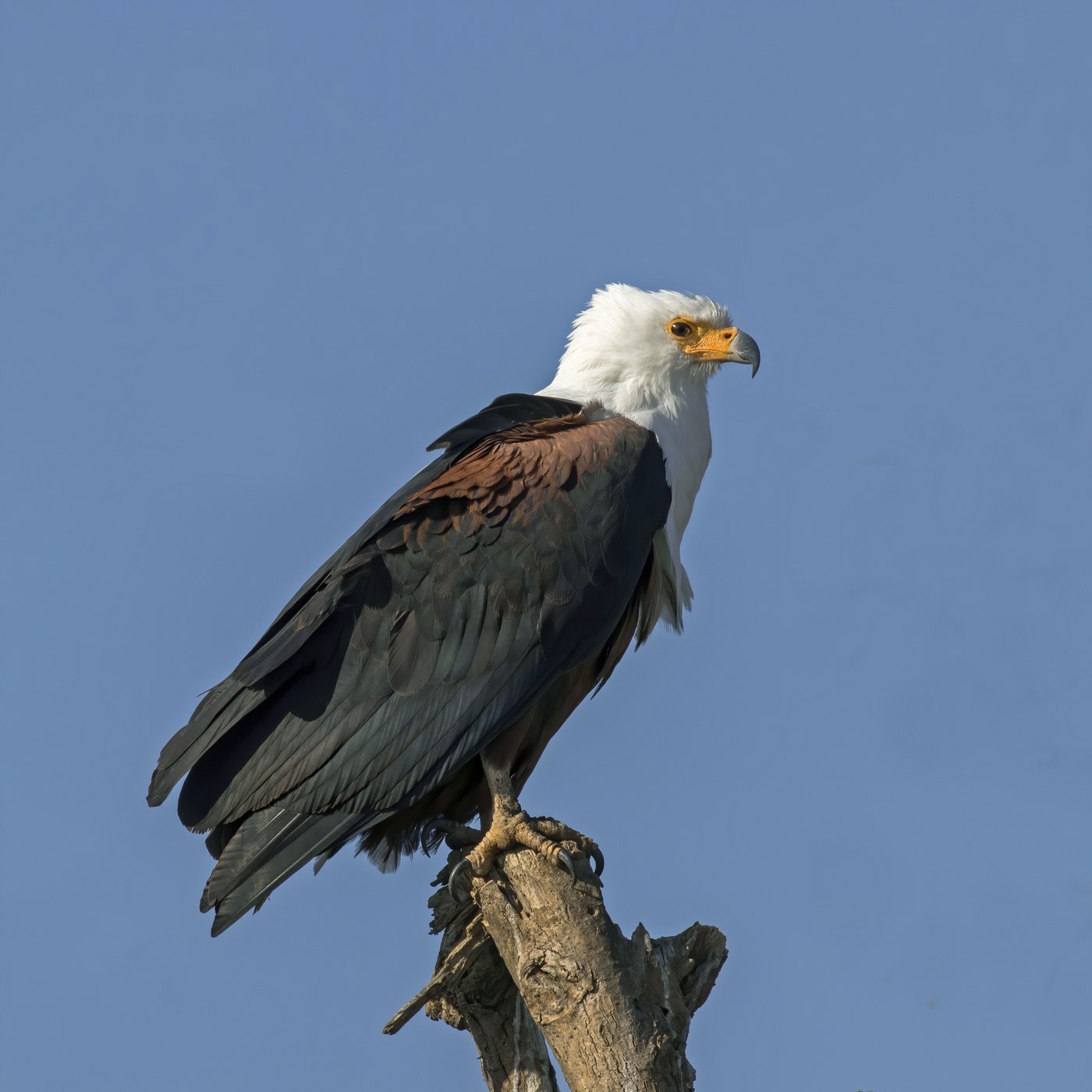
African Fish Eagle
Flight, tail, and body feathers

Amur Falcon
Slender pointed flight feathers; soft slate or orange-buff contour feathers
Red Kite
Flight (wing) and tail feathers
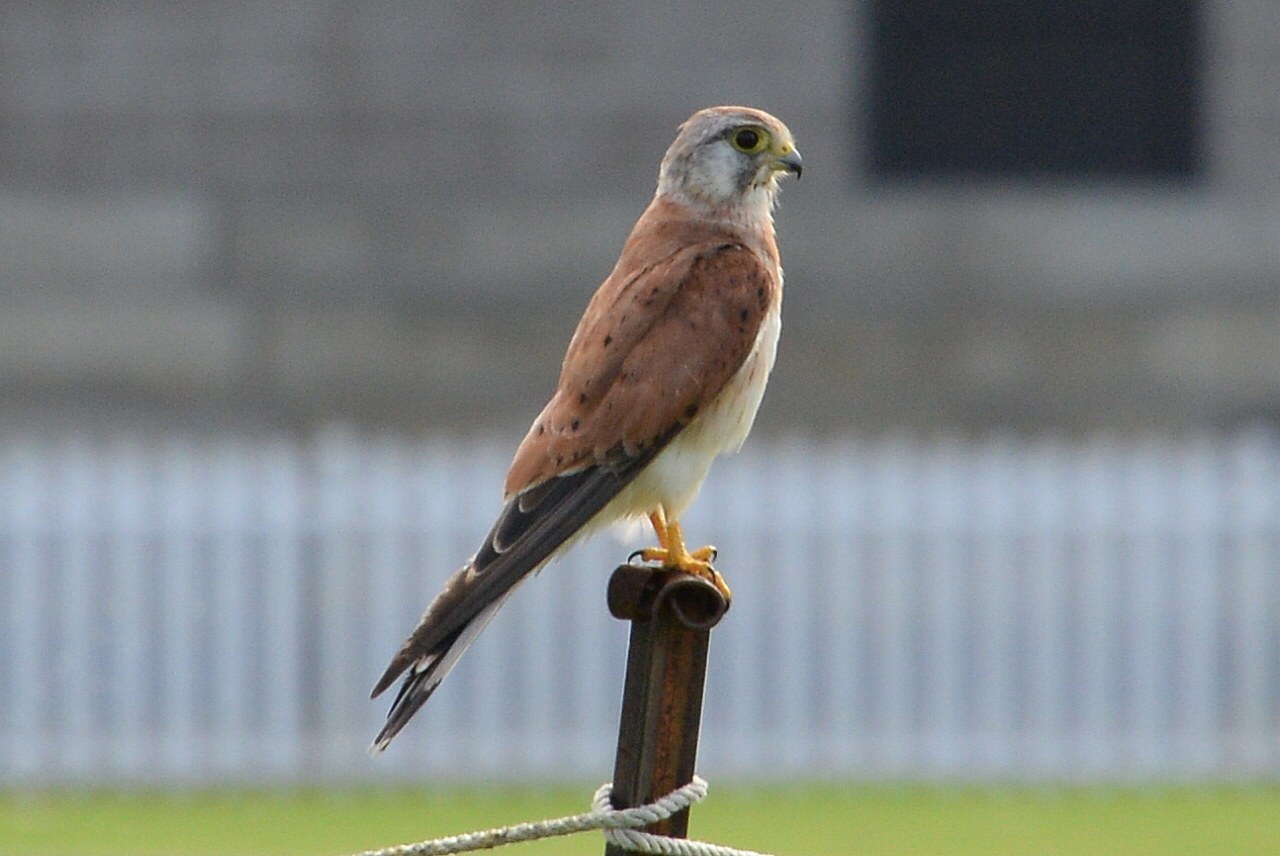
Nankeen Kestrel
Slim pointed flight feathers; lightly marked contour feathers

Andean Condor
Massive flight feathers; broad primaries and secondaries; sturdy tail feathers

Plumbeous Forest Falcon
Short rounded flight feathers; finely barred tail feathers

Sooty Falcon
Long pointed flight feathers; slim tail feathers