
Pied Wagtail
Motacilla alba
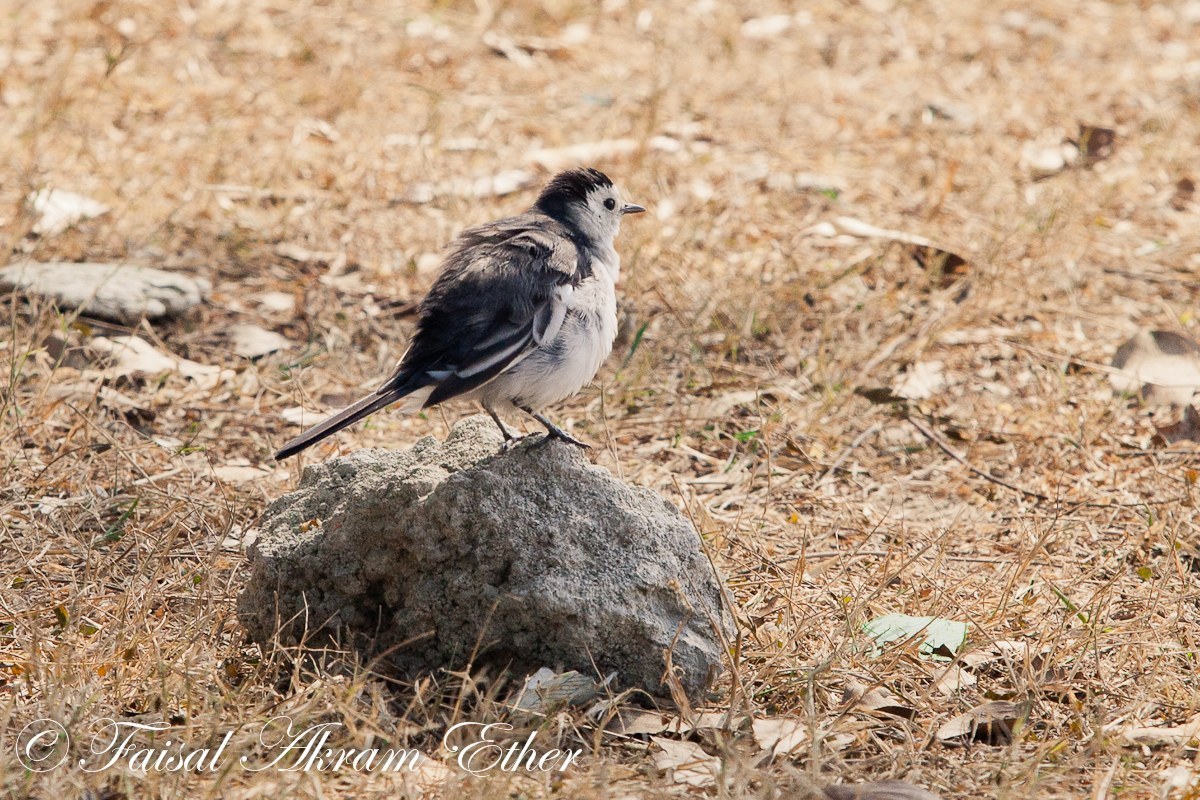
The Pied Wagtail is a slender black-and-white songbird best known for its constantly pumping tail, with crisp black-and-white feathering that gives it a strongly contrasting, checkered appearance.
- Feather type
- Long, constantly bobbing tail feathers; slim pointed wings; crisp contour feathers
- Colours
- Black, white, and grey in bold blocks - black cap/bib, white face, grey-to-black back, white underparts
- Bird size
- Slim, ~18 cm including long tail
Found a feather like this?
Identify any feather from a photo, free.
Overview
The Pied Wagtail is the black-backed British and Irish form of the White Wagtail, a slim, long-tailed songbird familiar from car parks, farmland, and riversides.
Its bold black, white, and grey plumage make individual feathers easy to place by color alone, especially the long tail feathers with white outer edges.
The species is a familiar sight walking briskly across open ground, tail bobbing constantly, making it one of the more recognizable songbirds by both behavior and feather.
Identifying the Feather
Size & Shape
- Tail feathers are unusually long relative to body size, with the outer pair mostly white and the central feathers black.
- Wing feathers are slim and pointed, built for agile, fluttering flight.
Color & Pattern
- Crown and back feathers: black cap and bib in breeding males, blending to dark grey on the back; females and winter birds show grey backs with less black.
- Face feathers are white, framing the black cap and bib.
- Underparts are white with a black breast band/bib.
- Outer tail feathers are white with black inner edges, a strong field mark even on isolated feathers.
Similar Species
- Distinguished from Grey Wagtail by the absence of yellow and by a much longer proportion of black in the tail; Grey Wagtail feathers show yellow underparts and greenish-grey backs instead.
Plumage & Molt
Overall Plumage
Bold black, white, and grey in blocks: black cap and bib, white face and underparts, grey or black back depending on sex/season.
Sex & Age Differences
Breeding males show the blackest backs and most extensive black bibs; females and non-breeding males have greyer backs and reduced black on the throat. Juveniles are duller grey-brown with less defined black-and-white contrast.
Molt
Adults undergo a complete molt after breeding in late summer, with a partial molt in late winter/spring that sharpens the black-and-white breeding pattern in males; juveniles have a partial post-juvenile molt.
Habitat & Range
Habitat
Open ground including farmland, riversides, car parks, rooftops, and urban plazas, usually near short grass or hard standing.
Range
The Pied Wagtail form breeds mainly in Britain and Ireland; the wider White Wagtail species breeds across most of Europe and Asia.
Movements
Partially migratory; many British birds are resident or short-distance migrants, while continental White Wagtails winter further south into Africa.
Behavior & Field Notes
Behavior
Walks and runs briskly on the ground, tail pumping constantly, making short flycatching sallies after insects.
Diet
Feeds on small insects caught on the ground or in short aerial sallies, often near water or livestock.
Nesting
Builds a cup nest in a wall crevice, building ledge, or among tree roots, often close to human structures.
Voice
A sharp, bouncing 'chizzick' flight call.
Field Notes
Feathers found on hard standing, car parks, or riverside paths with strong black-white contrast and little to no yellow are typically Pied Wagtail rather than Grey or Yellow Wagtail.
Frequently asked questions
How do I tell a Pied Wagtail feather from a Grey Wagtail feather?
Pied Wagtail feathers are black, white, and grey with no yellow; Grey Wagtail feathers show yellow underparts and a greenish-grey back.
Why are Pied Wagtail tail feathers so long?
The long tail supports the bird's constant tail-pumping behavior used for balance while foraging on the ground.
Is the Pied Wagtail the same species as the White Wagtail?
It is the black-backed British and Irish subspecies of the White Wagtail complex.
Where would I likely find a Pied Wagtail feather?
On open ground such as car parks, farmland, rooftops, or riverside paths.
Pied Wagtail guides
In-depth guides for identifying and understanding Pied Wagtail.
Other feathers you may enjoy

Yellow-breasted Bunting
Contour and flight feathers, chestnut-and-yellow breeding pattern
Sedge Wren
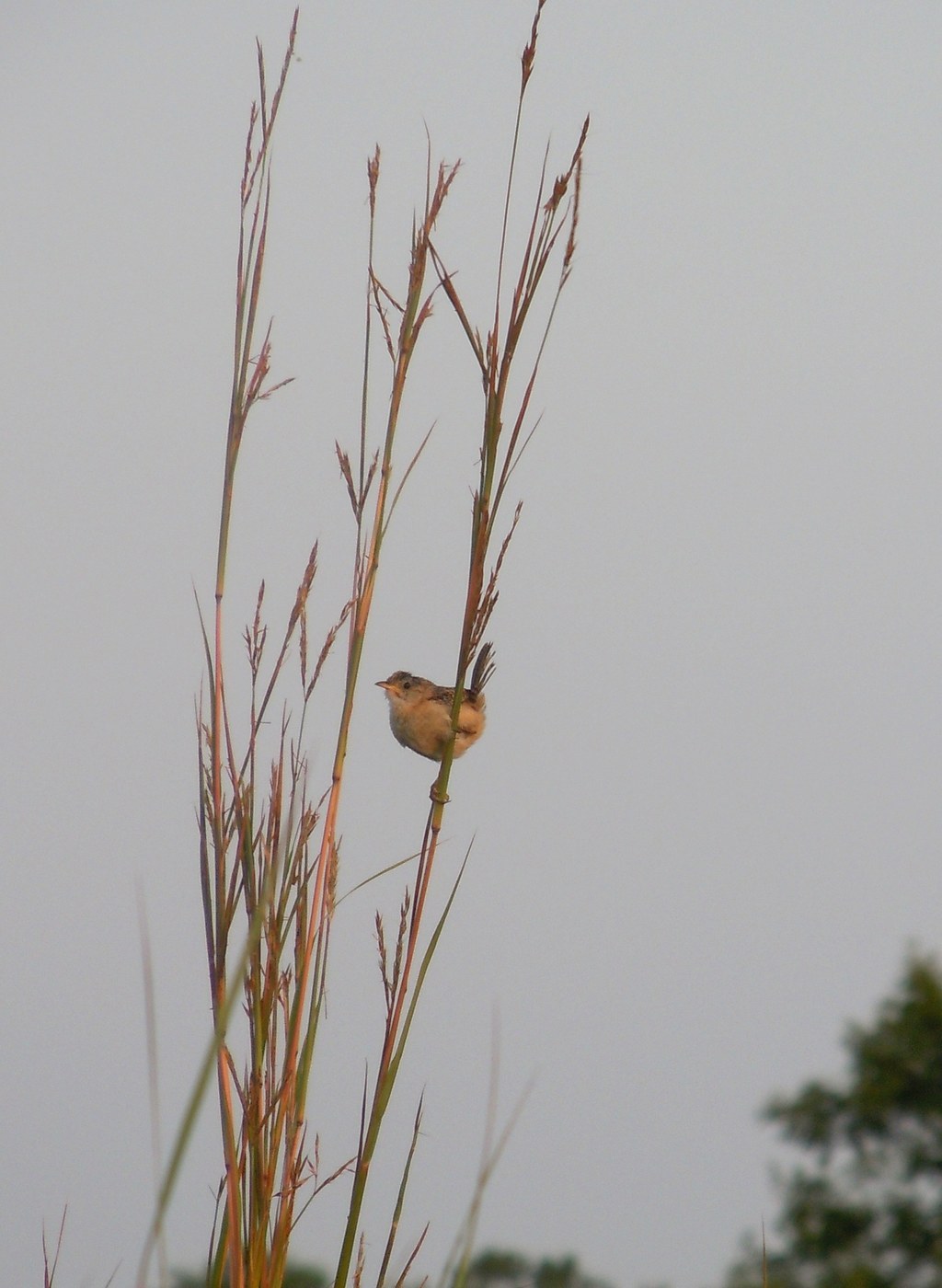
Tiny streaked crown and back feathers

Yellow-winged Cacique
Glossy black body feathers, yellow wing patch, shaggy crest

Yellow Warbler
Small contour and flight feathers
Yellow-throated Warbler
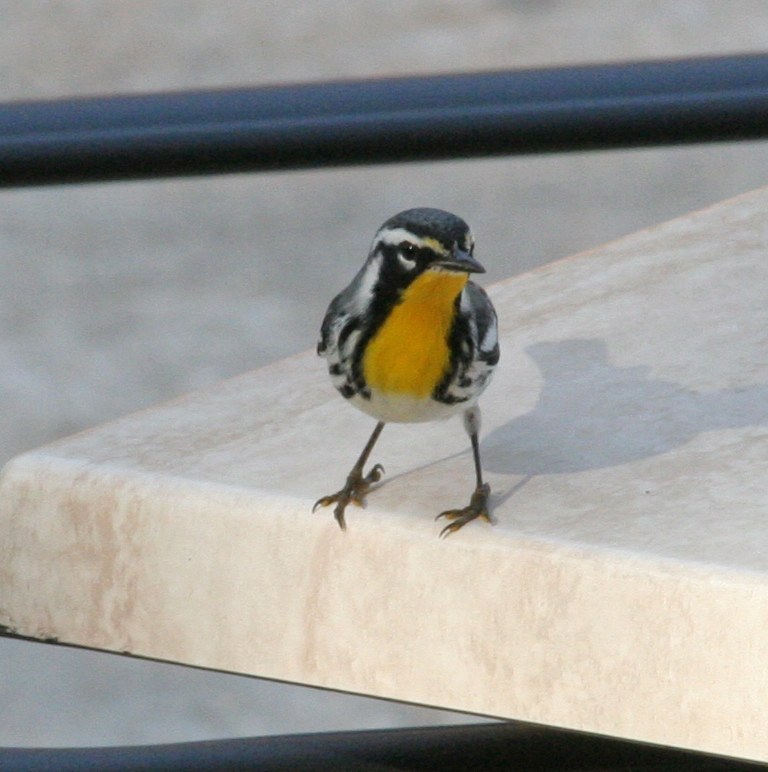
Small contour and flight feathers
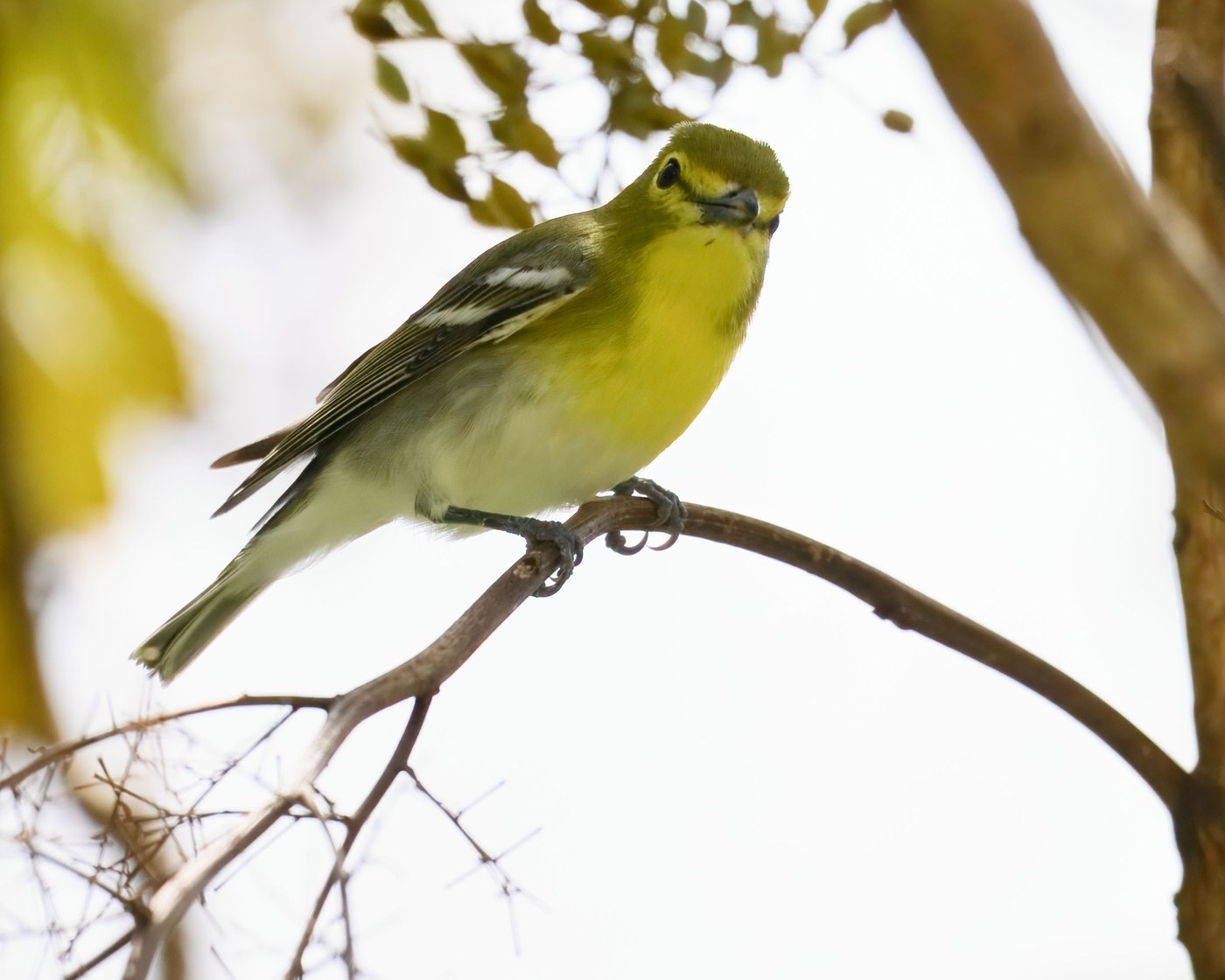
Yellow-throated Vireo
Bright yellow throat and spectacle feathers; olive-green back feathers; two white wing-bar feathers

Yellow-rumped Warbler
Small contour and flight feathers
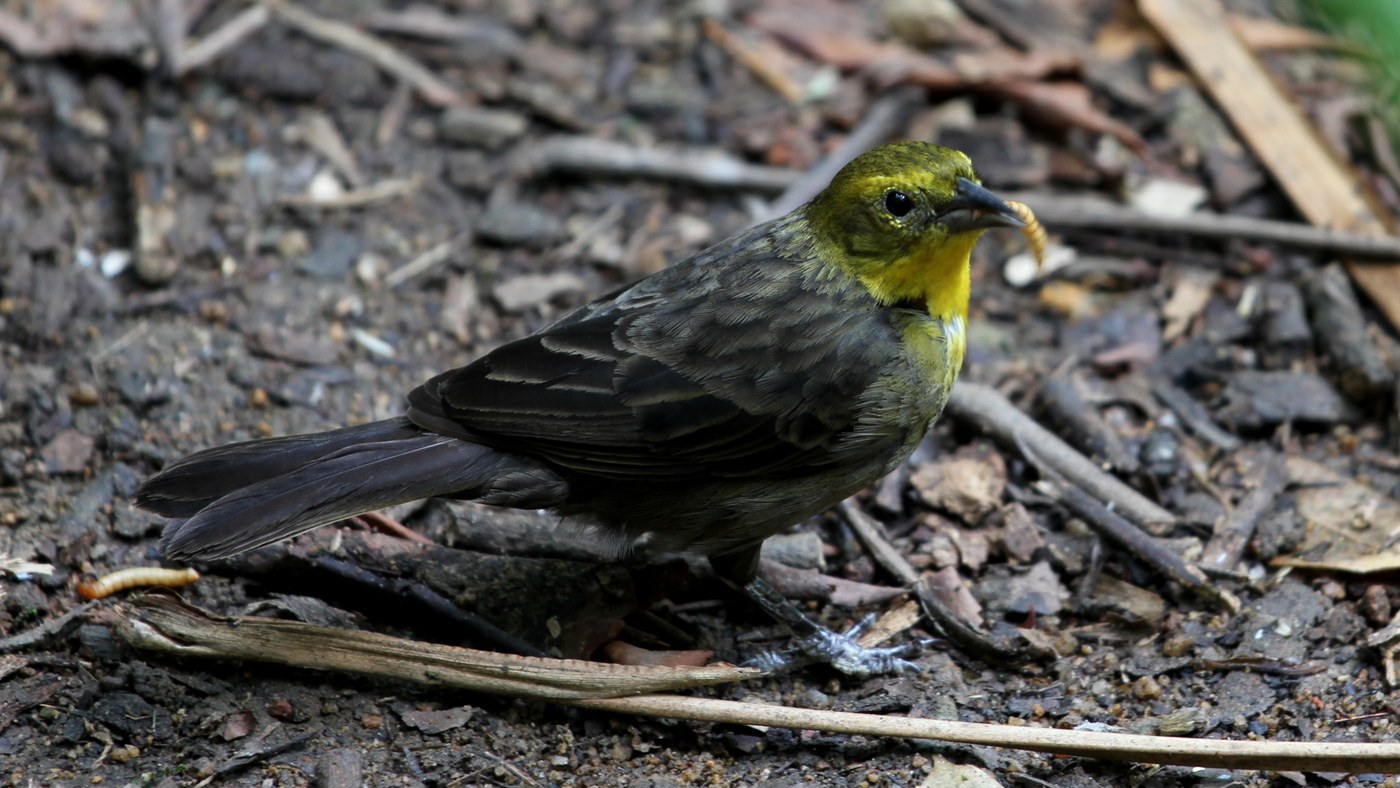
Yellow-hooded Blackbird
Contrasting hood and body feathers
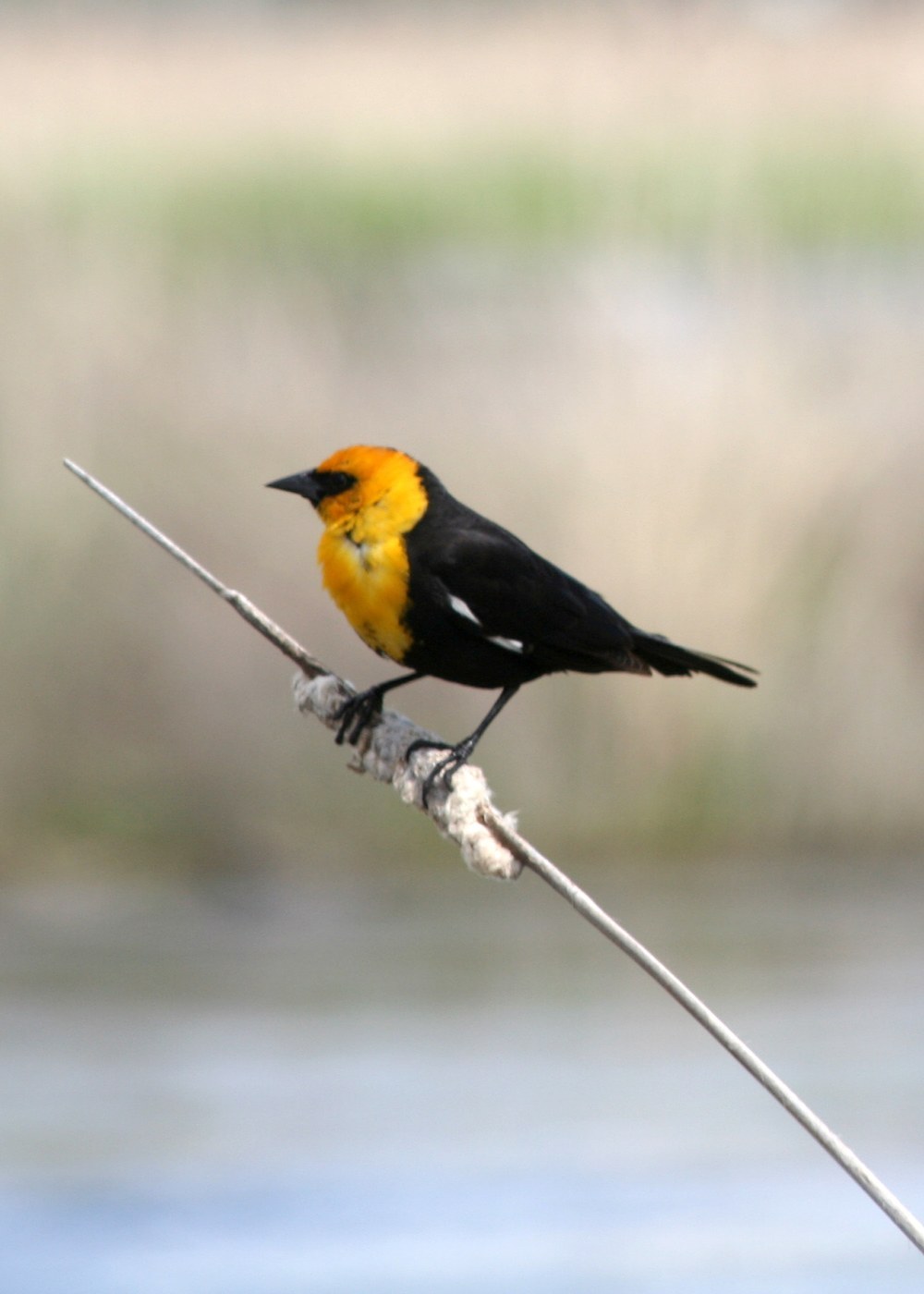
Yellow-headed Blackbird
Glossy black body plumage with a bright yellow head and breast

Yellow-eyed Junco
Contour and flight feathers

Yellow-fronted Canary
Small, smooth body plumage

Yellow-breasted Greenfinch
Compact, smooth body plumage