
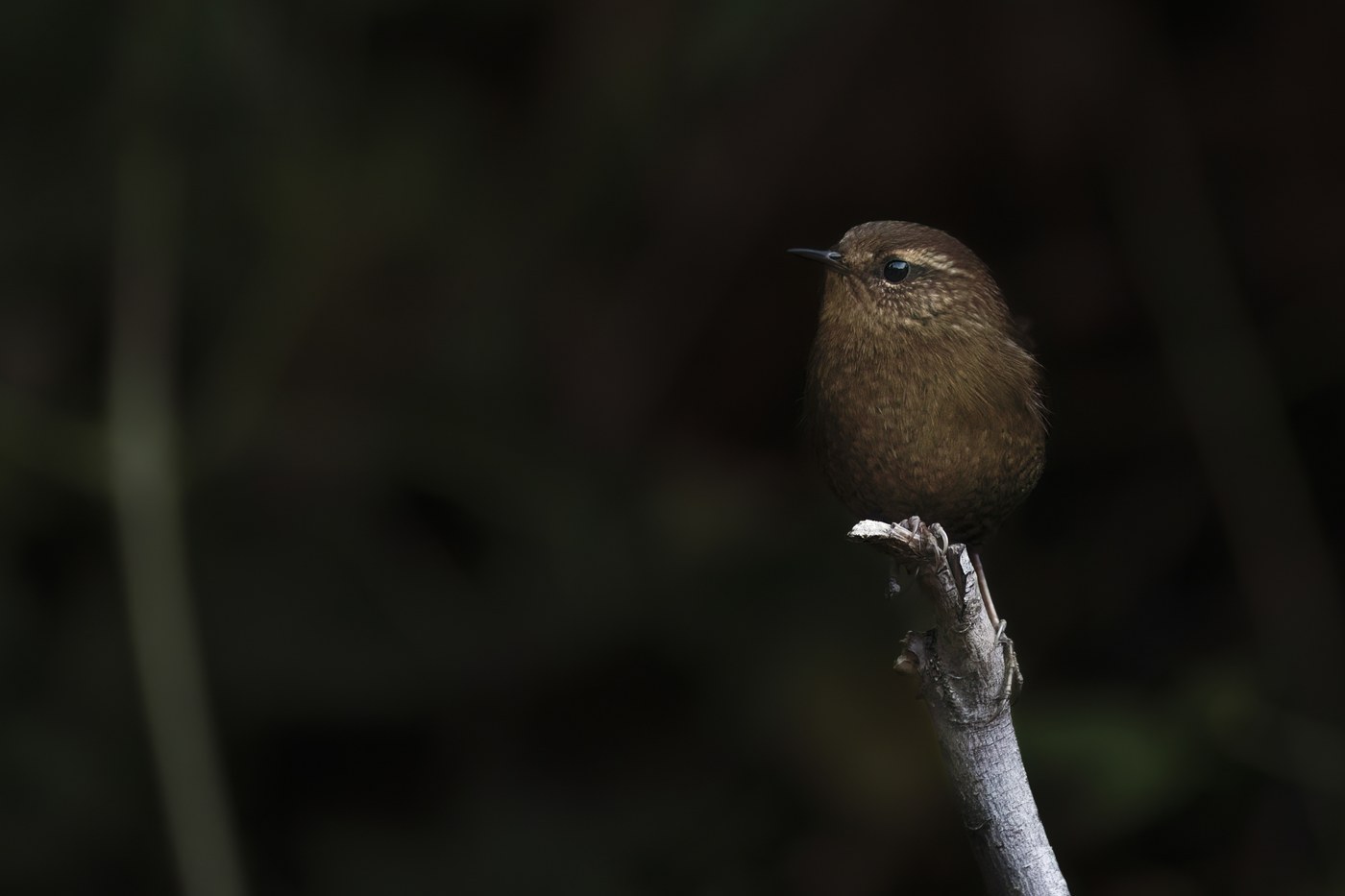
Pacific Wren
Troglodytes pacificus
A tiny, dark rufous-brown wren of western old-growth forest understory, nearly identical to the Winter Wren but distinguished mainly by range and its distinctly different song.
- Feather type
- Tiny, dense body feathers with fine barring throughout
- Colours
- Dark rufous-brown overall with fine dusky barring on wings, flanks, and tail
- Bird size
- Very small, ~9-10 cm
Found a feather like this?
Identify any feather from a photo, free.
Overview
The Pacific Wren inhabits dense, moist coniferous forest understory along the Pacific coast and interior mountain ranges of western North America. Formerly considered the same species as the Winter Wren, it was split based largely on vocal differences, since the two are extremely similar in plumage and structure.
Identifying the Feather
- Body feathers: Dark rufous-brown overall, often appearing slightly darker and richer than the Winter Wren, with fine dusky barring on the wings, flanks, and short cocked tail.
- Shape: Tiny and rounded with a short tail, typically held upright.
- Bill: Thin and slightly downcurved for probing into crevices and debris.
- Compared to similar species: Virtually identical to the Winter Wren in plumage; identification is most reliably based on range and song rather than subtle color differences alone.
Plumage & Molt
Sexes are alike, both showing dark rufous-brown plumage with fine dusky barring throughout the wings, flanks, and tail. Juveniles are duller and less distinctly marked until their first molt. A single complete molt after breeding renews the plumage annually, with little seasonal variation in appearance.
Habitat & Range
Pacific Wrens breed in dense, moist coniferous forest, particularly old-growth stands with abundant fallen logs and root tangles, from Alaska south through the Pacific coast states and into parts of the Rocky Mountains. Many populations are largely resident, especially in milder coastal areas, though some interior and northern populations move to lower elevations or shorter distances south in winter.
Behavior & Field Notes
This wren forages close to the ground, probing crevices in logs, root masses, and leaf litter for small invertebrates, often moving furtively through dense understory. Its song is an extremely long, rapid, and musically intricate series of trills and warbles, differing in structure and cadence from the closely related Winter Wren's song. Nests are domed structures built into root tangles, stumps, or cavities near the forest floor. Its association with old-growth and mature forest makes it a useful indicator species of intact western forest habitat.
Frequently asked questions
How is the Pacific Wren distinguished from the Winter Wren?
The two species look nearly identical; they are best separated by range (Pacific Wren occurs in the west) and by clear differences in their songs.
What does Pacific Wren plumage look like?
It shows dark rufous-brown plumage overall with fine dusky barring on the wings, flanks, and short tail.
What forest type does this species favor?
It favors dense, moist coniferous forest, especially old-growth stands with abundant logs and root tangles.
Is the Pacific Wren migratory?
Coastal populations tend to be largely resident, while some interior and northern populations move short distances or to lower elevations in winter.
Pacific Wren guides
In-depth guides for identifying and understanding Pacific Wren.
Other feathers you may enjoy

Yellow-breasted Bunting
Contour and flight feathers, chestnut-and-yellow breeding pattern
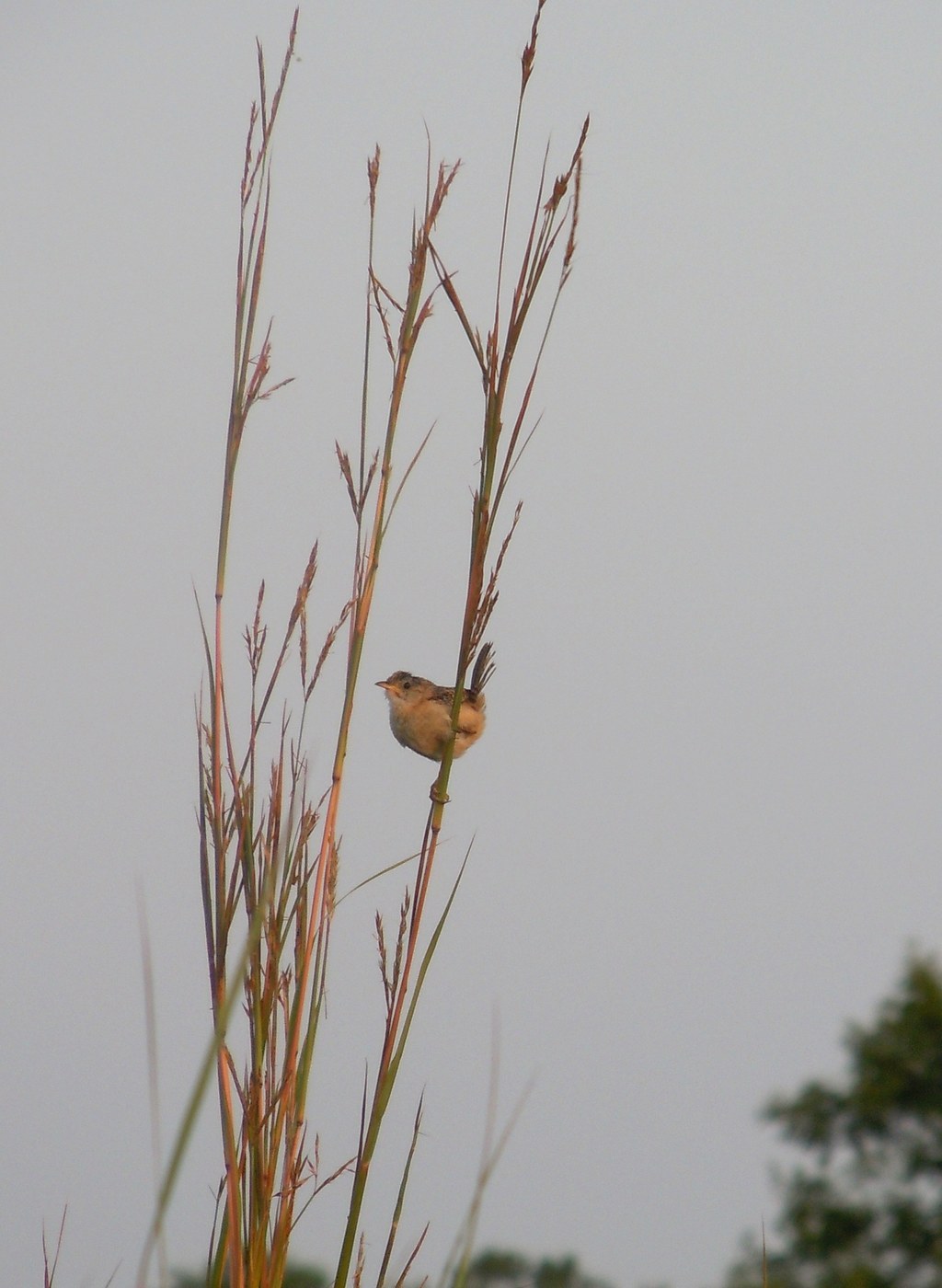
Sedge Wren
Tiny streaked crown and back feathers

Yellow-winged Cacique
Glossy black body feathers, yellow wing patch, shaggy crest

Yellow Warbler
Small contour and flight feathers
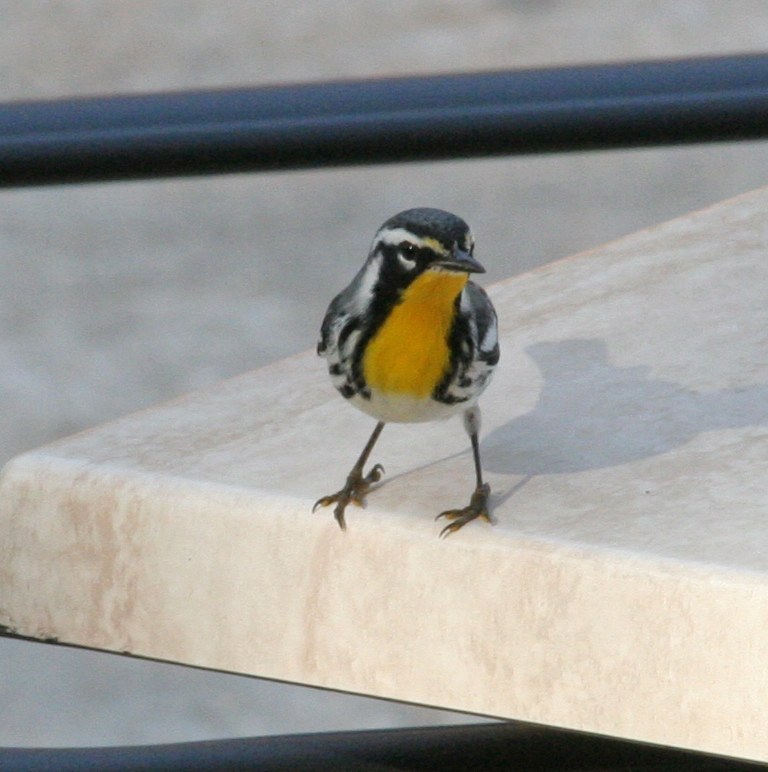
Yellow-throated Warbler
Small contour and flight feathers
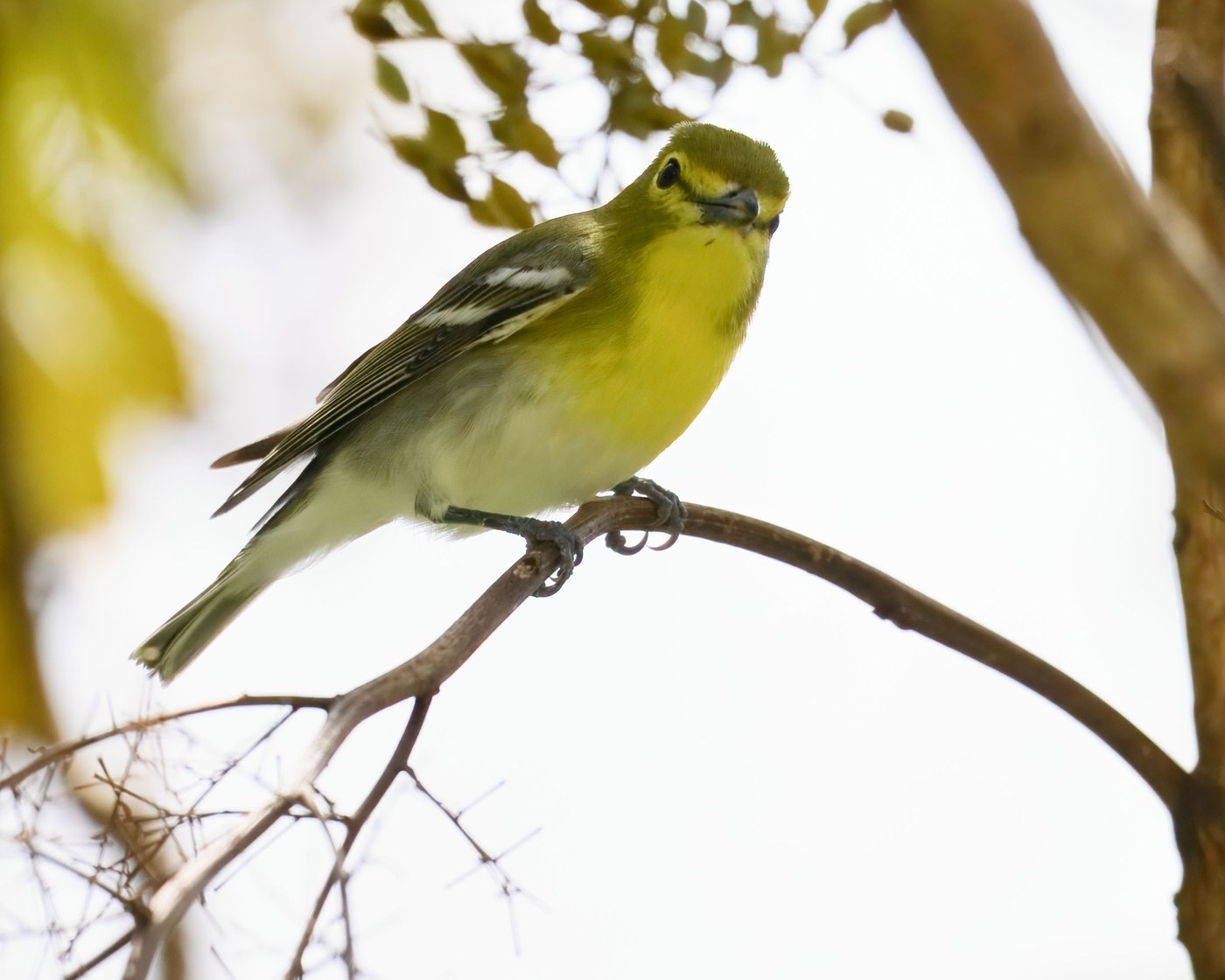
Yellow-throated Vireo
Bright yellow throat and spectacle feathers; olive-green back feathers; two white wing-bar feathers

Yellow-rumped Warbler
Small contour and flight feathers
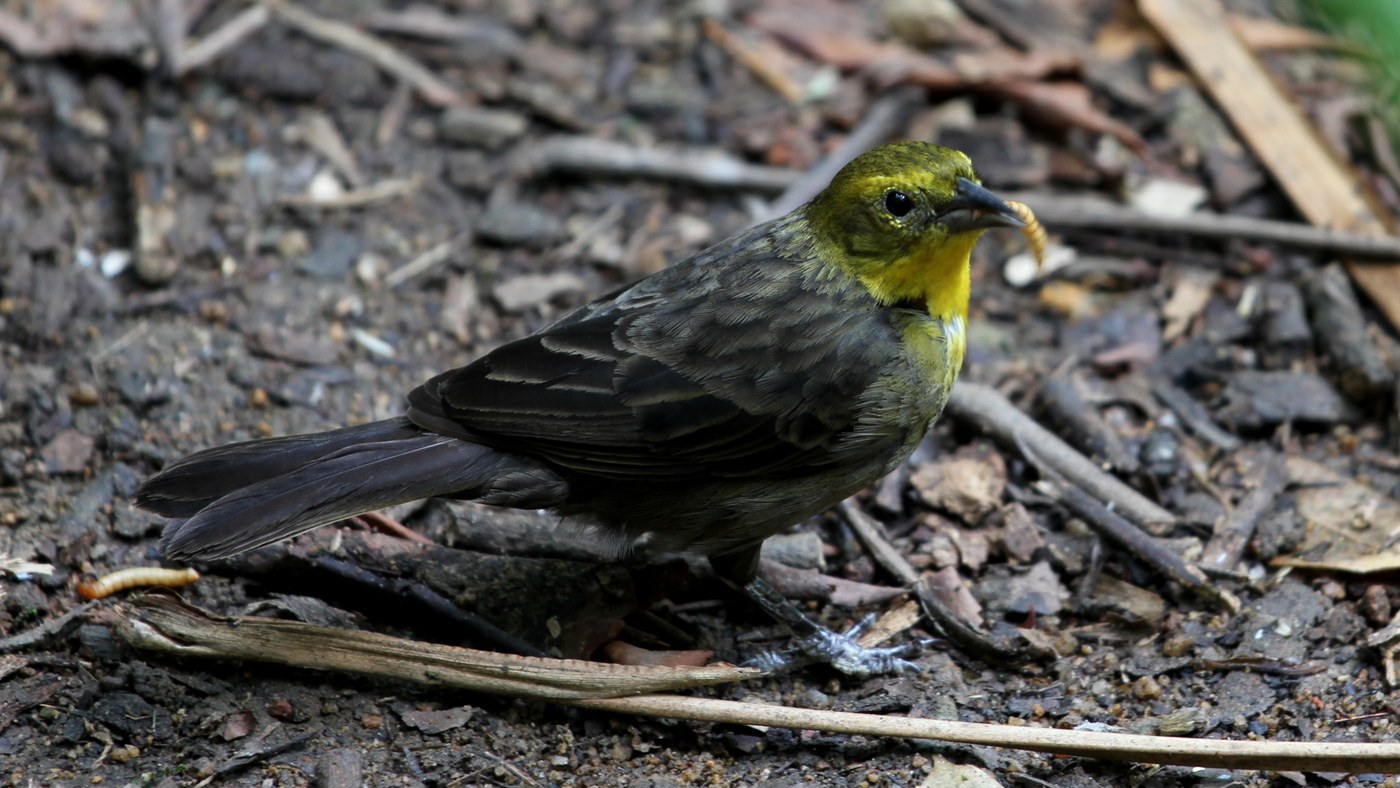
Yellow-hooded Blackbird
Contrasting hood and body feathers
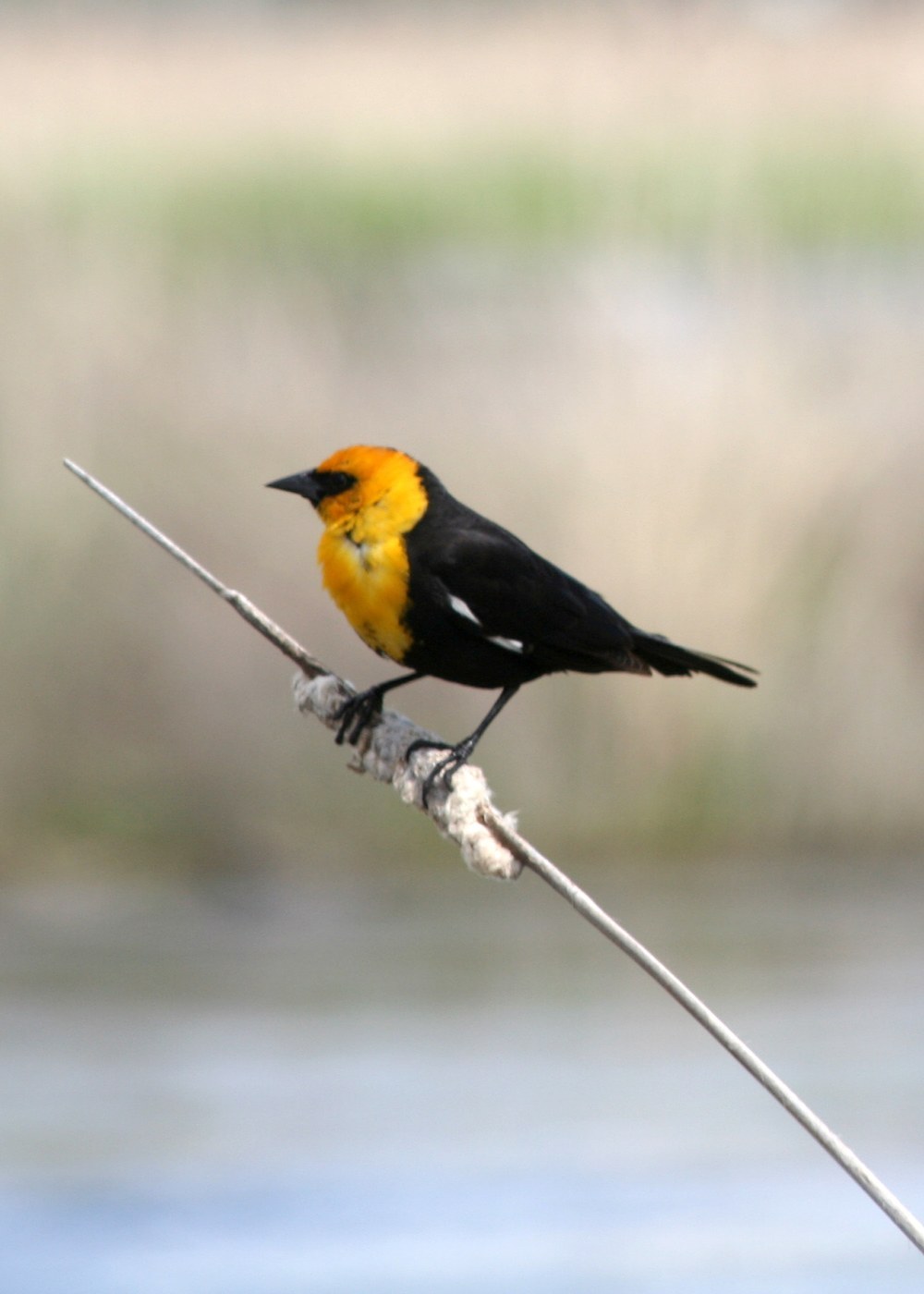
Yellow-headed Blackbird
Glossy black body plumage with a bright yellow head and breast

Yellow-eyed Junco
Contour and flight feathers

Yellow-fronted Canary
Small, smooth body plumage

Yellow-breasted Greenfinch
Compact, smooth body plumage