

Osprey
Pandion haliaetus
The Osprey is a fish-eating raptor with dark brown upperparts, a white head marked by a bold dark eye-stripe, white underparts, and long, angled wings showing a distinctive dark carpal patch and barred flight feathers.
- Feather type
- Long narrow angled wings with prominent barring on flight feathers; short banded tail; dense contour feathers
- Colours
- Dark brown upperparts; white head with a bold dark eye-stripe; white underparts; underwing feathers white with dark barring and a dark carpal patch
- Bird size
- Medium-large raptor, ~55-58 cm, wingspan around 1.5-1.7 m
Found a feather like this?
Identify any feather from a photo, free.
Overview
Osprey
The Osprey, sometimes called the Fish Hawk or Sea Hawk, is a distinctive fish-eating raptor found on every continent except Antarctica, always in close association with water. Its crisp white-and-brown plumage and long, bowed wings make it one of the more recognizable raptors along rivers, lakes, and coastlines.
Specially adapted for catching fish, it plunges feet-first into water, and its dense, slightly oily plumage helps shed water after a dive, a trait reflected in the structure of its body feathers.
Identifying the Feather
Identifying Osprey Feathers
- Primaries/secondaries: long and fairly narrow, dark brown above; from below they are whitish with bold dark barring and a conspicuous dark carpal (wrist) patch where the wing bends.
- Tail feathers: relatively short, brown with several narrow darker bands.
- Body feathers: crown and nape feathers are white with fine dark streaking; a bold dark stripe runs through the eye and down the side of the neck; breast feathers are white, sometimes with a light brown necklace band, especially in females.
- Texture: body feathers are notably dense and slightly stiff, an adaptation to the bird's habit of plunging into water.
- The combination of white head with dark eye-stripe, barred underwing, and dark carpal patch is essentially unique among raptors in most regions, making Osprey feathers relatively easy to place with confidence.
Plumage & Molt
Plumage
Adults have a white head with a broad dark stripe through the eye, dark brown upperparts, and white underparts, with females often showing a light brownish breast band or 'necklace' that males lack or show only faintly. Juveniles resemble adults but have pale, buffy fringes to the dark upperpart feathers giving a scaly look, which wears and molts away over the first year or two. Molt is gradual and can occur on both breeding and wintering grounds given the species' long migrations.
Habitat & Range
Habitat & Range
Found nearly worldwide near rivers, lakes, reservoirs, and coastlines, wherever fish are abundant near the water's surface. Many populations, particularly in North America and Europe, are long-distance migrants wintering in Central and South America, Africa, or South Asia, while some populations in warmer regions are resident.
Behavior & Field Notes
Behavior & Field Notes
Ospreys hunt by hovering or circling over water before plunging feet-first to seize fish near the surface, then carrying prey head-first in flight. Nests are large stick platforms built on trees, poles, or purpose-built platforms, often near or over water, and are reused and enlarged over many years. Its call is a series of sharp, whistled cheeps. A white feather with bold dark barring and a dark carpal patch found near a body of water is a very strong indicator of Osprey, as few other regional raptors share this exact pattern in that habitat.
Frequently asked questions
What is the easiest way to recognize an Osprey feather?
Underwing and flight feathers that are white with bold dark barring and a conspicuous dark patch at the wrist, combined with the association with water, are strong identifying clues.
Do male and female Ospreys have different feathers?
Females often show a light brownish breast band or 'necklace' of streaked feathers that males lack or show only faintly, though both sexes otherwise look similar.
How do juvenile Osprey feathers differ from adults?
Juveniles have pale buffy fringes on their dark upperpart feathers, giving a scaly appearance that is lost as the bird matures and molts over its first year or two.
Where is the best place to look for Osprey feathers?
Near rivers, lakes, reservoirs, and coastal areas, since the species is almost never found far from water where it hunts for fish.
Osprey guides
In-depth guides for identifying and understanding Osprey.

Osprey identified by the community
Real feathers identified with Feather Identifier.


Other feathers you may enjoy

Australian Hobby
Long, narrow pointed flight feathers; slender tail feathers

California Condor
Massive flight feathers; long broad primaries; large tail feathers

Brown Falcon
Broad, rounded flight feathers; variable-toned contour feathers
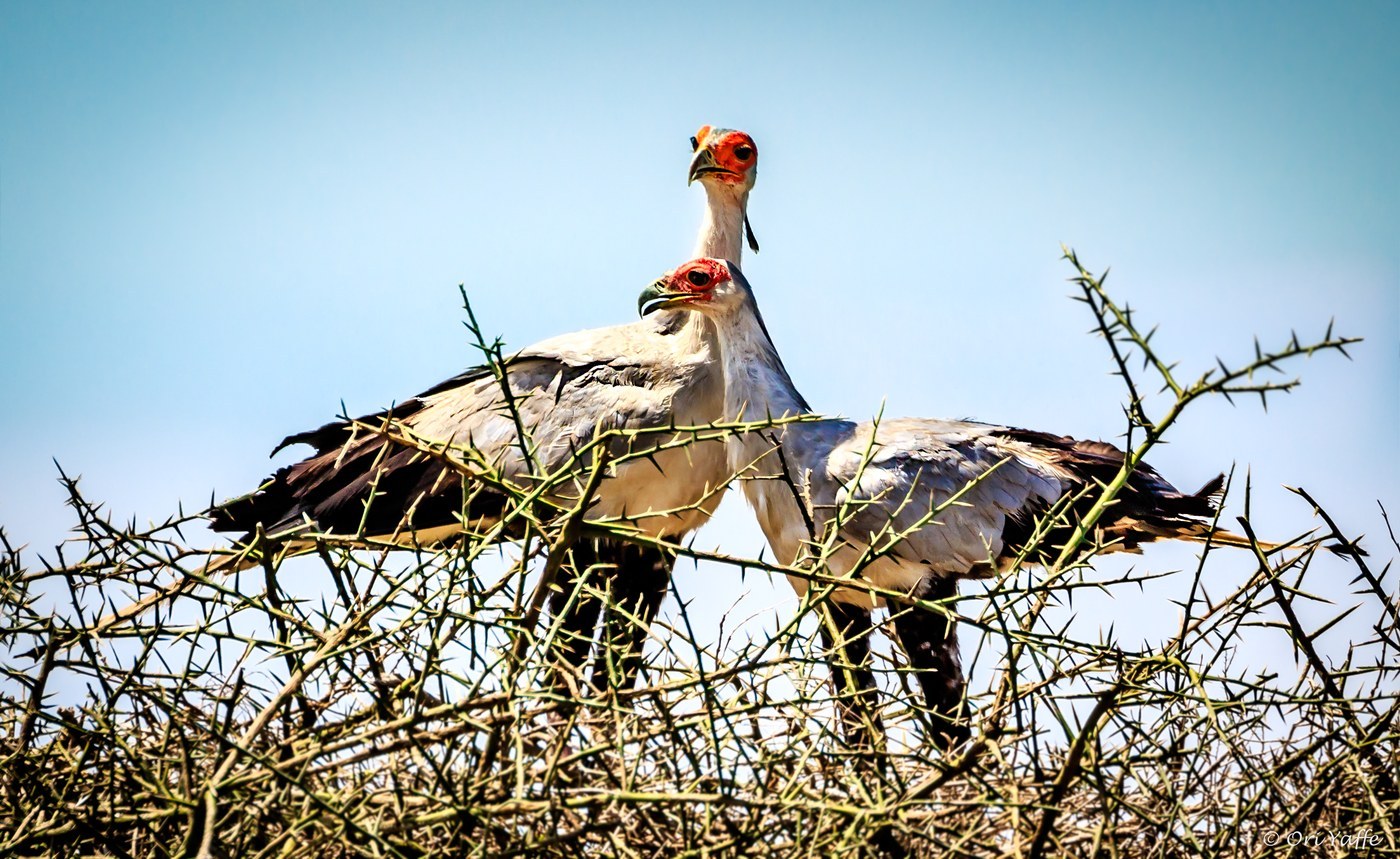
Secretarybird
Long crest feathers; broad flight feathers; elongated central tail feathers

Orange-breasted Falcon
Broad-based pointed flight feathers; bold breast and belly feathers
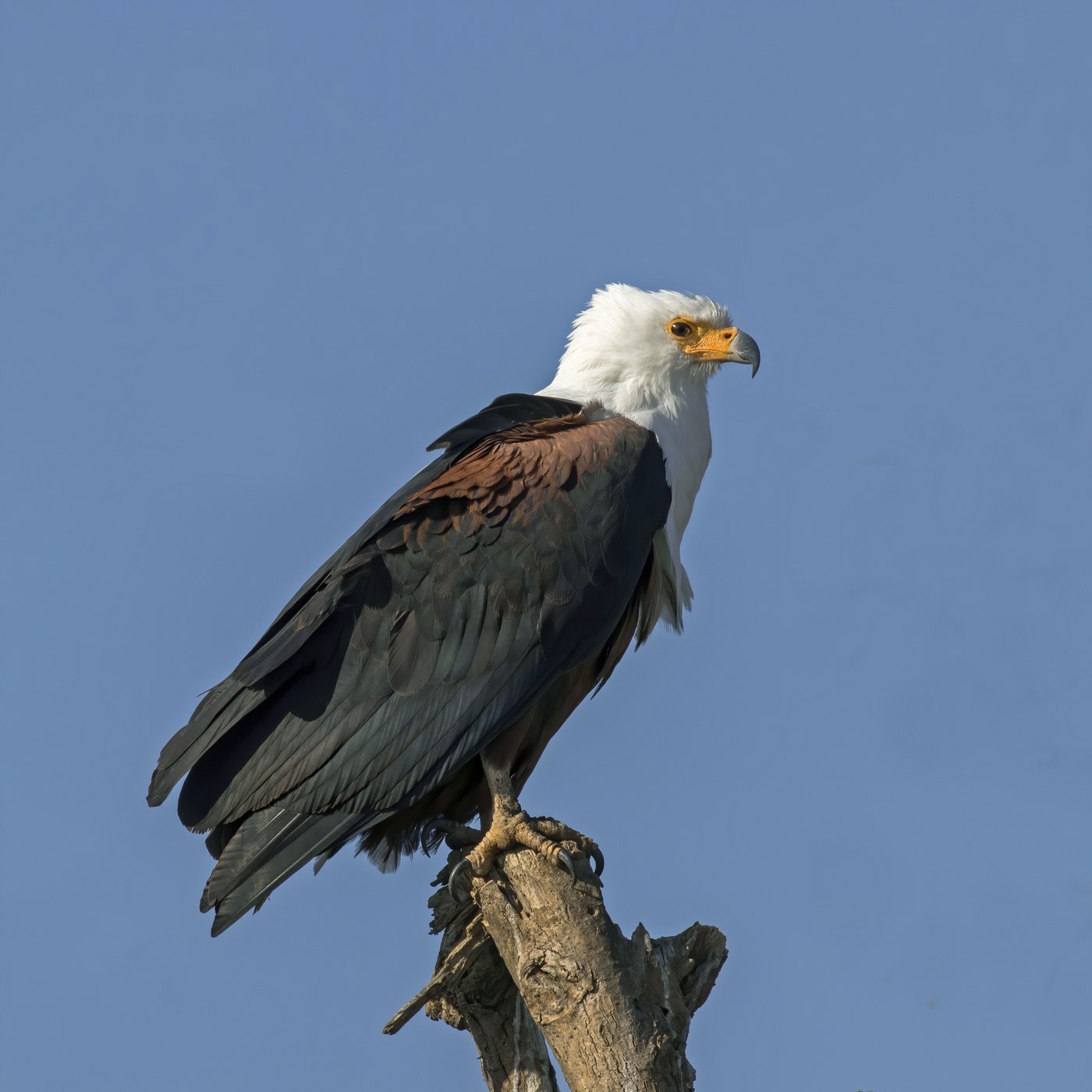
African Fish Eagle
Flight, tail, and body feathers

Amur Falcon
Slender pointed flight feathers; soft slate or orange-buff contour feathers
Red Kite
Flight (wing) and tail feathers
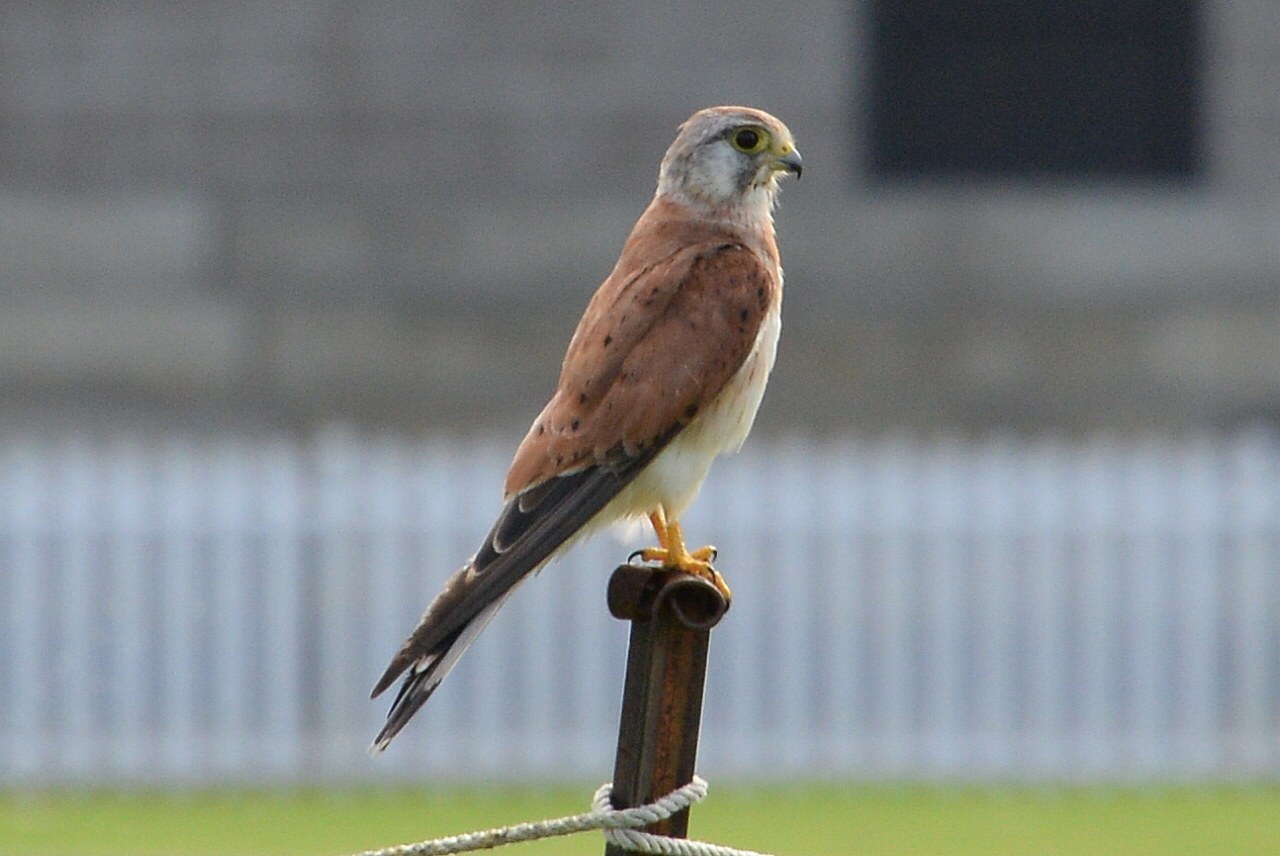
Nankeen Kestrel
Slim pointed flight feathers; lightly marked contour feathers

Andean Condor
Massive flight feathers; broad primaries and secondaries; sturdy tail feathers

Plumbeous Forest Falcon
Short rounded flight feathers; finely barred tail feathers

Sooty Falcon
Long pointed flight feathers; slim tail feathers