

Northern Harrier
Circus hudsonius
The Northern Harrier, sometimes called the Marsh Hawk, is a slim, long-winged raptor of open grassland and marsh, known for its low, tilting flight, a distinctive white rump patch in all plumages, and an owl-like facial disc that helps it hear prey in the grass.
- Feather type
- Long narrow wings held in a shallow V while gliding low; long narrow banded tail; owl-like facial disc feathers
- Colours
- Grey upperparts in males, brown streaked upperparts in females and juveniles; bold white rump patch in all plumages; rufous streaking below in females and juveniles
- Bird size
- Slim, medium-sized raptor, ~41-49 cm, wingspan around 1.0-1.2 m
Found a feather like this?
Identify any feather from a photo, free.
Overview
Northern Harrier
The Northern Harrier, also called the Marsh Hawk, is a slender, long-winged raptor of open grassland, marsh, and agricultural fields across North America, easily recognized by its low, buoyant flight with wings held in a shallow V. Males and females look strikingly different, a pronounced sexual dimorphism unusual among North American raptors.
Its owl-like facial disc, formed by stiff, sound-directing feathers around the face, reflects a hunting strategy that relies heavily on hearing prey rustling in dense grass, in addition to sight.
Identifying the Feather
Identifying Northern Harrier Feathers
- Primaries/secondaries: long and fairly narrow; pale grey in males, brown in females and juveniles, both with darker barring toward the tips.
- Tail feathers: long and narrow with several evenly spaced dark bands on a grey or brown ground.
- Rump feathers: a bold, contrasting white patch above the tail, present in males, females, and juveniles alike, one of the most reliable feather-based clues for this species.
- Facial disc feathers: short, stiff feathers arranged in a disc around the face, giving an owl-like appearance useful for sound-based hunting.
- Body feathers: males are pale grey above and white below with black wingtips; females and juveniles are brown above with buffy, streaked or rufous underparts.
- The combination of a white rump feather patch with long, narrow, banded flight and tail feathers is distinctive among open-country raptors in its range.
Plumage & Molt
Plumage
Adult males are pale grey above with black wingtips and white underparts, quite different from the brown, streaked females, which along with juveniles show warmer brown and rufous tones below. All ages and sexes share the bold white rump patch. Juveniles resemble females but often with a richer rufous wash below that fades over the first year. This sexual and age-related plumage difference is more pronounced in this species than in most other harriers.
Habitat & Range
Habitat & Range
Breeds across open grassland, prairie, and marshland in Canada and the northern United States, wintering across a broader area of open habitat including marshes, fields, and grassland further south into Mexico and Central America. Northern populations are migratory, while some southern populations are resident.
Behavior & Field Notes
Behavior & Field Notes
Northern Harriers hunt low over open ground and marsh, gliding with wings held in a shallow V and relying on both sight and hearing to detect small mammals and birds hidden in vegetation. They nest on the ground in dense grass or marsh vegetation, unusual among raptors. Calls include sharp, repeated whistles near the nest. A long, narrow banded feather along with a white rump feather found in open marsh or grassland is a strong indicator of this species.
Frequently asked questions
What is the most reliable feather clue for Northern Harrier?
The bold white rump patch, present in males, females, and juveniles alike, is one of the most consistent and reliable features for identifying this species even from a single feather from that area.
Why do male and female Northern Harrier feathers look so different?
The species shows pronounced sexual dimorphism, with pale grey males and warmer brown, streaked females and juveniles, a difference more extreme than in most other raptors.
Why does this species have an owl-like face?
Its facial disc feathers help direct sound to the ears, aiding in locating prey hidden in dense grass or marsh vegetation, a hunting adaptation shared with owls.
What habitat should I search for this species' feathers?
Open marshland, grassland, prairie, and agricultural fields, since the species avoids wooded and forested habitats almost entirely.
Northern Harrier guides
In-depth guides for identifying and understanding Northern Harrier.

Northern Harrier identified by the community
Real feathers identified with Feather Identifier.


Other feathers you may enjoy

Australian Hobby
Long, narrow pointed flight feathers; slender tail feathers

California Condor
Massive flight feathers; long broad primaries; large tail feathers

Brown Falcon
Broad, rounded flight feathers; variable-toned contour feathers
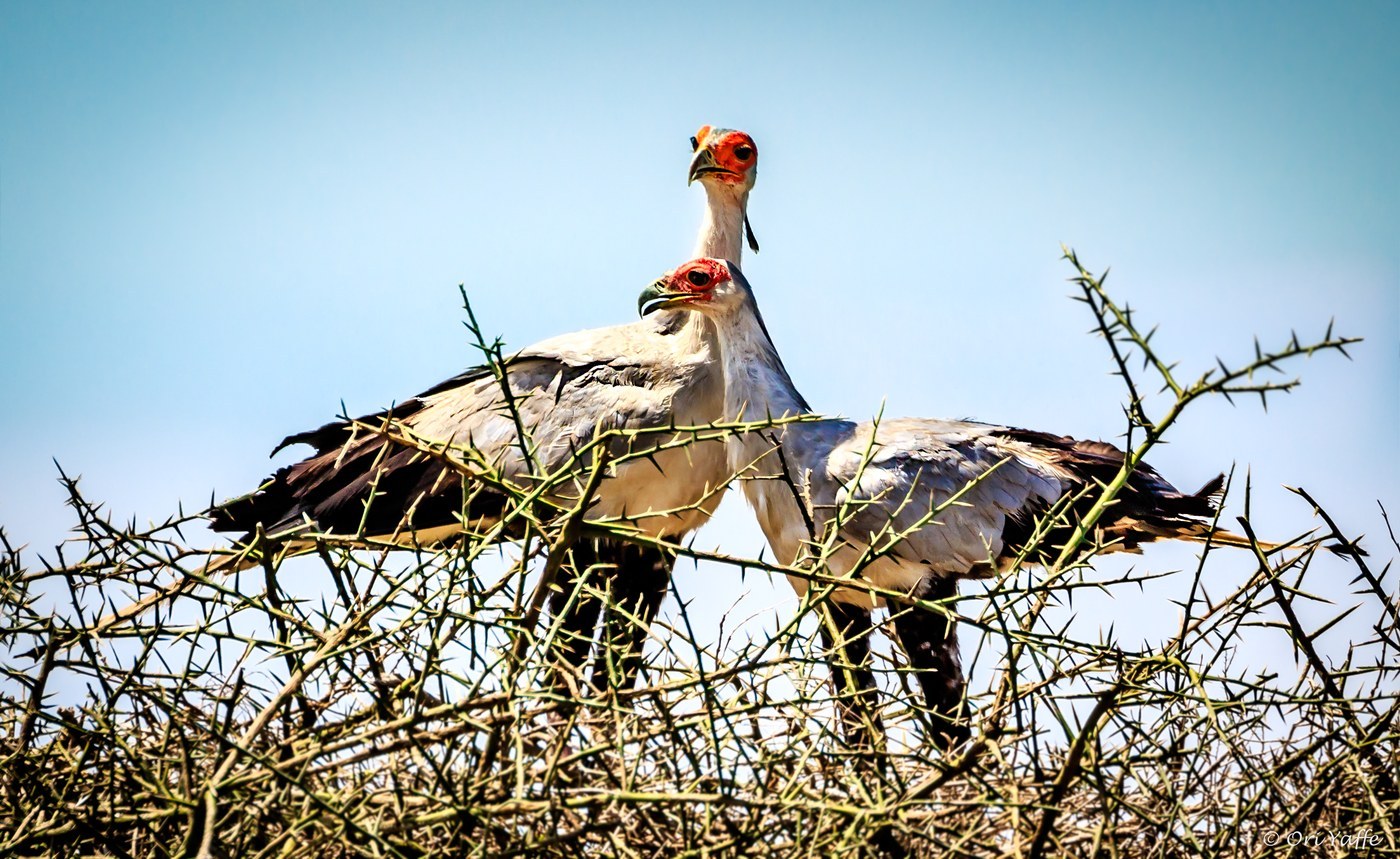
Secretarybird
Long crest feathers; broad flight feathers; elongated central tail feathers

Orange-breasted Falcon
Broad-based pointed flight feathers; bold breast and belly feathers
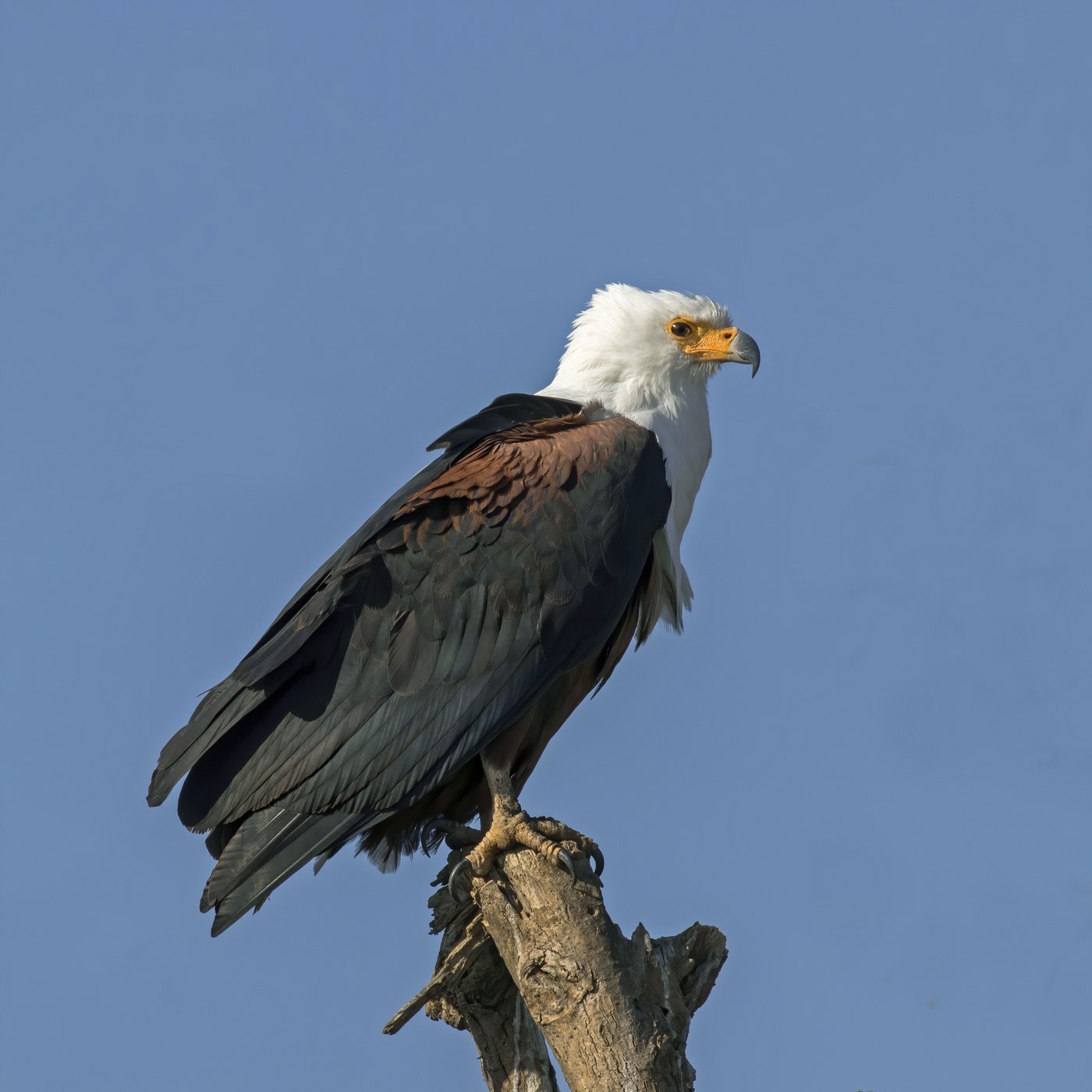
African Fish Eagle
Flight, tail, and body feathers

Amur Falcon
Slender pointed flight feathers; soft slate or orange-buff contour feathers
Red Kite
Flight (wing) and tail feathers
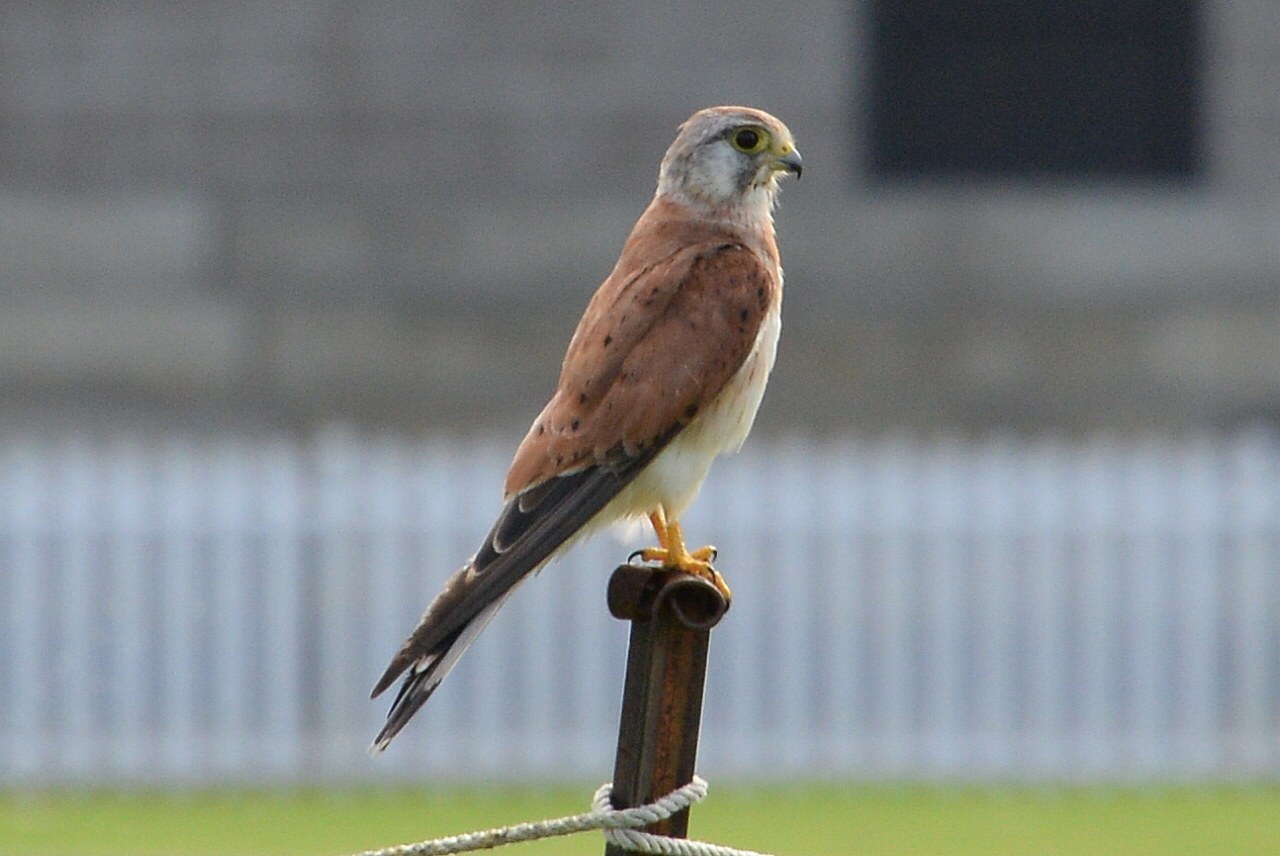
Nankeen Kestrel
Slim pointed flight feathers; lightly marked contour feathers

Andean Condor
Massive flight feathers; broad primaries and secondaries; sturdy tail feathers

Plumbeous Forest Falcon
Short rounded flight feathers; finely barred tail feathers

Sooty Falcon
Long pointed flight feathers; slim tail feathers