

Northern Goshawk
Accipiter gentilis
The Northern Goshawk is the largest accipiter, a powerful forest hawk with slate-grey upperparts, a bold white eyebrow stripe, finely barred pale underparts, and fluffy white undertail feathers, built for powerful pursuit through mature forest.
- Feather type
- Broad rounded wings relative to other accipiters; long broad tail with wavy dark banding; dense fluffy white undertail covert feathers
- Colours
- Slate-grey upperparts in adults with a bold white eyebrow stripe; fine grey barring on pale underparts; brown upperparts with heavy dark streaking in juveniles
- Bird size
- Largest North American accipiter, ~46-63 cm, wingspan around 1.0-1.3 m
Found a feather like this?
Identify any feather from a photo, free.
Overview
Northern Goshawk
The Northern Goshawk is the largest and most powerful of the accipiter hawks, a formidable forest predator found across the boreal and montane forests of North America, Europe, and Asia. Its fierce reputation and bold white eyebrow stripe over a piercing red-orange eye make it one of the more striking forest raptors.
Larger and broader-winged than its smaller relatives Cooper's and Sharp-shinned Hawk, the Goshawk still relies on the accipiter body plan of short bursts of powerful flight to pursue prey through dense mature forest.
Identifying the Feather
Identifying Northern Goshawk Feathers
- Primaries/secondaries: broad and rounded, slate-grey above in adults (brown in juveniles), finely barred pale grey below, notably larger and broader than Cooper's Hawk flight feathers.
- Tail feathers: long, broad, with wavy or irregular dark bands rather than the crisp straight banding of smaller accipiters.
- Undertail covert feathers: fluffy, white, and often conspicuously puffed out, a feature the bird displays during territorial or courtship behavior.
- Body feathers: adults are pale grey finely barred below with a bold white supercilium (eyebrow) feather tract; juveniles are heavily streaked brown on buffy underparts.
- Overall large size combined with wavy tail banding and fluffy white undertail coverts distinguishes Goshawk feathers from the smaller, crisper-banded Cooper's and Sharp-shinned Hawks.
Plumage & Molt
Plumage
Adults have slate-grey upperparts, a bold white stripe over a red-orange eye, and pale grey underparts with fine barring, plus fluffy white undertail coverts. Juveniles are brown above with heavy dark streaking on buffy underparts and a yellow eye, taking a couple of years to reach adult plumage. Females are considerably larger than males.
Habitat & Range
Habitat & Range
Found across boreal and montane coniferous and mixed forest of North America, Europe, and Asia, generally requiring extensive mature forest for breeding. Northern populations may move south in years of prey scarcity ('irruptions'), while many populations are largely resident.
Behavior & Field Notes
Behavior & Field Notes
Northern Goshawks are powerful hunters of mid-sized birds and mammals, using fast, agile flight through forest to overtake prey, and are known for aggressively defending their nest sites against intruders, including humans. Nests are large stick platforms built high in mature forest trees, often reused for years. Calls include a loud, harsh 'kak-kak-kak' near the nest. A large, broad grey or brown-streaked feather with irregular tail banding found in mature forest is consistent with this powerful species.
Frequently asked questions
How can I tell a Goshawk feather from a Cooper's Hawk feather?
Goshawk feathers are noticeably larger and broader, with more irregular, wavy tail banding compared to the crisper, straighter bands typical of the smaller Cooper's Hawk.
What is distinctive about the undertail feathers of this species?
They are notably fluffy and white, and the bird will puff them out conspicuously during territorial displays, making them a useful identifying feature if found.
Why are Northern Goshawks known for aggressive behavior?
They defend their nest sites very assertively against perceived intruders, including humans who approach too closely, a trait well documented among forest raptor researchers.
What forest type is most associated with this species?
Extensive mature coniferous and mixed forest across the boreal and montane regions of the Northern Hemisphere, which it requires for both nesting and hunting.
Northern Goshawk guides
In-depth guides for identifying and understanding Northern Goshawk.

Northern Goshawk identified by the community
Real feathers identified with Feather Identifier.

Other feathers you may enjoy

Australian Hobby
Long, narrow pointed flight feathers; slender tail feathers

California Condor
Massive flight feathers; long broad primaries; large tail feathers

Brown Falcon
Broad, rounded flight feathers; variable-toned contour feathers
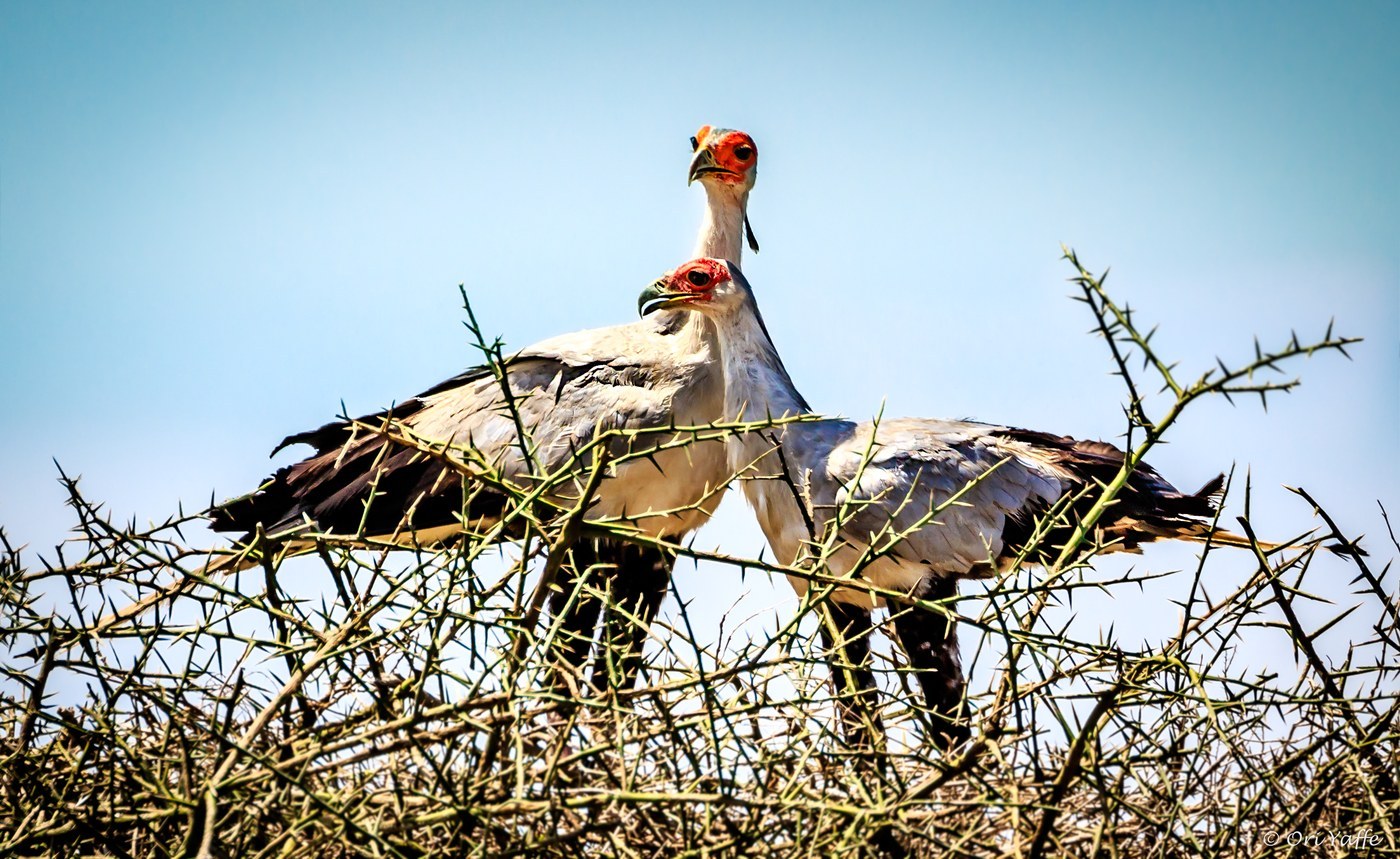
Secretarybird
Long crest feathers; broad flight feathers; elongated central tail feathers

Orange-breasted Falcon
Broad-based pointed flight feathers; bold breast and belly feathers
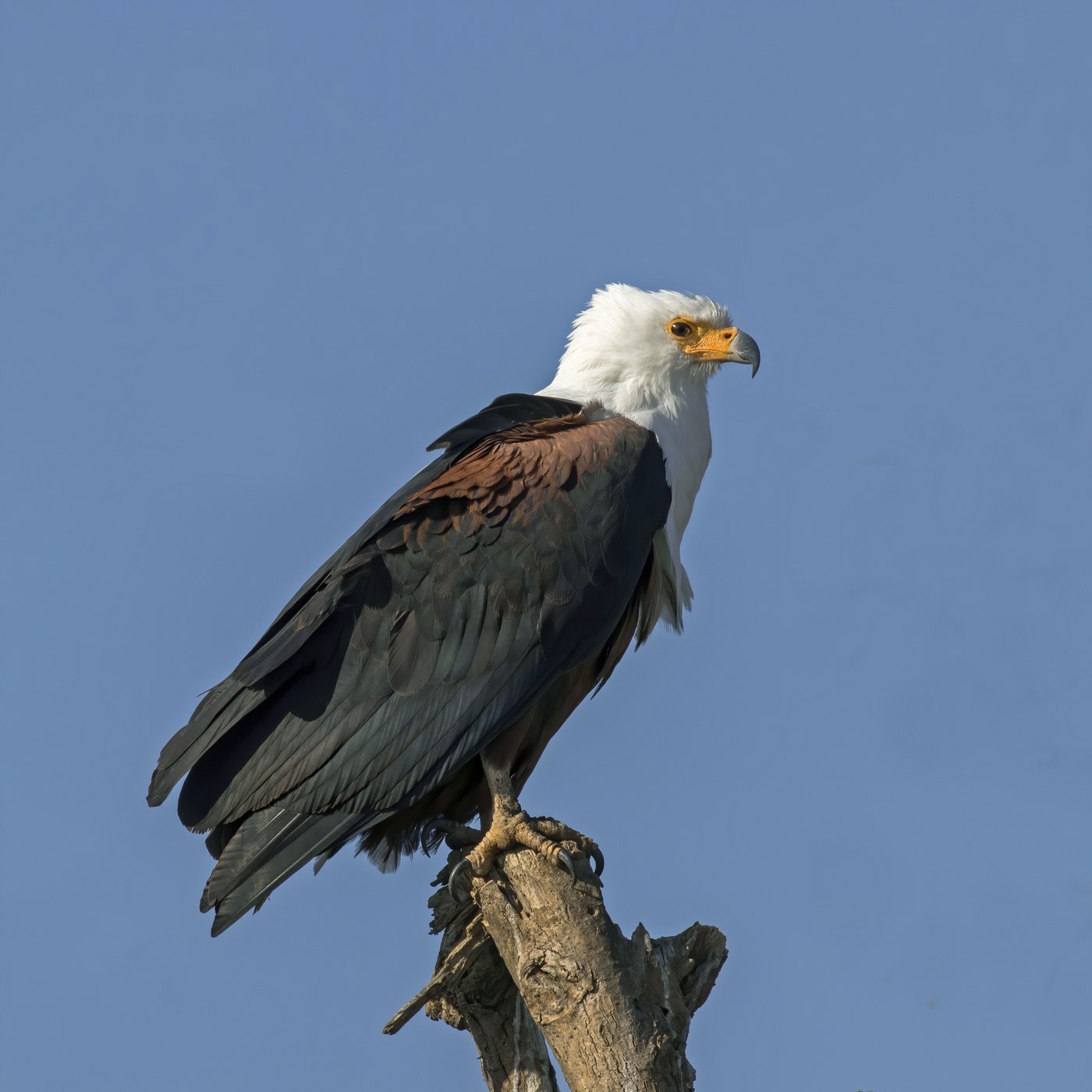
African Fish Eagle
Flight, tail, and body feathers

Amur Falcon
Slender pointed flight feathers; soft slate or orange-buff contour feathers
Red Kite
Flight (wing) and tail feathers
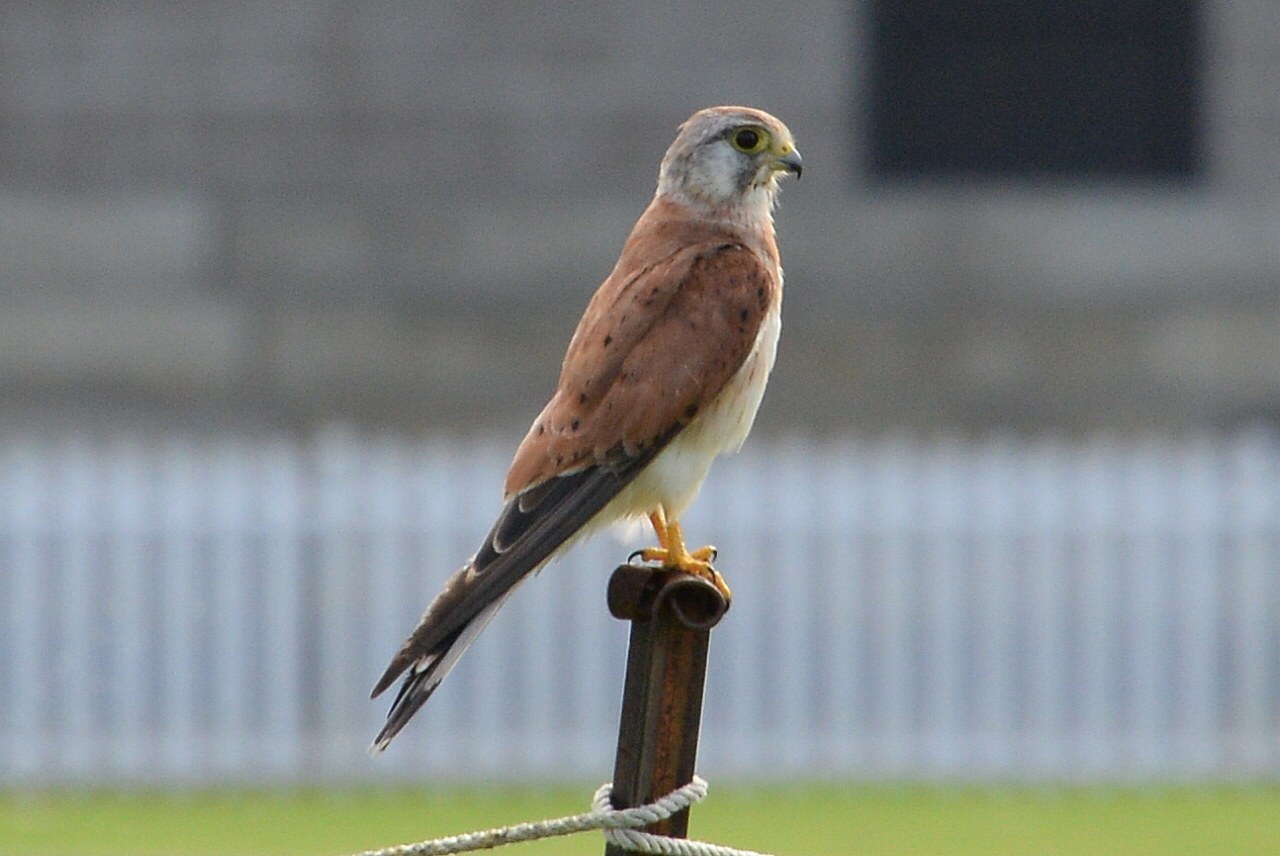
Nankeen Kestrel
Slim pointed flight feathers; lightly marked contour feathers

Andean Condor
Massive flight feathers; broad primaries and secondaries; sturdy tail feathers

Plumbeous Forest Falcon
Short rounded flight feathers; finely barred tail feathers

Sooty Falcon
Long pointed flight feathers; slim tail feathers