

Muscovy Duck
Cairina moschata
A large, heavily built duck; wild birds are glossy black-green with white wing patches, while the widely domesticated and feral forms show highly variable pied black-and-white plumage.
- Feather type
- Contour and flight feathers
- Colours
- Wild form glossy black-green with white wing patches; domestic forms pied black-and-white
- Bird size
- Large duck, ~70-84 cm (males larger)
Found a feather like this?
Identify any feather from a photo, free.
Overview
The Muscovy Duck is native to wooded wetlands and rivers of tropical Central and South America in its wild form, but it is also one of the world's most widely domesticated waterfowl, with feral and farmyard populations showing enormous plumage variation found in parks, farms, and urban ponds well outside its native range.
Identifying the Feather
Wild-type body feathers are glossy black with an iridescent green and purple sheen, and a white patch marks the upperwing coverts, showing as a bright block in flight or on the folded wing. Feathers are notably broad and the bird is large-bodied, with males considerably bigger than females and correspondingly larger feathers. Domestic and feral birds, however, have been selectively bred for centuries and commonly show pied patterns mixing white, black, and sometimes buff feathering in no fixed pattern, so plumage alone is unreliable for identifying feral individuals—overall size, bill shape, and caruncled (warty) facial skin in males are better clues.
Plumage & Molt
Sexes share the same basic pattern, but males are substantially larger with more prominent caruncled facial skin. Juveniles are duller. Feral and domestic populations show wide variation in plumage color due to generations of selective breeding, from all-white to all-black to strongly pied.
Habitat & Range
Native to wooded swamps, rivers, and lowland wetlands of tropical Mexico, Central America, and South America, where wild birds typically roost and nest in trees. Domesticated and feral populations are found worldwide around farms, parks, and urban ponds.
Behavior & Field Notes
An omnivorous forager taking plant material as well as small aquatic animals. Nests and roosts in tree cavities, an unusual trait shared with few other duck species. Largely non-migratory. Rather than quacking, it communicates mainly with soft hisses and low grunting sounds.
Frequently asked questions
Are all Muscovy Ducks black and green?
Only wild-type birds show the glossy black-green plumage with white wing patches; domestic and feral Muscovy Ducks are bred in highly variable pied patterns.
Why can't plumage alone identify a feral Muscovy Duck?
Centuries of domestic breeding have produced enormous plumage variation, so size, caruncled facial skin, and shape are more reliable than feather color.
Do Muscovy Ducks quack?
No, they communicate mostly through soft hisses and low grunts rather than the quacking calls typical of many other ducks.
Where do wild Muscovy Ducks nest?
In tree cavities near wooded tropical wetlands and rivers, an unusual habit among ducks.
Muscovy Duck guides
In-depth guides for identifying and understanding Muscovy Duck.

Muscovy Duck identified by the community
Real feathers identified with Feather Identifier.


Other feathers you may enjoy

Mallard
Wing (speculum), body, and tail feathers

Spectacled Eider
Large sea-duck body feathers with distinctive eye-ring patches

Canada Goose
Body and flight feathers
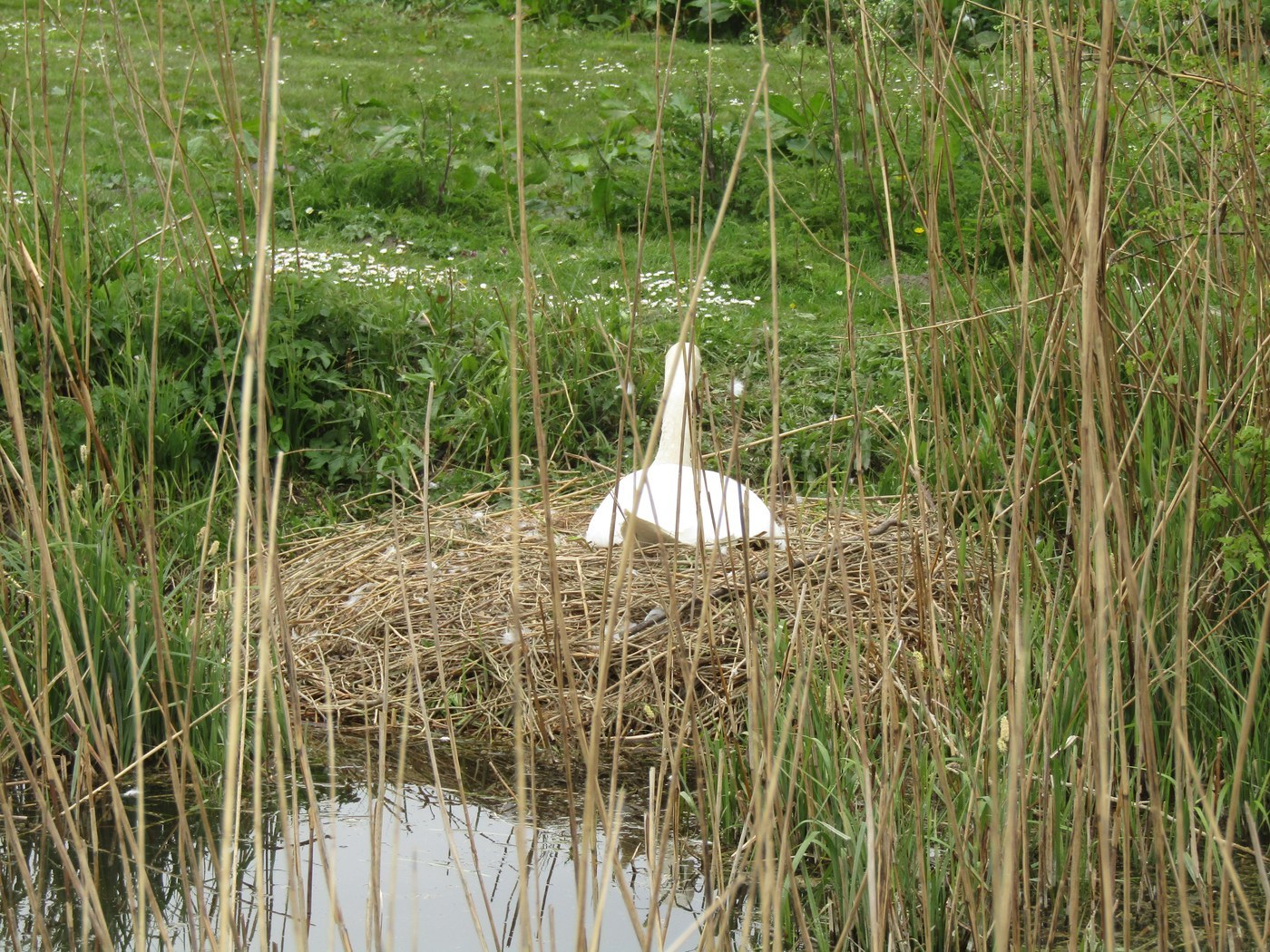
Mute Swan
Body (contour) and flight feathers

Wood Duck
Iridescent crest feathers; ornate scapular and flank feathers; white teardrop facial feathers (female)
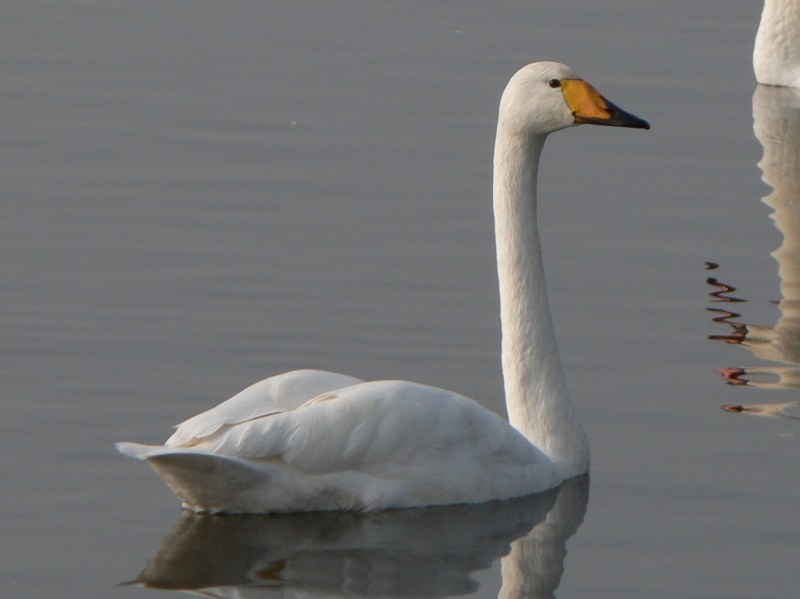
Whooper Swan
Contour and flight feathers

White-winged Scoter
Large sea-duck body feathers with a white wing patch

Ruddy Duck
Stiff tail feathers and compact body plumage

Ross's Goose
Contour and flight feathers

White-cheeked Pintail
Contour and elongated tail feathers

Torrent Duck
Dense, sleek contour feathers; stiff, pointed tail feathers used for bracing against rocks

Tundra Swan
Contour and flight feathers