
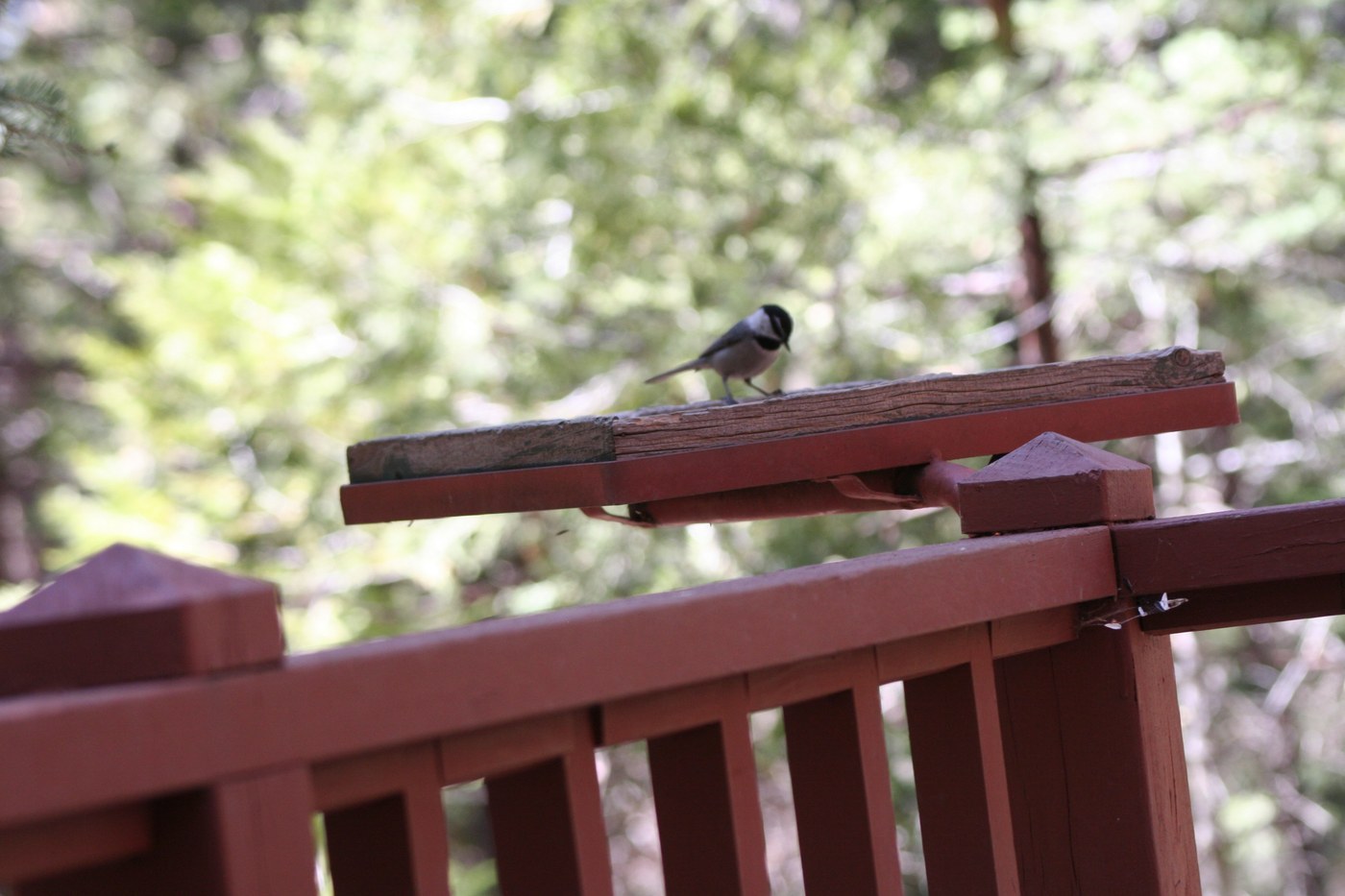
Mountain Chickadee
Poecile gambeli
The Mountain Chickadee is a western conifer-forest specialist whose black cap is broken by a bold white eyebrow stripe not seen in other common chickadees.
- Feather type
- Small soft body feathers; plain gray flight feathers
- Colours
- Black cap with a bold white eyebrow stripe, gray back, whitish-gray underside
- Bird size
- Tiny, ~13 cm
Found a feather like this?
Identify any feather from a photo, free.
Overview
Overview
The Mountain Chickadee is a high-elevation specialist of western coniferous forests, distinguished from other chickadees by a bold white stripe over each eye that breaks up its black cap. This extra facial marking makes its head feathers slightly more distinctive than those of its lowland relatives.
It is a hardy, non-migratory bird of pine and fir forests, often found alongside nuthatches and kinglets in mixed foraging flocks.
Identifying the Feather
Recognizing the Feathers
- Cap feathers: black, but interrupted at the eye by a white eyebrow stripe (unique among common chickadees)
- Cheek feathers: white, similar to other chickadees
- Back & wing feathers: plain gray, unbarred
- Underside: pale gray, washed faintly buffy on the flanks
The white eyebrow stripe is the single best clue distinguishing a Mountain Chickadee head feather cluster from the Black-capped or Carolina Chickadee, which lack any white line through the black cap.
Plumage & Molt
Plumage
Both sexes show the same gray back, white cheeks, black cap with white eyebrow, and pale gray underparts. Plumage stays consistent through the year with a single complete molt in late summer, and juveniles resemble adults soon after fledging.
Habitat & Range
Habitat & Range
Mountain Chickadees live in coniferous and mixed montane forests throughout the western United States and western Canada, generally at higher elevations than other chickadee species. They are largely non-migratory, though some birds shift to lower elevations in winter.
Behavior & Field Notes
Behavior & Field Notes
This chickadee forages among conifer needles for insects and seeds, caches food for winter, and often joins mixed foraging flocks with nuthatches and kinglets. It nests in tree cavities, and its call is a hoarser, buzzier version of the classic chickadee call. Feathers found at higher elevations in western pine or fir forests, especially those showing a white eyebrow stripe, point strongly to this species.
Frequently asked questions
What feather feature is unique to the Mountain Chickadee?
A white eyebrow stripe breaking up the black cap, not seen in other common chickadees.
Where would I likely find a Mountain Chickadee feather?
In coniferous forests at higher elevations in the western US or Canada.
Is the Mountain Chickadee's back color different from other chickadees?
No, it is plain gray like most chickadee species.
Does this species migrate?
It is mostly non-migratory, though some birds move to lower elevations in winter.
Mountain Chickadee guides
In-depth guides for identifying and understanding Mountain Chickadee.
Other feathers you may enjoy

Yellow-breasted Bunting
Contour and flight feathers, chestnut-and-yellow breeding pattern
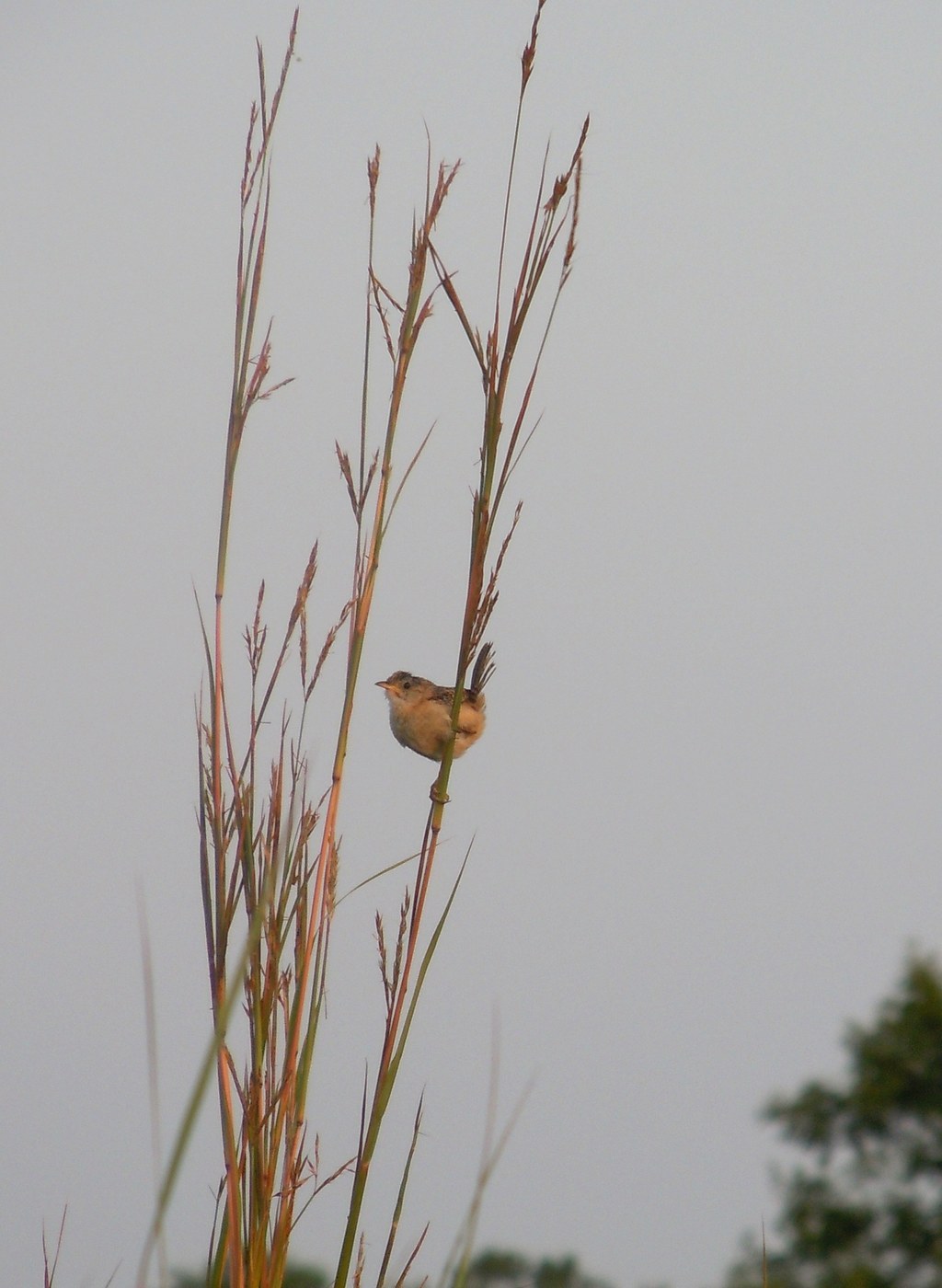
Sedge Wren
Tiny streaked crown and back feathers

Yellow-winged Cacique
Glossy black body feathers, yellow wing patch, shaggy crest

Yellow Warbler
Small contour and flight feathers
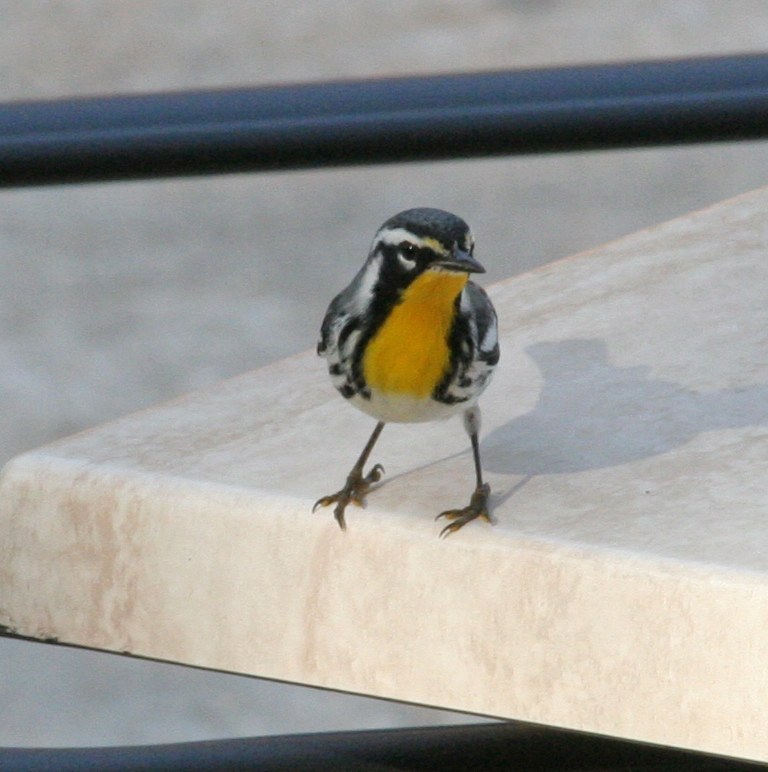
Yellow-throated Warbler
Small contour and flight feathers
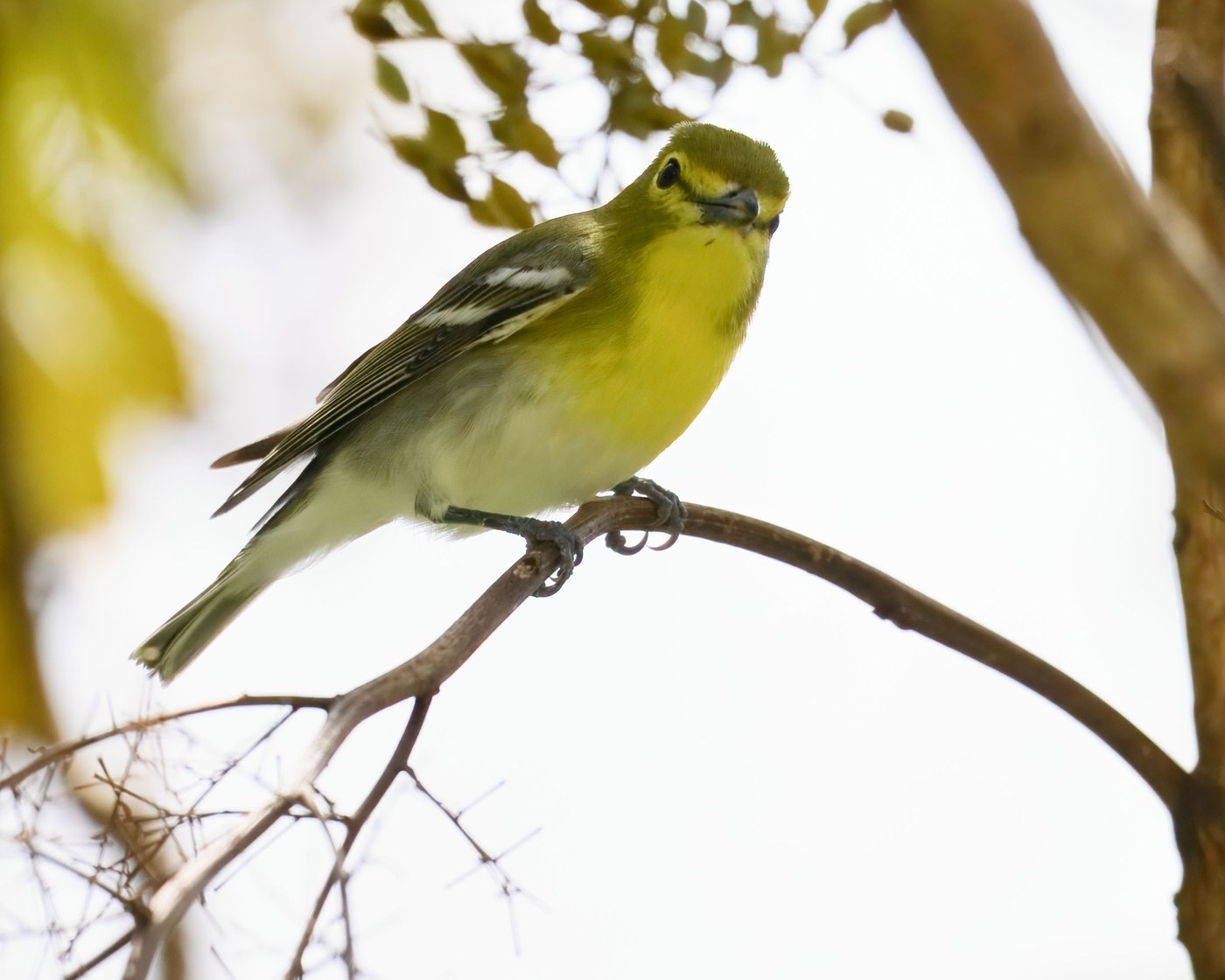
Yellow-throated Vireo
Bright yellow throat and spectacle feathers; olive-green back feathers; two white wing-bar feathers

Yellow-rumped Warbler
Small contour and flight feathers
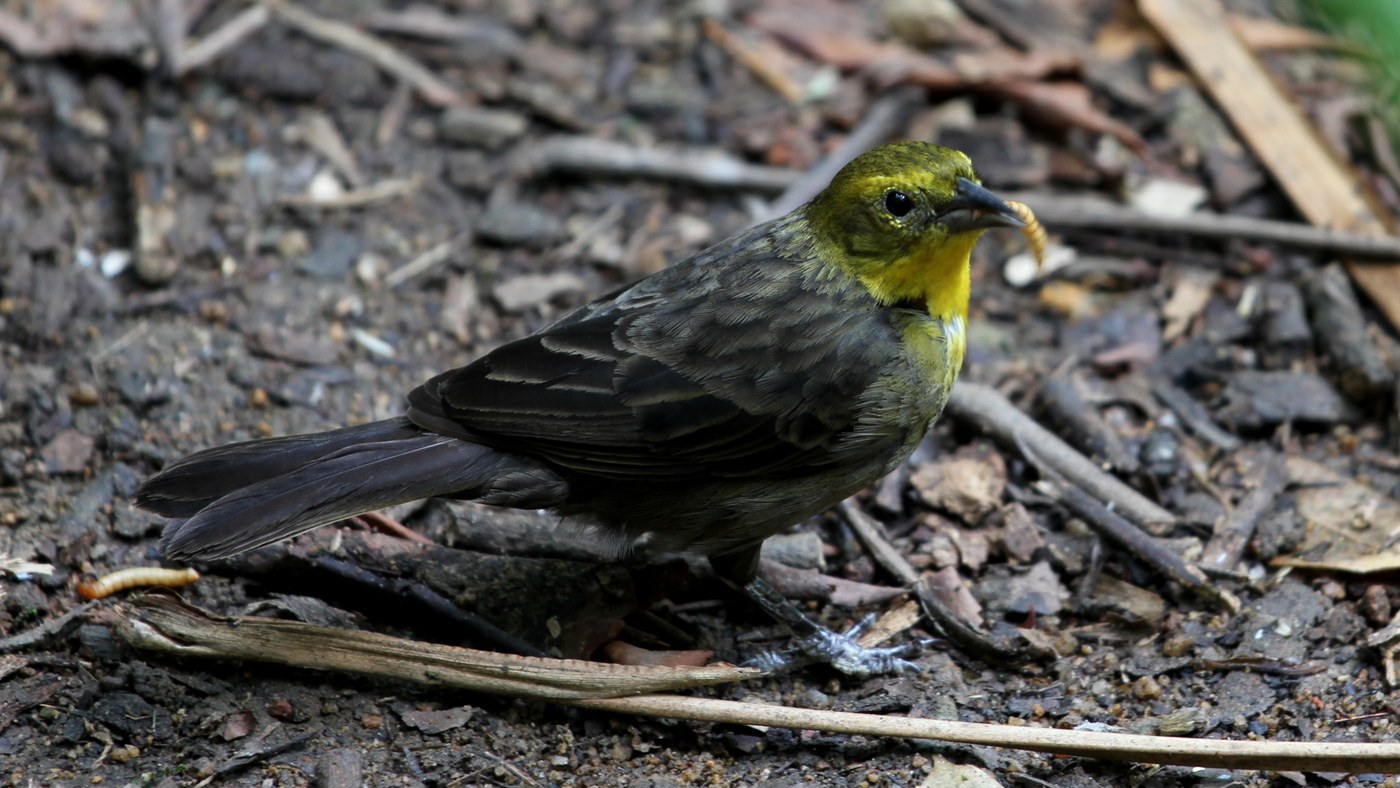
Yellow-hooded Blackbird
Contrasting hood and body feathers
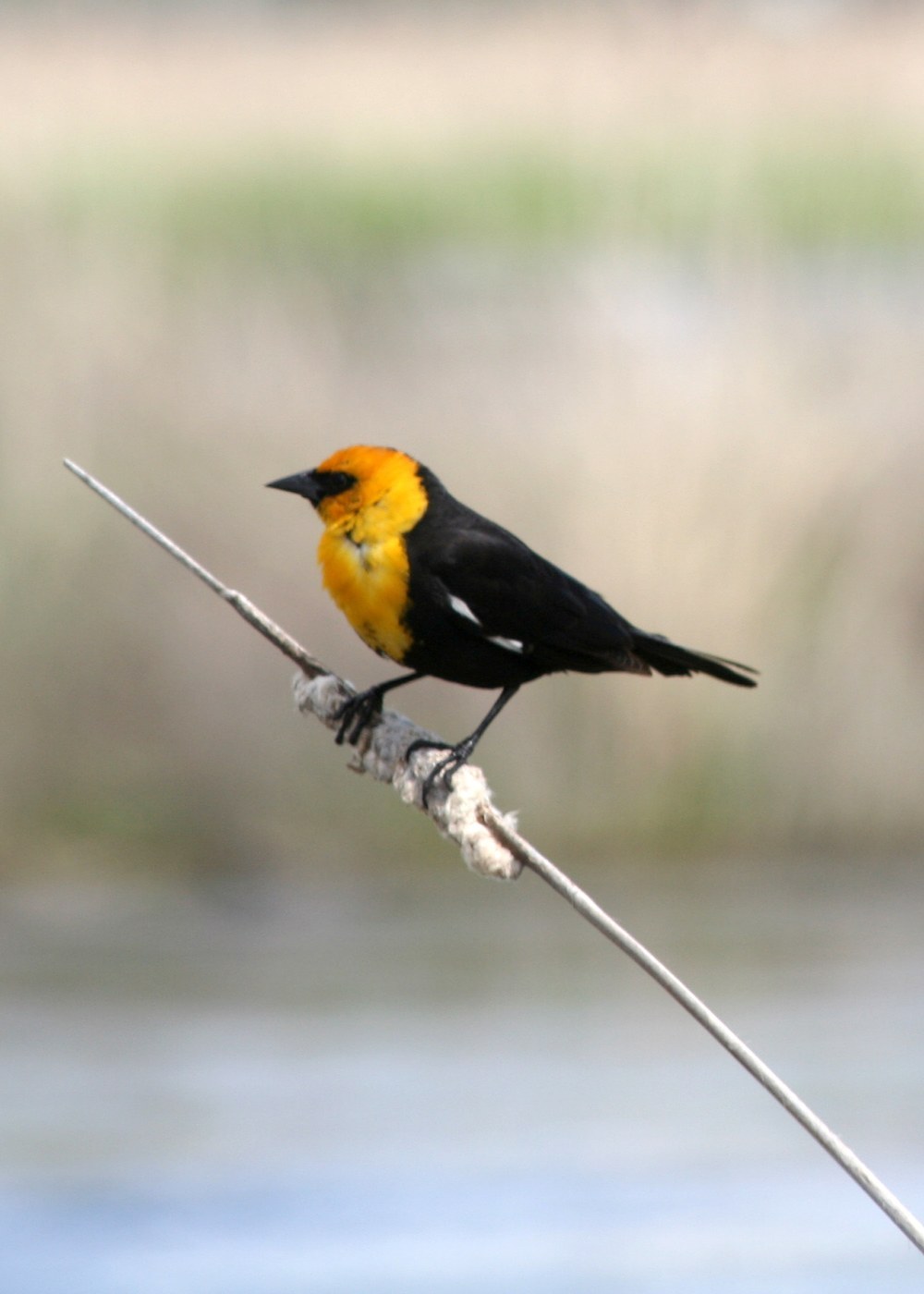
Yellow-headed Blackbird
Glossy black body plumage with a bright yellow head and breast

Yellow-eyed Junco
Contour and flight feathers

Yellow-fronted Canary
Small, smooth body plumage

Yellow-breasted Greenfinch
Compact, smooth body plumage