
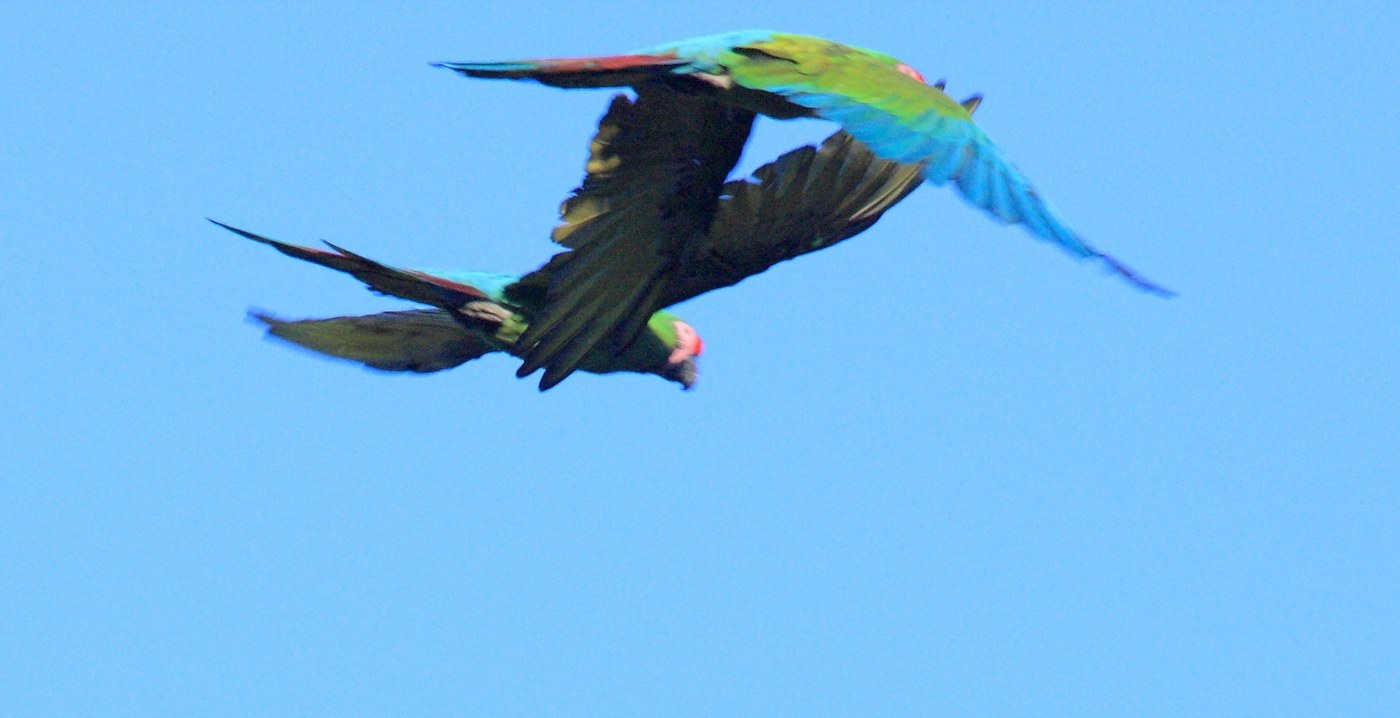
Military Macaw
Ara militaris
A green macaw with a small red forehead patch and blue-edged wing and tail feathers, found in foothill forests and canyon country from Mexico to South America.
- Feather type
- Broad flight feathers, long graduated tail
- Colours
- Olive to forest green body, red forehead patch, blue-tipped flight and tail feathers
- Bird size
- Large, ~70 cm including tail
Found a feather like this?
Identify any feather from a photo, free.
Overview
Overview
The Military Macaw is a mid-sized green macaw named for its olive-drab coloring reminiscent of a military uniform. It occupies a patchy range from Mexico south through parts of Colombia, Ecuador, Peru, Bolivia, and Argentina, often favoring rugged foothill and canyon habitats rather than lowland rainforest.
Its subdued green plumage combined with a small bright red forehead patch makes it a distinctive, if easily overlooked, member of the large macaw group.
Identifying the Feather
Feather Identification
- Body feathers: Olive-green to dull forest green over most of the body, lacking the bright reds or blues of other large macaws.
- Head feathers: A small but distinct patch of bright red feathers sits on the forehead, contrasting with the green crown.
- Wing and tail feathers: Flight feathers and the tail show blue tips and edges, particularly visible on the underside in flight.
- Shaft and texture: Thick, sturdy shafts typical of large macaws; body feathers have a somewhat duller, less glossy finish than the vivid red macaws.
- Compared to similar species: The larger Buffon's (Great Green) Macaw is more yellowish-green overall and lacks the compact red forehead patch's crisp edge seen in the Military Macaw.
Plumage & Molt
Plumage Notes
Sexes are alike, both showing olive-green body plumage, a red forehead patch, and blue in the wings and tail. The bare facial skin is whitish with thin lines of small dark feathers.
Juveniles resemble adults but with shorter tails and slightly less defined coloring. As with other macaws, molt is gradual through the year rather than tied to a single narrow season.
Habitat & Range
Habitat & Range
The Military Macaw has a fragmented range across Mexico, and portions of Colombia, Venezuela, Ecuador, Peru, Bolivia, and Argentina. It favors semi-arid foothill forest, canyon country, and pine-oak woodland at moderate elevations, differing from many macaws that stick to humid lowlands.
Populations are largely resident, though birds may move locally between feeding and roosting sites.
Behavior & Field Notes
Behavior & Field Notes
Military Macaws travel in pairs or small flocks, often roosting communally on cliff faces in canyon habitats. They feed on seeds, nuts, and fruit gathered in the forest canopy, cracking hard shells with their powerful bills.
Nesting typically occurs in tree cavities or cliff crevices, and pairs are believed to mate for life. Their calls are loud, raucous, and typical of macaws, often given in flight as pairs move between roosting cliffs and feeding grounds.
Frequently asked questions
What color is a Military Macaw feather?
Body feathers are olive to forest green, with a small patch of red feathers on the forehead and blue tips on the flight and tail feathers.
How is the Military Macaw different from the Great Green Macaw?
The Great Green Macaw is larger and more yellowish-green overall, while the Military Macaw is a duller olive-green with a compact, well-defined red forehead patch.
Where does the Military Macaw live?
It occupies fragmented habitat from Mexico south through parts of Colombia, Venezuela, Ecuador, Peru, Bolivia, and Argentina, favoring foothill forest and canyon country.
Do Military Macaws have different plumage between sexes?
No, males and females look alike in coloring.
Military Macaw guides
In-depth guides for identifying and understanding Military Macaw.
Other feathers you may enjoy
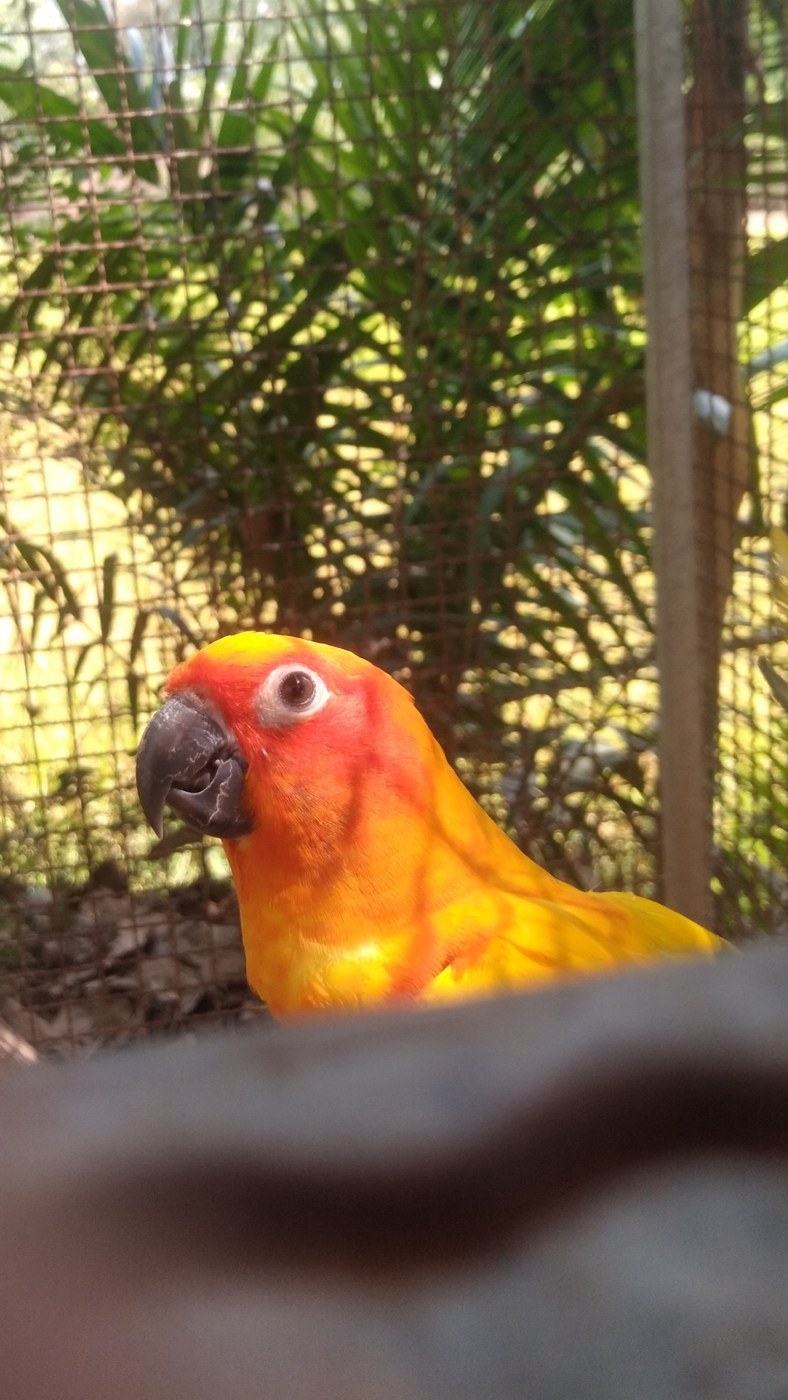
Sun Parakeet
Bright, dense body contour feathers; medium pointed tail feathers

Yellow-naped Amazon
Broad rounded contour feathers with sturdy flight feathers
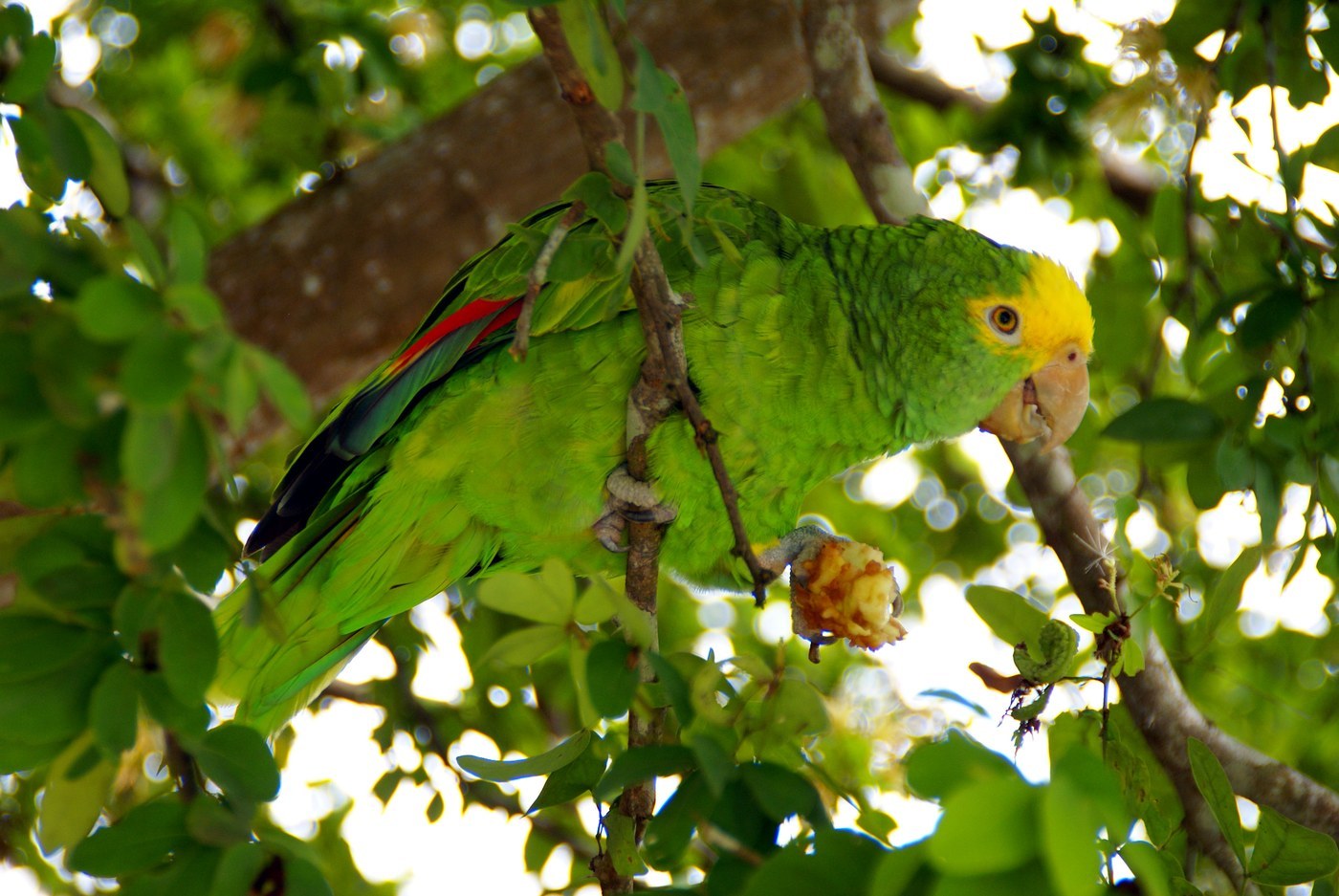
Yellow-headed Amazon
Dense, rounded body contour feathers; broad flight feathers
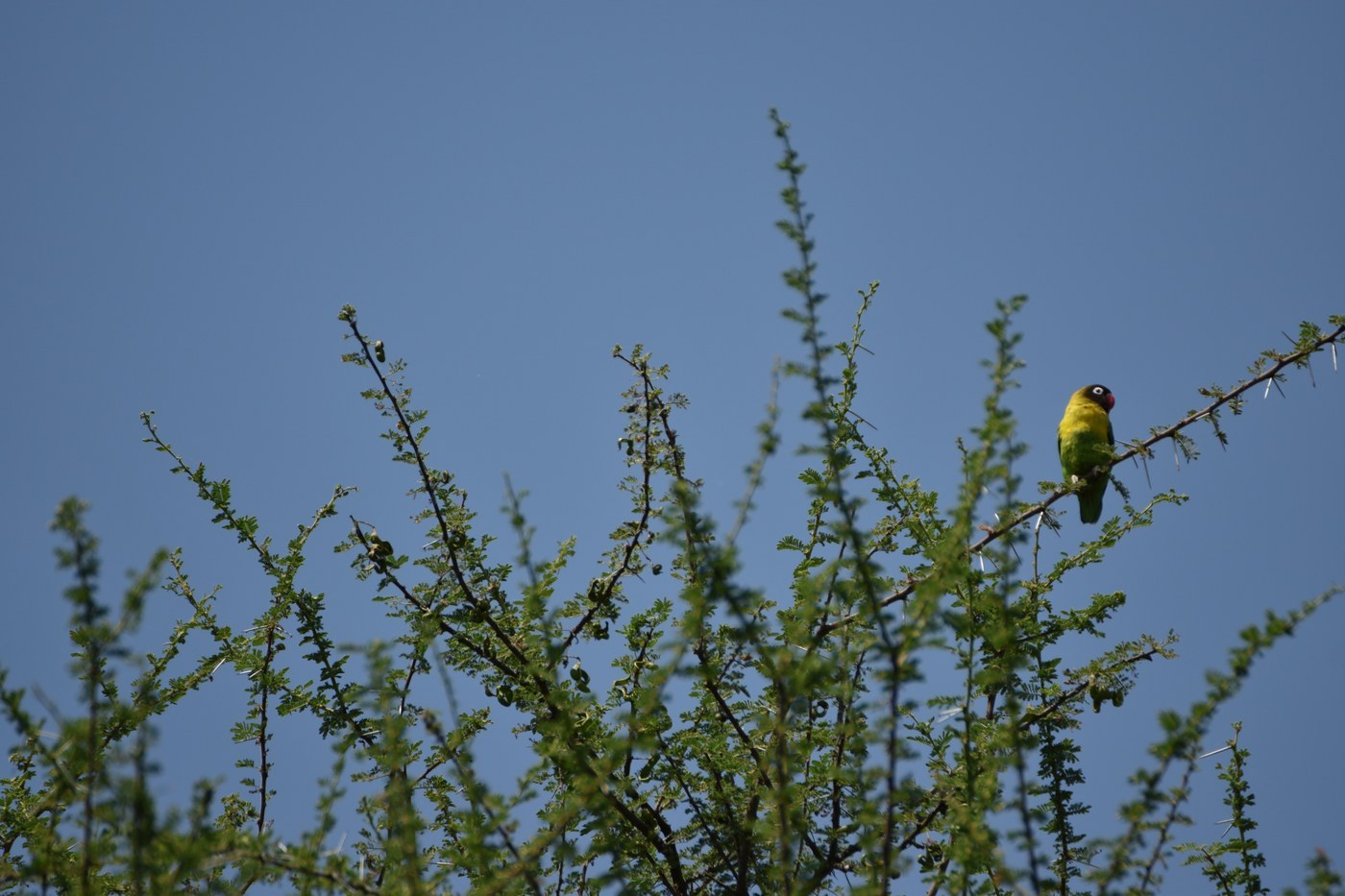
Yellow-collared Lovebird
Small compact flight feathers, short rounded tail

White-eyed Conure
Medium contour and long, graduated tail feathers

Yellow-tailed Black Cockatoo
Large, sturdy contour and flight feathers; short crest

Scarlet-chested Parrot
Small contour and flight feathers

Timneh Parrot
Broad flight feathers, scalloped body feathers with pale edges
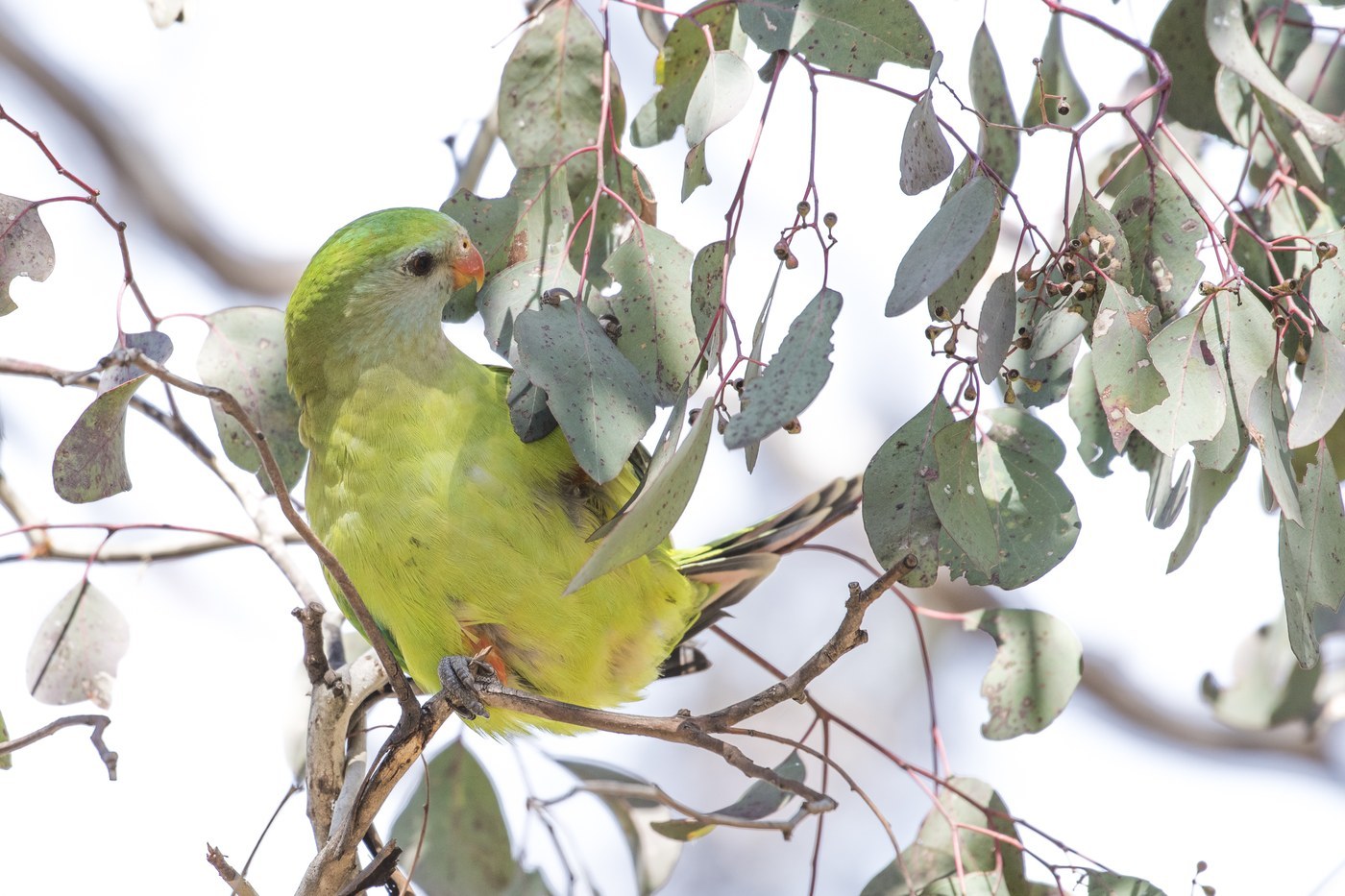
Superb Parrot
Sleek contour feathers with a long tapering tail

Red-shouldered Macaw
Compact body contour feathers; medium flight and tail feathers
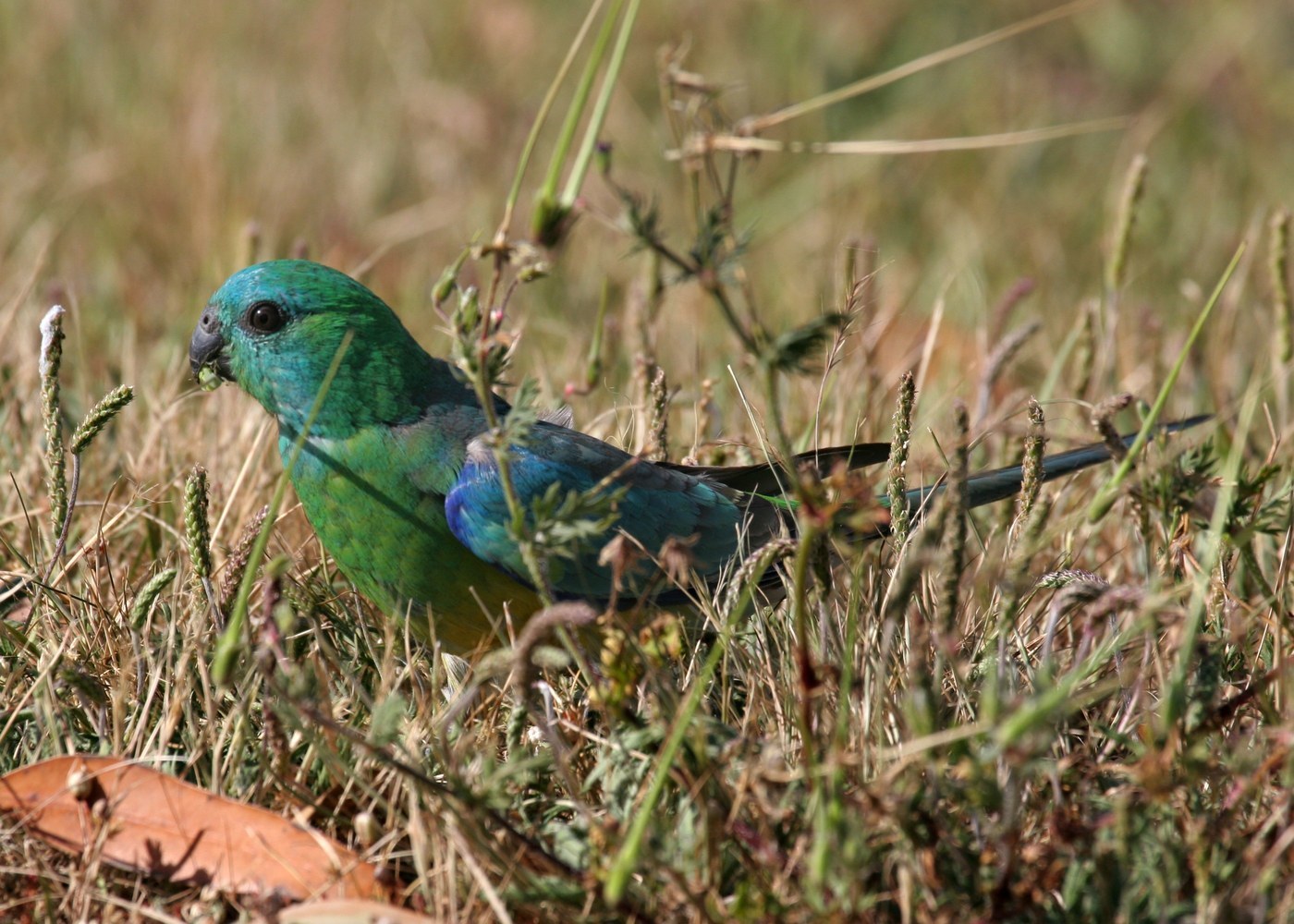
Red-rumped Parrot
Sleek contour feathers with a bright rump patch in males

White-capped Pionus
Compact contour feathers and short, squared tail feathers