

Mauritius Kestrel
Falco punctatus
The Mauritius Kestrel is a small, endemic island falcon famed as a major conservation success story, having recovered from a population of just a handful of individuals to a stable population in native forest habitat.
- Feather type
- Short, rounded flight feathers; rufous barred contour feathers
- Colours
- Rufous-brown above with dark barring, pale underparts with dark spotting
- Bird size
- Very small falcon, ~20-26 cm
Found a feather like this?
Identify any feather from a photo, free.
Overview
The Mauritius Kestrel is endemic to the island of Mauritius, found in the remaining patches of native forest and forested gorges, particularly in the southwest of the island. It is renowned in conservation circles for its recovery from a critically low population of around four known individuals in the early 1970s to a much larger, more secure population today through intensive breeding and habitat management efforts.
Its relatively short, rounded wings reflect an adaptation to maneuvering through forest rather than open-country pursuit, distinguishing its flight style from many continental kestrels.
Identifying the Feather
Recognizing Mauritius Kestrel feathers
- Flight feathers: Rufous-brown with dark barring, notably shorter and more rounded than the flight feathers of open-country kestrels, suited to forest flight.
- Tail feathers: Rufous-brown with dark barring, relatively short.
- Body feathers: Back feathers rufous-brown with dark barring; underparts feathers pale buff to whitish with bold dark spotting.
- Shaft color: Brown.
- Compared to similar species: As the only kestrel endemic to Mauritius, feathers found on the island are readily attributable to this species; its shorter, more rounded wing feathers reflect forest adaptation compared to the longer, more pointed feathers of open-country kestrels elsewhere.
Plumage & Molt
Adults show rufous-brown upperparts with dark barring and pale buff to whitish underparts marked with bold dark spotting. Sexes are broadly similar in pattern. Juveniles are similarly patterned with slightly duller tones, reaching adult plumage within their first year.
Habitat & Range
Restricted to remaining native forest and forested gorges of Mauritius, particularly in the southwestern part of the island. Resident, with no migration off the island, and a range that remains naturally very limited due to historical habitat loss.
Behavior & Field Notes
Hunts geckos, insects, and small birds within forest, often perching and making short pursuit flights through the canopy and forest edge rather than open-sky hovering. Nests in tree cavities and, following conservation intervention, in nest boxes and on cliff ledges. Calls include sharp, high-pitched chattering. A short, rounded rufous-brown feather with dark barring and bold underside spotting, found in native Mauritian forest, is characteristic of this endemic and conservation-notable species.
Frequently asked questions
Why is the Mauritius Kestrel famous in conservation?
It recovered from a population of around four known individuals in the early 1970s to a much larger population today, following intensive captive breeding and habitat management.
Where is the Mauritius Kestrel found?
It is endemic to Mauritius, restricted mainly to remaining native forest and forested gorges in the southwest of the island.
How do Mauritius Kestrel wing feathers differ from continental kestrels?
They are shorter and more rounded, an adaptation for maneuvering through forest rather than the longer, more pointed wings suited to open-country flight in many continental kestrels.
Mauritius Kestrel guides
In-depth guides for identifying and understanding Mauritius Kestrel.

Other feathers you may enjoy

Australian Hobby
Long, narrow pointed flight feathers; slender tail feathers

California Condor
Massive flight feathers; long broad primaries; large tail feathers

Brown Falcon
Broad, rounded flight feathers; variable-toned contour feathers
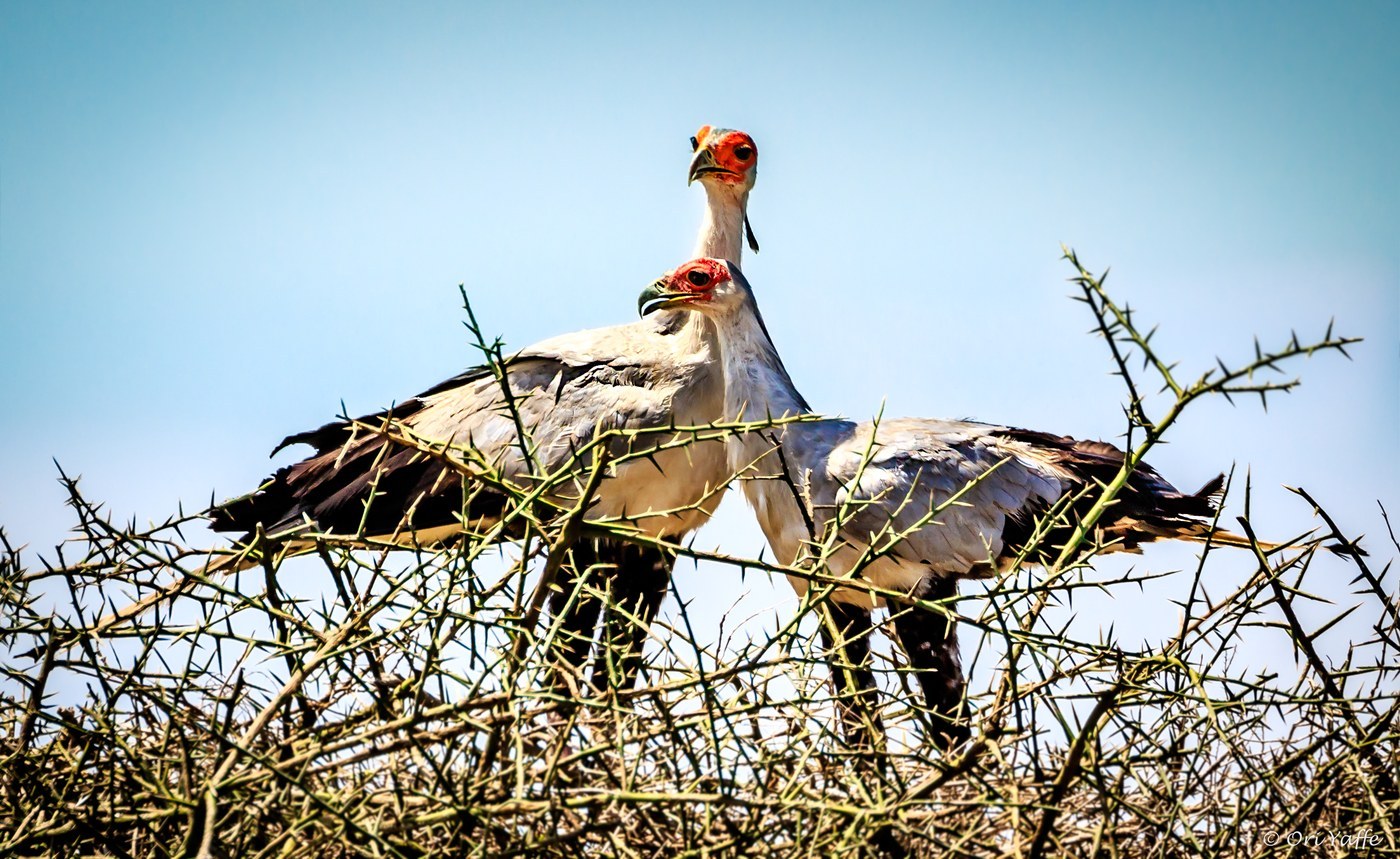
Secretarybird
Long crest feathers; broad flight feathers; elongated central tail feathers

Orange-breasted Falcon
Broad-based pointed flight feathers; bold breast and belly feathers
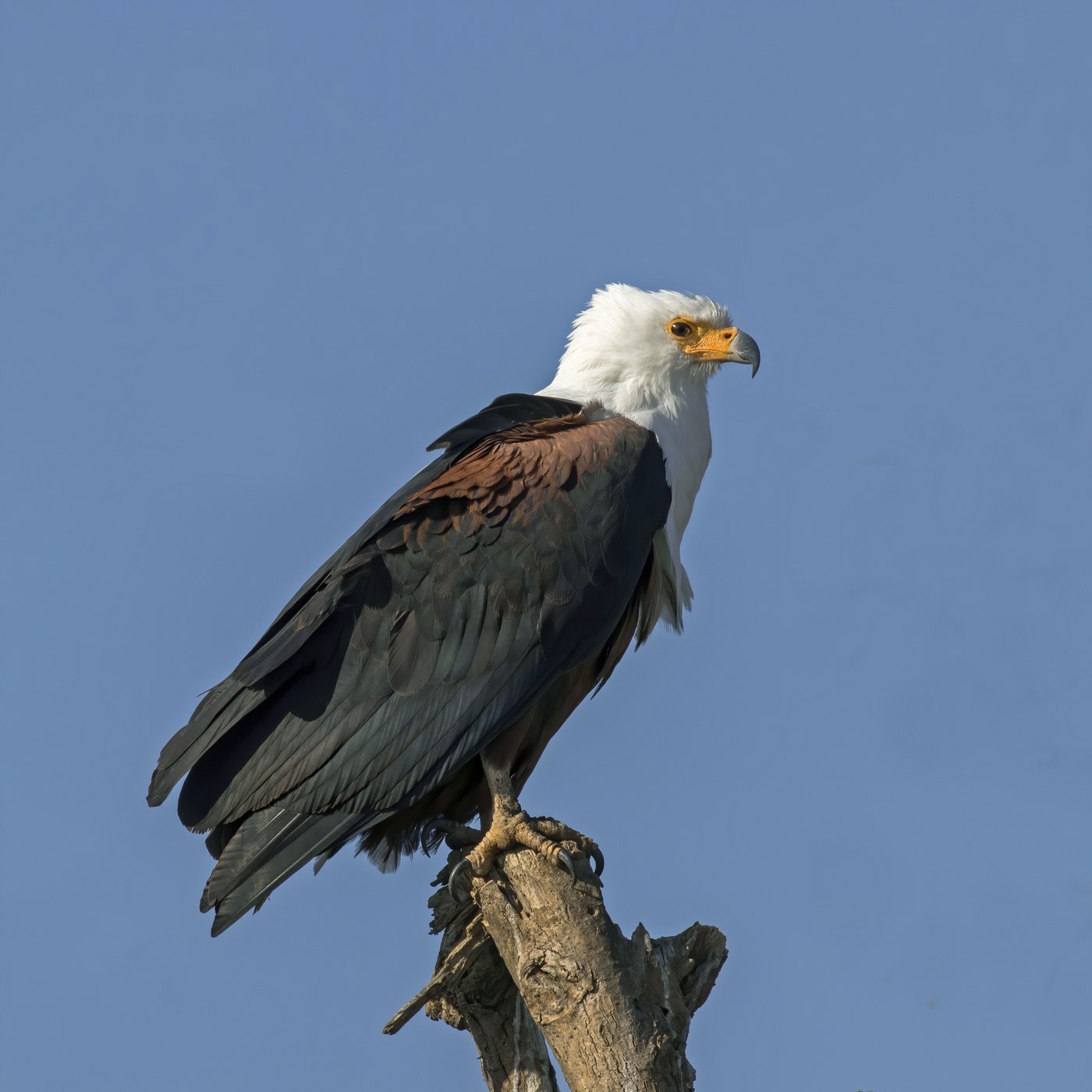
African Fish Eagle
Flight, tail, and body feathers

Amur Falcon
Slender pointed flight feathers; soft slate or orange-buff contour feathers
Red Kite
Flight (wing) and tail feathers
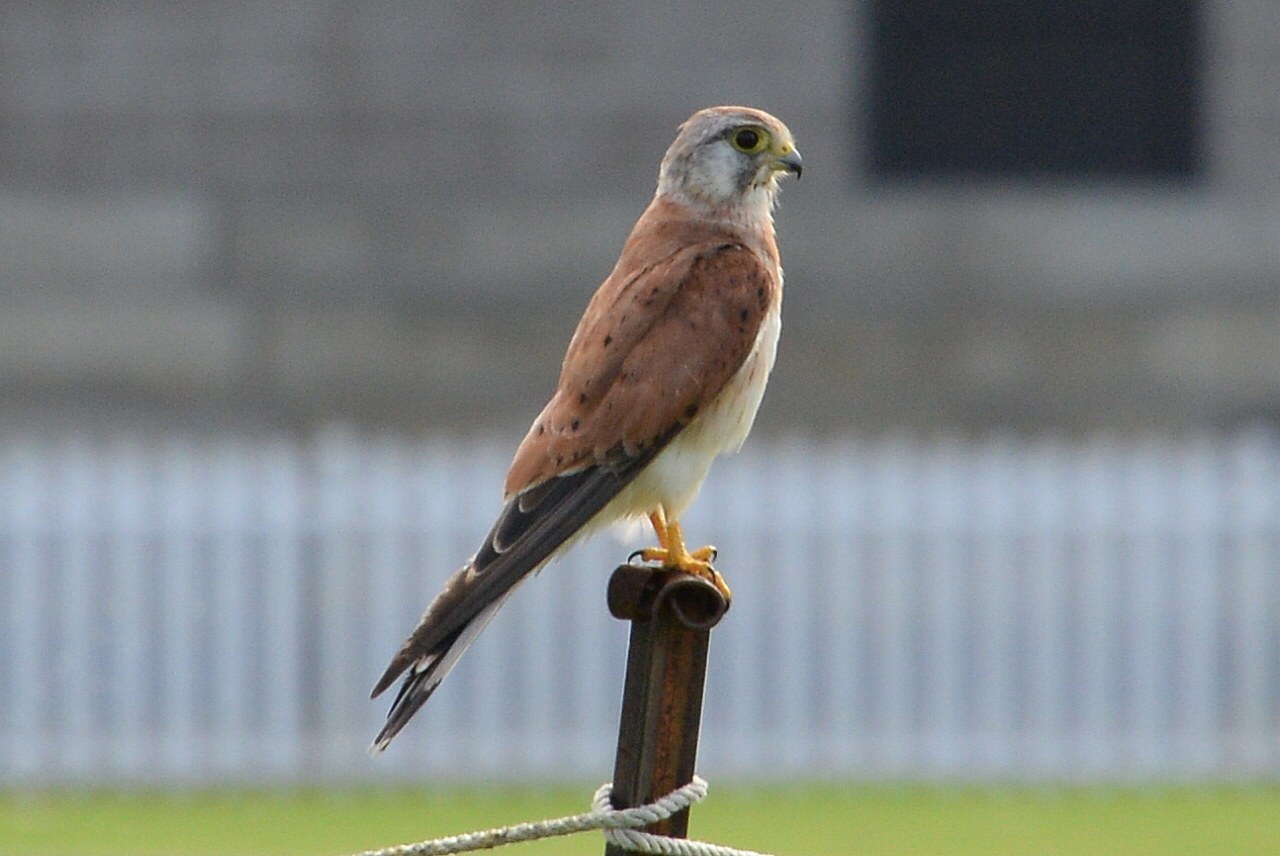
Nankeen Kestrel
Slim pointed flight feathers; lightly marked contour feathers

Andean Condor
Massive flight feathers; broad primaries and secondaries; sturdy tail feathers

Plumbeous Forest Falcon
Short rounded flight feathers; finely barred tail feathers

Sooty Falcon
Long pointed flight feathers; slim tail feathers