
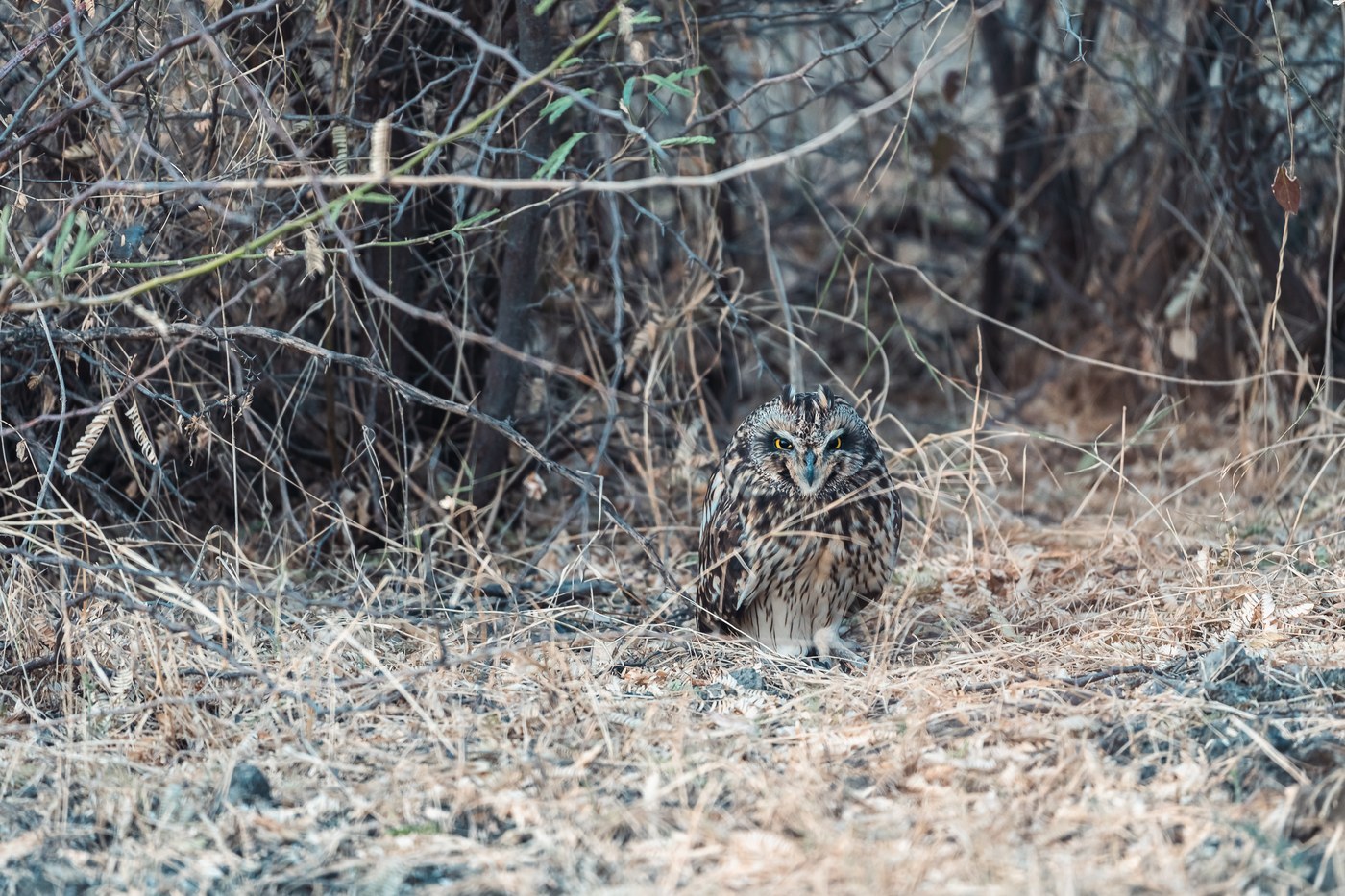
Marsh Owl
Asio capensis
The Marsh Owl is a plain, tawny-brown ground-nesting owl of African grasslands and marshes, distinguished by its inconspicuous ear tufts and preference for open, low vegetation.
- Feather type
- Plain, softly barred flight feathers with inconspicuous ear tufts
- Colours
- Uniform tawny-brown with subtle darker mottling
- Bird size
- Medium, roughly 30-37 cm
Found a feather like this?
Identify any feather from a photo, free.
Overview
The Marsh Owl inhabits open grassland, marsh, and moist savanna habitats across much of sub-Saharan Africa and Madagascar. Unlike many of its Asio relatives, it shows little of the crypic bark-matching pattern typical of forest owls, instead sporting a fairly plain tawny-brown plumage suited to open, grassy terrain.
It is a ground-associated species, roosting and nesting in low vegetation rather than trees, and is often seen flying low over grassland at dusk.
Its relatively plain, unmarked tawny-brown feathers with barely visible ear tufts distinguish it from more boldly patterned or longer-eared relatives found in similar open habitats.
Identifying the Feather
Shape and Size
Flight feathers are moderate, roughly 18-22 cm on primaries, with soft fringed edges typical of owls adapted to low, quiet flight over grassland.
Color and Pattern
- Fairly uniform tawny-brown ground color with subtle darker mottling, less boldly patterned than forest-dwelling relatives
- Underparts slightly paler with faint streaking
- Ear-tuft feathers are short and often inconspicuous
Shaft and Vane
Shafts pale brown; vanes soft, an adaptation shared broadly among owls for quiet flight.
Distinguishing from Similar Species
The plainer, less contrastingly marked plumage separates Marsh Owl feathers from the more boldly streaked Striped Owl and the more strongly barred Long-eared Owl relatives found in adjacent habitats.
Plumage & Molt
Adults are tawny-brown overall with subtle darker mottling, a pale facial disc, very short and often barely visible ear tufts, and dark eyes.
Sexes look alike, with females slightly larger. Juveniles are downier and paler. Adults undergo a single annual molt, generally timed around the regional wet or dry season.
Habitat & Range
This species is found across open grassland, marsh, vlei, and moist savanna habitats in sub-Saharan Africa, as well as Madagascar, generally avoiding forested terrain.
It is largely resident, though some populations shift locally in response to seasonal flooding or drought affecting grassland conditions.
Behavior & Field Notes
The Marsh Owl is active at dusk and through the night, often seen flying low over grassland in a slow, buoyant flight while hunting. It roosts and nests on the ground in dense grass or low vegetation rather than in trees.
It feeds mainly on small rodents and large insects. Its call is a harsh, croaking bark. A plain tawny-brown feather with subtle mottling and minimal ear-tuft development found in open African or Malagasy grassland is consistent with this species.
Frequently asked questions
Why does the Marsh Owl look less patterned than other eared owls?
Its plain tawny-brown plumage suits its open grassland habitat, where bark-camouflage patterns used by forest owls are unnecessary.
Does this owl nest in trees?
No, it nests and roosts on the ground in dense grass or low vegetation.
Where is the Marsh Owl found?
Across open grassland and marsh habitats in sub-Saharan Africa and Madagascar.
Are the ear tufts easy to see on this species?
No, they are quite short and often inconspicuous compared to other Asio owls.
Marsh Owl guides
In-depth guides for identifying and understanding Marsh Owl.
Other feathers you may enjoy

Tawny Owl
Wing (flight) and body (contour) feathers
Little Owl
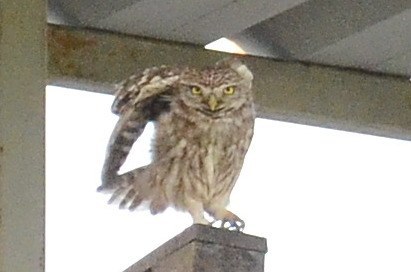
Wing and body feathers

Balsas Screech-Owl
Small ear-tuft feathers; soft, finely vermiculated body feathers

Blakiston's Fish Owl
Massive flight feathers with looser structure; shaggy body plumage; prominent ear-tuft feathers

Barn Owl
Wing and facial-disc feathers
Southern Boobook
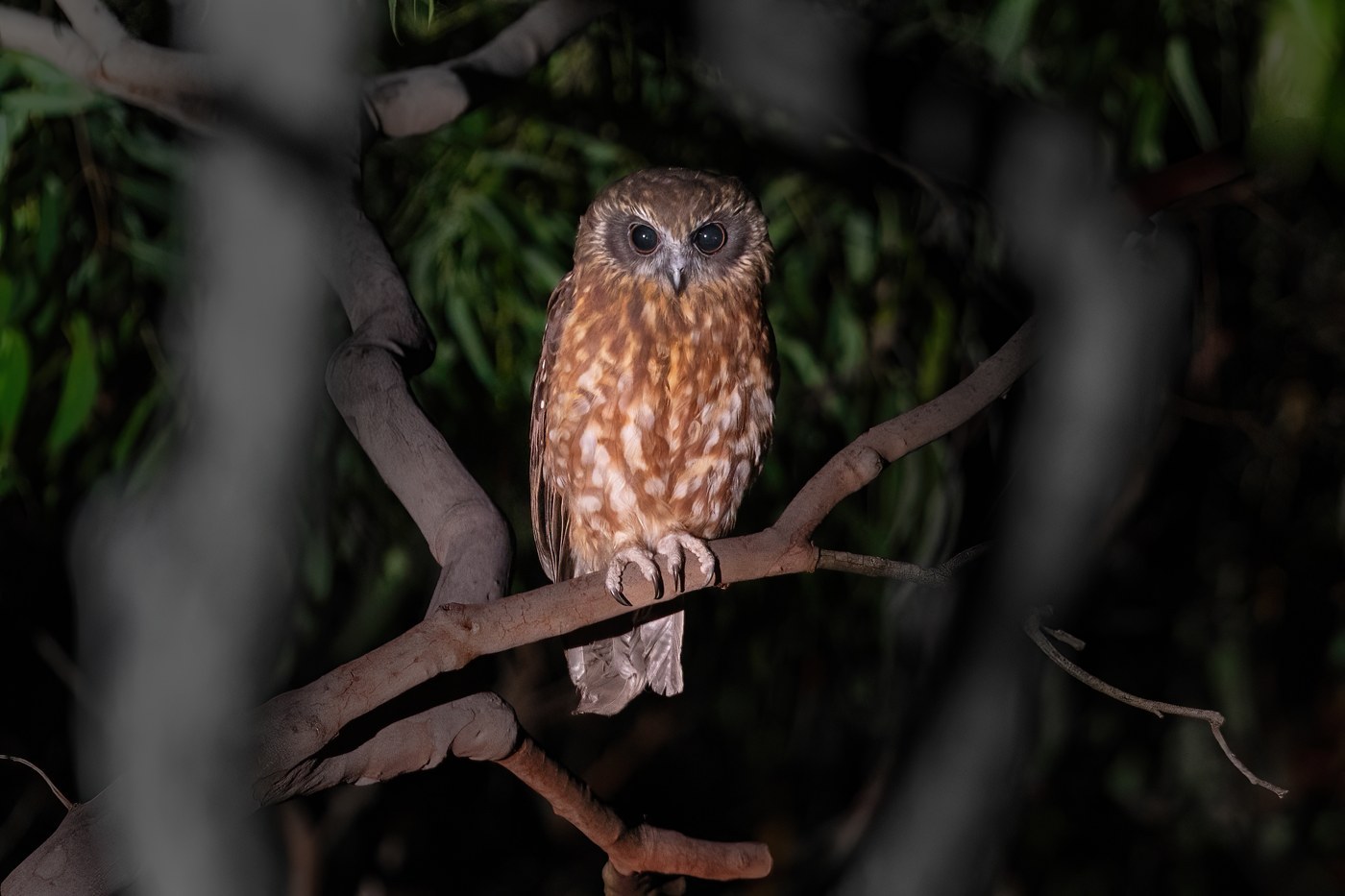
Rounded flight feathers; banded tail; spotted body plumage

Sooty Owl
Broad soft-edged flight feathers; heart-shaped facial disc feathers; finely speckled body plumage

Short-eared Owl
Broad soft-fringed flight feathers; streaked body feathers; tiny, rarely visible ear tufts

Stygian Owl
Dark, mottled flight and body feathers with long, closely-set ear tufts
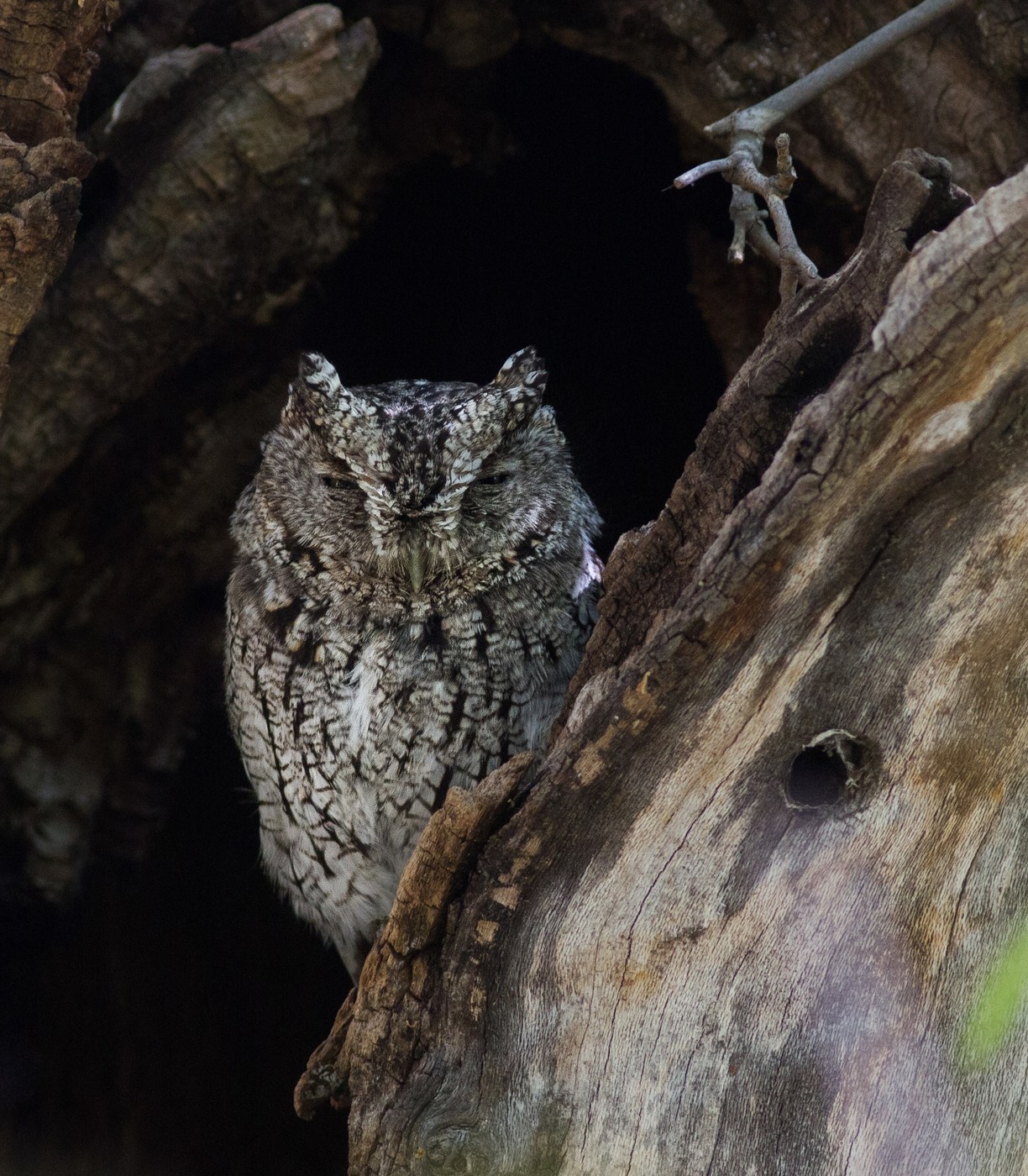
Whiskered Screech-Owl
Small soft-fringed flight feathers; finely mottled body feathers; short ear tufts
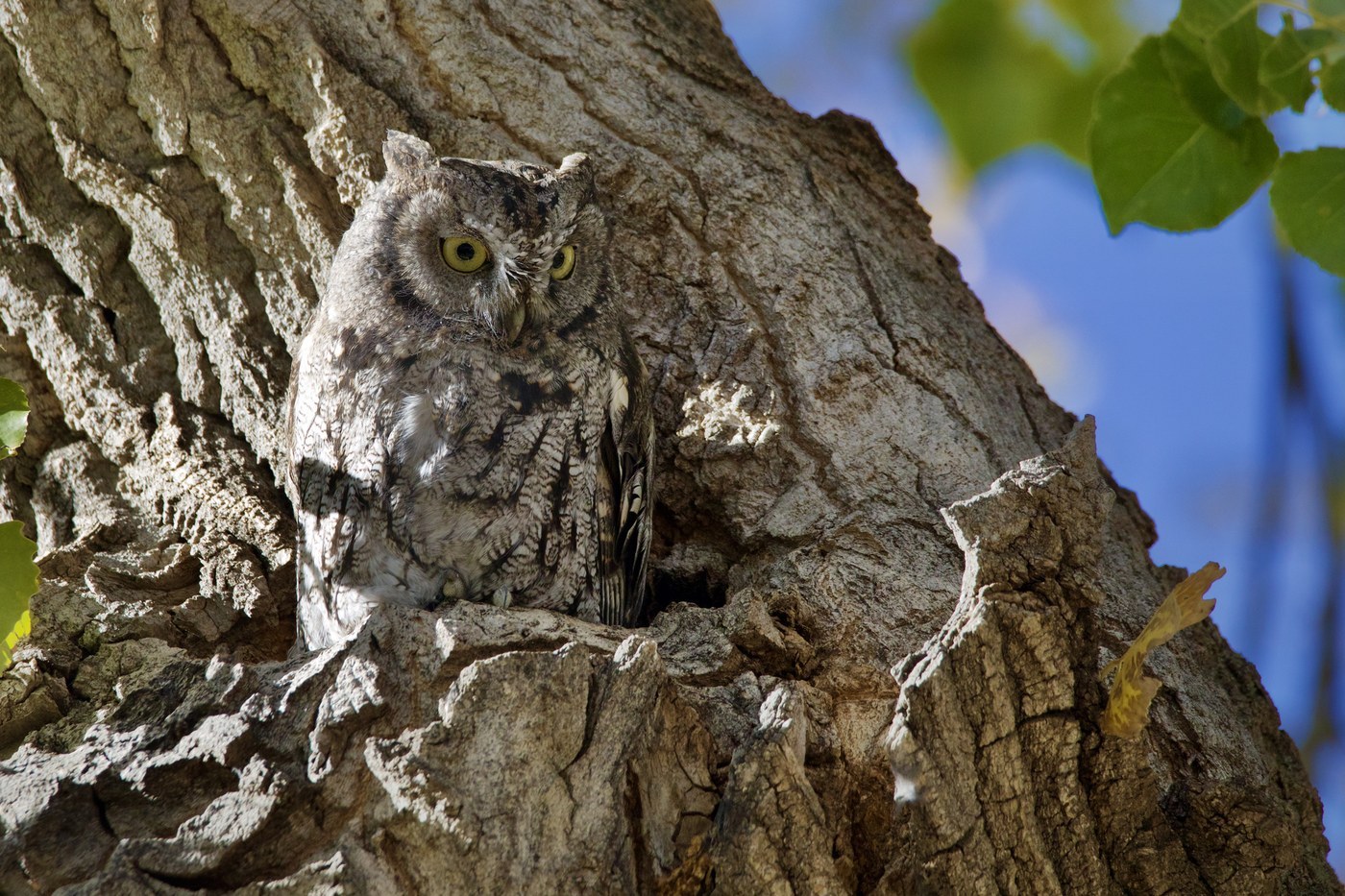
Western Screech-Owl
Small soft-fringed flight feathers; cryptic mottled/streaked body feathers; short ear tufts

White-faced Scops Owl
Small to medium flight feathers with a distinctive whitish facial disc and long ear-tuft plumes