

Major Mitchell's Cockatoo
Lophochroa leadbeateri
A pale pink cockatoo of Australia's arid interior, best known for its spectacular crest banded with red, yellow, and white when raised.
- Feather type
- Broad rounded flight feathers, long banded crest feathers
- Colours
- Pale salmon-pink body with a crest banded red, yellow, and white
- Bird size
- Medium, ~36 cm
Found a feather like this?
Identify any feather from a photo, free.
Overview
Overview
Major Mitchell's Cockatoo, also called the Pink Cockatoo, is native to the semi-arid and arid interior of Australia. It is considered one of the most strikingly patterned cockatoo species, largely because of its multi-banded crest, which is normally folded flat but opens into a colorful fan during display.
Its overall soft pink plumage, deeper on the face and paler on the back, sets it apart from the mostly white or grey cockatoos found in the same region.
Identifying the Feather
Feather Identification
- Body feathers: Pale salmon-pink over the head, neck, and underparts, fading to a paler pinkish-white on the back and wings.
- Crest feathers: Long feathers that show bands of red near the base, then yellow, then white at the tips, creating a striped appearance when the crest is raised, unlike the single-color crests of most other cockatoos.
- Wing feathers: Pale pink with some white and pale salmon banding visible on the underside in flight.
- Shaft and texture: Moderately stiff rachis with a soft, powdery texture from powder down.
- Compared to similar species: The banded, multi-colored crest is unique among cockatoos, easily separating it from the plain pink Galah or the yellow-crested Sulphur-crested Cockatoo.
Plumage & Molt
Plumage Notes
Sexes look broadly similar, though the iris color can differ, with some females showing a reddish tone compared to darker-eyed males. Juveniles resemble adults but with a less vividly banded crest until maturing after subsequent molts.
Molt occurs gradually through the year.
Habitat & Range
Habitat & Range
This species is found across the semi-arid and arid interior of Australia, favoring mallee scrub, woodland, and inland plains with scattered trees for nesting. It generally avoids the wetter coastal regions favored by many other cockatoo species.
It is a resident species, though it may move locally in response to water and food availability in its dry habitat.
Behavior & Field Notes
Behavior & Field Notes
Major Mitchell's Cockatoos are usually seen in pairs or small flocks, feeding on seeds from native shrubs, grasses, and occasionally cultivated crops. They are less gregarious and generally quieter than the more common Sulphur-crested Cockatoo or Galah.
They nest in tree hollows, often in large old eucalypts, and pairs are thought to be long-term partners. Their calls include softer, more mellow notes compared to the harsher screeches of many other cockatoos, along with a distinctive rising quavering call.
Frequently asked questions
What makes Major Mitchell's Cockatoo's crest unique?
Its crest feathers show bands of red, yellow, and white, creating a striped, multi-colored fan when raised, unlike the single-color crests of most cockatoos.
What color is Major Mitchell's Cockatoo's body plumage?
Pale salmon-pink over the head and underparts, fading to a paler pinkish-white on the back and wings.
Where does Major Mitchell's Cockatoo live?
It inhabits semi-arid and arid interior regions of Australia, including mallee scrub and inland plains.
Is Major Mitchell's Cockatoo as loud as the Sulphur-crested Cockatoo?
No, it is generally quieter, with softer, more mellow calls compared to the harsher screeches of the Sulphur-crested Cockatoo.
Major Mitchell's Cockatoo guides
In-depth guides for identifying and understanding Major Mitchell's Cockatoo.

Other feathers you may enjoy
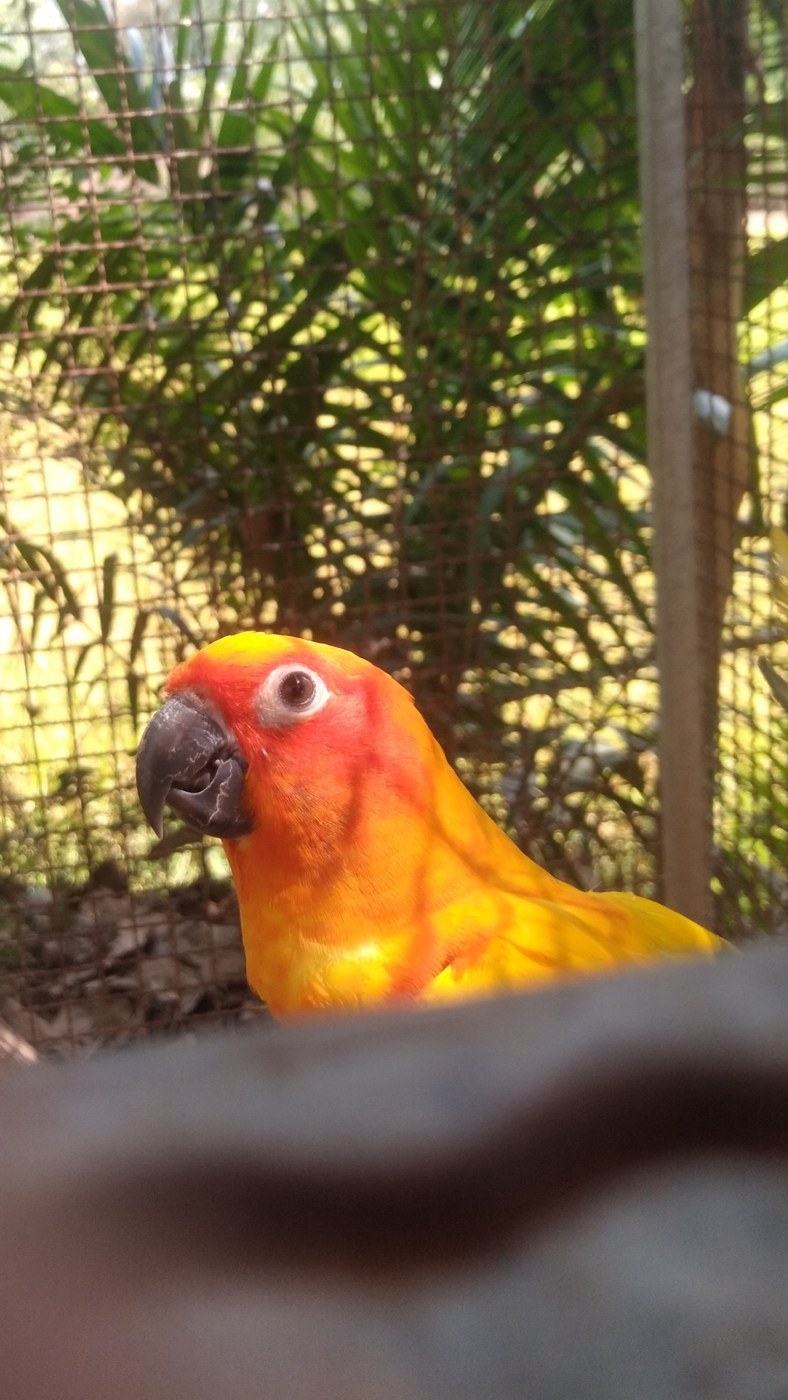
Sun Parakeet
Bright, dense body contour feathers; medium pointed tail feathers

Yellow-naped Amazon
Broad rounded contour feathers with sturdy flight feathers
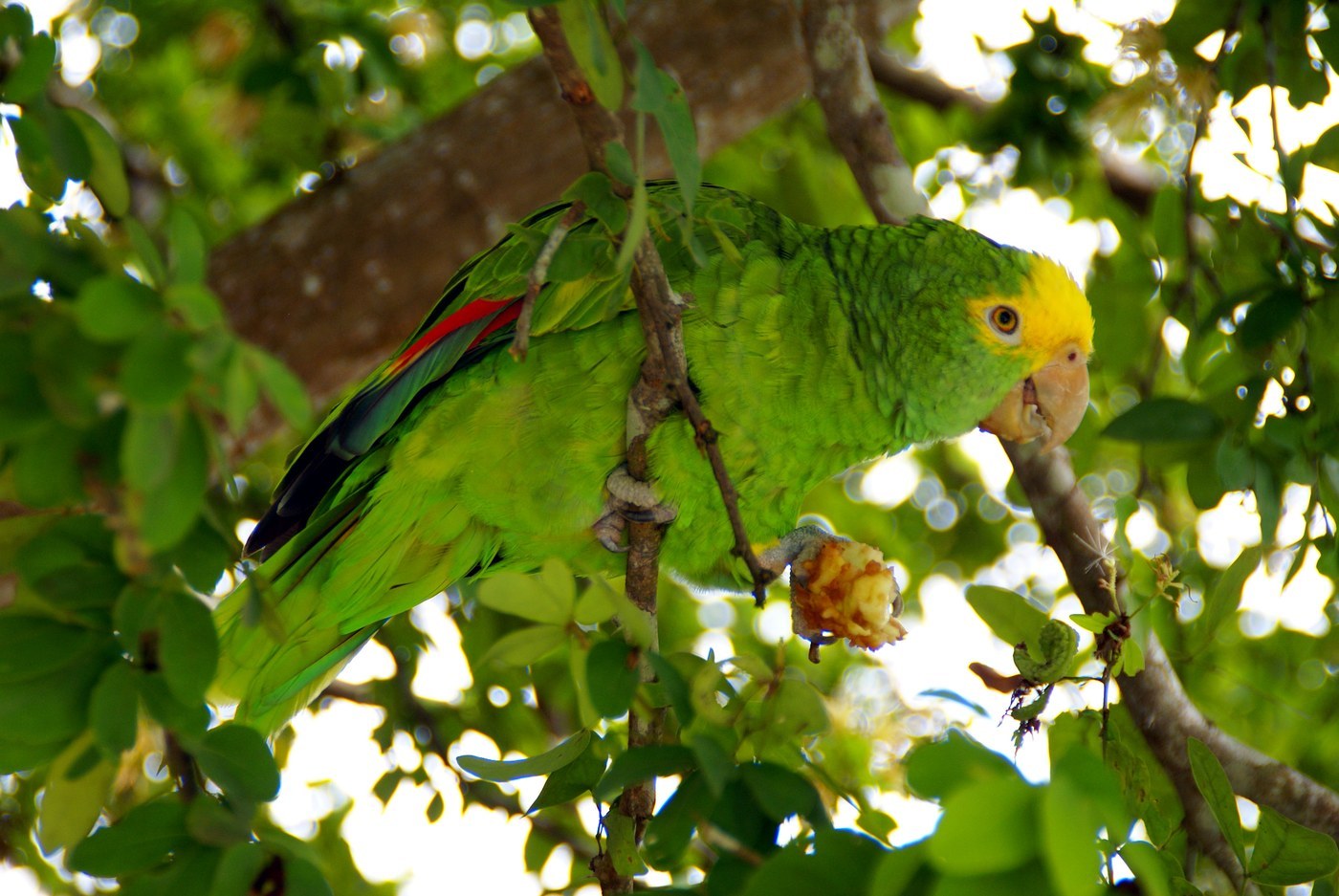
Yellow-headed Amazon
Dense, rounded body contour feathers; broad flight feathers
Yellow-collared Lovebird
Small compact flight feathers, short rounded tail

White-eyed Conure
Medium contour and long, graduated tail feathers

Yellow-tailed Black Cockatoo
Large, sturdy contour and flight feathers; short crest

Scarlet-chested Parrot
Small contour and flight feathers

Timneh Parrot
Broad flight feathers, scalloped body feathers with pale edges
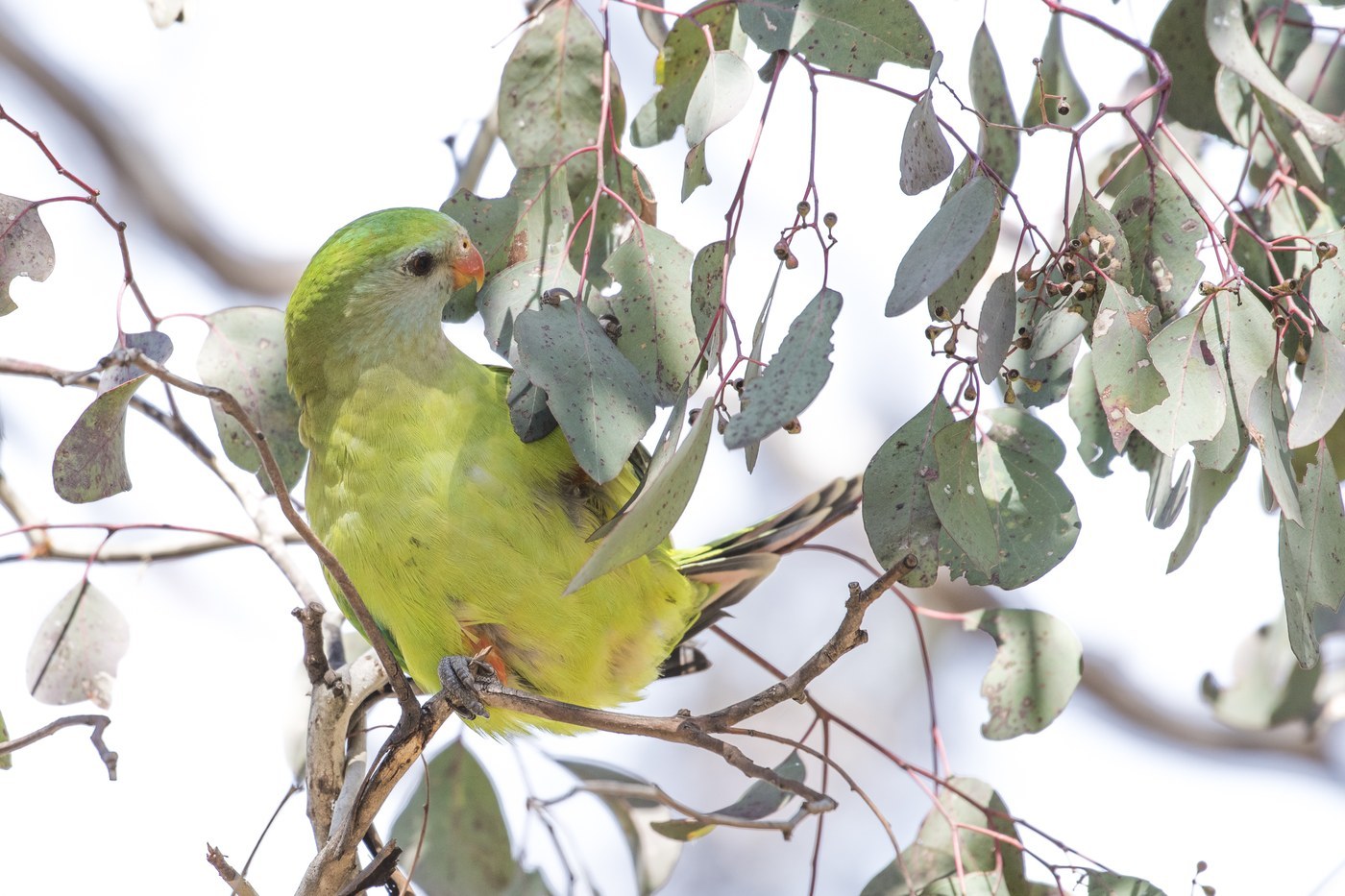
Superb Parrot
Sleek contour feathers with a long tapering tail

Red-shouldered Macaw
Compact body contour feathers; medium flight and tail feathers
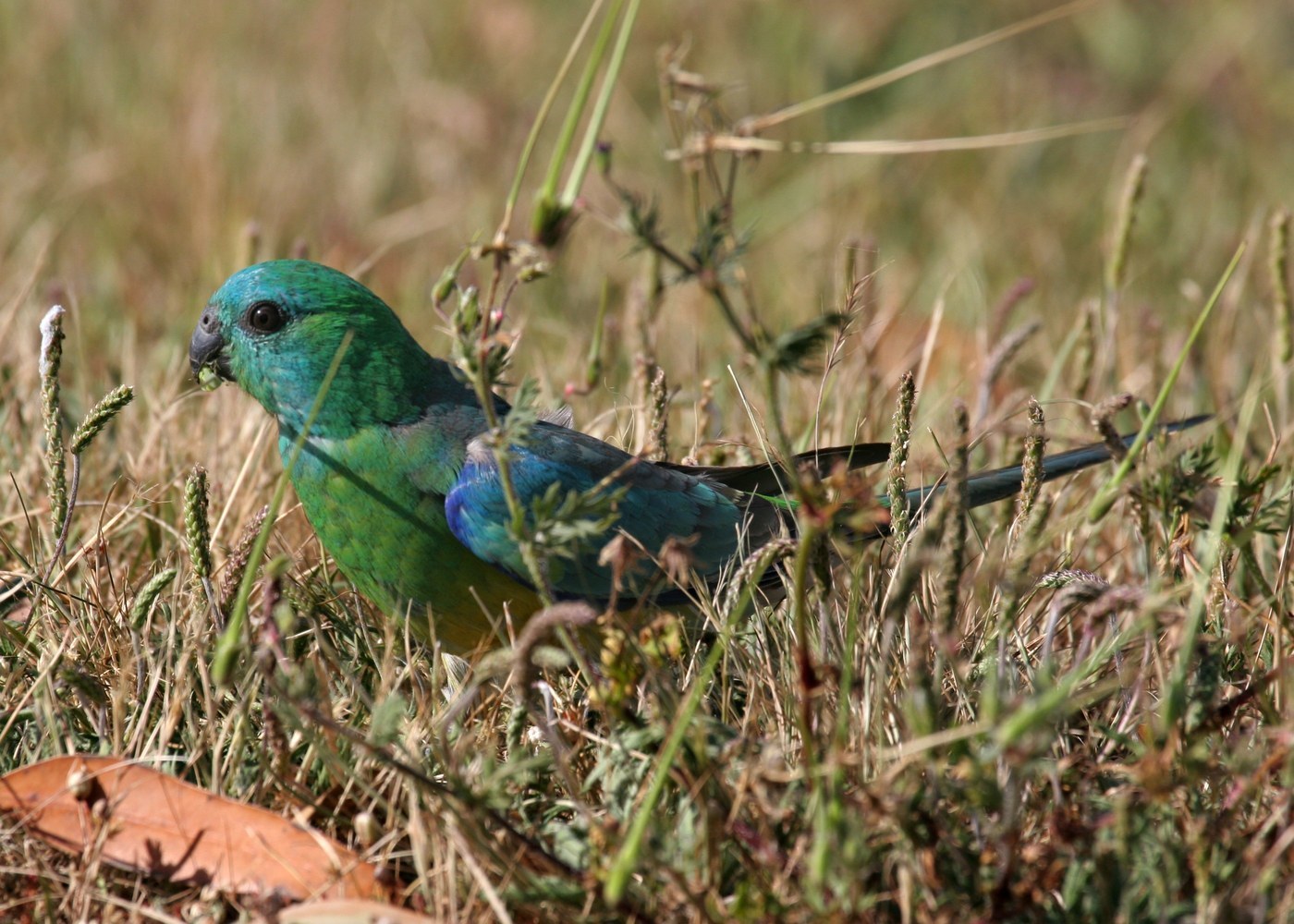
Red-rumped Parrot
Sleek contour feathers with a bright rump patch in males

White-capped Pionus
Compact contour feathers and short, squared tail feathers